
A Stated Limit Is A Wall Not A Person
A stated limit functions as an immovable structural wall that redirects systemic strain back to its source rather than absorbing it through personal exhaustion.
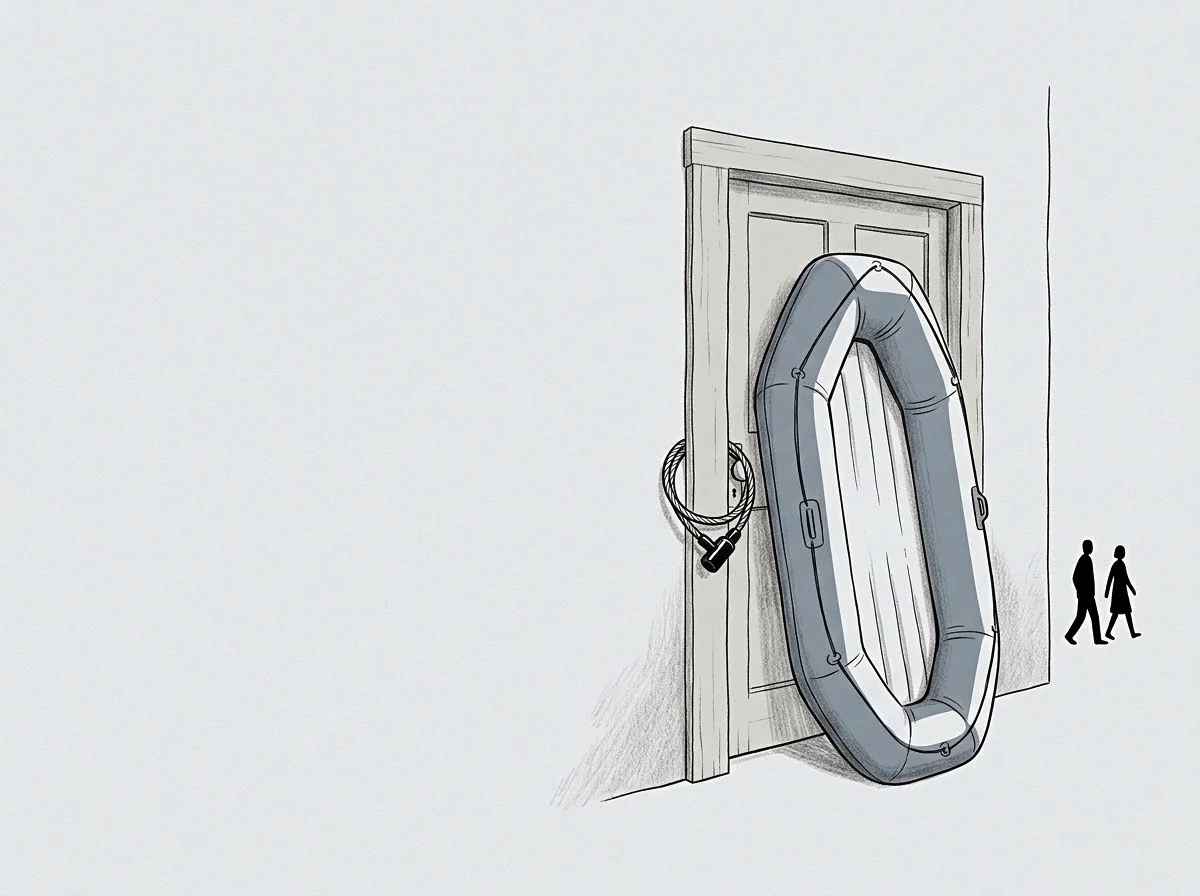
Wall
Four messages sit open on a screen at midnight while a founder stares at an unwritten reply. The incoming notes ask for time, reassurance, revised terms, and fast answers on operational issues that have not been vetted. For eighteen months, the founder handled these demands by cutting into sleep, working weekends, and absorbing team friction directly.
That accommodation taught the other party to expect elasticity. The requests continue because the only barrier previously encountered was visible fatigue, which consistently gave way under pressure.
A load-transferring system tests every container it enters. When friction builds inside an organization, an investor group, or an operating team, it travels along the path of least resistance until it hits an immovable surface. An individual relying on personal resolve acts like a spring rather than a wall.
The spring yields under weight, storing tension while the load advances. The party applying pressure feels that give and keeps pushing, taking compliance as a measure of baseline capacity.
A load-transferring system advances until it meets an immovable structural condition.
The difference between a personal boundary and a structural limit lies in where the resistance sits. A boundary framed as a personal preference invites negotiation and emotional leverage; the counterpart hears an internal feeling that might shift under sufficient urgency. A stated limit establishes an operating parameter for the engagement.
It defines the terms under which work happens, detached from the mood or fatigue of the person stating it.
Structural Properties of Stated Restraints
Agreements without explicit parameters transfer operational volatility straight into the physical health of leadership. When an operator establishes fixed communication windows or a bounded project scope, the constraint places an unyielding surface into the working relationship.
- Stated Term defines the non-negotiable threshold of exchange before operational strain begins, setting clear parameters for delivery dates, working hours, and scope boundaries.
- Load Transfer occurs the moment an unyielding condition redirects operational friction back to its originating source rather than absorbing it internally.
- Structural Resistance remains invariant regardless of the interpersonal intensity applied against it during a dispute.
The surrounding system tests any new parameter to see if it yields to urgency, pleading, or distress. When the limit stays in place across multiple cycles, the originating team adapts and handles the problem internally. The friction gets resolved at the source.
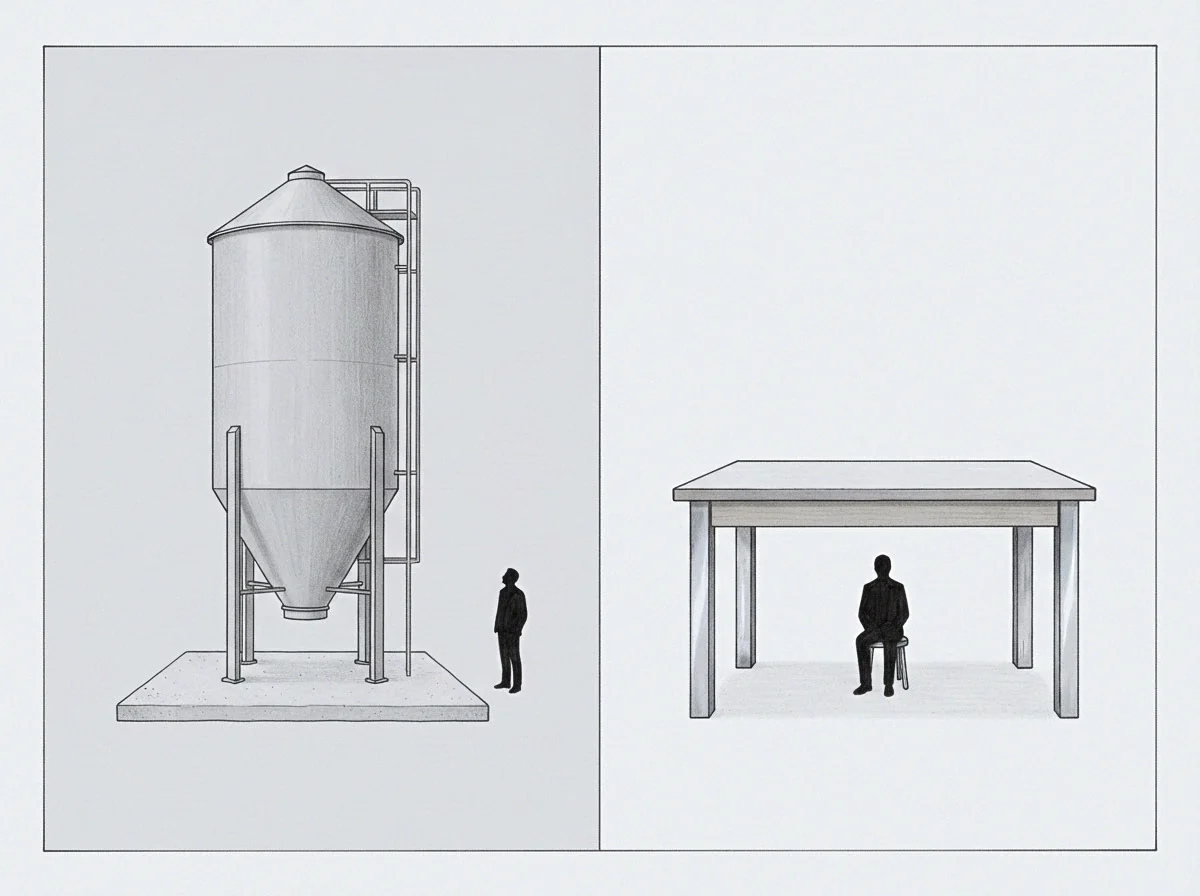
Regulator
Social baseline theory shows that human neural architecture conserves energy by distributing vigilance, threat assessment, and emotional regulation across a proximate group. When a single leader acts as the sole emotional stabilizer for an entire company, that individual carries the regulatory load for dozens of nervous systems. That metabolic expenditure reduces cognitive capacity to near zero.
This dynamic feeds on itself: a desk that proves it can stabilize high anxiety under pressure attracts more of it. When staff find that offloading uncertainty to an executive reliably resolves their tension, that desk turns into the clearinghouse for organizational distress. Taking this on feels like necessary leadership, but the physical cost shows up as elevated allostatic load, eroding sleep, focus, and general health over years.
Metabolic expenditure compounds when an individual processes the regulatory overhead of an entire organization.

The Progression of Unchecked Regulatory Outsourcing
This pattern repeats across organizations that operate without formal procedural constraints:
- The founder absorbs initial operational ambiguities and team anxieties directly, producing short-term relational calm at personal metabolic expense.
- Operating peers observe the complete absorption of ambiguity and begin defaulting all high-friction decisions to the same central seat.
- The central seat reaches physiological saturation, triggering cognitive throttling, delayed response times, and systemic fragility across every dependent channel.
Correcting this requires shifting regulation from personal effort into procedural terms. A term provides an external object for the pressure to meet instead of a human body. When a team member experiences panic over delivery timing, the correct venue is a structured retrospective with defined inputs, not an impromptu two-hour debrief.
The process requires the team to work through procedural friction locally before escalating.
Prior arrangements often seem functional until an operator stops absorbing that friction and declines to hold ad-hoc discussions on unvetted problems.

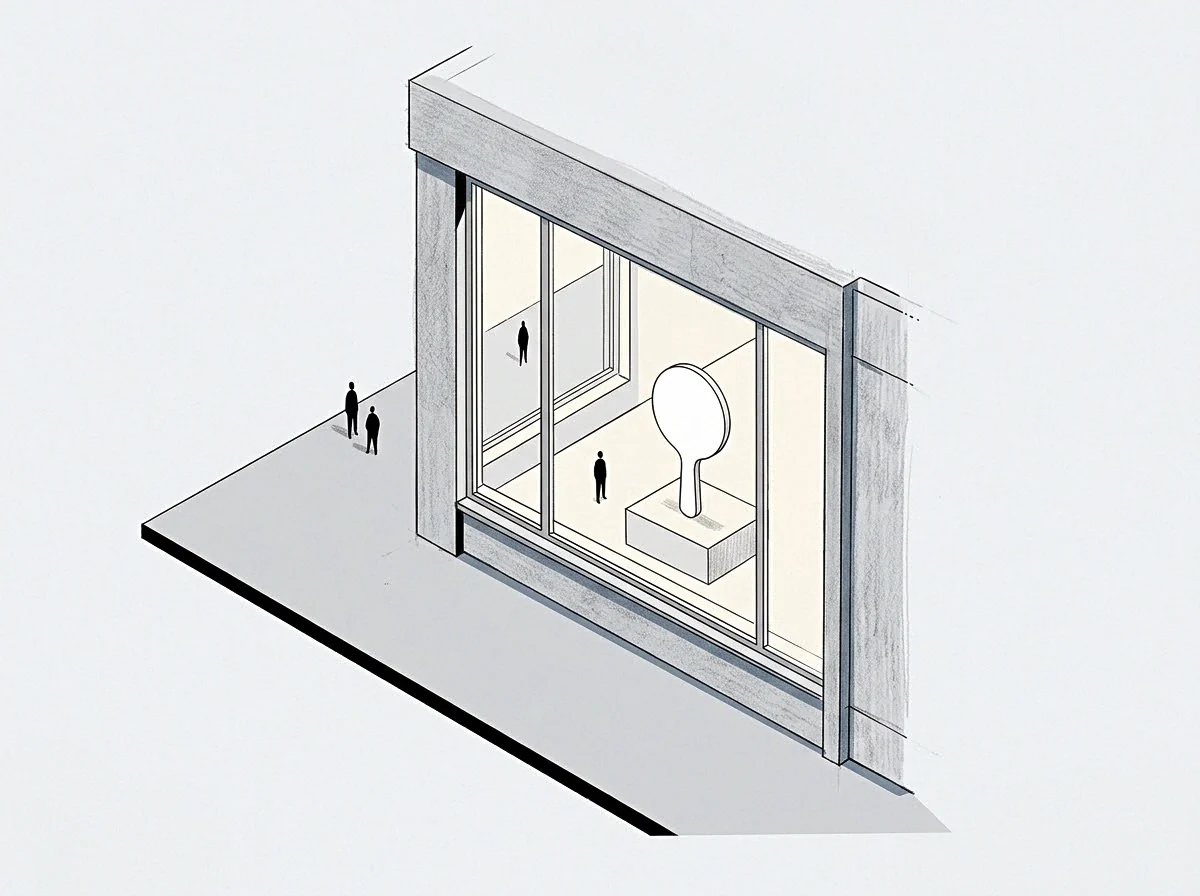
Silence
Availability is a function of established parameters, not an asset maintained through constant presence. The common assumption is that accessible managers maintain open channels around the clock to keep projects moving. In practice, a channel that pings constantly reveals missing operational structure.
The team relies on immediate triage instead of predictable systems, treating the notification itself as a substitute for prioritization.

Does Derived Availability Signal Withdrawal?
When a leader stops answering messaging apps immediately, counterparties often read the silence as punitive disconnection or friction. Moving from immediate replies to structured availability creates initial tension because the other party meets a quiet perimeter where an elastic buffer used to be. The silence is an operational choice, not an interpersonal stance.
The mechanical difference between reactive accommodation and derived availability across working environments:
| Dimension | Reactive Accommodation | Structural Wall |
|---|---|---|
| Response Velocity | Immediate real-time replies across all active channels | Batched asynchronous responses on fixed operating schedules |
| Systemic Locus | Absorbed internally by the leader’s nervous system | Resolved locally by the originating operational team |
| Relational Dynamic | Continuous interpersonal reassurance and co-regulation | Strict adherence to contractual scope and stated terms |
| Failure Signature | Acute physical exhaustion and cognitive throttling | Temporary interpersonal friction and boundary testing |
A quiet communication channel indicates that working procedures resolve issues without executive escalation. When updates move into scheduled, asynchronous windows, both sides operate with clearer expectations. Silence defines the edges of the role, protecting the time needed to work.
A parameter holds once the person who set it stops defending its existence to the people pushing against it.

Transfer
Redirecting operational strain off individual bodies and back into formal agreements is central to sustainable operations. In mechanical systems, a dampener dissipates kinetic energy across a surface built to handle stress. An executive who absorbs operational volatility without institutional dampeners takes that force directly, like a rigid frame passing road shock straight to an engine block.
When an operating partner asks for an immediate exception to a schedule or governance policy, the request cannot be handled through personal accommodation. It has to be evaluated against baseline terms that specify the financial, temporal, and capacity costs of scope changes. Tying expedited work to a defined operational premium introduces an objective commercial cost rather than an interpersonal friction point.
A contractual term presents an objective cost to behaviors that would otherwise extract unpriced personal capacity.

Economic Grounding of Relational Constraints
Every unstated limit creates an unpriced liability that accumulates friction over time. The operator assumes flexibility keeps the peace, while the partner assumes the adjustment costs nothing. When the operator eventually stops accommodating, the change feels sudden to the counterparty.
Establishing explicit terms replaces hidden physiological extraction with measurable operating parameters.
Operating without structural walls leads to systemic breakdowns across an organization, ending in executive burnout, unmonitored agreements, and the loss of enterprise value built through unpaid personal exertion.
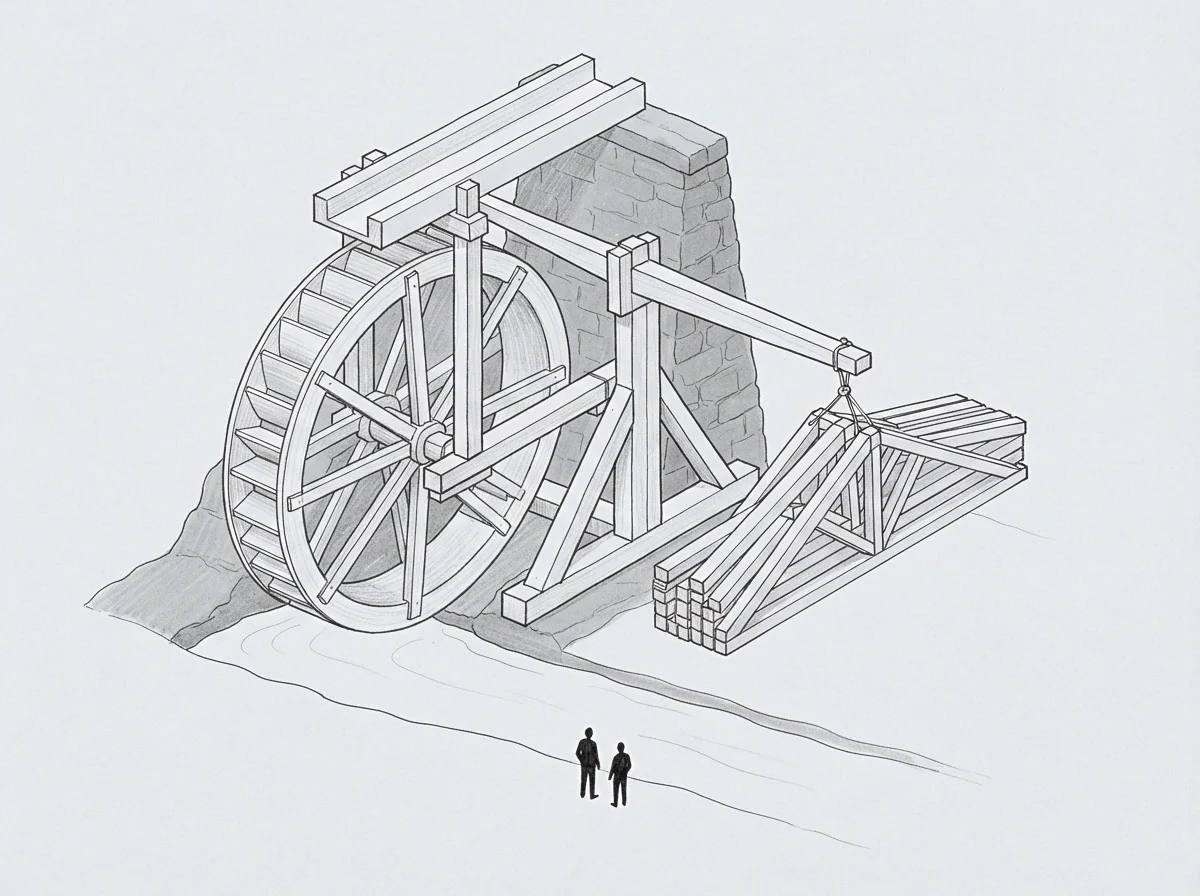
State
Work output is governed by underlying physiological condition rather than sheer cognitive effort. Executive control models frame the brain as an adaptive system where incoming demands yield different outputs based on baseline somatic resources. Mood is simply a trailing indicator.
Physiological state is the physical gate that dictates what work is actually possible.
Some executive functions are decision-gated: they need focused choice, analysis, and execution. Others are state-gated. A state-gated task cannot be forced if the somatic substrate lacks metabolic headroom.
Strategic synthesis, emotional stabilization, and sustained creative work slow down or shut off entirely when prolonged stress forces protective cognitive throttling.
Treating every task as decision-gated pushes complex cognitive work through an exhausted nervous system, leading to shallow analysis, defensive reactions, and volatile strategy. Working within state-gated realities requires setting structural parameters that protect baseline recovery.
The operational problem is whether an executive team can systematically map state-gated thresholds before cognitive fatigue damages institutional decision-making.