
Balancing Rigid Intake Constraints Against Early Enterprise Velocity During Unplanned Operational Surges
Rigid intake constraints preserve downstream enterprise velocity during surges by converting external commercial pressure into perimeter qualification friction.
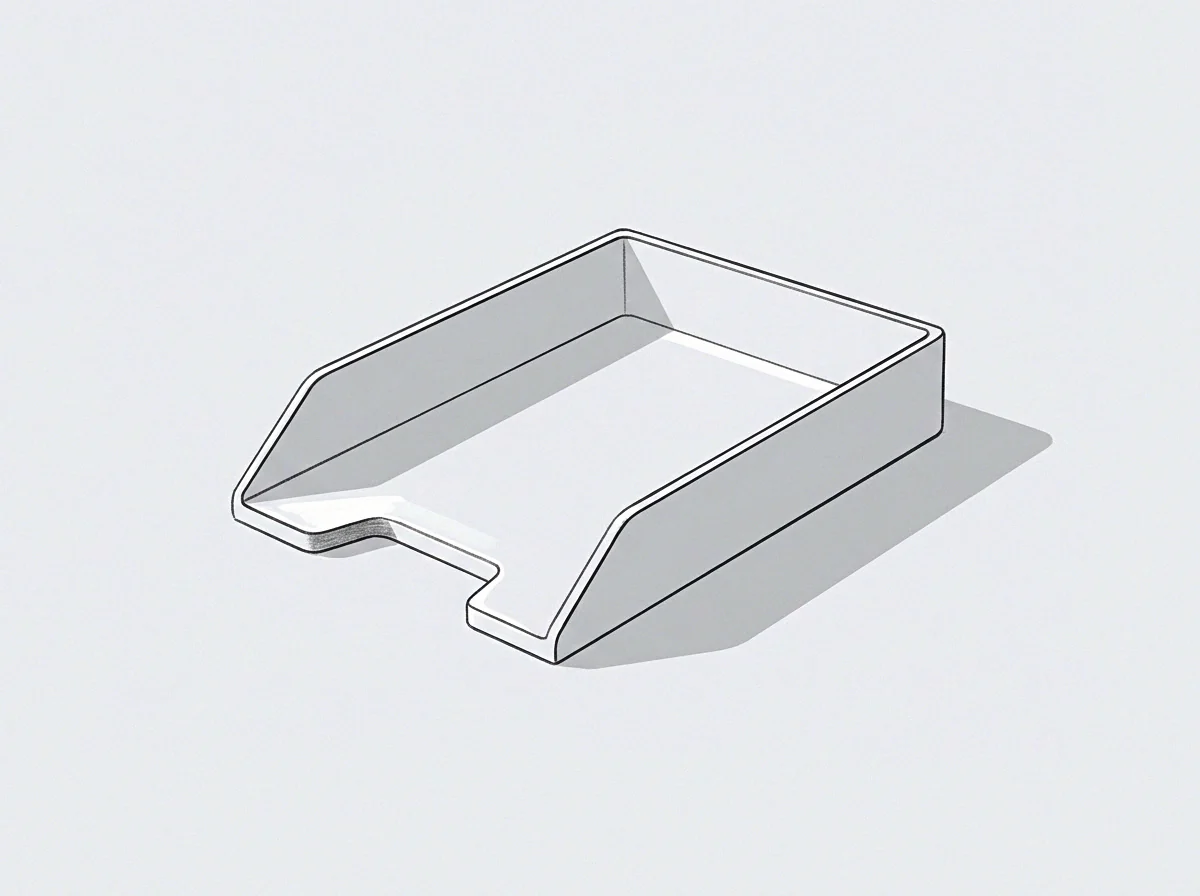
Choke
Intake friction governs enterprise survival long before delivery systems register distress. When commercial surges flood an early organization, velocity appears synonymous with transaction acceptance. Inbound demand compounds, operational channels fill with unvetted requirements, and the working team absorbs incoming load without an explicit filter.
A system lacking a rigid entrance boundary converts every external variance into internal chaos. The intake constraint functions as an inert structural barrier rather than a discretionary preference. It sits between incoming volume and the production core, dictating what crosses the perimeter regardless of external pressure.
An unplanned surge tests the boundary immediately. Sales conversations accelerate, prospective counterparties request expedited accommodations, and internal stakeholders demand temporary exemptions to capture immediate gross volume. Operating without a firm barrier transfers all sorting friction to downstream execution.
Engineers interpret ambiguous specifications while building. Delivery personnel negotiate scope during deployment. The enterprise moves fast across the intake threshold, yet progress stalls inside the delivery mechanism.
A constraint stated as a structural filter redirects external friction before delivery systems accept the work.
Surge dynamics distort the internal reading of operational capacity. Unvetted requests consume disproportionate executive attention, fragmenting the focus required to sustain base operations. Every exception granted at intake forces four operational reconfigurations during delivery.
Work accumulates in intermediate stages, handoffs multiply, and cycle times lengthen exponentially. The enterprise mistakes the speed of intake acceptance for systemic velocity.
Intake filters fail along predictable lines when operational volume spikes:
- Unqualified intake concession introduces structural defects that mandate continuous manual intervention throughout deployment.
- Informal channel bypass routes high-friction requests around standard validation points into production teams.
- Speculative scope expansion incorporates prospective counterparty preferences into core execution pipelines without economic adjustments.
When intake constraints break, execution slows to a crawl under the weight of unresolved dependencies. Frontline teams spend their daylight hours clarifying ambiguities that formal qualification would have eliminated. Internal tension mounts as deadlines slip, prompting leadership to accelerate intake further to compensate for lagging output.
The counterparty notes that if initial delivery dates matter, the operational parameters must stay flexible enough to absorb immediate adjustments.

Valve
Flow regulation operates through mechanical throttling rather than discretionary choice. When incoming volume exceeds processing bandwidth, an unthrottled intake saturates working memory across the enterprise. Cognitive resources drain into triage rather than execution.
In control theory, a system without backpressure inevitably destabilizes its own internal state. The intake valve restricts flow to match steady-state processing capacity, rejecting excess input at the perimeter.

What Breaks When Intake Yields To Volume?
Downstream queues lengthen when initial screening drops below defined thresholds. Inbound transactions arrive with incomplete metadata, nonstandard configurations, and unbudgeted support requirements. Operating units attempt to resolve these discrepancies during active delivery.
Context switching increases, error rates climb, and team members experience acute fatigue. Processing speed drops precisely because the organization accepted work faster than its architecture could digest.
Throttling protects execution integrity by imposing hard friction at entry. A counterparty presenting nonstandard terms meets an automated pause. The queue enforces sequence.
High-velocity enterprises maintain their operational pace by narrowing the corridor of acceptable intake, discarding peripheral opportunities to preserve throughput on primary pipelines. The limit remains an objective boundary rather than a negotiable position.
Preserving delivery velocity during unplanned surges demands heavier qualification friction at the perimeter.
Velocity degrades the moment an organization treats an intake constraint as an interpersonal obstacle. Internal advocates frame qualification hurdles as bureaucratic drag that impedes revenue capture. They urge exceptions for high-profile prospects, promising that delivery teams will adapt downstream.
When leadership grants the exception, the system establishes a precedent that boundaries yield under external urgency. The operational core becomes an unbuffered shock absorber for commercial volatility.
Throttling mechanisms hold only when operational cost attaches directly to perimeter violations. If an intake exception consumes unallocated engineering hours without compensatory adjustments, the delivery team bears the deficit in silence. Imposing a mandatory trade-off for every nonstandard request forces commercial functions to deliberate before breaching the perimeter.
Entry constraints preserve delivery speed by refusing to subsidize external urgency with internal exhaustion.
Rigid qualification filters screen out the work that would otherwise devour delivery capacity.

Floor
Minimum operating standards define the lowest acceptable quality threshold for incoming demand. When surges occur, the temptation to lower entry criteria grows acute. Leadership assumes that temporary concessions generate momentum, ignoring the permanent drag introduced by malformed accounts.
The operational floor establishes baseline contractual terms, technical prerequisites, and operational cadences that admit no compromise. Anything beneath the baseline stays outside.
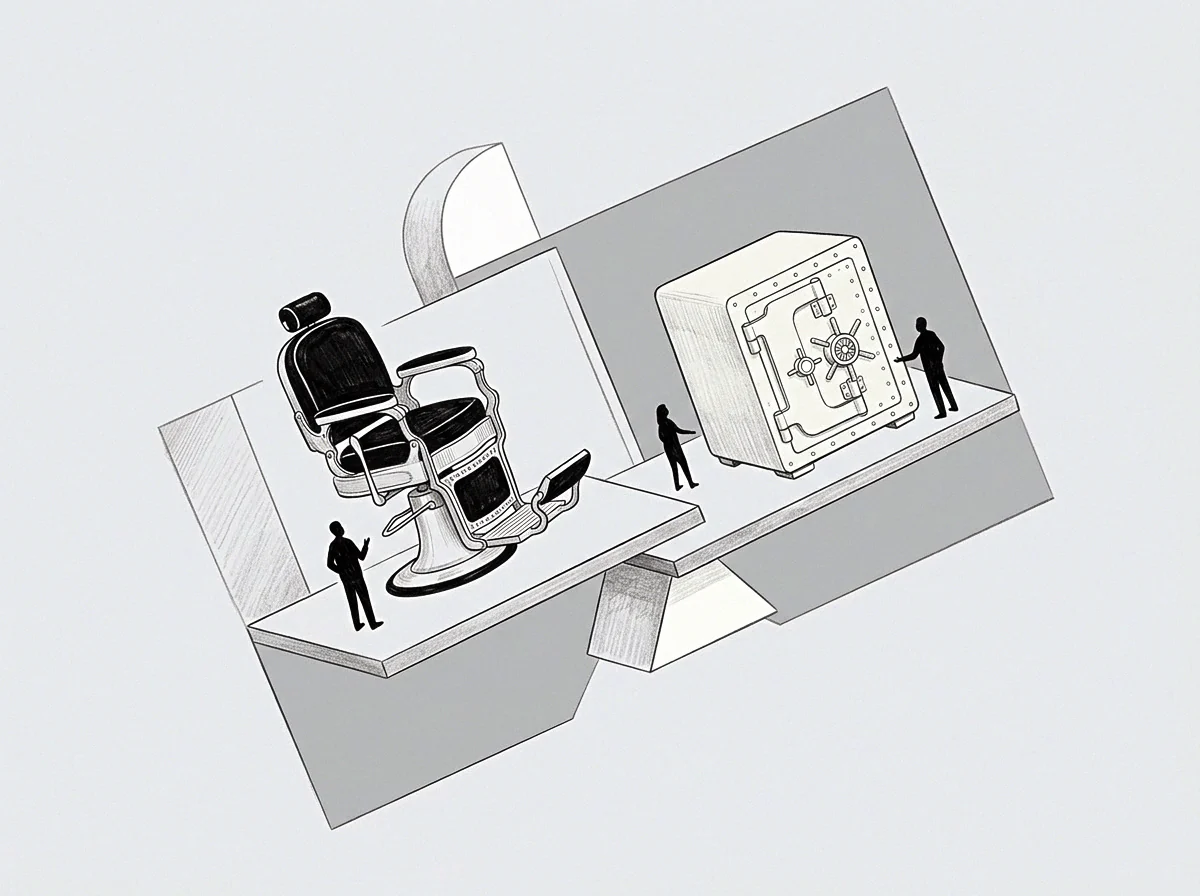
Comparative Mechanics Under Acute Operational Surges
Surge response models differ sharply in how they distribute structural tension across the enterprise. The chosen intake configuration dictates where friction accumulates and who pays the operational cost.
| Intake Model | Perimeter Friction | Downstream Volatility | Execution Velocity | Capacity Allocation |
|---|---|---|---|---|
| Permissive Surge Absorption | Zero friction | Severe cascading defects | Collapses under rework | Diffused across triage |
| Hard Intake Quota | Binary rejection | Zero surge spillover | Constant on accepted load | Reserved for committed tiers |
| Tiered Constraint Screening | High qualifying barrier | Predictable bounded drift | Optimized for standard paths | Concentrated on primary output |
A permissive surge model absorbs all inbound volume without gatekeeping. Frontline sales feel immediate progress while technical operations collapse under unstandardized execution demands. Conversely, hard intake quotas reject everything beyond a cardinal ceiling.
This mechanism insulates internal functions completely, yet it discards high-margin volume that standard operational paths could accommodate. Tiered screening applies rigid gates to technical and delivery prerequisites while permitting volume scale along narrow, predefined parameters.
The boundary must exist as a concrete term rather than an executive sentiment. Stating that the enterprise values focus accomplishes nothing during a commercial deluge. Establishing that no contract enters implementation without three predefined technical validations creates an immovable surface.
Counterparties either provide the required inputs or their onboarding stalls automatically at the perimeter.
The standard operates without human malice or managerial apology. When an external surge impacts the organization, the floor absorbs the shock by holding its criteria constant. Team members point to the contract standard rather than defending personal boundaries.
The stated condition stipulates that intake resumes only after in-flight delivery queues clear their backlog below baseline capacity thresholds.
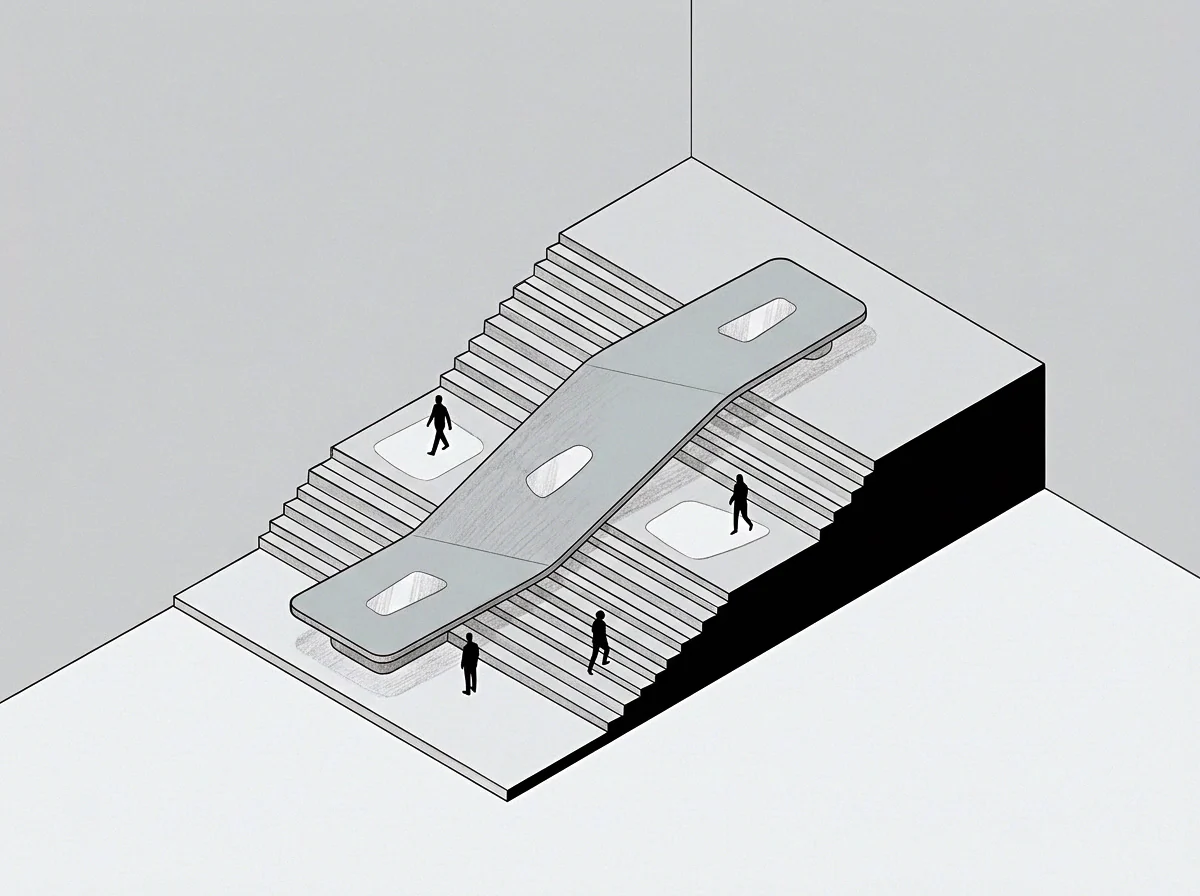
Drag
Frictional overhead inside an operational surge compounds with every unvetted intake decision. When an enterprise bypasses initial constraints to maximize transaction counts, internal drag escalates exponentially. Small technical inconsistencies require protracted cross-functional alignment.
Unclear delivery responsibilities trigger duplicative efforts. The organization spends its best mental hours resolving disputes generated by ambiguous commercial agreements.
The administrative burden shifts from productive output to perimeter defense. Staff members spend half their working day determining what a client actually bought, who agreed to custom features, and why standard procedures were suspended. The enterprise slows down while running harder.
Executive leadership perceives this slowdown as an execution deficit, demanding higher output from an already saturated workforce. The true impediment sits upstream at the intake threshold.
Unvetted demand converts operational capacity into administrative arbitration.
Operational drag manifests across three distinct organizational layers during sustained volume surges:
- Coordination overhead multiplication forces continuous cross-departmental synchronization to untangle nonstandard contract obligations.
- Contextual switching fragmentation splits technical attention between standard delivery pipelines and urgent exception remediation.
- Attentional reserve exhaustion depletes cognitive headroom needed for critical operational stability.
Uncontrolled intake creates severe systemic latency. In industrial manufacturing, feeding irregular raw materials into precision machinery triggers tooling fractures and production stoppages. Enterprise service operations operate under the exact same physical constraints.
Feeding irregular, unvetted commercial requests into an early delivery engine destroys its structural integrity. The cost appears as missed release windows, departing talent, and degraded customer satisfaction.
Yielding to commercial surge pressure compromises long-term enterprise value to secure fleeting transactional velocity.

Anchor
Structural limits stabilize an enterprise against commercial drift. The founder, the operator, and the client navigate an operational surge with differing appetites for risk. When external demand surges, only a fixed operational limit prevents the organization from mutating into an unstructured services bureau.
The limit serves as an organizational anchor, securing core priorities against the volatile currents of market interest.

Enforcing Boundaries Against Executive Urgency
Executive leadership often generates the strongest pressure to abandon intake discipline. The allure of headline growth blinds leaders to the downstream destruction wrought by unregulated intake. When leadership overrides operational constraints, frontline morale deteriorates rapidly.
Operators recognize that their delivery integrity has been traded for short-term commercial optics. Holding the boundary requires concrete operational data that demonstrates the cost of past concessions.
Establishing an unyielding intake protocol protects enterprise velocity by ensuring that accepted work moves unimpeded through delivery. The constraint is not an admission of weakness. It is a declaration of operational focus.
Counterparties respect enterprises that enforce rigorous intake standards, recognizing that strict entry criteria correlate with flawless downstream execution. The organization says no at the perimeter so that every accepted commitment finishes on time.
Surge periods eventually subside, leaving behind either an efficient operating engine or an exhausted, fragmented workforce. The difference lies in whether the enterprise maintained its intake discipline under acute external pressure. Organizations that protect their intake constraints emerge from surges with refined operations, cohesive teams, and durable customer relationships.
Those that surrendered their limits spend months repairing internal infrastructure and untangling broken promises.
Whether leadership can maintain structural intake discipline when unvetted commercial surges offer immediate revenue remains an open question for every expanding enterprise.