Meaning
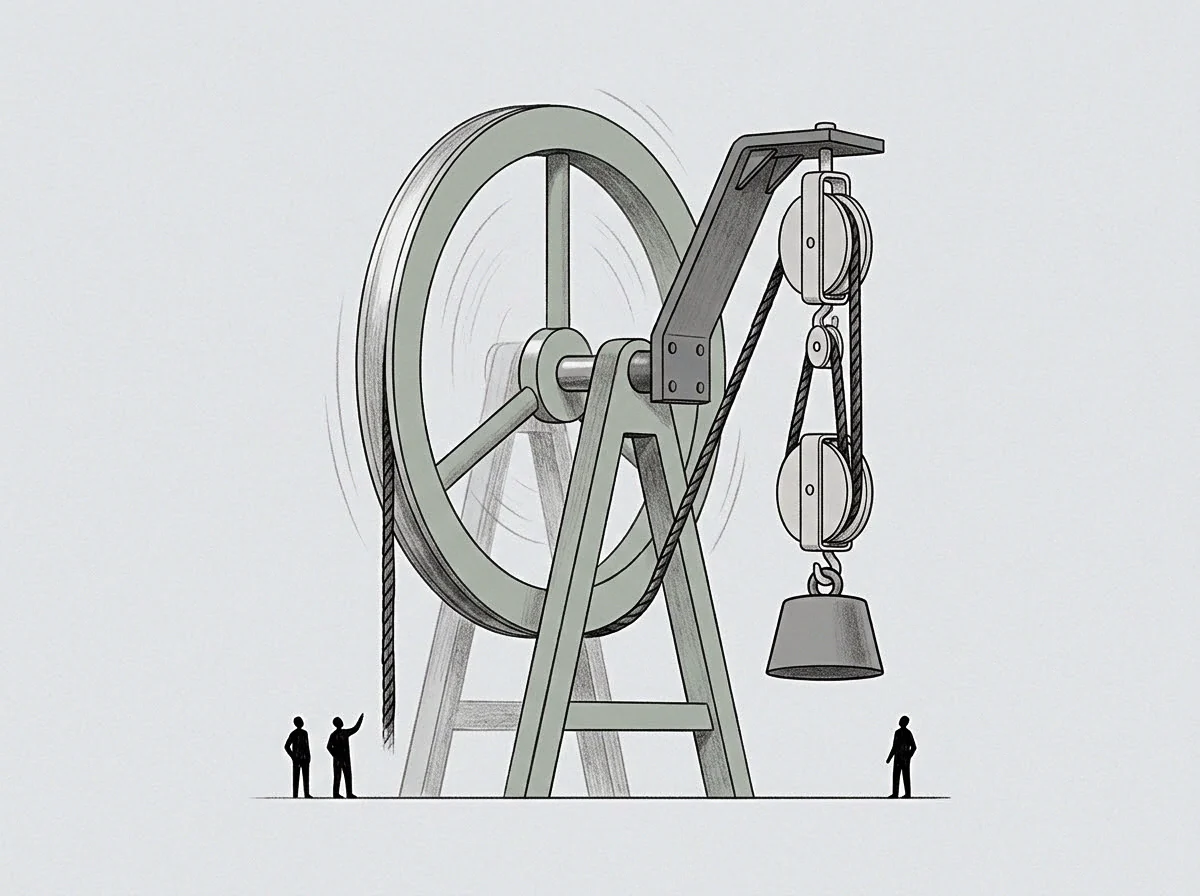
Architectural limitations represent the physical or legal boundaries that define what is possible within a given system. A structural constraint is an inherent part of the framework and cannot be overcome through effort or willpower alone. These limits dictate the maximum throughput of a process and the total capacity of an individual to handle complex tasks.
Capacity Limits
Every organization has a ceiling on its performance that is set by its design and its available resources. Trying to push past a structural constraint without changing the underlying system results in diminishing returns and increased risk of failure. The attention of the founder must eventually shift from working harder to redesigning the system to move the limit.
Resource Scarcity
Fixed assets such as time, capital and physical space act as the primary filters for what an organization can achieve. A structural constraint often takes the form of a limited supply of a critical input that cannot be easily replaced. Managing these gaps requires a precise understanding of the trade offs involved in every strategic decision.
System Design
The way a company is built determines where its most significant bottlenecks will appear. Identifying a structural constraint allows for better planning and more realistic goal setting for the team. Overcoming these barriers usually requires a fundamental change in the way the organization operates or a significant investment in new technology.