
Calibrating Intake Barriers Against Asymmetric Architectural Debt and System Load
Intake barriers reduce architectural debt by replacing continuous human load absorption with explicit structural entry terms and batch processing queues.
Wall
Four communication channels flash simultaneously on a desktop screen at midnight while the incoming request queue continues to fill. The founder sits in the central operating seat, absorbing operational exceptions that lower systems failed to handle. Incoming queries arrive without prior filtering because earlier organizational choices routed unstructured demands directly to executive attention.
The body registers this persistent exposure as sustained physiological arousal, reducing cognitive headroom while operational decisions accumulate.
An intake barrier functions as an objective physical parameter within an operational structure. Without explicit gating mechanisms, an organization defaults to absorbing systemic strain through the personal capacity of its primary operators. Load transfers naturally toward the point of least mechanical resistance.
When that point is an unhedged human regulator, the system pushes until it hits an absolute functional ceiling.
Operational load flows continuously toward any unthrottled point of human oversight until structural intake boundaries intervene.
Establishing hard structural parameters requires replacing informal availability with clear intake conditions. The following sequence defines how intake parameters settle across an active operational interface:
- Channel Isolation segregates low-latency synchronous pings from asynchronous architectural decisions to prevent immediate operational interruptions.
- Threshold Definition specifies exact criteria required for an incoming issue to cross from automated queue processing to manual human intervention.
- Cost Assignment attaches a clear resource trade-off to out-of-band escalation requests, forcing requesting parties to evaluate internal priority.
- Capacity Capping enforces a maximum concurrency limit on active operational items held by a single operator simultaneously.
Unfiltered access creates an environment where incoming volume reflects external urgency rather than internal priority. Systemic stability improves when the intake gate operates as an unyielding boundary rather than an elastic personal negotiation. The stated term governing request intake specifies that items lacking required diagnostic metadata remain in the holding queue for twenty-four hours, which immediately reduces arbitrary operational interruptions by half.
Debt
Early organizational work routinely relies on structural shortcuts to maintain velocity. Systems are built around informal consensus, single-point monitoring, and direct access to primary engineers or founders. Over time, these early operational concessions transform into asymmetric architectural debt.
The asymmetry arises because the short-term speed gained by bypassing formal intake processes concentrates long-term operational maintenance onto a small subset of operators.
When intake barriers remain absent, downstream systems deposit their operational failures directly into the executive layer. The primary regulator becomes an informal load-balancer for unrefined inputs. This configuration obscures underlying systemic flaws, as human intervention continuously patches gaps in system design before those gaps produce visible operational failure.
| Intake Barrier Type | Primary Load Vector | Downstream Debt Accumulation | Systemic Headroom Impact |
|---|---|---|---|
| Unfiltered Direct Access | Continuous manual triage by primary operator | High accumulation of undocumented dependencies | Severe depletion of strategic capacity |
| Threshold-Gated Intake | Automated criteria verification at ingestion | Moderate debt constrained to isolated modules | Preserved capacity for high-priority exceptions |
| Hard Stated Term | Enforced latency and batch processing windows | Low debt, mandatory systemic resolution | Maximum capacity retention and structural stability |
System load increases exponentially when architectural debt remains unhedged. The organization operates under the illusion of efficiency while relying entirely on the over-functioning of key individuals. Long-term structural resilience decreases when systemic friction is absorbed by human energy rather than remediated through architectural redesign.
Unhedged operational debt systematically converts human regulatory headroom into structural dependency.
Relying on informal coregulation to manage incoming system friction leads directly to sudden capacity collapse when incoming queue volume exceeds human processing limits.
Clock
Temporal dynamics govern system capacity under continuous intake stress. Processing inputs requires cognitive task-switching, with each context shift consuming finite attentional resources. High ping frequency breaks operational focus into fragmented windows, preventing deep analytical work.
System headroom degrades as latency requirements tighten without structural intake barriers.
Where Does Internal Capacity Exhaust First?
Capacity reserves deplete first at the point of continuous real-time synthesis. Consider a worked situation involving two co-founders managing an enterprise deployment under tight deadlines. Assume the lead technical partner absorbs incoming client change requests while simultaneously attempting to re-architect core platform services.
The intake queue receives an average of forty unstructured requests daily across email, chat, and issue-tracking platforms.
Without intake barriers, the technical partner spends four hours daily responding to incoming queries. Context-switching penalties account for an additional two hours of fragmented capacity. The remaining two hours of clear focus prove insufficient to complete structural platform work.
Architectural debt accumulates as quick patches replace systematic refactoring. Within ninety days, system stability drops, bug reports double, and internal capacity reaches absolute ceiling.
System capacity recovers only when request ingestion switches to discrete batch processing windows. Moving request evaluation from continuous real-time monitoring to twice-daily processing blocks restores consolidated focus time. Intake barriers establish temporal distance between input arrival and system execution.
Intake rate control preserves processing headroom by decoupling input arrival from system execution windows.
Batch processing incoming requests during fixed temporal windows prevents high-frequency pings from fragmenting core analytical capacity.
Signal
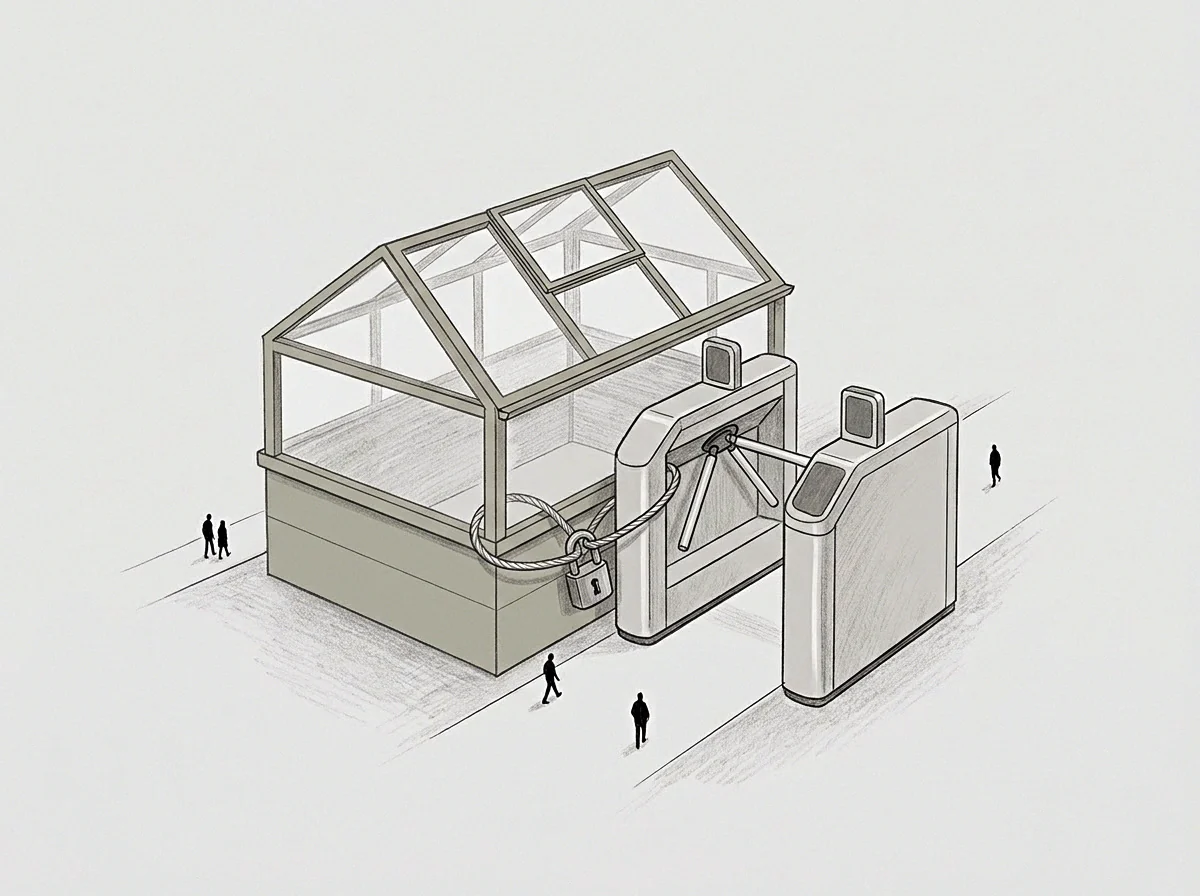
A channel that does not ping indicates clear operational boundaries rather than systemic disengagement. Communication signals convey internal system state to external stakeholders. When availability is derived from silent structural terms rather than real-time presence, incoming input volume adapts to established intake parameters.
State functions as an internal transfer mechanism determining how inputs transform into operational outputs. Mood represents a transient output reflecting immediate operational stress. Establishing state-gated intake parameters ensures structural rules govern request admission regardless of temporary operational friction.
Structural signal failures occur when communication protocols misalign with system capacity. The following conditions describe primary failure modes across operational signal paths:
- Unbounded Signaling occurs when an open communication vector invites unthrottled inputs without indicating processing latency.
- State Misinterpretation arises when silent processing windows are misread by external parties as operational refusal or system failure.
- Priority Inversion occurs when immediate low-value pings displace queued high-value structural tasks due to arbitrary incoming channel urgency.
- Co-Dependent Escalation happens when external teams rely on primary operator intervention rather than executing established diagnostic protocols.
Clear intake terms replace continuous signaling with predictable processing cadences. External stakeholders adjust input patterns when intake boundaries consistently enforce stated terms. Availability becomes a predictable derivative of structural rules rather than an open-ended personal commitment.
Stated intake parameters convert unpredictable request patterns into structured operational queues.
Re-routing direct emergency pings through a mandatory diagnostic intake form reduced out-of-band weekend requests immediately.
Cost
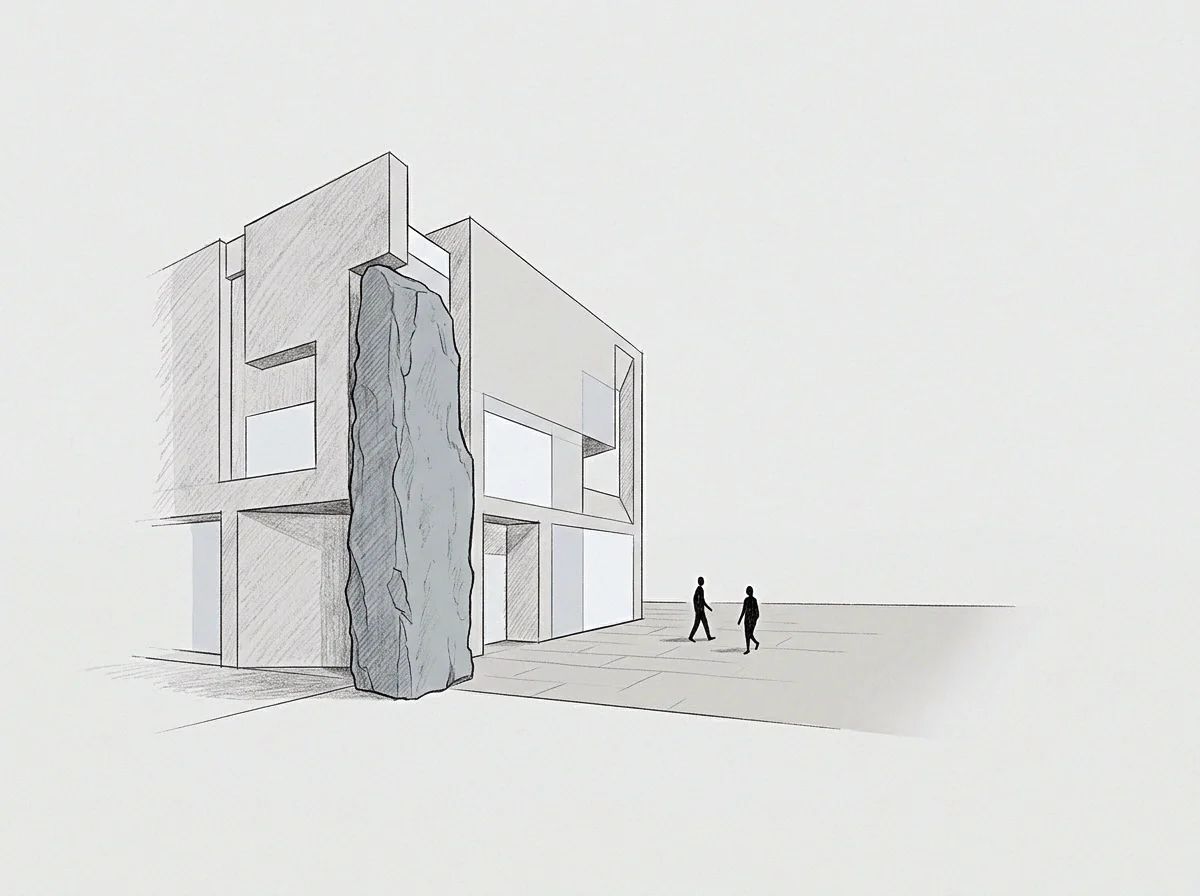
Recalibrating intake barriers requires shifting structural load back to its points of origin. Downstream components must process their own operational exceptions rather than escalating them to central executive headroom. This transfer introduces temporary friction as teams adjust to self-contained diagnostic requirements and established queue latency.
Initial resistance emerges whenever unthrottled access gives way to hard terms. Requesting parties routinely experience the imposition of intake barriers as an immediate drop in service level. The primary operator observes heightened friction during early enforcement phases, as external entities test the rigidity of newly established structural boundaries.
Sustained enforcement settles the operational interface at a lower total cost. System headroom expands as incoming volume normalizes within defined queue capacities. Architectural debt decreases because downstream teams resolve root causes directly instead of relying on executive intervention.
The organization regains baseline stability, preserving strategic human capacity for long-term architectural health.