Meaning
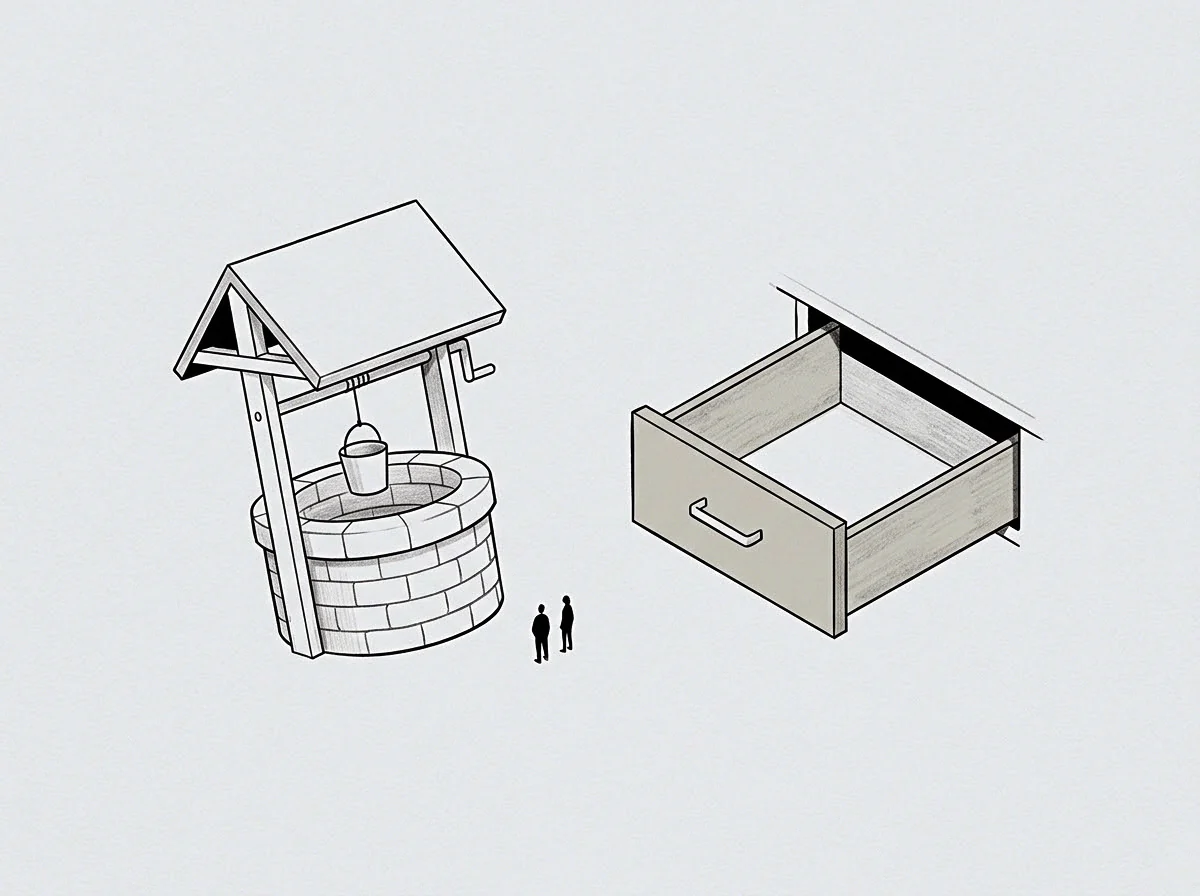
Structural filters manage the arrival rate of external demands to ensure that the internal capacity for work remains stable. An intake barrier acts as a formal interface that screens requests for completeness, priority and relevance before they enter the production queue. This mechanism protects the core team from distractions that do not align with current objectives.
It ceases to function when the barrier is bypassed through direct access to the decision maker.
Filter Strength
The criteria used to evaluate new entries determine the volume of work accepted. A strong intake barrier rejects requests that are poorly defined or low in value, which preserves resources for high-impact activities.
Capacity Protection
Shielding the organization from excessive demand prevents the exhaustion of personnel. By using an intake barrier, a founder ensures that the workload remains within the limits of the team’s available hours and attention. This regulation is necessary to maintain a high standard of quality and to prevent the degradation of performance that follows a sudden surge in tasks.
Input Flow
Controlled entry of data allows for a predictable schedule of execution. The effectiveness of an intake barrier is measured by the reduction in noise and the increase in the percentage of work that results in a successful outcome.