
Codified Decision Thresholds for Sustained Leadership Capacity
Codified decision thresholds protect leadership capacity by converting real-time discretionary approvals into automated, rule-based operational setpoints.

Seat
Inside a founding office at midnight, six distinct operational channels display pending requests while the person in authority evaluates an urgent cap table dispute. Messages arrive continuously from department heads, external advisors, engineering leads, and financial partners. Each sender assumes the person in authority possesses unlimited cognitive headroom to process, evaluate, and decide upon their specific item.
Without an explicit boundary, every incoming request functions as an immediate claim on executive attention.
When an executive position functions without stated limits, incoming operational pressure flows directly to the person occupying the role. The individual becomes the default shock absorber for every organizational friction, ambiguity, and dispute. Control systems research demonstrates that unregulated inputs applied directly to a single processing node produce rapid efficiency losses and elevated error rates.
In human operators, this operational pattern generates sustained physiological elevation, commonly measured through cortisol secretion patterns and heart-rate variability markers. The physical seat holds the load until a structural wall replaces subjective regulation.

The Architecture of Unhedged Governance
Operational load accumulates in centralized executive positions whenever delegation boundaries remain implicit. In early venture stages, direct oversight of multiple functions appears efficient, as direct intervention bypasses formal approval chains. As the organization grows, the volume of decision points scales faster than individual processing capacity.
The person in authority faces an escalating density of state-gated choices, where each selection consumes non-renewable cognitive allocation.
State-gated acts demand active executive evaluation, precise contextual memory, and emotional equilibrium. When incoming load exceeds processing capacity, the operator enters a state of chronic overload. Decisions made under these physiological conditions skew toward immediate relief rather than long-term value preservation.
An unstated capacity cap transfers operational volatility directly to the person holding final approval.
A structural distinction separates executive state from executive mood. State represents the underlying transfer function that dictates how inputs convert into decision outcomes, measurable through operational throughput, latency, and error distribution. Mood represents a non-informative output carrying no structural data about organizational capacity.
Attempting to manage operational volume through emotional control or increased personal exertion fails because physiological capacity operates under fixed physical limits.
The partner expects real-time approval because no explicit boundary was declared when the seat was assigned.

Circuit
Control systems maintain setpoints through feedback loops that adjust throughput based on internal state measurements. When operational systems function without codified rules, the control circuit opens, forcing the human operator to act as a continuous manual regulator. Manual regulation obligates the executive to evaluate every incoming anomaly individually.
This structural pattern guarantees rapid depletion of sustained capacity.
Codified decision rules re-establish a closed feedback loop. By defining explicit threshold boundaries, the executive transfers routine evaluation to automated criteria or autonomous team members. Operational inputs below defined financial, strategic, or temporal thresholds resolve automatically without reaching the executive level.
Only exceptions exceeding established setpoints cross the governance boundary.

Discretionary Interventions Against Deterministic Rules
Executive authority operates through two distinct governing modes within structured organizations. The discretionary mode relies on real-time subjective evaluation of every operational choice, granting maximum short-term flexibility while imposing heavy continuous cognitive load. The deterministic mode utilizes pre-stated rules and codified thresholds that resolve recurring operational scenarios automatically.
The table below summarizes the operational performance of discretionary governance compared to deterministic threshold governance across critical capacity parameters.
| Governing Parameter | Discretionary Model | Codified Threshold Model |
|---|---|---|
| Cognitive Load Allocation | Continuous active processing of routine operational requests | Automated execution with exception-based executive review |
| Organizational Throughput Latency | High latency driven by centralized executive approval queues | Low latency driven by decentralized rule enforcement |
| Systemic Volatility Absorption | Absorbed directly by executive physiological reserve | Absorbed by pre-defined operational buffers and rules |
| Scalability Limit | Constrained by individual executive working memory | Extended through distributed autonomous subsystems |
Transitioning from discretionary oversight to codified rules preserves leadership capacity by reducing the frequency of high-stakes interventions. When operational rules govern routine choices, executive headroom remains available for genuinely novel, complex strategic dilemmas.
Relying on real-time subjective judgment under prolonged physical stress degrades decision precision and exhausts executive reserve capacity.

Threshold
A decision line defines the boundary where an operational input transfers from autonomous subsystems to centralized executive evaluation. Codifying these lines demands explicit parameters regarding financial expenditure, strategic commitment, public messaging, and personnel alterations. Clear parameters transform implicit expectations into visible structural walls.
Unstated expectations create covert operational agreements between executives and their teams. When an executive routinely accepts late-night requests, the team derives that continuous availability represents the baseline standard. This derived availability generates constant operational pings across communication channels.
Establishing explicit availability thresholds breaks this cycle by defining exact operational windows and response latencies.
A stated response latency window converts urgent pings into structured operational batching.
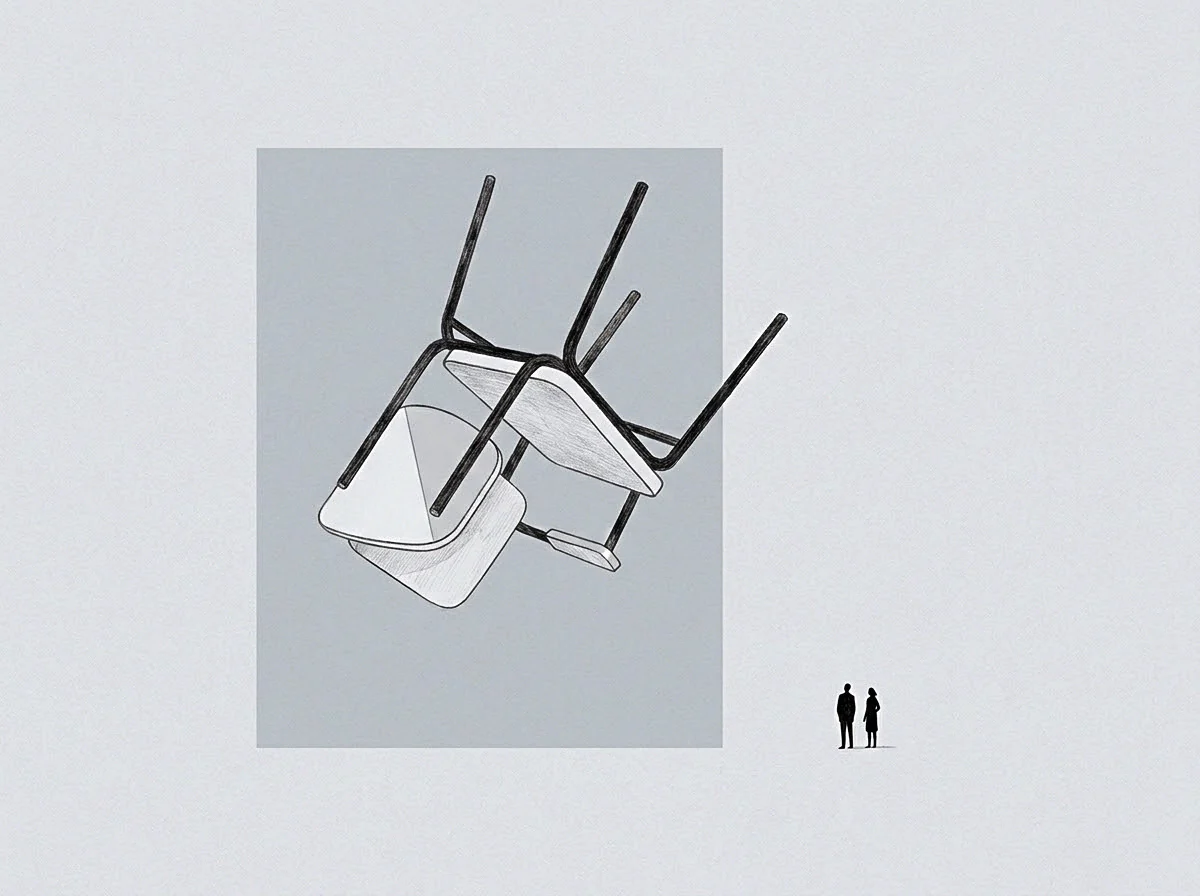
When does an informal agreement collapse into allostatic overload?
Repeated physical stress responses accumulate when subjective availability replaces stated limits. The biological concept of allostatic load describes the cumulative physiological wear and tear on the body resulting from chronic stress exposure. In leadership seats, unhedged availability triggers constant neuroendocrine activation, eroding executive judgment over prolonged horizons.
The transition from manageable pressure to physiological strain occurs through predictable structural failure patterns:
- Allostatic Accumulation occurs when continuous operational pings prevent physiological recovery cycles, elevating baseline cortisol levels throughout off-peak hours.
- Subsystem Drift develops when autonomous team members bypass codified guidelines, re-routing routine exceptions back to executive attention.
- Latent Contract Breakdown surfaces when team members interpret newly stated limits as personal rejection rather than structural operational governance.
When an executive stops responding instantly to non-critical channels during off-peak hours, the system learns to search for alternative solutions within established guidelines. Availability is derived rather than announced. The ping signal decreases in frequency once the channel demonstrates that informal appeals fail to move the pre-stated line.
A hard clause enforcing a forty-eight hour evaluation window changes incoming requests from continuous interruptions into structured operational batches.

Lock
Formal constraints isolate specific operational domains from real-time executive intervention. Once a threshold receives structural codification, changing the rule demands an explicit administrative process rather than an informal executive override. This friction protects the governance architecture from impulse interventions during periods of heightened market anxiety or internal stress.
Establishing operational locks preserves executive energy during prolonged organizational crises. During periods of high uncertainty, executives experience strong emotional pushes to intervene in lower-level operational choices. These interventions undermine team autonomy and exhaust executive reserves.
Codified locks enforce structural discipline, keeping executive attention fixed on primary strategic priorities.
An explicit decision limit holds authority where subjective preference collapses under external pressure.
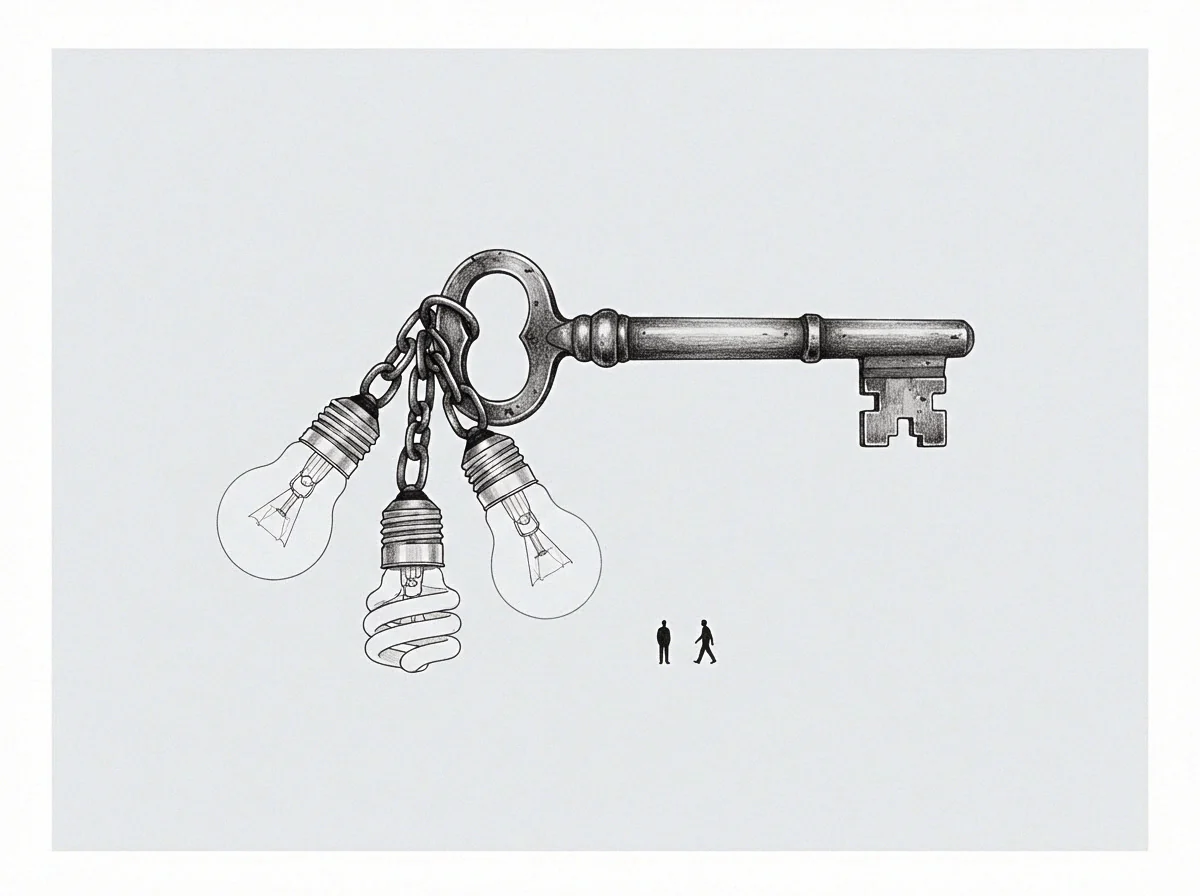
Execution Sequences for Stated Capacity Constraints
Establishing persistent operational stability demands a structured sequence of rule implementations. Implementing these constraints requires moving systematically from internal mapping to public enforcement.
- Audit historic decision logs to identify recurring low-value operational requests reaching the executive level.
- Establish clear financial and operational setpoints that authorize team members to approve expenditures below defined limits.
- Publish explicit latency agreements defining maximum expected response timelines across internal communication channels.
- Enforce strict isolation periods during dedicated working blocks where incoming priority channels remain silenced.
- Review threshold breach incidents monthly to adjust setpoints based on empirical operational performance data.
Following a structured execution sequence prevents governance systems from reverting to discretionary intervention when external volatility spikes.
Whether autonomous subsystems can maintain operational precision when unexpected market volatility breaches pre-assigned financial limits remains an open empirical question.

Scale
Organizational expansion increases the frequency and complexity of inbound decision requests exponentially. Without codified governance thresholds, doubling headcount quadruples the communication paths terminating at the executive seat. This mathematical reality makes discretionary leadership non-viable across multi-year growth cycles.
Sustained leadership capacity relies on building systems that function independently of constant executive presence. By embedding governance thresholds directly into corporate charters, operational handbooks, and financial approval software, the organization builds structural resilience. The system protects its human operators by converting individual willpower into objective systemic constraints.

Longitudinal Stability Across Capacity Shifts
Sustained performance over extended operational periods relies on immutable governance boundaries. While corporate cultures often praise unlimited executive availability, physiological research confirms that long-term strategic clarity demands protected cognitive headroom. Leaders who state terms early protect both personal capacity and organizational equity value.
Incoming priority signals escalate until a physical limit stops the transfer.
The transition to codified leadership thresholds represents a structural evolution from personal governance to institutional architecture. Organizations that complete this transition maintain operational velocity without exhausting their core leadership personnel.
A limit stated once and defended through silence holds position where personal appeals fail.