
Deriving Executive Availability Limits Through Stated Operational Parameters
Stated operational parameters replace personal endurance with unyielding institutional walls, allowing availability limits to be derived from objective rules.
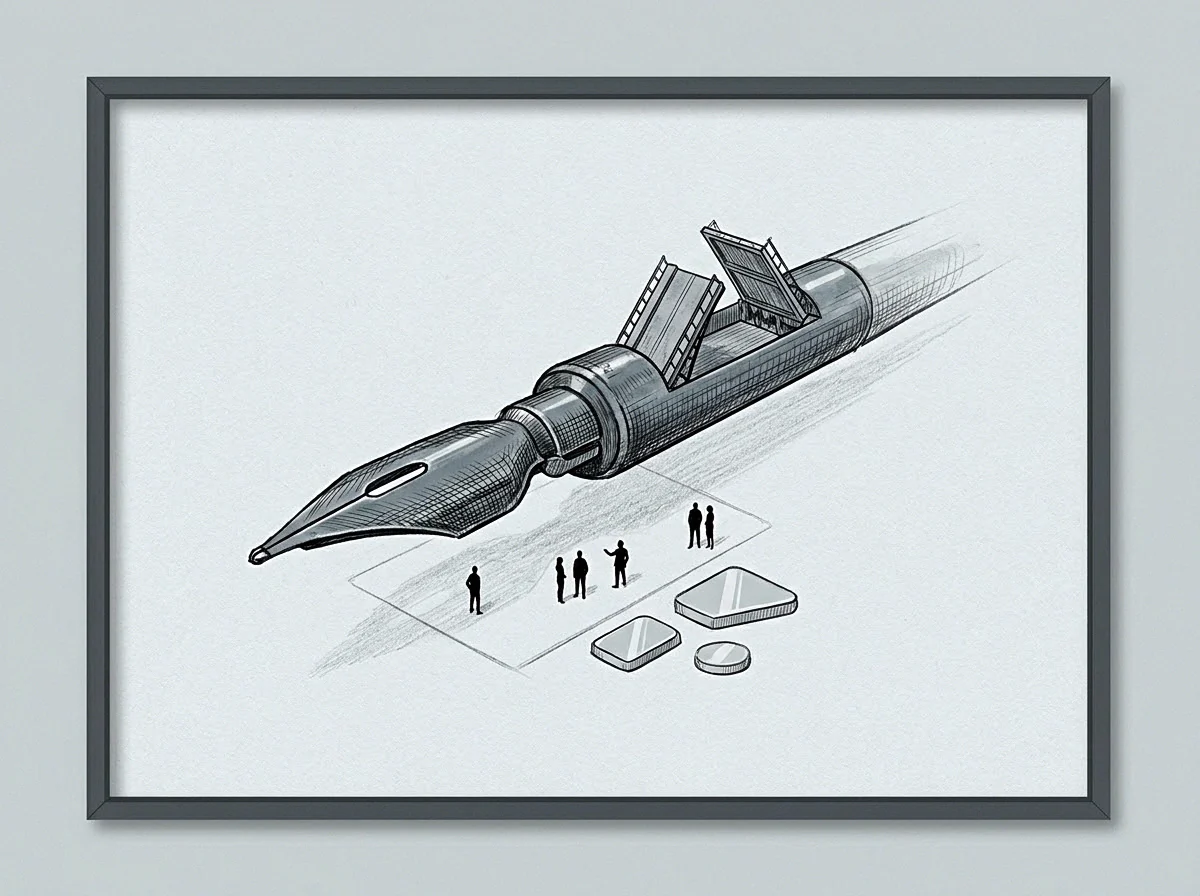
Wall
An executive working past midnight replies to three operational queries within six minutes, confirming an expectation of continuous presence that no employment contract specified. The surrounding organization responds to rapid replies by increasing transmission frequency, sending smaller fragments of work at shorter intervals. When the person in the role absorbs these demands through personal exertion, internal strain accumulates until physical exhaustion forces an abrupt, unplanned halt.

The Push Against Elastic Elasticity
Inbound demands expand until an unyielding obstacle stops them. A biological regulator attempting to manage workflow through personal goodwill absorbs escalating friction from peers and subordinates. The organization interprets private stamina as an infinite reservoir, routing ambiguous tasks to the person who consistently resolves them without delay.
When an operating system detects a yielding boundary, it increases pressure. Demands multiply along pathways that offer minimal friction, concentrating administrative weight upon individuals who decline to define fixed stopping points. A continuous human response invites continuous systemic encroachment, distributing collective anxiety onto a single desk.
A human regulator operating without explicit terms absorbs the collective operational anxiety of the surrounding organization.
The pattern continues until personal exhaustion intervenes. The resulting interruption introduces operational chaos, forcing teams to improvise emergency processes while the exhausted individual recovers. True systemic limits remain invisible until an operational rule makes them explicit.
Replacing Regulator Endurance With Hard Parameters
Operating boundaries convert private endurance into observable, structural facts. A stated parameter functions independently of emotional strain, establishing specific conditions under which work enters an executive queue. Once rules govern access, inbound requests encounter an invariant constraint rather than an individual will.
Teams cease attempting to persuade a human gatekeeper when objective criteria govern workflow. A written standard detailing intake windows, processing latency, and required documentation eliminates relational negotiation. The boundary exists as an institutional mechanism.
Relying on personal stamina instead of defined constraints leads directly to administrative paralysis, widespread organizational resentment, and sudden functional failure.

Seat
Occupying an operational office binds an officer to systemic duties that consume finite cognitive energy each business day. Every executive desk possesses an absolute throughput threshold determined by processing speed, analytical depth, and physiological recovery needs. Stated parameters establish the functional architecture of this office, shielding executive focus from unregulated interruptions.
Allocation of Fixed Processing Windows
Calendars structured around ad hoc availability fracture analytical concentration. Compartmentalizing work into discrete, non-overlapping windows protects continuous attention for high-stakes evaluations. The organization adapts to predictable schedules when those schedules remain stable across quarters.
Predictable availability disciplines upstream preparation. Subordinates structure requests thoroughly when submission deadlines occur at designated times. Loose intake rules generate incomplete submissions, while precise intake parameters demand rigorous staff work prior to executive presentation.
Unscheduled accessibility fragments executive attention and degrades analytical precision across consecutive quarters.
The office maintains authority by honoring its own published schedule. Interruptions outside designated windows receive no evaluation, returning incomplete items to originators for formal submission. Operational stability depends upon this discipline.

Parameter Definitions Across Operational Modes
Different enterprise states demand tailored communication rules. Defining boundaries across routine operations, critical incidents, and strategic planning prevents operational ambiguity from eroding executive performance.
| Operational State | Intake Window | Resolution Protocol | Response Latency |
|---|---|---|---|
| Standard Operations | Synchronous intake limited to two scheduled intervals daily | Asynchronous written memoranda with complete documentation | Twenty-four to forty-eight hours |
| Quarterly Planning | Restricted access during dedicated review blocks | Pre-circulated investment briefs with formal commentary | Five business days following intake closure |
| Operational Emergency | Continuous access granted exclusively to designated incident commanders | Synchronous crisis briefing via direct voice channels | Fifteen to thirty minutes |
Operational stability depends on maintaining these categories during periods of stress. Conflating standard administration with genuine emergencies floods executive attention with minor tasks, degrading institutional reaction speed during authentic crises. The boundary rule specifies that all non-emergency communications arriving outside scheduled windows transfer automatically to the subsequent business cycle without administrative review.

Gauge
Measuring institutional interaction reveals how external teams perceive executive availability. When an executive halts rapid responses to incidental messages, transmission patterns shift across corporate tools. Observers track response delay to calculate accessibility, adapting their operational pace to established latency metrics.

Derivation of Throughput Latency
Internal teams gauge executive capacity through observed behavior rather than policy statements. If an officer articulates a forty-eight-hour response policy while continuing to answer late-night queries within minutes, colleagues prioritize the observed reality over the declared standard. Stated boundaries must match observable delays to achieve functional credibility.
Enforcing a predictable response pause recalibrates organizational expectations. Teams resolve intermediate problems independently when immediate executive intervention ceases. Deliberate latency filters trivial matters from the executive queue, reserving specialized analysis for complex structural decisions.
Observed response latency determines organizational behavior more effectively than published administrative guidelines.
The surrounding system gradually matches its operational tempo to executive response rhythms. Urgent items receive fast routing, while standard queries wait in structured queues.

Signal Attenuation in Secondary Channels
Informal digital channels present severe risks to focused executive work. Instant messaging tools foster conversational urgency that bypasses formal review protocols, encouraging unstructured inquiries. Controlling these pathways requires active attenuation of informal pings.
A founder establishes three primary rules for controlling incoming digital traffic:
- Channel restriction confines formal business approvals to auditable project boards, stripping instant-messaging rooms of decision authority.
- Batch processing aggregates secondary platform notifications into a single daily review interval, preventing intermittent interruptions.
- Silence maintenance leaves non-urgent weekend inquiries unanswered until the subsequent operating week commences, reinforcing cultural boundaries.
Reducing informal chatter elevates formal documentation quality across all departments. How long an executive can maintain strict response intervals during aggressive organizational expansion without alienating critical operational leadership remains an open question.
Circuit
Administrative energy flows through organizational loops, following paths of lowest friction. When an executive installs firm operational boundaries, unresolved friction transfers to adjacent corporate systems. Teams that previously relied on instant managerial intervention adjust their routines or build lateral coordination pathways to absorb operational shocks.

How Do Unanswered Inputs Shift Downstream Load?
Declining an ambiguous request forces upstream stakeholders to refine their core assumptions. A founder who refuses to act as an operational clearinghouse creates temporary localized distress that compels operational units to build self-contained analytical capacity.
Self-sufficiency develops when centralized support becomes scarce. Subordinate leaders exercise delegated authority once immediate appeals to higher rank produce structured deferrals. The downstream system either develops competence or exposes personnel incapable of independent execution.
A refusal to absorb ambiguous operational tasks forces upstream teams to resolve procedural deficiencies.
The resulting friction is functional. Rather than reflecting organizational malfunction, lateral tension signals that peripheral nodes are finally managing tasks originally assigned to their roles. The operational system achieves stability through distributed responsibility.
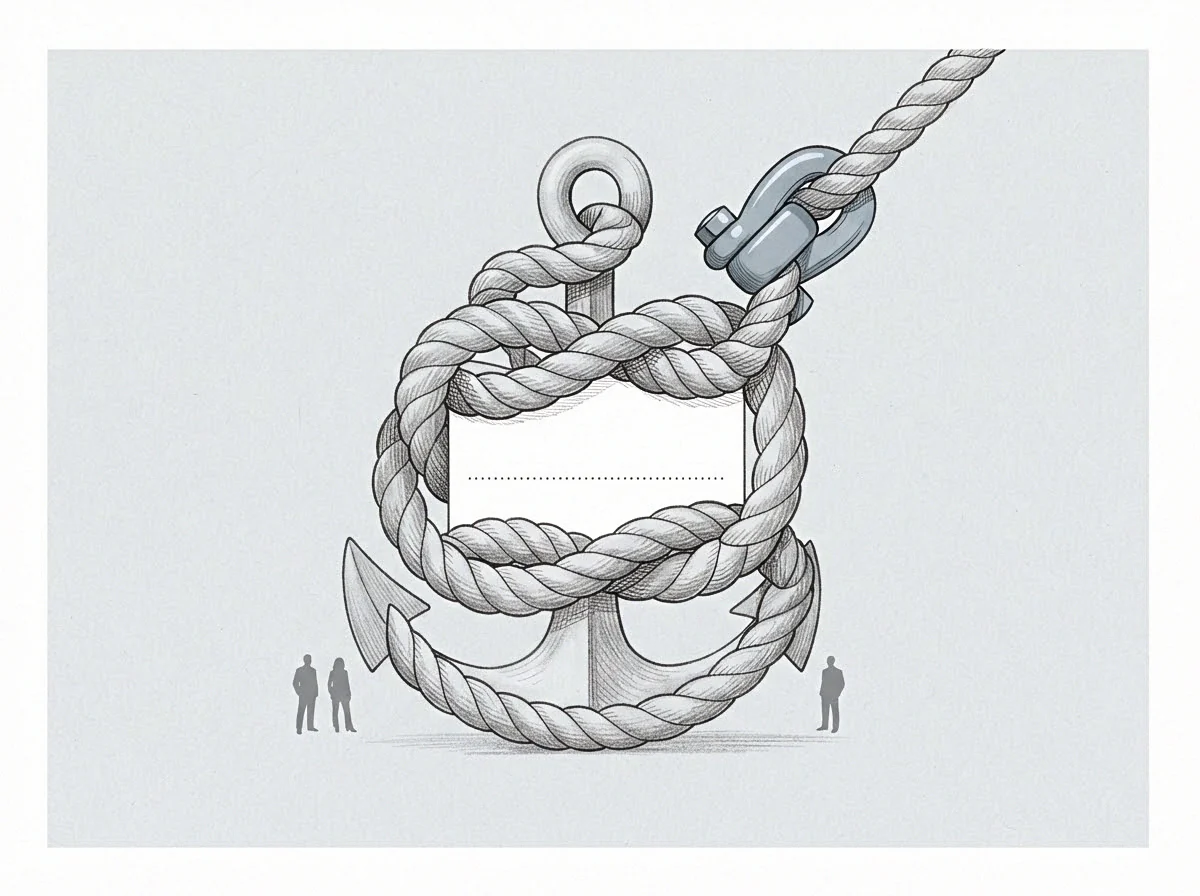
Absorption Failures in Adjacent Systems
Certain departments stumble when executive access tightens. Middle managers accustomed to borrowing executive authority to settle peer disputes face resistance when higher-level escalation paths close. These managers struggle until enterprise leadership clarifies delegated mandates.
Building lateral dispute mechanisms prevents operational bottlenecks. Operating standards clarify dispute resolution protocols among department heads, minimizing vertical appeals.
Without an executive backstop to absorb operational oversights, departmental leaders assume full accountability for project delays, budget variances, and staffing misallocations. When an executive declines to intervene in operational decisions, the department resolves the matter independently.
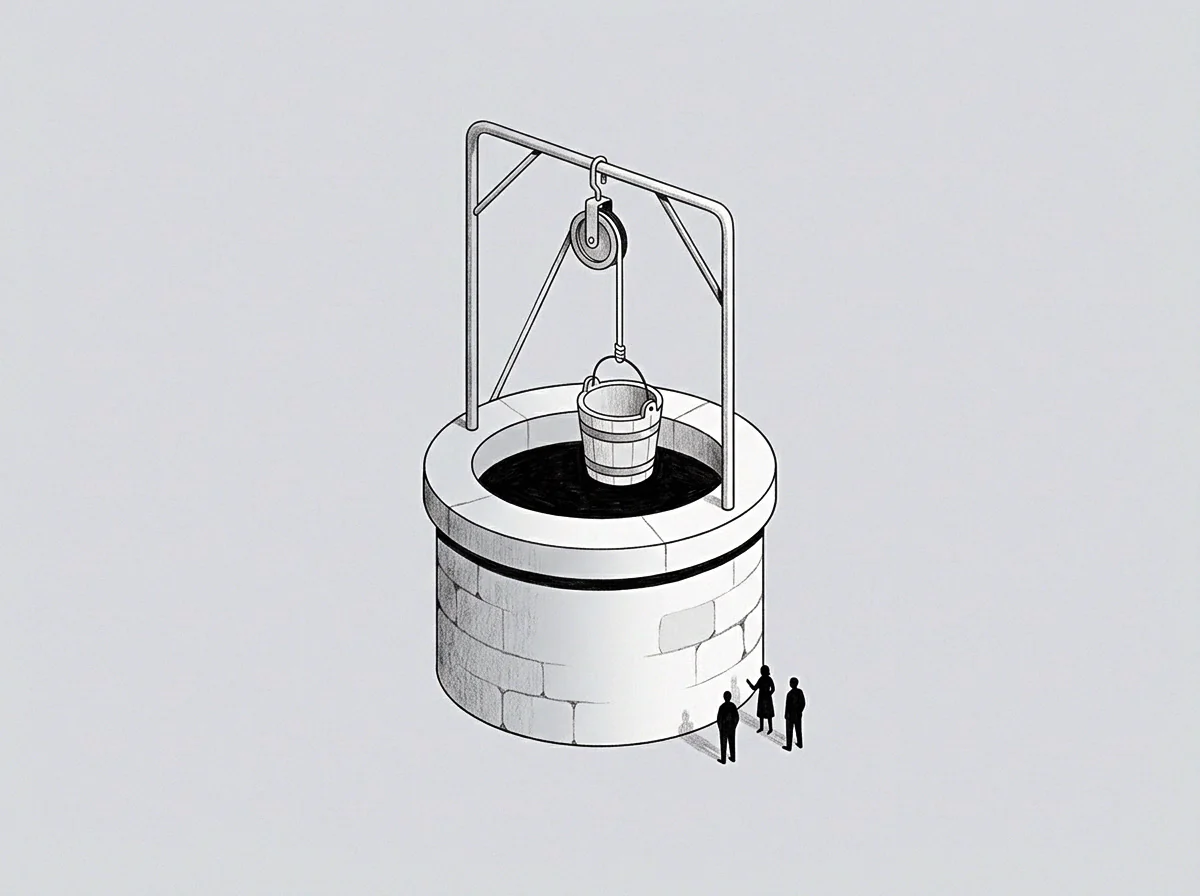
Posture
Maintaining defined limits requires consistent behavior under administrative pressure. A founder projects executive intent through persistent fidelity to operational rules rather than repeated verbal explanations. When an executive maintains firm boundaries across multiple business cycles, the organization accepts these operational parameters as permanent institutional realities.

Derived Availability as Structural Fact
External counterparties derive executive availability from objective boundaries rather than subjective negotiations. Clients, investors, and internal teams adjust their demands when access limitations prove unshakeable. Consistency transforms personal decisions into systemic fixtures.
Reliable limits generate professional predictability. Subordinates plan initiatives with confidence, knowing precisely when and how executive review occurs. Ambiguity dissolves, replaced by transparent operational gates that treat all stakeholders equitably.
Personal discipline establishes corporate standards. An executive who protects analytical focus demonstrates institutional respect for rigorous strategic thought, modeling operational restraint for subsequent generations of corporate leaders.

Settling the Exchange at Stated Terms
Professional longevity depends upon maintaining operational walls against continuous systemic pressure. The cost to executive attention, personal capacity, and strategic coherence from failing to defend these boundaries is immediate. Executives who surrender their calendars to external demands become reactive stewards of collective anxiety.
Stating parameters once and enforcing them through action preserves executive capacity for high-value strategic execution. An operational boundary holds firm only when observed behavior consistently matches stated parameters over time.