
Designing Operational Parameter Controls to Shield Leadership Bandwidth from Flooding
Operational parameter controls shield leadership bandwidth by replacing subjective executive availability with automated batching and strict variance thresholds.

Lock
Inbound volume expands continuously. Unbuffered communication channels invite endless extraction from operational teams seeking rapid resolution. An operator with unhedged availability becomes the default shock absorber for every emerging friction in the enterprise.
The organization routes ambiguity upward because an immediate human response carries zero marginal expense for the sender. This dynamic rapidly degrades the cognitive headroom necessary for strategic direction.

Structural Constraints on Incoming Cognitive Demands
Biological endurance fails when confronted with distributed organizational scale. Operational systems naturally transfer uncertainty toward any available processing node that demonstrates past competence. Without rigid boundary definitions, executive attention fragments across dozens of low-leverage tactical emergencies daily.
Each unscheduled interruption extracts an attentional reset penalty that accumulates across working hours.
A personal boundary yields under persistent operational pressure where a systemic parameter holds firm.
Intervention mechanisms function predictably only when detached from daily emotional negotiation. Setting a hard technical or procedural stop forces the surrounding apparatus to absorb routine friction locally. A concrete constraint alters sender behavior by attaching an operational cost to escalation.
When an executive seat ceases to absorb ambient friction, peripheral teams construct local resolution loops. Ambient noise recedes.
Failure to establish unyielding parameter boundaries results in the progressive erosion of executive decision quality, culminating in organizational paralysis as every minor variance halts pending central review.
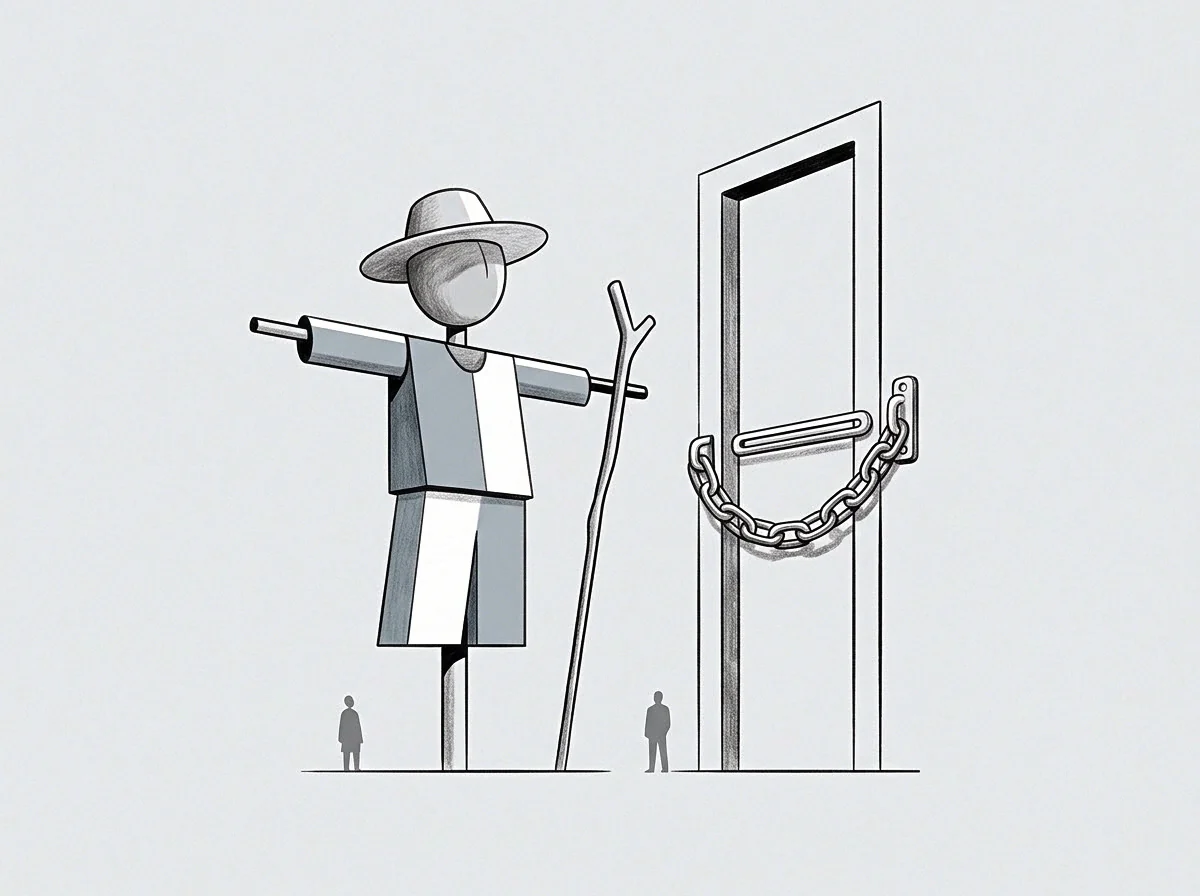
Gauge
Quantifiable thresholds separate routine business noise from genuine systemic failure. Without clear telemetry, an operator evaluates interruptions based on momentary panic rather than strategic severity. Establishing precise escalation criteria creates a protective buffer between incoming demands and core cognitive reserves.
The enterprise requires formal operational gates specifying exact variance bands that permit executive contact.
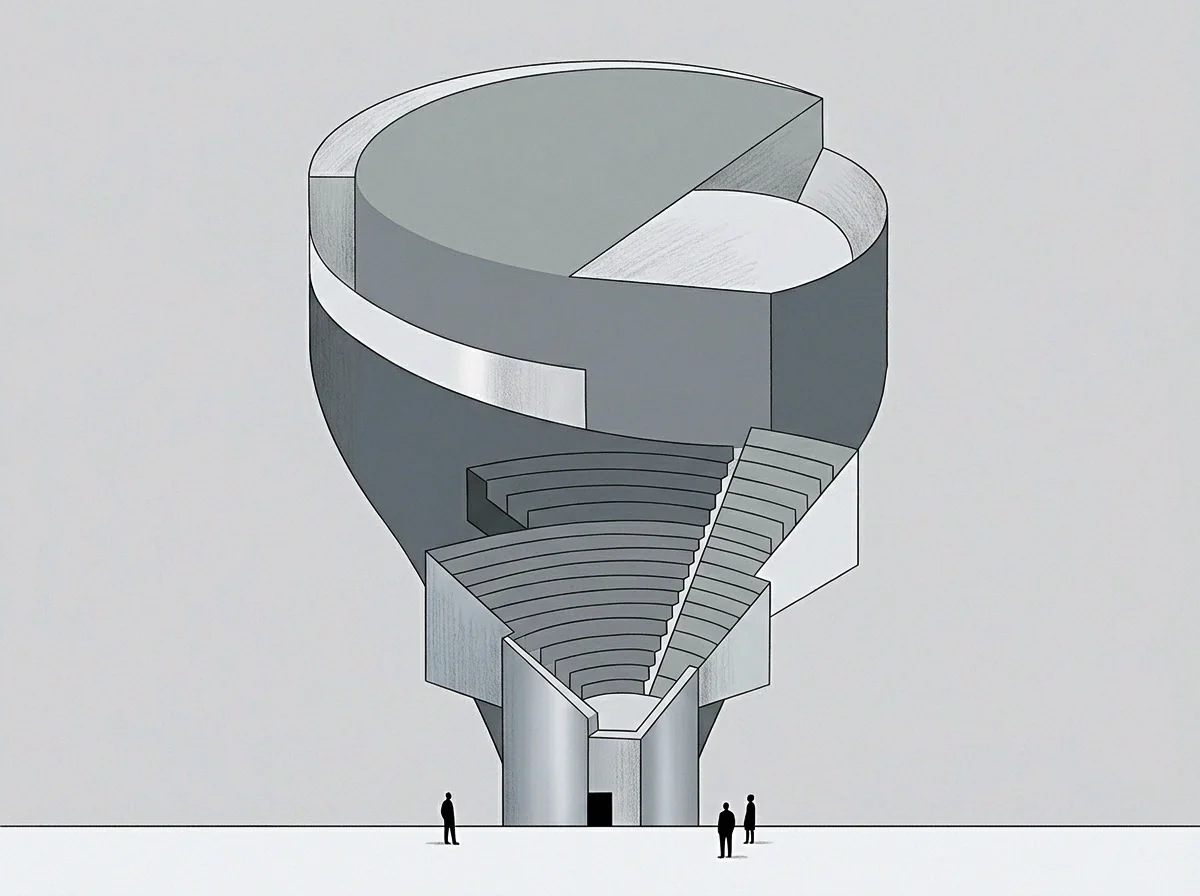
Arbitration Levels for Routine Executive Input
Parameters operate across distinct dimensions of latency, capital commitment, and structural finality. Setting deterministic thresholds removes personal friction from process rejection. Teams self-filter requests when operational parameters specify numerical bounds for unilateral execution.
| Control Class | Operational Trigger | Buffer Mechanism | Latency Guarantee |
|---|---|---|---|
| Batch Queuing | Informational progress reports and administrative updates | Aggregated weekly dossier review | Five business days |
| Variance Boundary | Budgetary or scheduling shifts within predetermined limits | Autonomous unit resolution without escalation | Nil immediate notice |
| Binary Gate | Contractual exposures exceeding fixed financial exposure lines | Structured briefing note with mandatory risk scoring | Twenty-four hours |
Systemic isolation deepens through programmatic filters. The implementation of strict parameter tolerances shifts operational problem-solving down to the functional origin point. Peripheral managers develop operational muscles once escalation paths require formal quantitative justification.
Unstated operational availability invites infinite operational extraction.
Standard protocols define the exact monetary and operational deviations permitted before an item surfaces to executive attention. The formal rule establishes that any financial variance under fifty thousand dollars remains entirely within division authority, freeing leadership schedules from micro-adjustments.
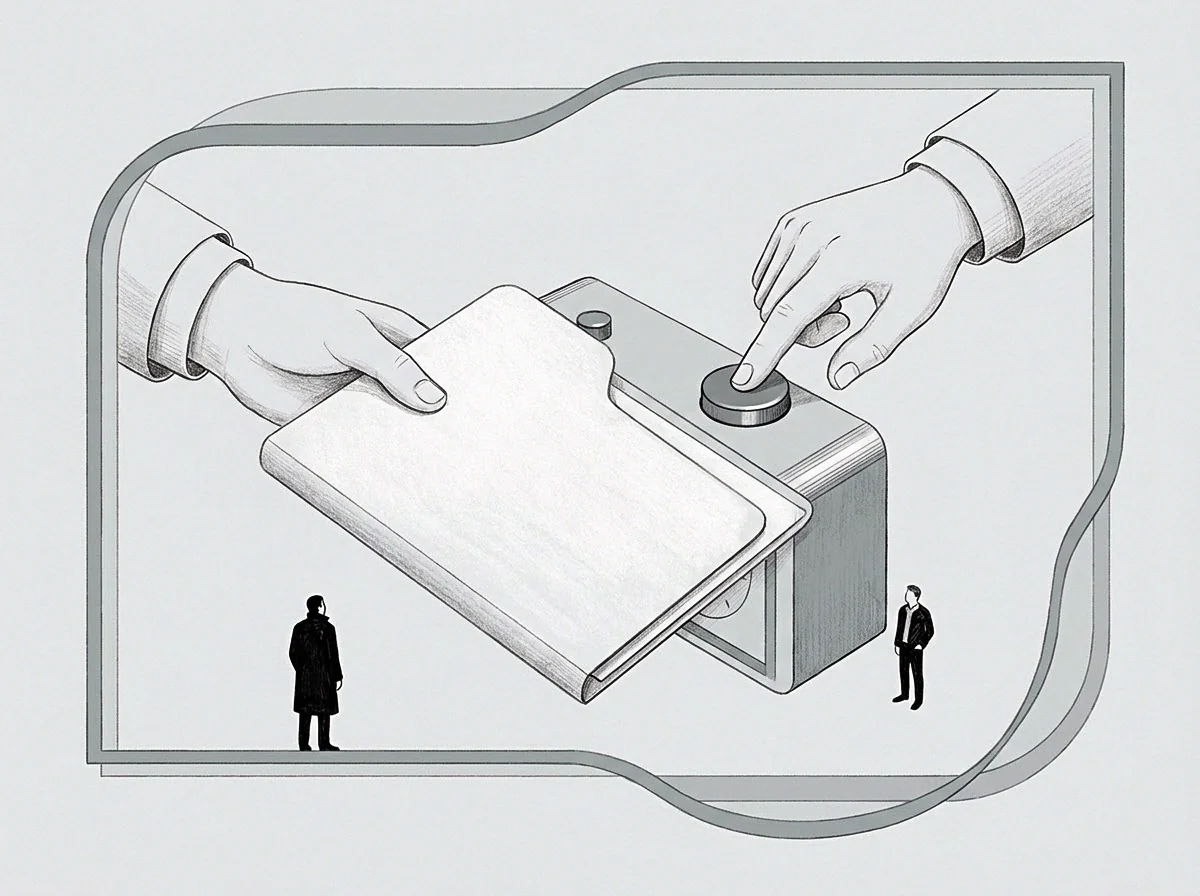
Drift
Teams instinctively test newly introduced administrative barriers to confirm their absolute solidity. Initial resistance takes the shape of urgent exceptions, where senders frame routine requests as existential emergencies to bypass established batching cadences. An operator who yields to these early appeals destroys the credibility of the entire protective control architecture.
System stability depends on the calm, mechanical enforcement of rejection protocols during initial adoption phases.
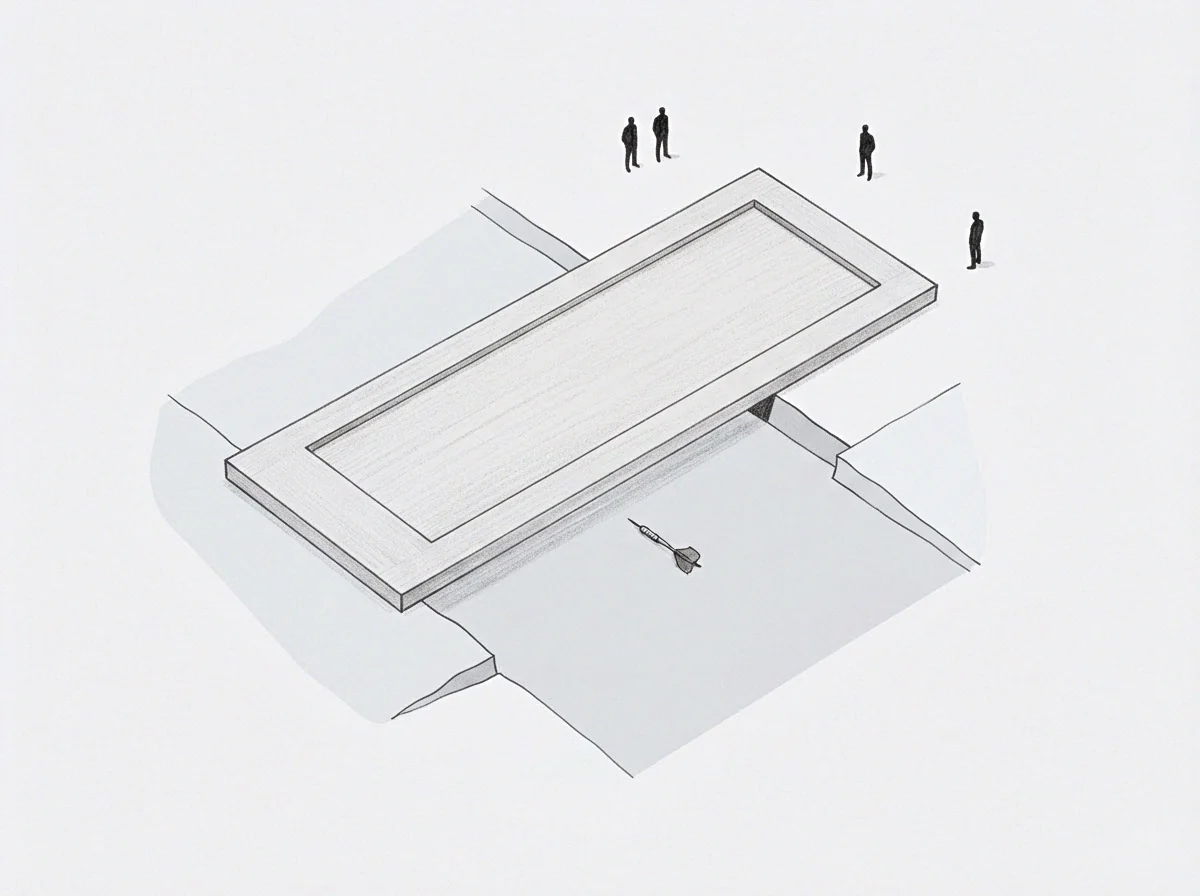
How Teams React to Structured Escalation Gates?
Subordinate units experience friction when forced to hold unresolved issues locally. The tendency to push discomfort back toward leadership manifests in predictable failure patterns:
- Urgency inflation converts standard operational delays into synthetic enterprise crises intended to compel immediate intervention.
- Scope fragmentation divides single large capital requests into several smaller transactions specifically calculated to avoid formal variance thresholds.
- Channel sidestepping routes sensitive requests through casual informal messaging applications when formal ticket systems reject incomplete submissions.
Pressure intensifies before systemic compliance takes root. Team members accustomed to real-time executive triage interpret standard procedural delays as bureaucratic indifference. Over time, predictable procedural resistance converts into operational self-reliance as teams adjust to structural boundaries.
We assumed the prior exception policy applied here because this project involves unexpected regulatory timelines that nobody foresaw.

Balance
Sustained operational shielding preserves the strategic perspective necessary for firm governance. Parameter controls do not isolate leaders from institutional realities; they regulate the flow rate of inputs to match physiological processing capacities. Maintaining this equilibrium demands regular audits of escalation conduits to close newly emerged communicative leaks.
The goal remains the preservation of deliberate, deep-state analytical attention.

Sustaining Structural Distance Over Extended Horizons
Enterprise growth generates persistent entropy that undermines established operational parameters. Newly hired personnel bring uncalibrated communication habits that inadvertently bypass defensive filtering architectures. Periodic recalibration of threshold values keeps control systems aligned with shifting company scale.
Executive bandwidth regenerates only when incoming traffic hits an automated buffer rather than a biological surface.
Operating margin expands as mechanical stops eliminate continuous triage. The leader transitions from an active tactical participant into an unhurried structural observer. True operational insulation exists when daily business execution proceeds smoothly during extended periods of executive communicative silence.
The durability of an executive control parameter matches the consistency with which unvetted escalations meet immediate procedural rejection.