

Designing Structural Throttling Mechanisms in Rapidly Scaling Management Systems
Structural throttling installs explicit operational boundaries, concurrency locks, and temporal buffers to prevent human collapse during rapid organizational expansion.
Structural throttling installs explicit operational boundaries, concurrency locks, and temporal buffers to prevent human collapse during rapid organizational expansion.

State-gated concurrency limits block incoming operational threads at defined physiological capacity thresholds to preserve cognitive headroom.

Solitary leadership forces the brain to budget survival alone, driving sustained neuroendocrine elevation that depletes tissue until systemic buffers exist.

Inverted internal working models force founders under high autonomic load to regulate everyone around them while blocking incoming co-regulation.
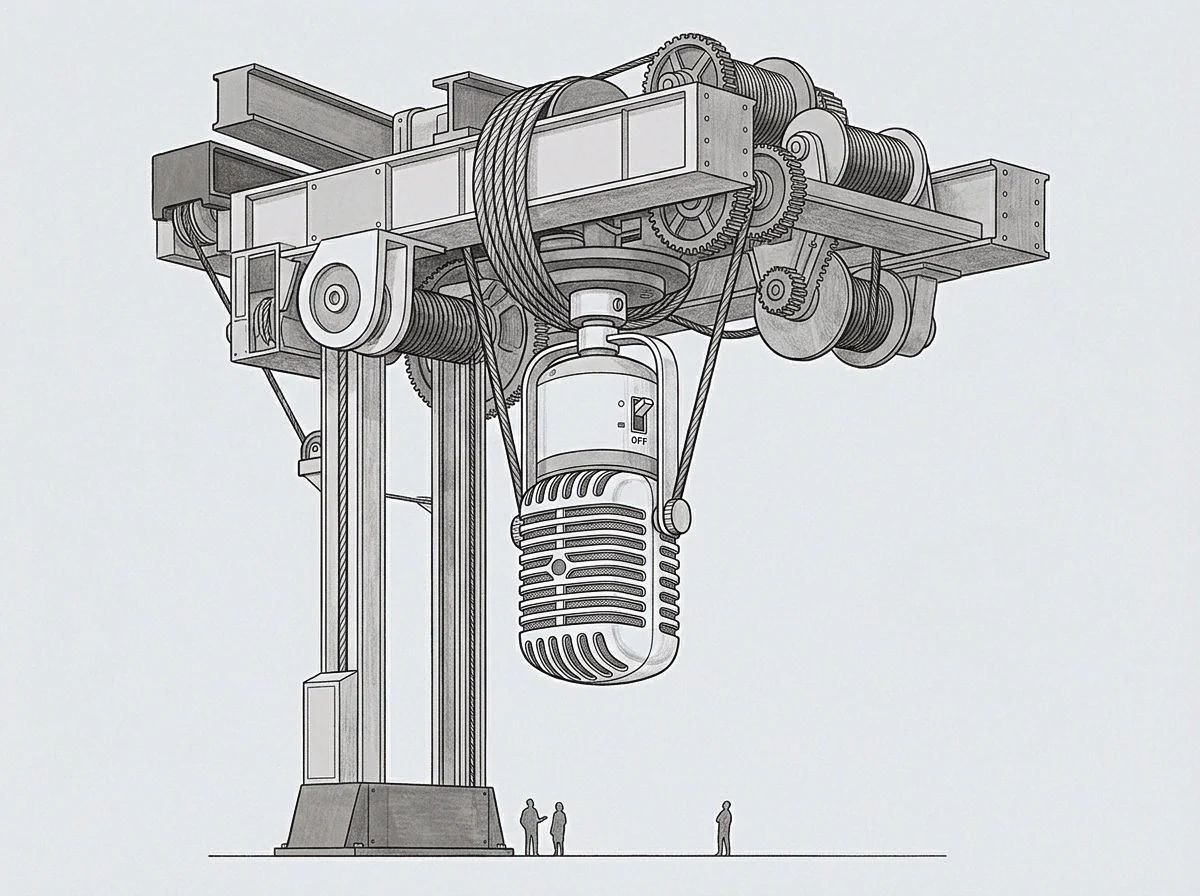
Proximity to a steady partner lowers the metabolic cost of baseline threat regulation by offloading prefrontal expenditure onto a shared physiological baseline.

Stated operational intake limits convert incoming channel load into structured queue latency rather than internal cognitive depletion.

Sustained executive workload reduces prefrontal evidentiary drift rates, expanding choice latency exponentially once working memory exceeds saturation limits.
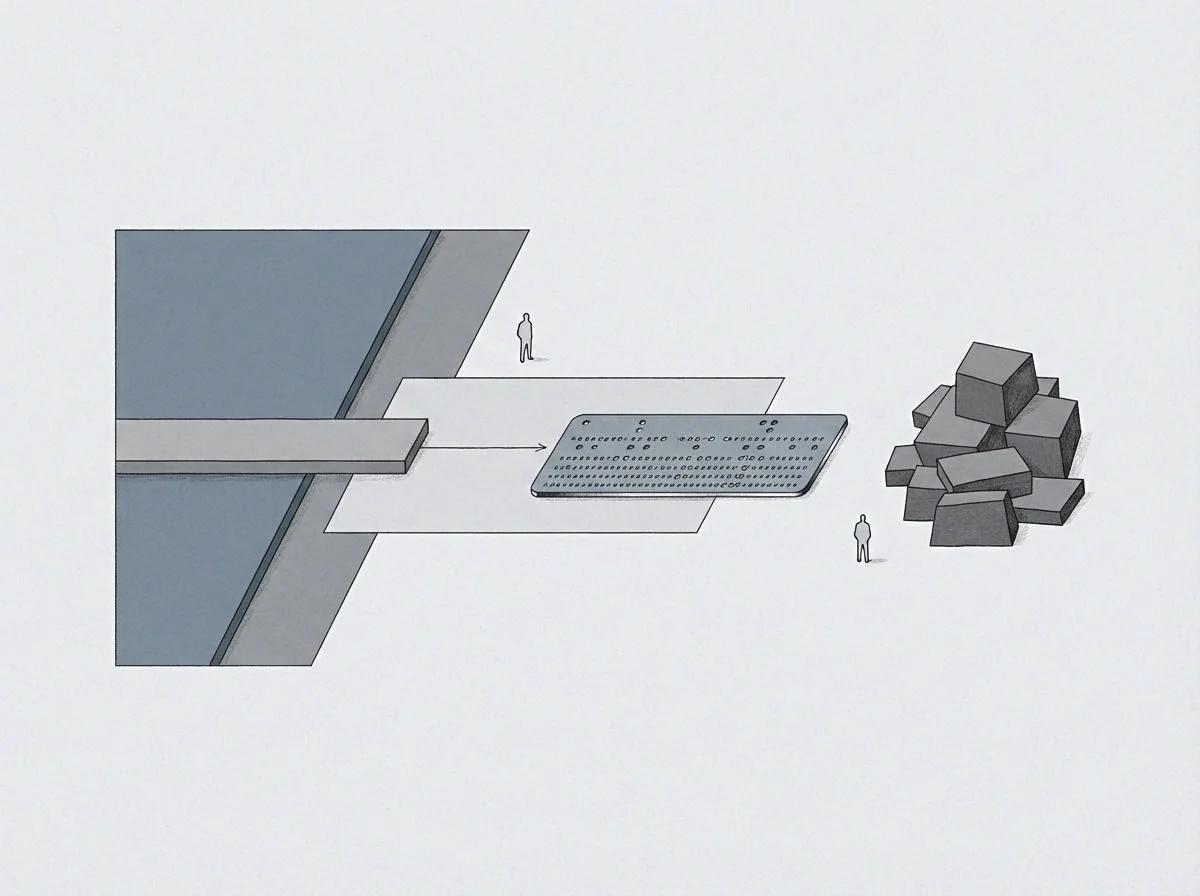
Isolated leaders absorbing peripheral threat without reciprocal regulation incur high metabolic costs that exhaust prefrontal capacity and autonomic headroom.
The terms are written where they belong. Each field holds three desks, and every entry a desk writes raises the terms it uses, each term given a meaning, a mechanism and the places it appears. The record on these pages stays first person and hand made; the fields grow the nomenclature.