
Determining Cost Of Capital Premiums Derived From Long Term Operational Concentration And Regulatory Throttling
Credit underwriting models elevate capital hurdle rates when concentrated operational assets face statutory throughput limits and discretionary regulatory reviews.
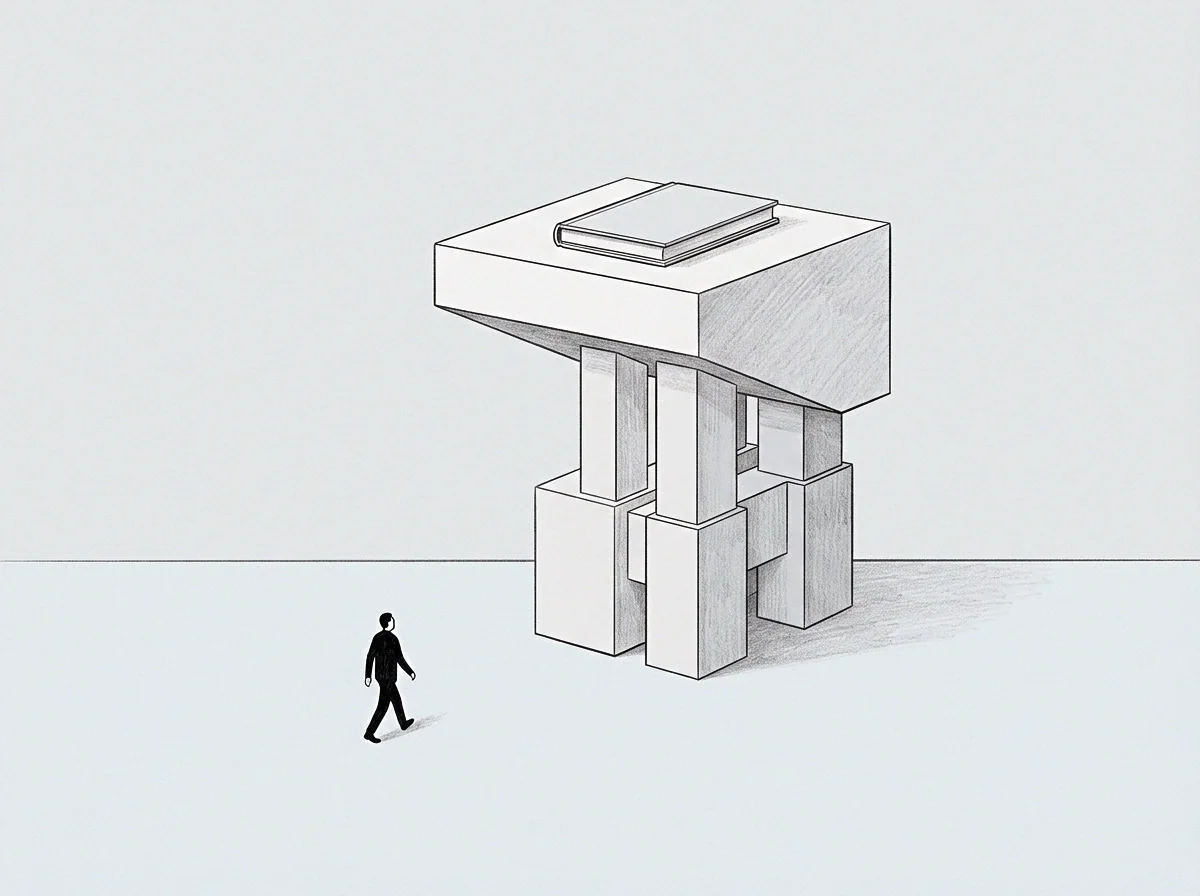
Drag
The term sheet rests on an untreated pine desk at four in the morning, marked in red graphite across the hurdle rate clause. Institutional creditors assign a three-hundred-basis-point addition to debt financing when ninety percent of production runs through a single processing facility subject to municipal throughput permits. Although the facility holds valid operating paperwork, the financing package treats it as an unhedged operational liability.
Lenders calculate that a twenty-day permit suspension eliminates junior debt interest coverage for two consecutive quarters.
Operational concentration creates an asymmetric risk profile that credit committees penalize immediately. When an enterprise relies on a single facility, supply node, or operational pipeline for eighty percent of its revenues, underwriters no longer treat asset book values as dependable collateral. The plant operates at full capacity during stable months, but a single administrative order halts that entire revenue flow.

Production Dependency and Capital Surcharges
Credit analysts price liquidity risks by calculating how quickly secondary operating sites can pick up volume. Where secondary capacity is zero, the calculated debt spread climbs past five hundred basis points over reference rates. Equity investors demand higher initial discount rates to absorb the same operational cliff, tying the valuation of the firm directly to the continuity of its single conduit.
The equity discount rate expands to reflect this binary state.
A creditor marks risk upward when one desk holds every operational key during an audit window.
Equity underwriting models handle continuous operational friction through modest valuation adjustments. Concentration converts continuous friction into binary operational survival: the business either operates unimpeded or shuts down completely under regulatory inspection. Credit models incorporate this vulnerability through steep risk premiums.
Long operating cycles amplify this capital penalty over time. Equipment wear inside a concentrated facility forces maintenance shutdowns that supervisory agencies scrutinize with increasing intensity. When underwriting teams miscalculate that exposure, the firm enters technical default during ordinary municipal compliance reviews while operating cash balances remain nominal.
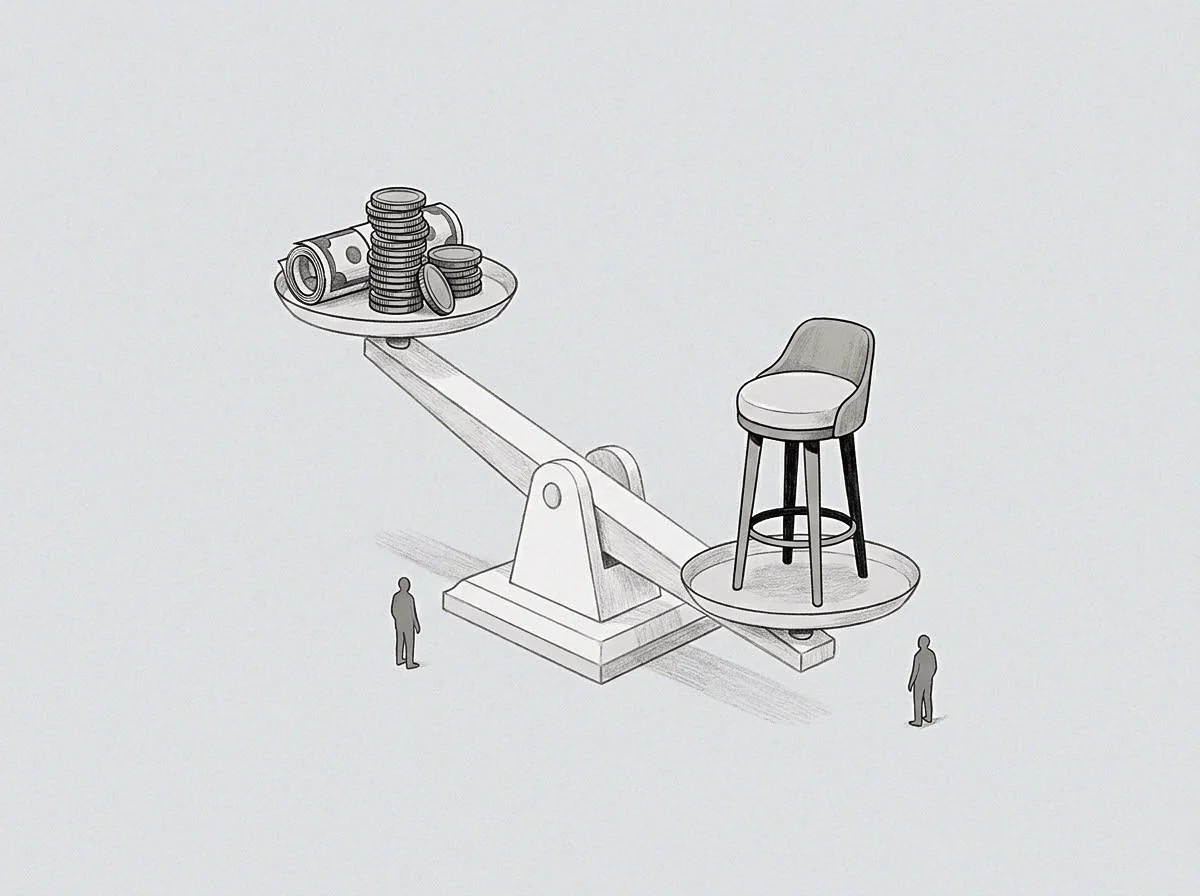
Ceiling
Supervisory agencies set throughput limits through annual quota licenses, environmental discharge caps, and operating schedule restrictions. These structural limits dictate a hard maximum revenue path regardless of market demand. The facility cannot run faster than its permit allows, and creditors recognize this restriction as a fixed boundary on cash flow expansion.
Capital markets discount future earnings when regulatory limits cap peak output during favorable pricing cycles. In high-demand periods, an unrestricted firm scales production volume to build protective cash reserves. A throttled enterprise watches spot market prices surge while plant meters hold output at statutory maximums.
Debt underwriting models capture this dynamic by raising the required debt service coverage ratio from 1.25 to 1.75.

Supervisory Interventions and Cash Flow Limits
Regulatory agencies employ distinct administrative instruments to restrict operating volume across centralized facilities:
- Discharge Volume Caps restrict chemical and thermal outflow rates, forcing production lines into intermittent operational pauses during seasonal river temperature spikes.
- Operating Hour Ordinances confine machinery run-time to daylight windows, eliminating overnight shifts and suppressing asset utilization ratios.
- Permit Review Moratoriums freeze production capacity at historic baseline numbers while municipal authorities debate local utility allocations.
These administrative measures transform fixed plant investments into constrained output generators. The physical machinery possesses forty percent more processing capacity than supervisory licenses permit the operator to run. Capital tied up in unutilized machinery still incurs depreciation and interest expense, and the cost of capital premium increases because idle capital assets generate zero marginal return under statutory limits.
When supervisory bodies throttle volume allowances, capital providers treat unutilized equipment as stranded debt collateral.
The relationship between statutory volume limits and capital costs rests on historical default probabilities observed across single-site pipeline operators. When municipal review schedules extend beyond statutory deadlines, refinancing packages demand an extra two percent coupon yield. That premium shifts downward if an operator proves dual-jurisdiction operational compliance across separate facilities, whereas a project that depends on supervisory goodwill absorbs debt pricing that exceeds its asset returns.
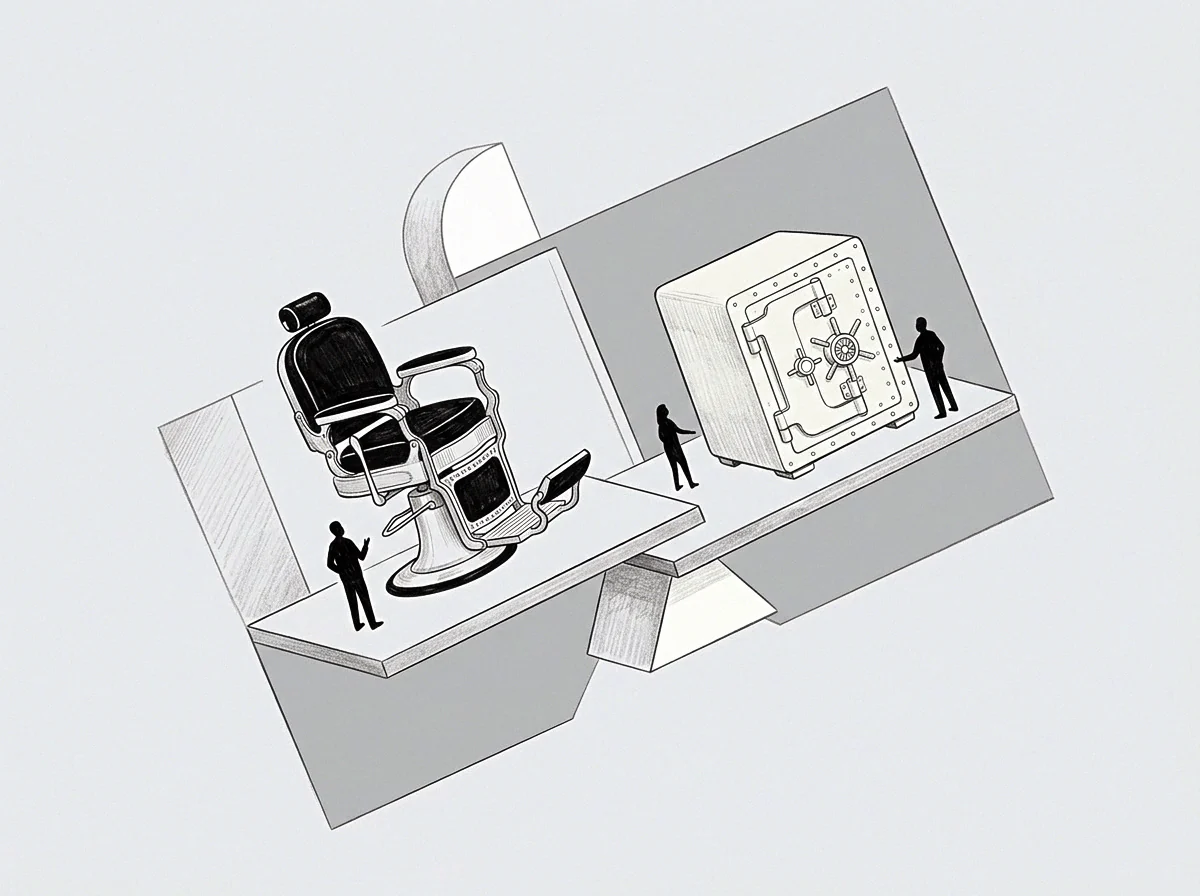
Shelf
Storage facilities and inventory buffers provide temporary protection against administrative production pauses. An operator building substantial intermediate product reserves creates an operational shock absorber between production line permits and market delivery contracts. Carrying that physical reserve requires dedicated working capital financing, incurring balance sheet carrying charges simply to preserve an operational shield against supervisory delays.
Does Operational Concentration Shift Risk to Junior Tranches?
Mezzanine lenders absorb the initial valuation markdown when supervisory inspectors issue stop-work citations against a centralized processing node. Senior lenders hold first liens on physical machinery and land, while subordinated creditors hold claims on operating cash flow streams that evaporate during regulatory shutdowns. Consequently, subordinated debt tranches adjust their required internal rates of return upward by four hundred to six hundred basis points.
Industrial supply systems across northern ports maintain cold storage buildings precisely to endure municipal terminal inspections. Dock workers clear inventory while administrative clerks dispute customs classifications over tea. That physical buffer preserves customer deliveries while corporate treasury teams absorb warehouse financing expense, a cost structure that higher capital expenses reflect.
The sequence of financial deterioration follows an orderly mechanical path during prolonged operational reviews:
- Operating revenue streams halt while plant administrative overhead remains constant.
- Working capital facilities draw down to support fixed debt service payments.
- Covenant compliance thresholds breach at the conclusion of the trailing twelve-month calculation cycle.
- Subordinated debt holders demand equity dilution warrants before consenting to covenant waivers.
Current empirical literature leaves unresolved whether working capital inventory cushions actually offset single-site operational concentration risk in private market valuations. Market practitioners assume inventory bridges the regulatory gap, but severe administrative disputes can lead agencies to freeze physical asset movement out of the bonded warehouse entirely, negating the reserve buffer. Prudent financial officers model working capital buffers as delayed illiquidity rather than permanent solvency protection.
The sixty-day throughput cure clause resets debt service coverage ratios to baseline once an alternate transport line receives regional inspection clearance.

Wedge
The valuation gap between diversified operators and concentrated operators widens as regulatory compliance burdens expand. Investors calculate an enterprise wedge representing the combined capital surcharge from asset concentration and regulatory throttling. This wedge depresses net present value estimates during asset transactions and project debt syndication.
| Operating Arrangement | Supervisory Restriction | Unlevered Cost of Capital | Spread Addition |
|---|---|---|---|
| Single Facility Hub | Discretionary Annual Permit | 12.4% | 425 bps |
| Dual Facility Network | Discretionary Annual Permit | 9.8% | 165 bps |
| Single Facility Hub | Statutory Multi-Year Rule | 10.6% | 250 bps |
| Distributed Network | Statutory Multi-Year Rule | 8.2% | 0 bps |
The spread between concentrated single-site operations and distributed multi-site networks reaches 425 basis points under discretionary supervisory regimes. When a regulatory body exercises unilateral discretion over annual operating renewals, capital markets treat the single-site asset as a high-yield project credit. The distributed operator absorbs regulatory inquiries in one district while maintaining full cash flow production across alternate plants.
A mandatory compliance escrow increases the effective equity discount rate by locking operating liquidity outside debt coverage calculations.
Asset concentration forces operational leaders into continuous regulatory negotiations. The firm commits executive hours, engineering resources, and legal retainers toward securing predictable permit cycles. As the supervisory team pushes for additional environmental mitigation spending, the operator meets an unyielding statutory limit while lenders watch the dispute develop from debt committee rooms.
The capital stays parked until the licensing authority signs off on volume clearance.

Toll
Carrying structural risk across multi-year financing arrangements imposes continuous balance sheet frictions that compound during macroeconomic downturns. An enterprise burdened by concentrated operations and regulatory constraints pays higher commitment fees on revolving credit lines. Banks demand restrictive debt covenants that accelerate debt amortization upon any administrative citation, translating directly into reduced free cash flow conversion.
Refinancing windows reveal the full financial weight of this structural penalty. A company seeking debt replacement during a period of rising interest rates finds credit syndicates unwilling to roll over notes without substantial equity injections. Creditors demand cash equity cures or sovereign loan guarantees before underwriting new five-year maturities, forcing the enterprise to allocate operating income to debt reduction rather than productive capacity renewal.

Balance Sheet Defensibility Against Agency Intervention
Corporate durability requires structural insulation against single-point operational interruptions. Operating leaders mitigate regulatory throttling by establishing formal dual-sourcing production partnerships and contractual overflow agreements with regional competitors. These arrangements reduce the effective asset concentration percentage below credit rating penalty thresholds, and underwriters reward these diversified operational pathways with narrower credit default spreads.
This credit spread reduction rests on underwriting default data from regional infrastructure bonds across three economic cycles. If future legal rulings strip regulatory bodies of discretionary permitting powers, the modeled credit spread premium shrinks by half. Until administrative tribunals establish firm limits on supervisory review timelines, institutional underwriters retain elevated risk premiums across concentrated processing operations.
Single conduits under supervisory review transfer solvency risk directly into lender discount schedules.
Whether regulatory agencies deliberately pace inspection timetables to suppress capital flow remains an open empirical problem across regional infrastructure markets.