
Establishing Capacity Setpoints For High Volume Operational Intake Systems
Intake setpoints mechanically restrict incoming operational payload rates to match downstream processing velocity, shedding overflow to protect system stability.
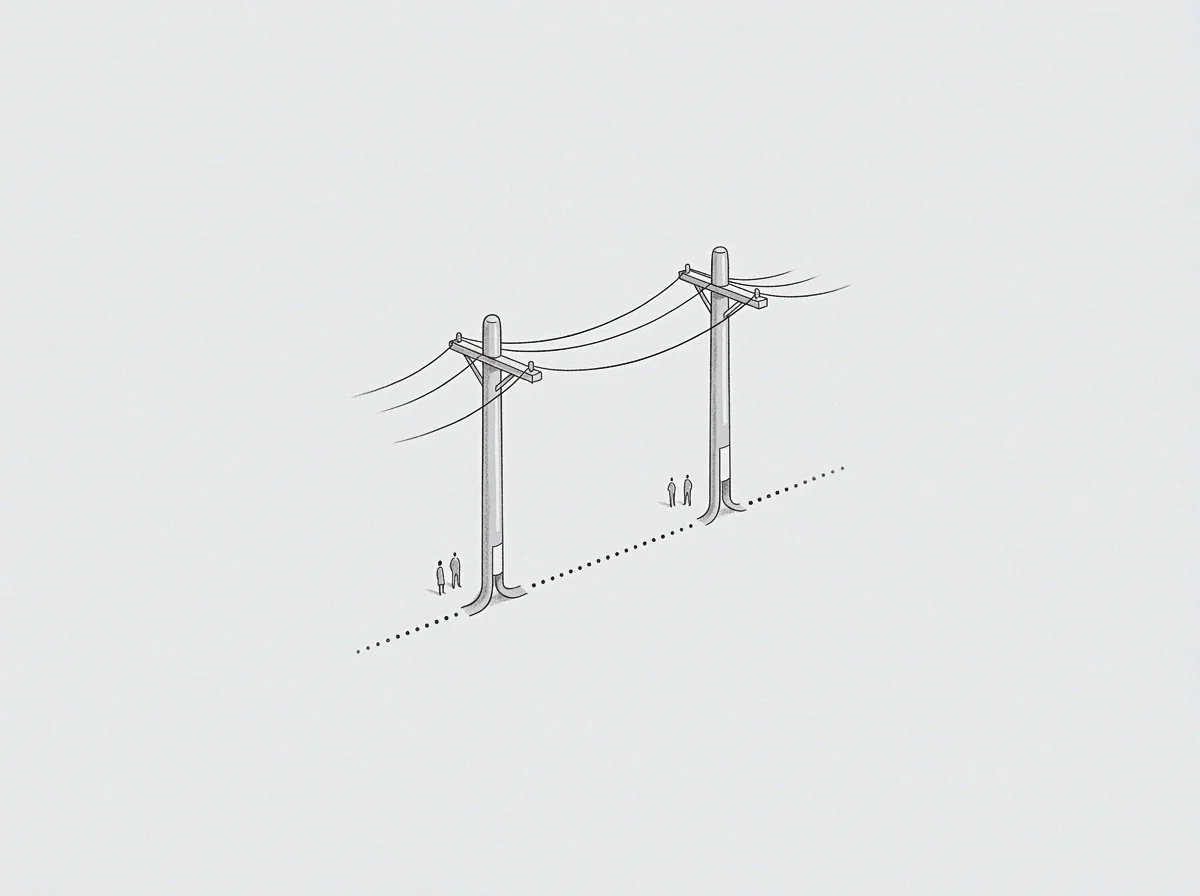
Bore

Intake Aperture and Upstream Volume Pressures
Incoming operational volume behaves like fluid forced through a conduit under variable head pressure. Intake queues buckle when the operational pipeline accepts work without an explicit intake setpoint. The intake setpoint defines the exact volume rate the processing team commits to process within an operational window, fixed to physical staffing and compute units.
Intake channels without a mechanical cutoff collect work indiscriminately, creating an illusion of capacity while true processing latency compounds. Upstream senders observe an open channel, interpret silence as acceptance, and deliver additional requests into the intake funnel.
Intake systems require fixed geometric setpoints rather than elastic targets. A setpoint governs throughput based on measured downstream completion velocity. When arrival velocity exceeds processing velocity, queues lengthen, queue dwell time increases, and cognitive context degrades before review begins.
Teams that expand pipeline volume to accommodate upstream requests absorb severe operational drag. Schedulers assign work based on receipt dates rather than operational bandwidth. The intake funnel chokes downstream execution lanes.
A conduit sized without reference to drain velocity fills until the walls deform.
A high volume operational intake system experiences three operational intake zones across normal intake cycles:
- Steady state intake volume sits comfortably below seventy percent of demonstrated processing output to keep queues moving without delay.
- Elevated queue volume occupies the band between seventy and ninety percent where arrival bursts consume reserve operational buffers.
- Intake saturation point occurs above ninety percent where queue dwell times escalate exponentially and manual triage fails.
Volume pressures originate from external clients, internal operations, and automated ticket generation systems. Automated systems push batches without consideration of human capacity downhole. Senders do not observe internal backlog depth without explicit programmatic signals.
Schedulers manage volume by setting strict intake limits at the outer interface. The outer interface absorbs the initial request weight before internal units expend energy. When the intake boundary rejects an oversized submission, the sender retains custody of the unassigned work.
Volume limits establish the rate at which requests pass into active handling states. An intake system functioning without limits forces downstream teams to buffer work informally in private inboxes, local spreadsheets, and auxiliary boards. These shadow queues hide true operational backlog from executive view.
Unseen work decays silently. True intake velocity matches downstream exit velocity over any extended duration.
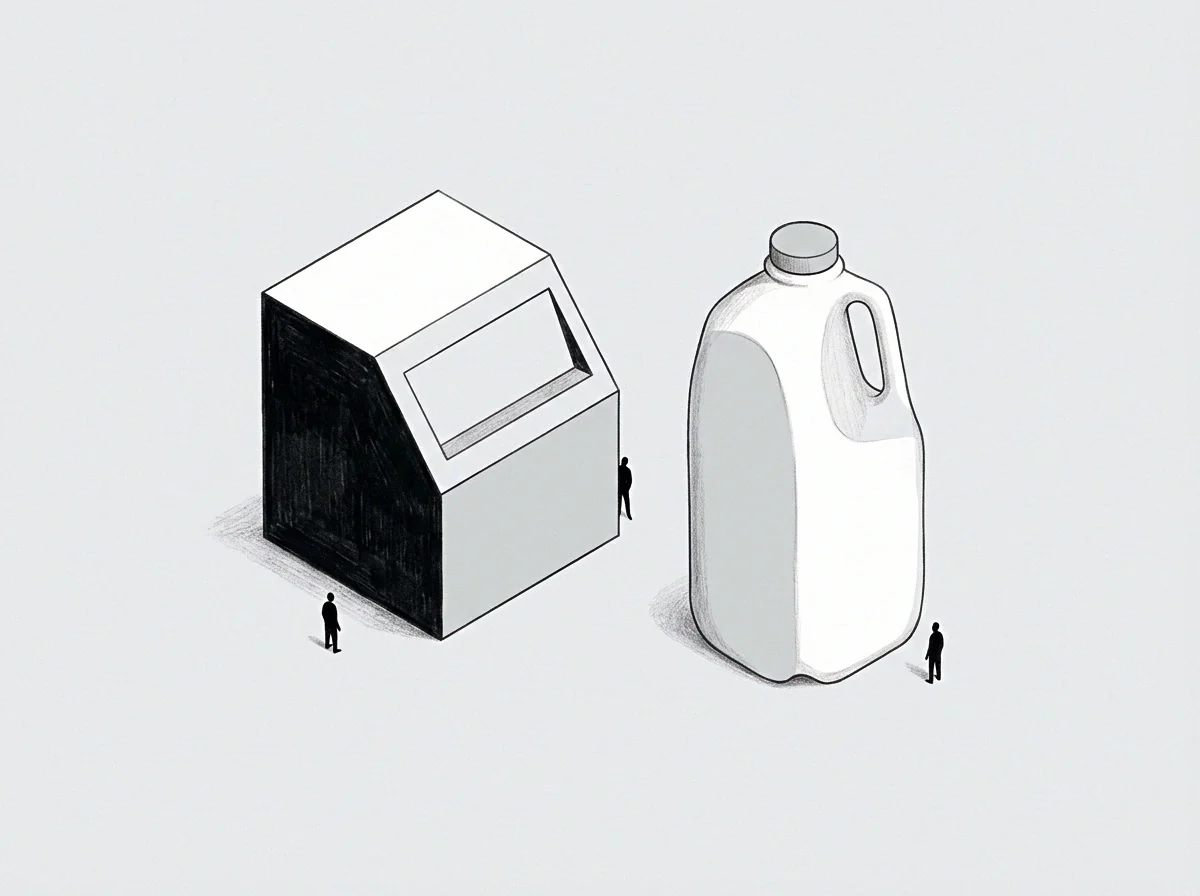
Weir

Backpressure Mechanics and Overflow Shedding
Reservoirs employ concrete spillways to release water before hydrostatic pressure compromises the surrounding dam wall. Operational intake systems demand an identical physical mechanism to bleed excess volume before worker fatigue forces catastrophic operational collapse. Backpressure mechanics reject or divert incoming volume when the system hits its capacity setpoint.
Operators state the intake ceiling openly, establishing a mechanical threshold where downstream pipelines shut off ingestion.
Does Latency Accumulation Degrade System Stability?
Latency expands while pending transactions wait inside an unregulated ingestion buffer. Each unreviewed request incurs continuous coordination expense through customer inquiries, status updates, and priority escalations. Queues that exceed four hours of intake reserve convert operational staff into full-time queue managers.
Processing speed slows to an absolute halt under the sheer administrative weight of status verification. The system stops producing meaningful throughput.
A load-shedding circuit that triggers at the intake threshold preserves downstream execution integrity.
Operational intake architectures implement precise diversion protocols across elevated volume events:
- Proportional admission throttling curtails lower tier request acceptance to preserve pipeline headroom for contractual obligations.
- Mechanical queue shedding drops non-critical incoming items once the maximum backlog boundary is breached.
- Asynchronous ingestion parking routes overflow traffic into cold storage repositories without activating downstream worker alerts.
The system operator monitors intake telemetry to trigger backpressure controls automatically. Human intervention proves too slow during sudden incoming volume spikes. When ticket queues expand by fifty percent inside fifteen minutes, automation dampens the intake valve.
Automated intake throttles prevent manual review personnel from absorbing unmanageable context switching costs. The incoming push meets a rigid wall rather than human accommodation.
Backpressure preserves downstream processing units by making ingestion limits visible to sending teams. An unyielding refusal to accept additional items forces upstream sources to moderate their generation cadence. Senders hold the items in local queues until the receiving pipeline broadcasts clear availability signals.
Upstream senders absorb the operational cost of managing their own volume excesses. Failure to shed surplus intake yields systemic paralysis, operational backlog rot, and complete departure of skilled processing personnel.

Toll
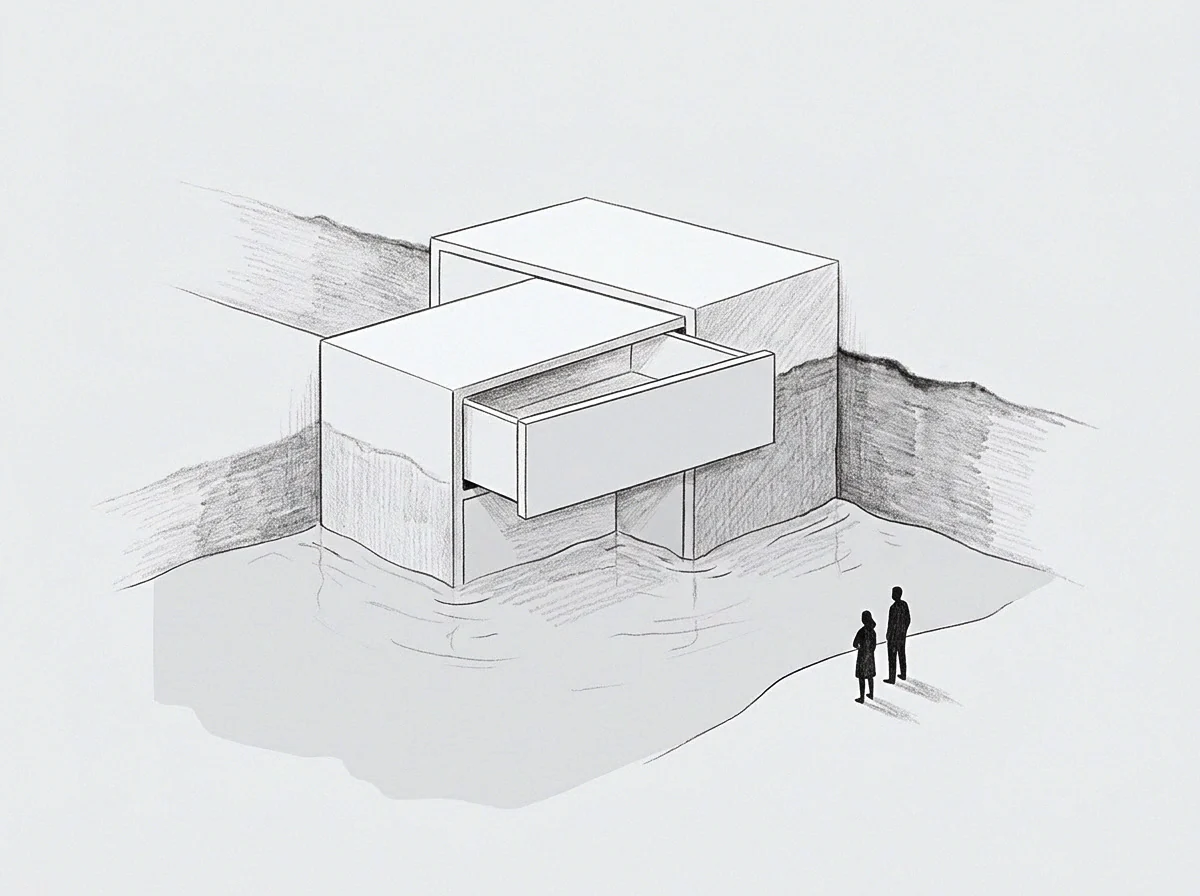
Structural Allocation Across Processing Regimes
Admitting an operational payload carries a non-negotiable cost in focus, tooling, and labor hours. Operators assess intake payloads using structured admission criteria before permitting transition to active execution pipelines. Intake systems that fail to levy an operational toll at ingestion allow low-value, malformed, or premature tasks to consume elite engineering and operational labor.
Capacity setpoints require active enforcement through systematic operational gates.
| Intake Mode | Ingestion Boundary | Queue Dwell Time | System Stability |
|---|---|---|---|
| Uncapped Intake | Passive receiver without validation filters | Extensive and unpredictable delay | Fragile under volume bursts |
| Dynamic Concurrency Throttling | Rate limits linked to worker telemetry | Controlled within service levels | Resilient with self-correcting intake |
| Gated Batch Ingestion | Scheduled release windows with strict payload checks | Banded within predictable intervals | Rigid and immune to sudden influx |
The selection of an intake regime dictates how operational teams spend their daily attention. Uncapped models destroy operational focus by treating every incoming ping as an immediate assignment. Dynamic concurrency throttling monitors queue depths, pausing ingestion whenever active work units surpass optimal handling limits.
Gated batch architectures process intakes at set times, allowing uninterrupted execution blocks during down-cycle hours. Predictable cadence protects downstream operators from erratic disruption.
Every intake system demands a clear currency of admission. High volume intake pathways implement structured payload validation checks at the entry gate. Requests lacking verified inputs, complete documentation, or signed authorizations get turned away at the threshold.
This filter ensures that incoming work possesses genuine execution readiness before consuming downstream capacity. Operational bandwidth remains reserved for work ready for immediate processing.
Intake gates verify work readiness before downstream staff spend an hour attempting to decipher missing fields.
Upstream senders adjust their habits once the intake filter systematically rejects half-formed submissions. When a submitting division learns that incomplete requests bounce instantly without human intervention, submission quality rises across all categories. The intake filter eliminates conversational negotiation between submitters and operators.
The system accepts compliant work and repels incomplete submissions.
Processing units function at peak performance when operational inputs arrive clean, bounded, and paced to measured capacity. Intake setpoints establish the line where operational teams refuse to absorb unstructured upstream turmoil. Senders pay the friction cost of preparation before tasks enter the processing core.
Upstream submitters state that processing was simpler when the pipeline accepted anything they sent.
Term

Stated Thresholds and Availability Derivation
Capacity limits succeed when stated as non-negotiable operating terms rather than interpersonal requests for relief. A operator declaring personal exhaustion receives brief sympathy followed by identical incoming task volume. A limit expressed as an objective capacity setpoint acts as a structural wall.
The team states the processing limit once, anchors the number to demonstrable throughput telemetry, and allows operational availability to be derived directly from system state.
Availability is derived from the delta between current operational load and the hard intake ceiling. When active tickets reach the setpoint ceiling, incoming availability drops to zero. The intake interface goes silent, queue counters freeze, and submission portals switch to deferred collection status.
External parties read this silence as an immutable condition of the operating environment. They do not interpret the pause as personal hostility or negligence.
A stated capacity limit functions as a wall only when the operator lets the queue stop without apology.
Holding the setpoint requires emotional detachment from the urgency broadcast by upstream submitters. Urgent escalations represent an upstream attempt to transfer planning deficiencies into downstream operational crises. When the intake system holds its line, submitters seek other avenues or reschedule their timelines.
The operator protects the team by remaining entirely behind the stated operating rule. The intake rule governs ticket movement, task progression, and resource allocation.
Operational teams flourish under explicit intake governance. Workers experience predictable work queues, clear completion criteria, and protection from unmitigated task switching. Executive leadership gains accurate visibility into true organizational bottlenecks, discovering where demand exceeds institutional capacity.
Intake setpoints transform hidden backlog chaos into legible operational data.
A stated service clause specifying that tasks submitted after the daily setpoint roll automatically to the subsequent business day shifts queue preservation from negotiation to policy.