
Founder Governance Mechanics Under Multi Party Consent Requirements
Multi-party consent requirements split corporate authority into class-based vetoes, creating operational deadlocks that yield only to structural amendments.

Veto
An operator sits before three contradictory signature requests at midnight while the treasury holds forty-two days of payroll. One lead investor demands an immediate debt incurrence to extend runway, a secondary angel group refuses subordination without an equity re-pricing, and a former technical partner withholds consent on intellectual property covenants until past deferred compensation clears. Each counterparty controls an isolated blocking right under the shareholder agreement.
The business cannot borrow, cannot issue shares, and cannot pledge assets without unanimous class endorsement. The paper remained unsigned.
Multi-party consent requirements operate as structural dams in an equity architecture. When capitalization tables expand across multiple financings, incoming syndicates routinely demand class-based protective provisions. These provisions split statutory corporate authority into autonomous, negative control rights held by separate constituencies.
Common directors manage daily operations under standard fiduciary obligations, yet preferred share classes hold contractual rights to halt corporate transactions without any duty to consider enterprise solvency. The company absorbs operational load while legal authority stays dispersed among parties who bear asymmetrical risks.
A negative control right exercisable without fiduciary liability transfers operational uncertainty directly onto company solvency whenever shareholder incentives diverge.
A stated limit functions as a wall rather than a person. When an investor contract states that debt exceeding one hundred thousand dollars requires separate Series Seed and Series A consent, that clause stops commercial activity until met. The investor does not need to argue, persuade, or attend committee meetings.
The system meets the written barrier, and the executive absorbs the administrative friction of coordinating disparate signatories who frequently inhabit divergent investment horizons.
The standard Series Seed protective clause governing indebtedness permanently restricts unapproved commercial borrowing, forcing management to seek advance formal consent for plain working capital lines.

Bolt

Protective Provisions and Negative Control Points
Shareholder agreements fix corporate actions to strict contractual locks. These negative controls detach authority from shareholding percentage, granting minority blocks absolute resistance against board initiatives. Two directors refused consent.
Negotiated investor agreements distribute these control points across several standard operational thresholds:
- Indebtedness thresholds restrict third-party equipment leasing or working capital facilities, leaving corporate treasuries dependent on dilutive equity calls during revenue delays.
- Compensation adjustments limit executive salary changes or equity pool refreshes, halting executive retention plans whenever syndicate interests clash.
- Asset disposition covenants prevent intellectual property licensing arrangements, restricting commercial partnerships that foreign partners might otherwise execute.
- Capitalization amendments bar alterations to authorized share counts, stopping bridge rounds whenever a single series demands liquidation preference changes.
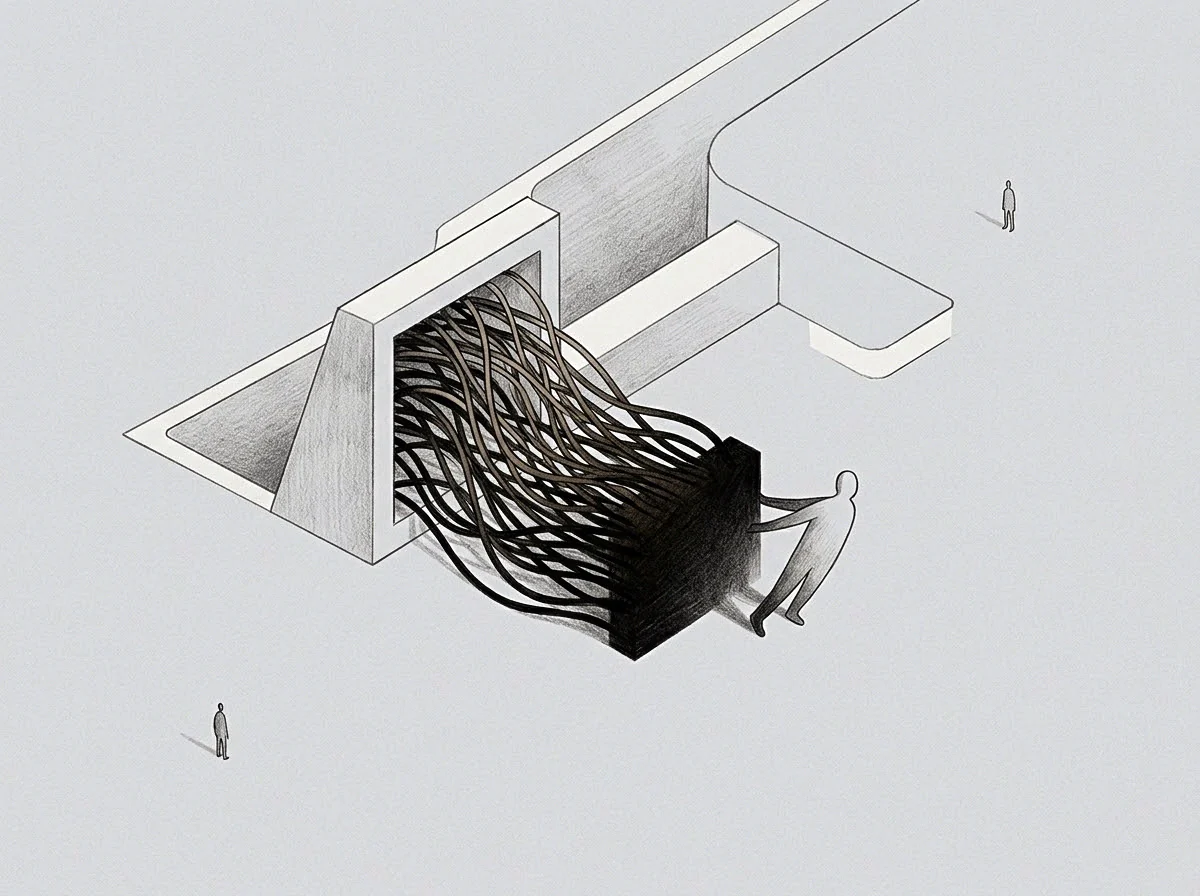
Which Protective Provisions Create Operational Paralysis?
Paralysis appears when consent thresholds demand separate approval from each share series rather than a blended majority of preferred shares. Under blended preferred approval, a seventy percent coalition of all preferred classes can authorize a financing or commercial bridge. Under series-by-series requirements, a legacy investor holding three percent of total equity retains identical blocking power to a growth fund holding forty percent.
The syndicate withheld signature pages. Capital stopped moving entirely.
A protective clause distributing authority to individual share series grants minority holders disproportionate leverage over corporate survival.
Fiduciary duties apply to directors, whereas contractual consent rights belong to shareholders. Corporate directors must evaluate enterprise viability during cash shortages. Individual preferred shareholders, by contrast, act entirely in self-interest.
A minority holder can legally withhold signature pages to compel side concessions, including advisory retainers, accelerated redemption, or board observer appointments. The deadlock remained complete.
Without an explicit amendment to class rights, signature pages will remain withheld until the capitalization table reflects revised liquidation preferences.
Drag
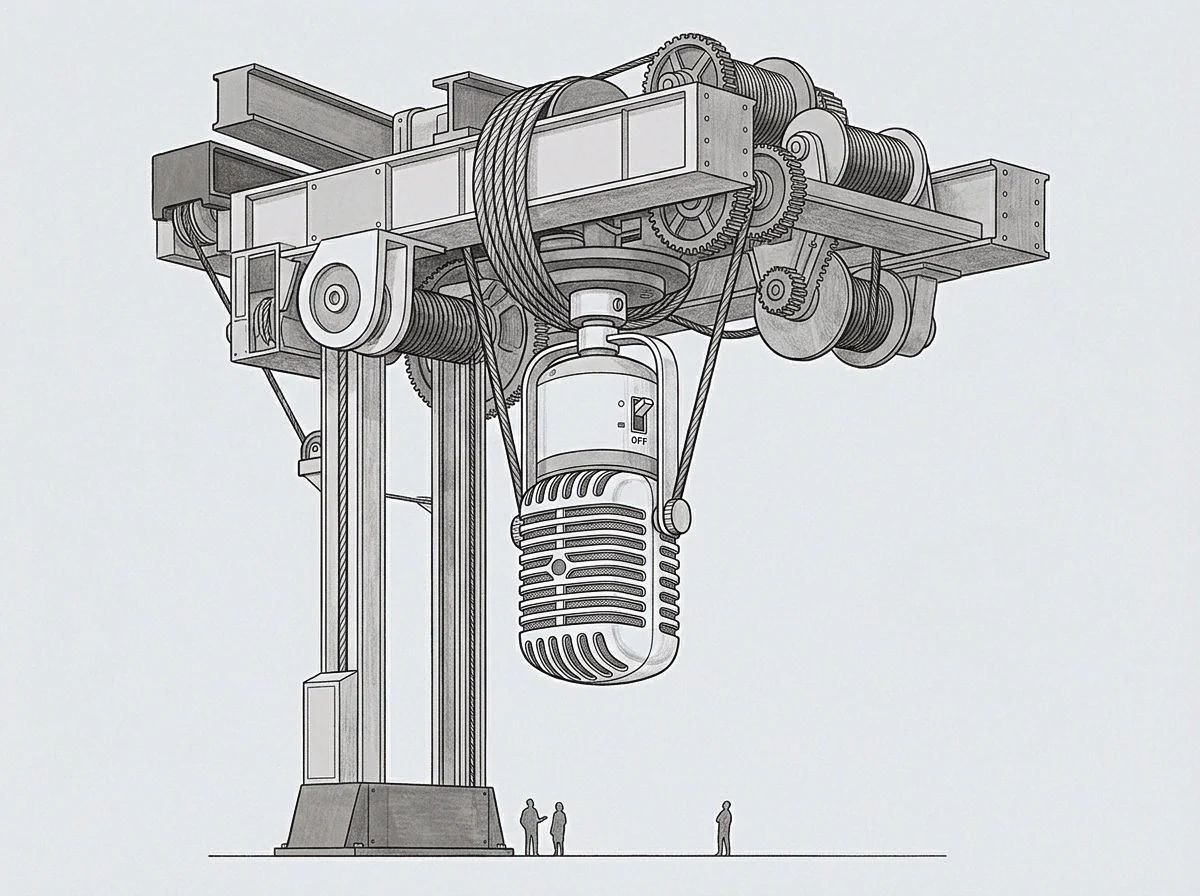
Transaction speed degrades geometrically as the number of independent consent nodes increases. In control theory, adding independent gates to a serial pipeline multiplies execution latency and elevates systemic failure rates. In corporate administration, each consent party requires legal review, partner meetings, and outside counsel sign-off.
What begins as a five-day board action stretches into eight weeks of shareholder circulars. Legal bills multiplied weekly.
Consider two companies operating under identical gross margins with divergent governance terms. Company A requires approval from a simple majority of all preferred shares voted together on an converted basis. Company B requires separate approval from Common, Series Seed, Series A, and Series B share classes.
When an emergency bridge note arrives during a macroeconomic liquidity contraction, Company A collects required signatures within seventy-two hours. Company B spends seven weeks aligning conflicting preferences across four separate legal counsels. Cash reserves dropped further.
The transfer window lapsed. Research on institutional decision latency indicates that multi-agent consensus networks experience exponential communication cost escalations whenever agent preference curves diverge by more than fifteen percent. This model rests on empirical observations of committee voting behavior under time pressure, and the dynamic dissolves if external economic penalties force immediate alignment across all voting agents.
When corporate liquidity falls below three months of burn, divergence accelerates rather than diminishes because subordinated classes prepare for total loss while senior classes protect liquidation preferences.
| Governance Dimension | Blended Preferred Majority | Series-by-Series Consent | Independent Fiduciary Mechanism |
|---|---|---|---|
| Execution Latency | Three to seven business days | Four to nine weeks | Two to five business days |
| Holdout Leverage | Zero below threshold | Absolute across any series | Negligible |
| Transaction Legal Costs | Standard documentation fees | Triple fees via separate counsels | Nominal arbitration fees |
| Gridlock Vulnerability | Low | Extremely high | Minimal |
A stated position is a line drawn on paper. When one seed syndicate states that it will not sign an amendment without a liquidation reset, that stance creates a wall for other participants. Silence became an active refusal.
The lead founder absorbs the allostatic load of mediating between conflicting funds while continuing to manage operational staff. When an individual regulates an organization through prolonged structural resistance, systemic stress accumulates in the human operator rather than resolving within corporate documents.
Every additional signature threshold attached to operational execution multiplies administrative latency and elevates holdout leverage during corporate turnarounds.
Allowing negative control covenants to sit across isolated share series leads directly to corporate insolvency during capital downturns when bridge debt cannot secure timely multi-class signatures.

Scope
Structural friction recedes when corporate charters restrict multi-party consent to fundamental enterprise changes while preserving management autonomy over operations. Executive teams maintain operating momentum by defining the perimeter of protective provisions during initial investment drafting. The board seat sat empty.
Commercial reality requires clear separation between existential governance and operational mechanics. Asset sales, company dissolutions, and direct changes to class preferences represent fundamental shifts that legitimately involve investor approval. Borrowing against inventory, hiring department leads, and issuing standard option grants fall under executive management.
When these routines become entangled with investor vetoes, daily administration stalls.
In mechanical clockwork, loose gears introduce backlash that drains kinetic energy from the drive spring. Corporate administration experiences an identical energy loss when minor operating choices require formal investor waivers. An executive spends twenty hours negotiating a waiver for an ordinary equipment lease, diverting attention from core enterprise distribution channels.
Deadlock dissolved the operating plan.
Sophisticated corporate architectures deploy explicit mechanics to resolve multi-party deadlocks before corporate operations suffer irreparable harm:
- Formal sunset provisions expire series-specific veto rights once an individual investor class drops below a defined ownership percentage.
- Negative consent clauses establish that an investor failure to deliver a formal written objection within ten business days counts as an affirmative approval.
- Compulsory drag-along thresholds compel dissenting minority classes to execute transaction documents when a sixty-six percent preferred majority supports a recapitalization.
- Independent casting votes grant an unaffiliated industry director structural power to break board-level governance deadlocks on executive compensation.
The desk cannot fully resolve whether independent board members reliably vote for long-term enterprise health rather than aligning with the capital sources that backed their appointment. Under this institutional uncertainty, prudent operators assign tie-breaking authority to an independent director selected by mutual written agreement before any operational dispute appears.
Negative control rights should match long-term economic risk rather than initial entry capitalization.

Release
Unwinding multi-party consent knots requires altering the underlying corporate instruments. The response never arrived. An operator cannot dissolve a contractual veto through personal charm, persuasive presentations, or repeated telephone calls.
The push merely meets the wall again. The only mechanism that moves a legal veto is a superior corporate transaction or a statutory amendment executed under valid corporate voting thresholds.
Recapitalizations operate by altering company certificates of incorporation. Under Delaware General Corporation Law, class voting rules allow a specified majority of shares to amend certificate provisions, provided the amendment treats all shares within that specific class equally. When a legacy class stubbornly blocks enterprise progress, a supermajority coalition frequently votes to amend the certificate of incorporation, collapsing legacy classes into a unified preferred stock class.
The third round stalled.
Corporate deadlocks break through legal restructuring rather than interpersonal persuasion.
State corporate statutes govern these transformations. In stress physiology and institutional research, behavioral adjustments hold only when the surrounding structural incentives change. A shareholder holding an absolute contractual veto will not surrender that power because management feels exhausted.
The holder surrenders leverage only when corporate mechanisms threaten total economic dilution or statutory conversion into common stock. Every series held a bar.
This dynamic leaves unresolved how corporate law can protect early-stage minority contributors against predatory recapitalizations without equipping holdout participants with weapons that kill viable companies.