

Deriving Sustainable Availability Across Shared Channels After Codifying Relational Governance
Codified governance holds only when shared channel latency becomes an observable cost rather than a personal refusal.
Codified governance holds only when shared channel latency becomes an observable cost rather than a personal refusal.

Executive boundaries transfer unmediated load during scaling until explicit terms establish rigid structural stops and isolate residual operational strain.

Structural capacity under investor consent rights is preserved by replacing ad hoc approvals with explicit contractual thresholds and budget carve-outs.
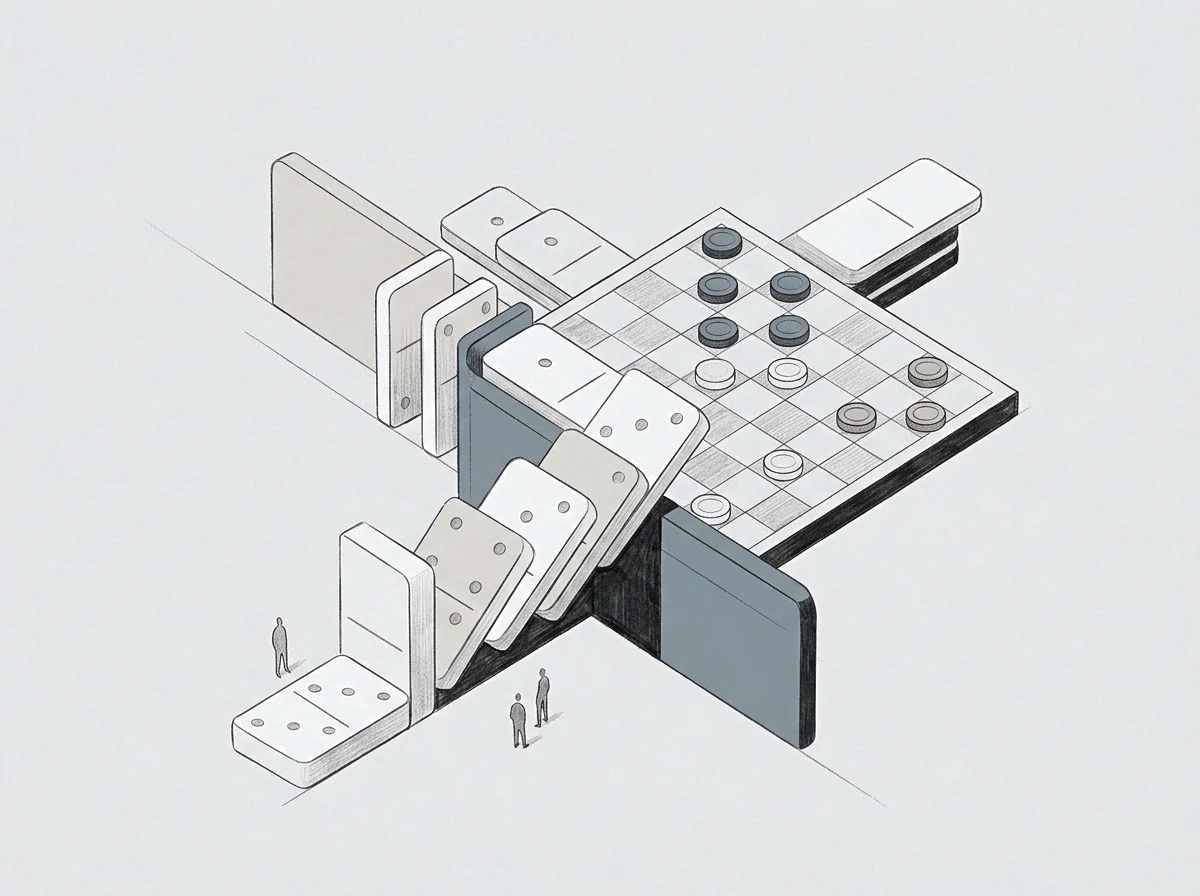
State-gated capacity management blocks unscheduled board demands until operational recovery metrics match the cognitive threshold of the vote.
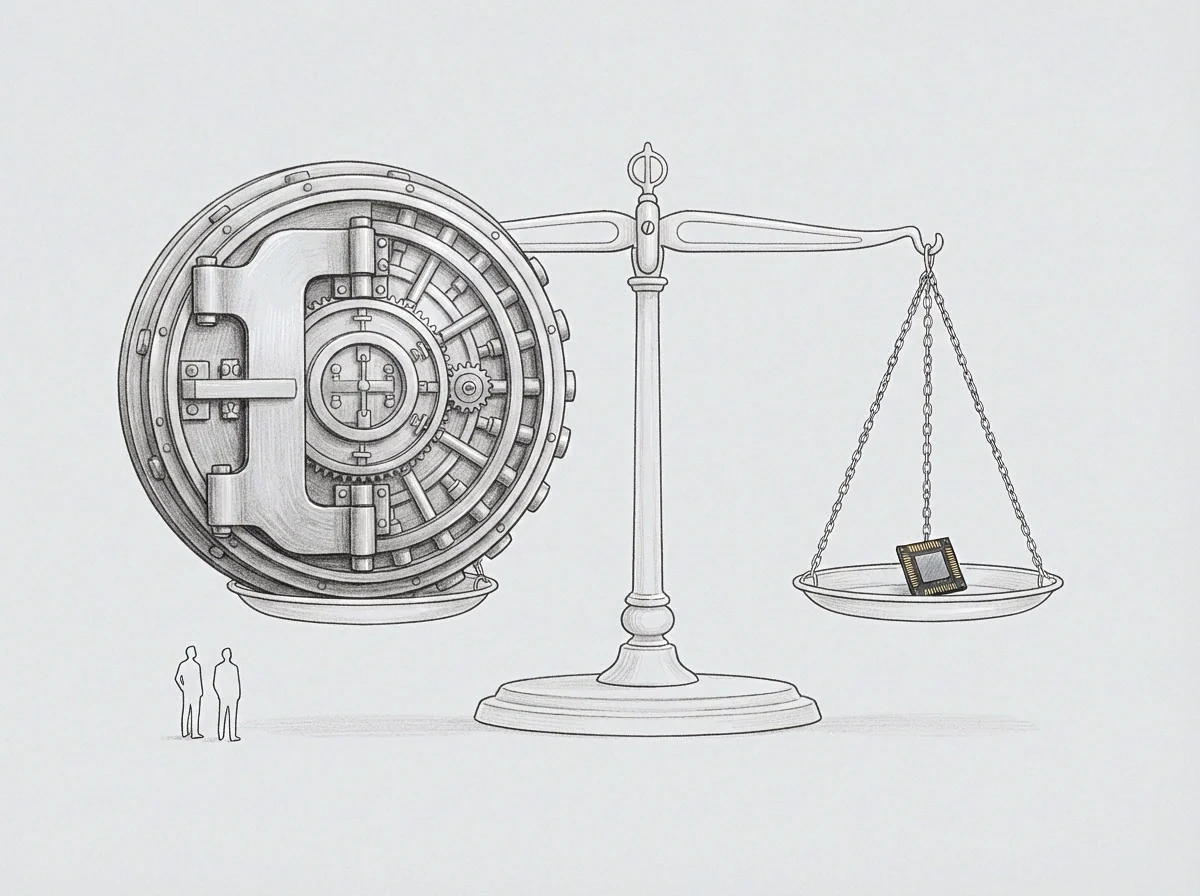
Multi-party consent requirements split corporate authority into class-based vetoes, creating operational deadlocks that yield only to structural amendments.

Threshold gated governance interfaces convert prospective administrative obligations into deterministic state-triggered executions, eliminating mental tracking load.
The terms are written where they belong. Each field holds three desks, and every entry a desk writes raises the terms it uses, each term given a meaning, a mechanism and the places it appears. The record on these pages stays first person and hand made; the fields grow the nomenclature.