
Isolating Experimental Software Branches From Production Delivery Schedules
Decoupling experimental code from delivery schedules requires isolating prototypes in distinct repositories to protect deployment cadences from instability.
Rail
Production pipelines demand absolute predictability. When an engineering team commits to a client release calendar, the deployment sequence operates on strict arrival times, verified test suites, and regression checks. The delivery pipeline functions as a freight line.
It accepts only freight packaged to survive transit without derailment.
Speculative programming functions under opposing physical requirements. An exploratory effort alters interfaces, ignores peripheral boundary conditions, and accepts runtime errors to locate an architectural answer quickly. A collision happens whenever exploratory code shares a version tree with release commits.
Delivery dates impose mechanical discipline. When exploratory files enter the mainline repository, incomplete logic leaks into compilation artifacts, test fixtures fail, and operators stall deployments to strip out unfinished alterations.
A deployment cadence stabilizes only when the repository forbids speculative commits from touching staging environments.
The trunk moves forward continuously. Engineers who mix speculative alterations into production work streams rely on self-restraint to prevent leakage. Self-restraint fails under exhaustion.
A late-night cherry-pick pulls an unstable data model into a release candidate, or an unflagged prototype endpoint registers in production routing tables. The separation between stable delivery and speculative code requires physical segregation in the storage architecture itself.
The Conflict Between Cadence and Variance
Exploration lives on variance, while production releases live on invariance. A release pipeline aims to reduce variance to zero across build times, test execution, and deployment verification. Prototypes carry unknown failure modes.
Introducing experimental logic directly into release staging introduces unpredictable compile errors and schema migrations that cannot roll back cleanly. The team then expends its delivery allocation on triage rather than customer commitments.
True separation treats the production track as an isolated operational line. Work bound for the client follows a rigid schedule with immutable verification gates. Work exploring speculative architecture remains outside that loop until its operational performance and structural interfaces meet verification gates.
A mainline branch holds only code destined for immediate user exposure.
A simple operational habit protects the delivery calendar: keep speculative development completely off release infrastructure until the work passes every production barrier without modification.

Switch
Isolation mechanisms function as physical barriers between development tracks. Teams employ several technical configurations to divorce experiments from the deployment clock. The simplest configuration establishes distinct repositories or completely air-gapped experimental environments.
Other teams rely on run-time conditional routing within a shared repository, accepting higher governance overhead in trade for unified revision histories.
Every isolation configuration imposes an operational tax. Code merges transfer operational risk. Teams selecting an isolation pattern evaluate how much synchronization effort they tolerate during feature development against the hazard of shipping half-finished logic.
A stated isolation condition renders dormant code completely invisible to production build targets.
The failure modes of mixed branch topologies reveal specific operational vulnerabilities:
- Phantom Dependency Couplings develop when experimental code imports unvetted external libraries that leak into the shared build path.
- Schema Migration Contamination occurs when speculative database changes run against shared staging environments, altering persistent record definitions irreversibly.
- Configuration Drift Accumulation expands when long-lived branches diverge from mainline interfaces, turning eventual reconciliation into an unmanageable manual rewrite.
- Test Suite Degradation emerges when speculative tests fail intermittently, teaching engineers to ignore broken pipeline notifications.
Every configuration toggle introduces debt. Decoupling the development track from the delivery track requires choosing an isolation topology suited to the blast radius of the experiment.
Decoupling Mechanics at the Transport Boundary
Runtime feature flags allow code to reside in mainline branches while hiding experimental logic behind conditional execution statements. This method retains continuous integration benefits. Developers inspect trunk changes daily, minimizing drift between divergent code paths.
Flagging mechanisms, however, demand high maintenance discipline. Flags left in codebases after experiments conclude litter the source tree with obsolete execution forks, complicating performance profiling and static security analysis.
Air-gapped spike repositories eliminate runtime leakage risks entirely. A separate sandbox repository permits total destruction of schemas, heavy dependencies, and temporary hacks without touching customer pipelines. The operational tax arrives during reconciliation.
Porting an isolated prototype back into production requires rewriting the logic to meet enterprise standards. The choice between runtime flags and sandbox repositories balances operational safety against integration drag.
Structural Comparison of Branch Isolation Modes
| Isolation Topology | Boundary Enforcer | Integration Overhead | Production Leak Risk | Operational Cost |
|---|---|---|---|---|
| Trunk with Runtime Flags | Dynamic configuration evaluate | Minimal continuous sync | Moderate configuration leak | High code debt accumulation |
| Isolated Long-Lived Branch | Git revision isolation | Substantial rebase effort | Low binary leakage | Medium maintenance burden |
| Air-Gapped Sandbox Repo | Physical repository boundary | Complete manual rewrite | Zero delivery exposure | Low infrastructure drag |
When an organization institutes a mandatory sandbox clause in its deployment policy, all exploratory logic stays quarantined inside distinct source repositories until interface contracts pass formal automated inspection.
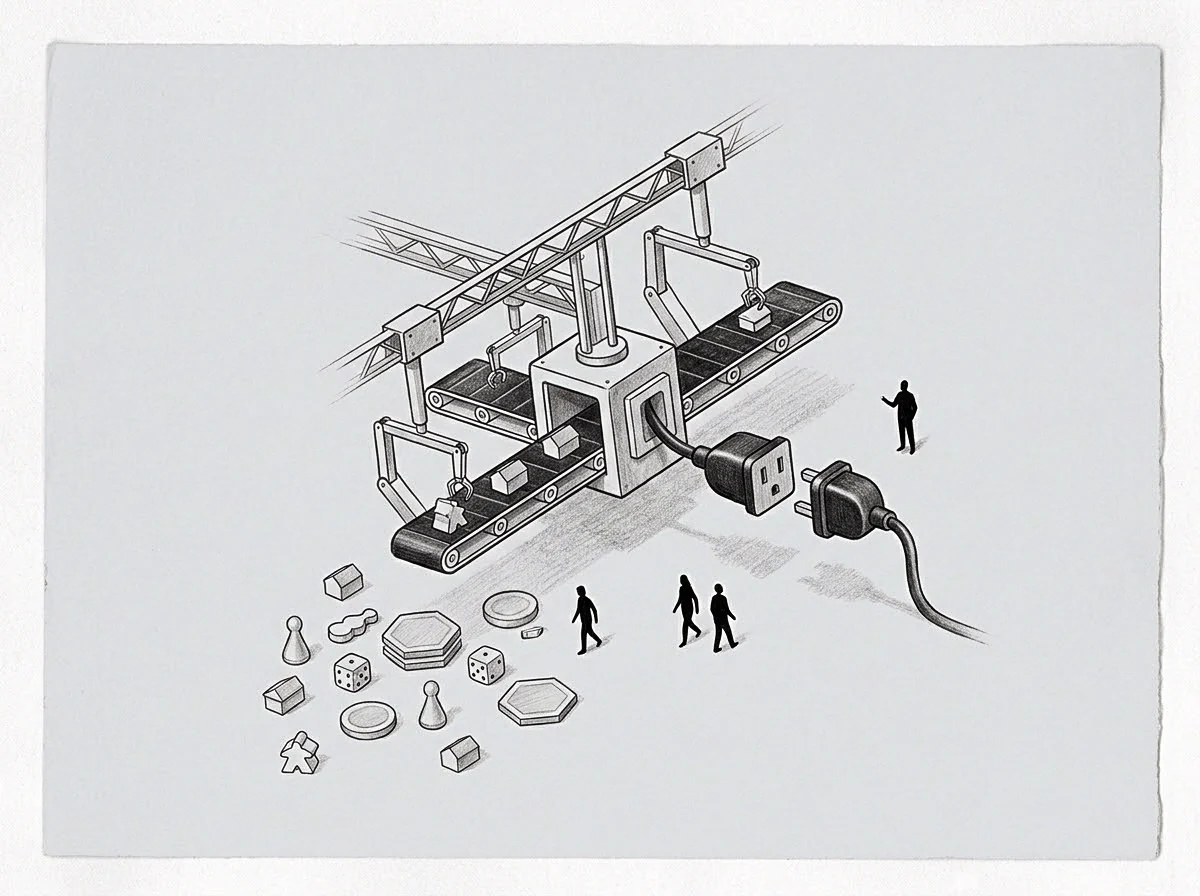
Spike
Assume an engineering department of twenty developers maintaining a high-throughput transaction system under biweekly client delivery agreements. Two senior operators receive a mandate to evaluate a new asynchronous persistence layer to replace a relational database. The current relational database serves three hundred client requests per second.
The client contract specifies dates. The delivery pipeline cannot tolerate delays, regressions, or schema downtime during the evaluation cycle.
The team constructs an isolated experimental track. Instead of creating a branch inside the primary repository, the operators spin up an air-gapped revision sandbox. This sandbox connects to an isolated data store containing synthetic transaction data.
The primary repository continues its regular biweekly release trains without alteration. Teams measure progress by velocity. Meanwhile, the experimental operators alter transaction semantics and drop foreign key guarantees inside their sandbox to measure raw throughput limits.
Four weeks into the evaluation, the operators discover that asynchronous batching triples transaction throughput. The experiment succeeds mechanically. Because the code developed inside an air-gapped sandbox, it contains zero production telemetry, lacks authorization middleware, and depends on an unverified experimental driver.
The pipeline broke at midnight during previous ad-hoc experiments; this time, the production line experienced zero build failures throughout the four-week research sprint.
The challenge arrives at the reconciliation boundary. The experimental team now possesses high-performing persistence logic that cannot merge cleanly into the release pipeline. The team must choose between two distinct integration methods.
The first method forces an immediate, large-scale merge of the experimental code into the mainline branch, halting regular biweekly delivery work for two cycles while engineers write missing production tests and authorization wrappers. The second method treats the experimental branch as disposable documentation, assigning two developers to build the asynchronous persistence layer inside trunk using small, feature-flagged iterations while regular release work proceeds.
The team adopts the second path. The air-gapped sandbox served its purpose by validating architectural feasibility without threatening client shipments. Latency increases under speculative load.
The production schedule proceeded unmolested because the sandbox functioned as a physical wall. The operators discarded the experimental branch source code entirely, extracting only performance profiles and interface specifications to inform production implementation.
The client representatives review the unchanged biweekly delivery milestones and state that the engineering department maintained flawless reliability without missing a single promised deployment window.
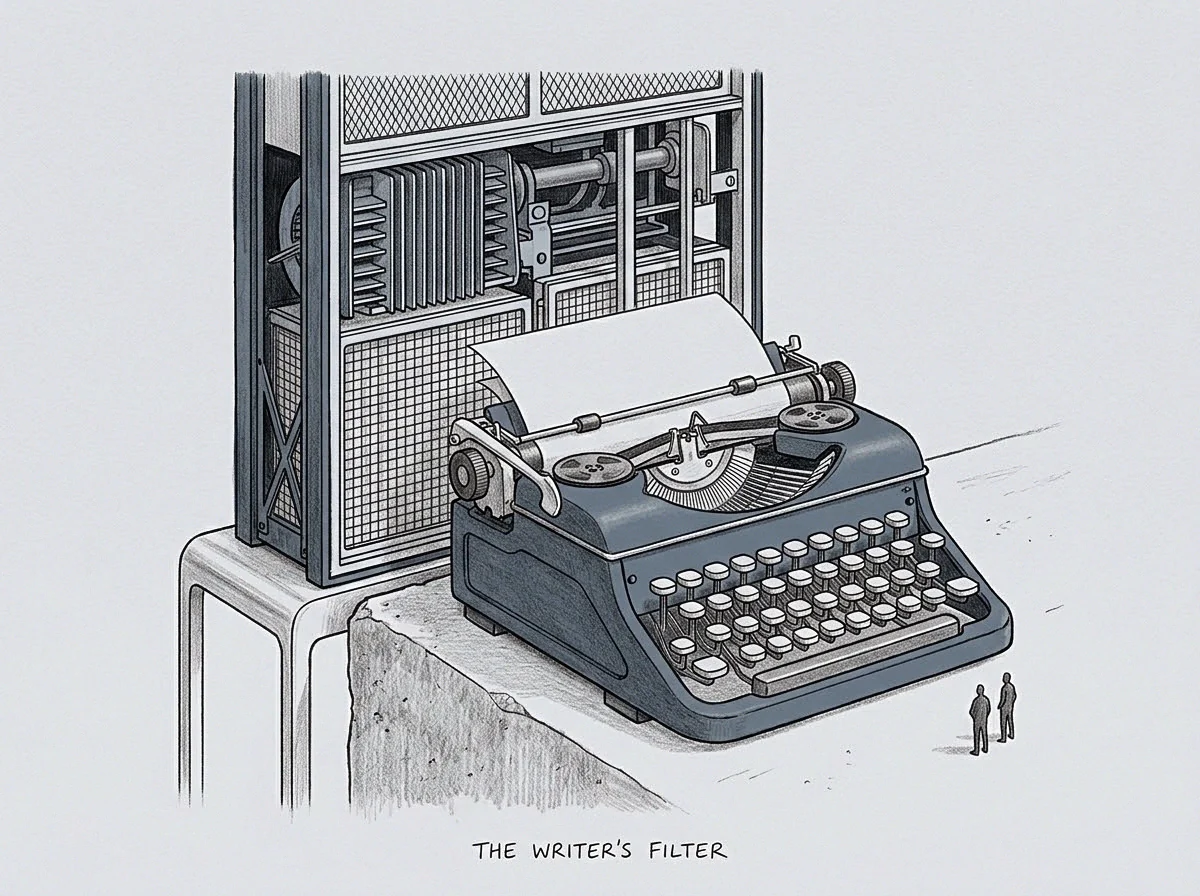
Shelf
Speculative code decays without maintenance. A prototype branch left unmerged for three months accumulates massive interface drift relative to the rapidly evolving mainline repository. When a team hesitates to discard an abandoned experiment, the branch sits in version control, consuming cognitive bandwidth and occasionally tricking developers into building atop obsolete dependencies.
Retirement protocols govern the lifecycle of speculative efforts. An experimental effort needs a pre-set expiration date. If an experiment fails to prove its hypotheses within its allocated operational window, the branch undergoes immediate termination.
The system met the wall.
Unfinished experiments left in active version systems degrade developer clarity across all downstream delivery tracks.
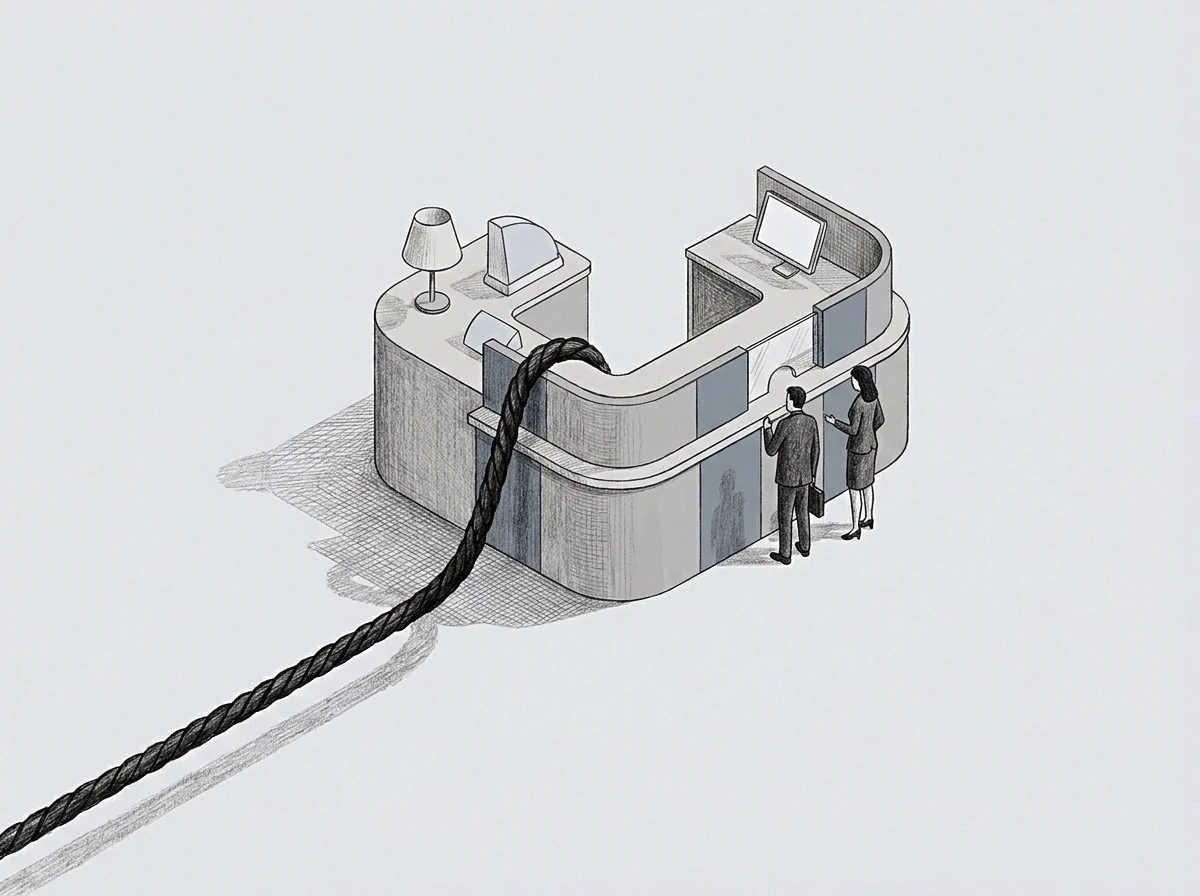
Which Conditions Dictate Discarding a Speculative Branch?
Decisions require clear state visibility. Engineers establish unambiguous operational conditions to determine whether an experimental track earns integration or faces immediate disposal. The triage sequence evaluates branches along explicit physical parameters:
- Verify hypothesis validation against concrete performance or capability benchmarks.
- Measure reconciliation divergence by calculating the volume of conflicting files against the primary release branch.
- Assess authorization and telemetry compliance against production baseline standards.
- Enforce immediate deletion for any speculative branch inactive for more than thirty consecutive calendar days.
Preserving abandoned experimental branches creates a false sense of accumulated intellectual inventory. An unmerged branch provides zero operational value to end users. Holding dead branches in repositories generates confusion during release auditing and encourages junior developers to re-open flawed architectural explorations that were intentionally discarded.
Permitting unmerged exploratory code to linger alongside release tracks results in accidental merges, contaminated dependencies, and stalled deployments that consume hundreds of engineering hours in emergency remediation.
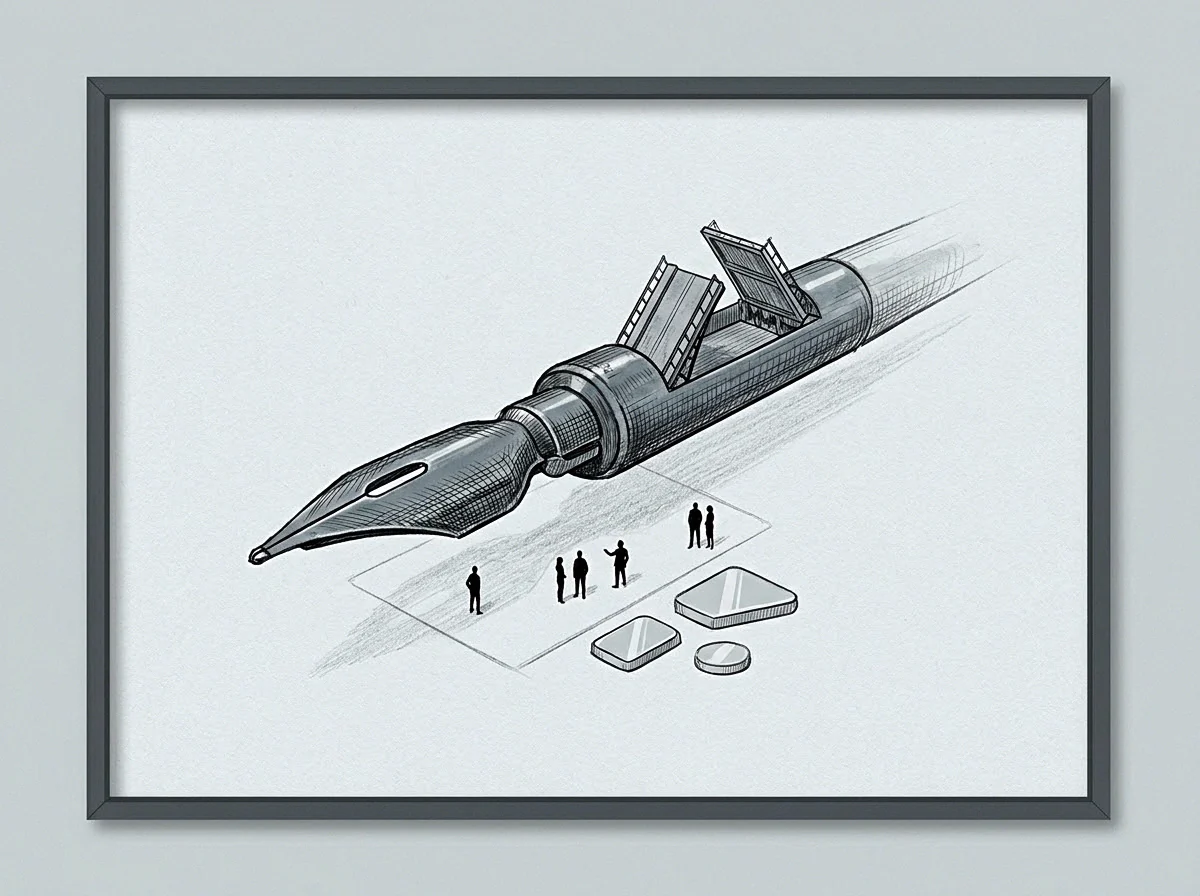
Split
Separating experimental work from production delivery schedules requires explicit allocation accounting. An engineering organization cannot simultaneously promise deterministic release dates and unconstrained architectural exploration without defining a structural limit. The founder states the terms of capacity allocation.
If eighty percent of engineering capacity supports predictable client delivery, that allocation remains sealed against speculative diversions.
Silence protects developer attention. When the boundary between production maintenance and exploratory work is enforced, developers working on client commitments do not field emergency questions about broken mainline builds caused by prototype code. The experimental developers do not attend delivery triage meetings or worry about production rollback procedures.
Each group operates within distinct constraints.
A production commitment survives only when management treats the experimental boundary as an impassable structural barrier.
A stated limit functions as a wall rather than a personal plea. When leadership states that experimental code never shares delivery pipelines, the system stops relying on developer vigilance. The tooling enforces the wall.
Repositories block non-standard dependencies, CI servers ignore unapproved branches, and release managers reject packages carrying unverified runtime toggles.
What remains unsettled in practice is how an engineering organization determines the exact throughput threshold where manual prototype isolation becomes so onerous that the team must rebuild its delivery pipeline around automated multi-tenant staging sandboxes.