

Establishing Stated Limits To Manage Load In Foundational Teams
Stated limits replace person-level regulation with structural terms, stopping load transfer before operational capacity fails under sustained systemic demand.
Stated limits replace person-level regulation with structural terms, stopping load transfer before operational capacity fails under sustained systemic demand.

Rigid intake constraints preserve downstream enterprise velocity during surges by converting external commercial pressure into perimeter qualification friction.

Context clearance duration expands when directors lack ambient system knowledge, forcing executives to spend operational cycles converting reality into defensive narrative.

Shared allostatic throttling occurs when concurrent executive overload forces involuntary cognitive withdrawal, requiring explicit structural limits.

Executive discretion in silent covenants is held by executing actions directly and rerouting informal shareholder inquiries to formal board dockets.

Downstream autonomous execution accelerates incoming volume while funneling concentrated edge cases to human supervisors, causing cognitive collapse without hard limits.

Formal operating constraints protect human nodes in distributed capital networks by mechanizing transaction latency and boundaries before biological exhaustion.

Structural corporate deficiencies transfer directly into human physiology when organizational buffers are absent, terminating in autonomic threshold failure.
Structural availability is derived by measuring actual task queue drain rate and completion latency against arrival volume rather than message acknowledgment speed.
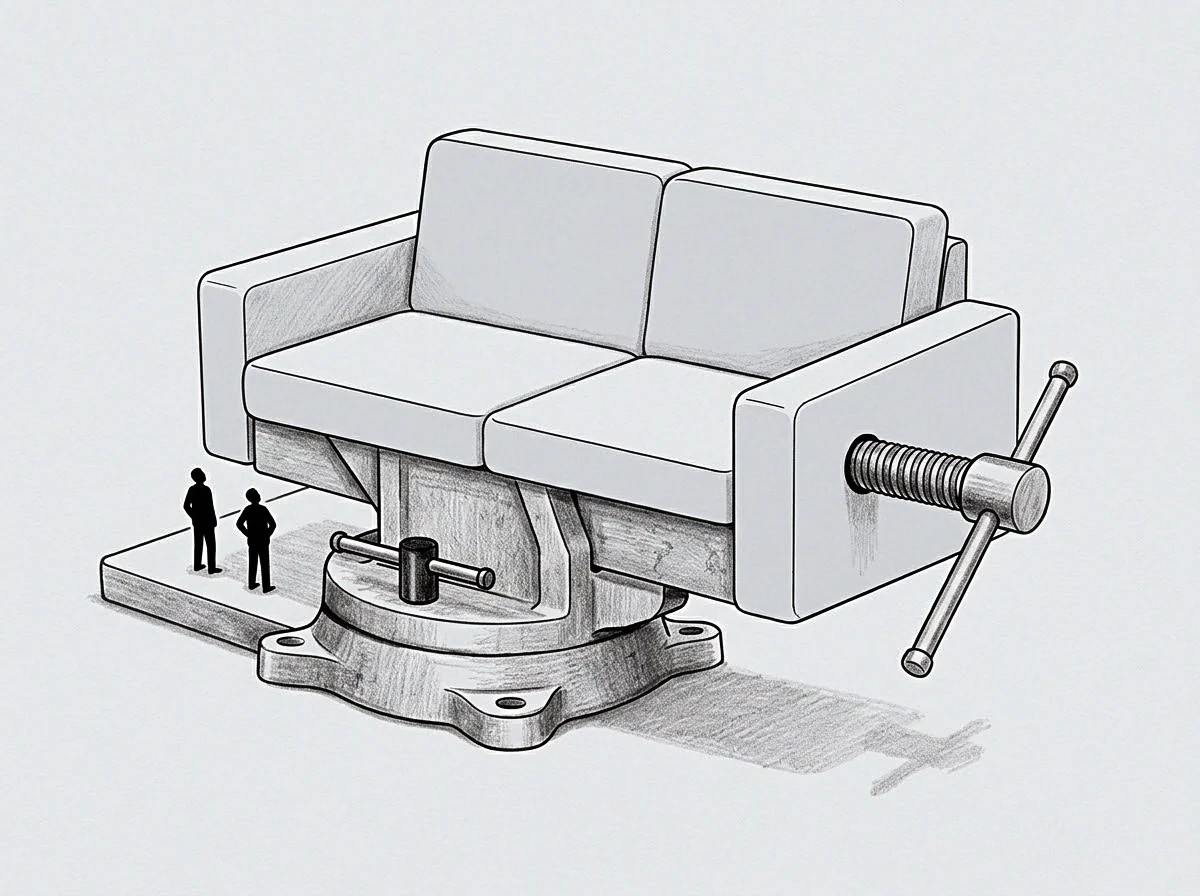
Structural separation removes an executive from direct production tasks, isolating enterprise governance authority from daily tactical operations.

Operational decay ceases when founder authority transfers from informal human co-regulation to deterministic, metric-bounded proxy governance bodies.

Contractual operating limits replace individual stamina by turning operational limits into non-negotiable legal and mechanical constraints across layers.
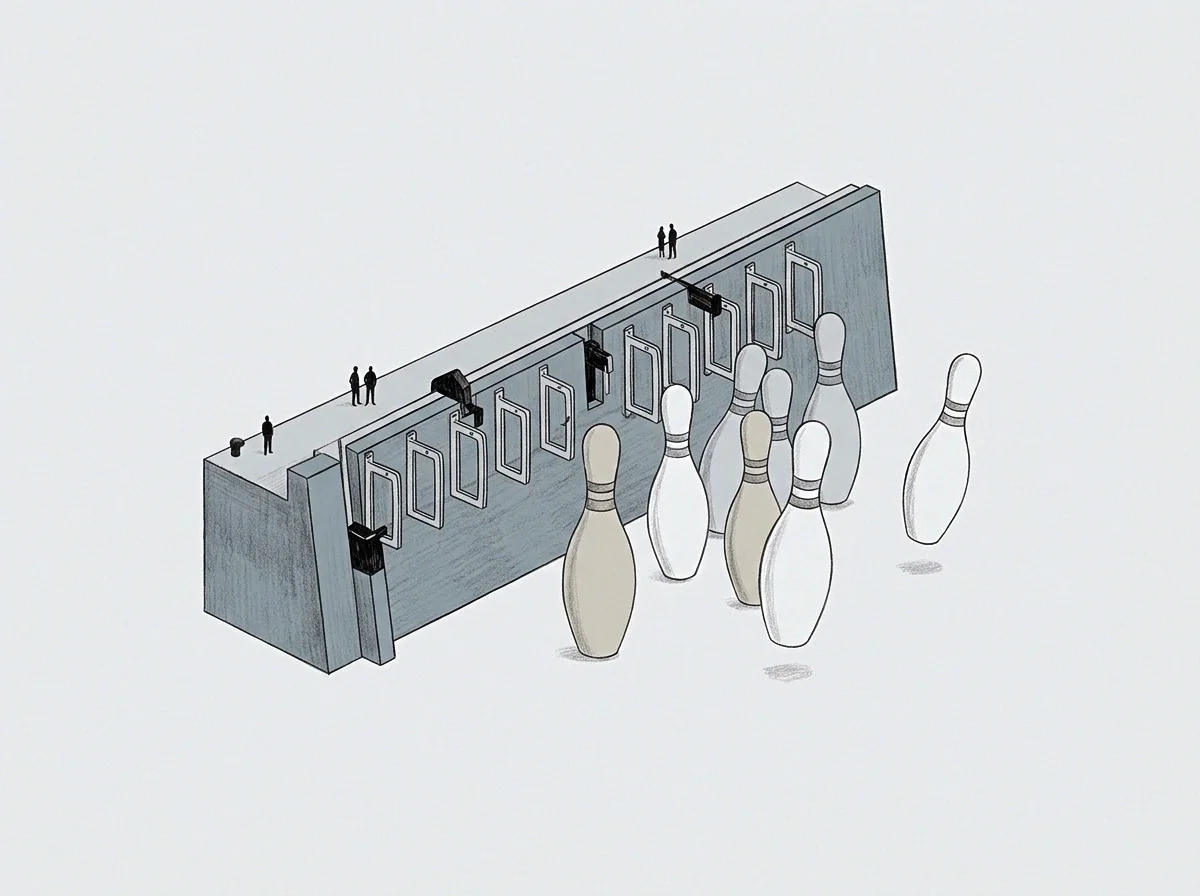
Executive capacity survives through cold structural throttles, latency gates, and stated terms that absorb organizational load without personal negotiation.
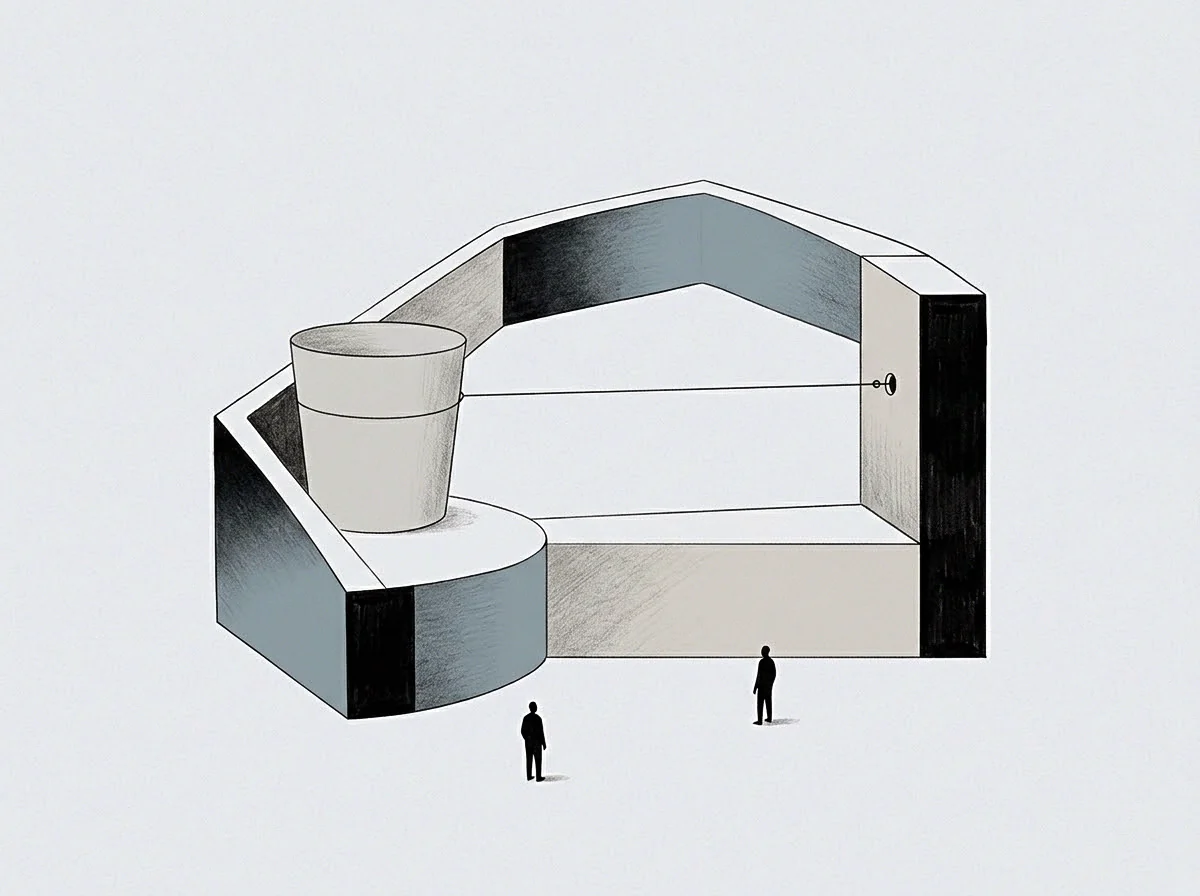
Counterparties adapt to enforced latency boundaries by probing alternative channels, consolidating query payloads, and shifting toward internal problem resolution.
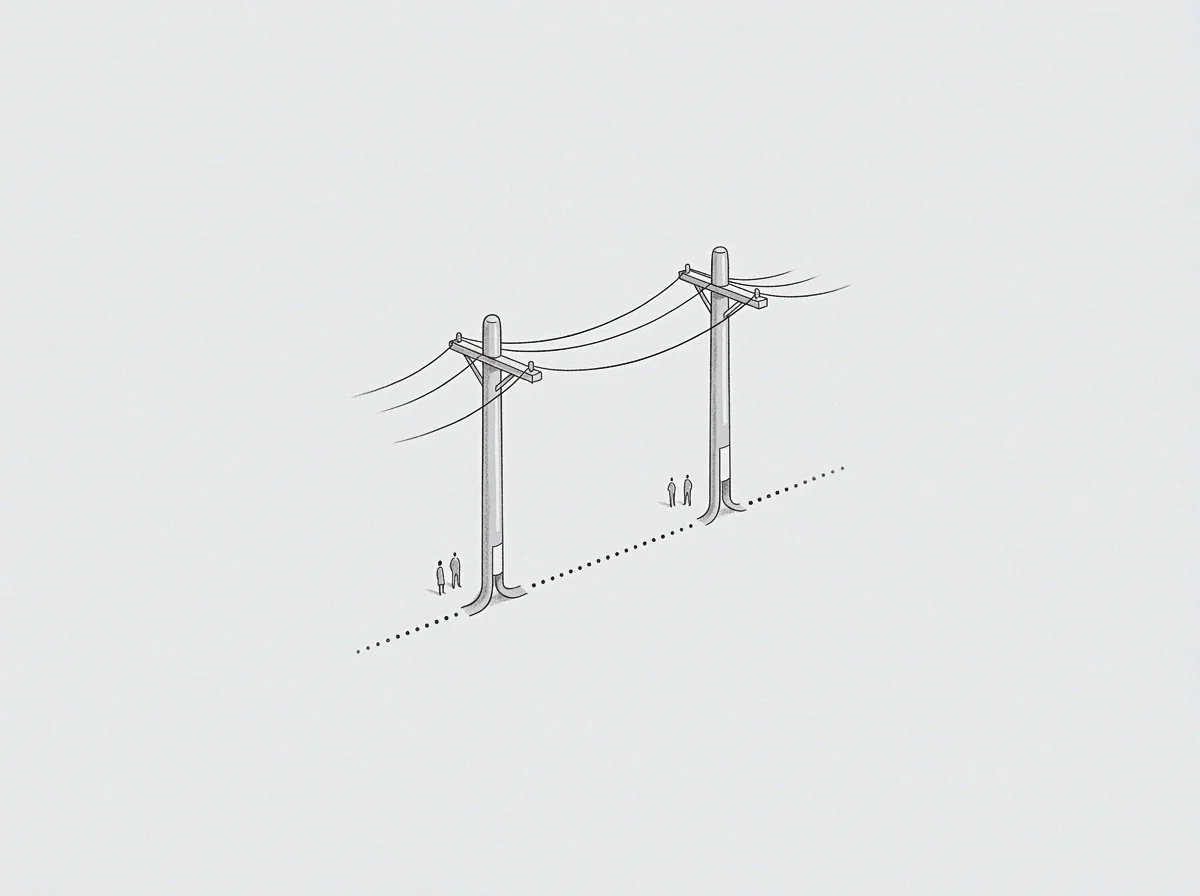
Continuous communicative concurrency injects background noise into neural processing, degrading evidence accumulation rates and forcing premature decision boundary collapse.
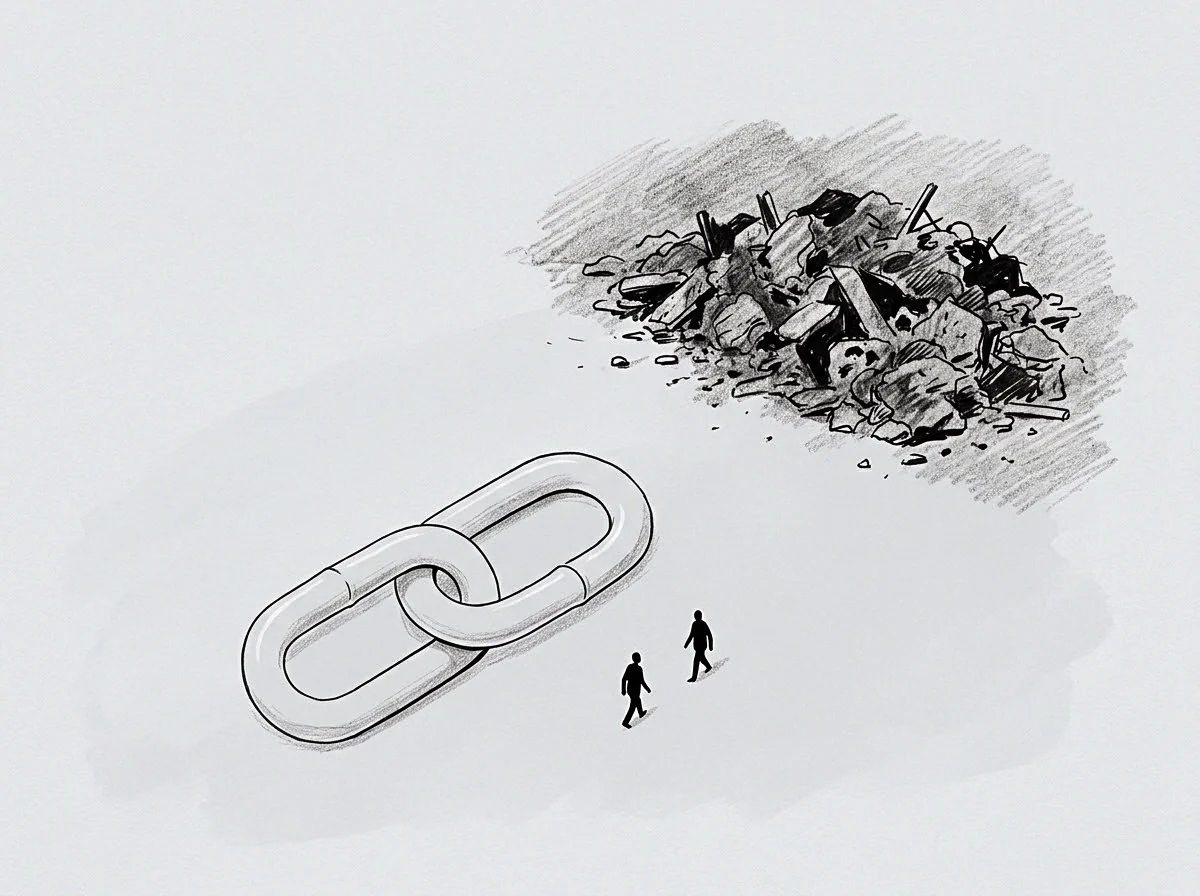
Executive capacity limits emerge when stated operational limit conditions establish explicit walls that stop external system load transfer.
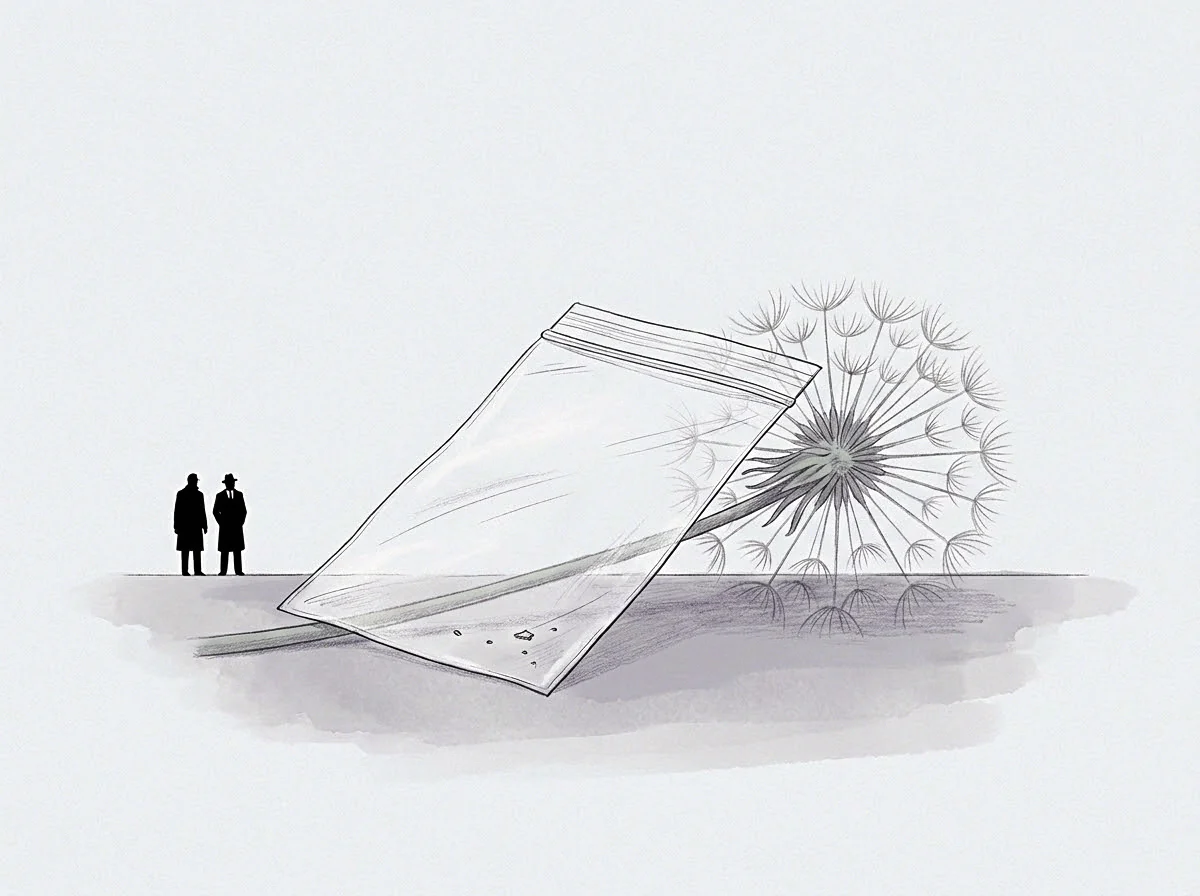
Versioned asynchronous state repositories transfer cognitive context from human memory to durable records, eliminating adrenal surges caused by live interruptions.
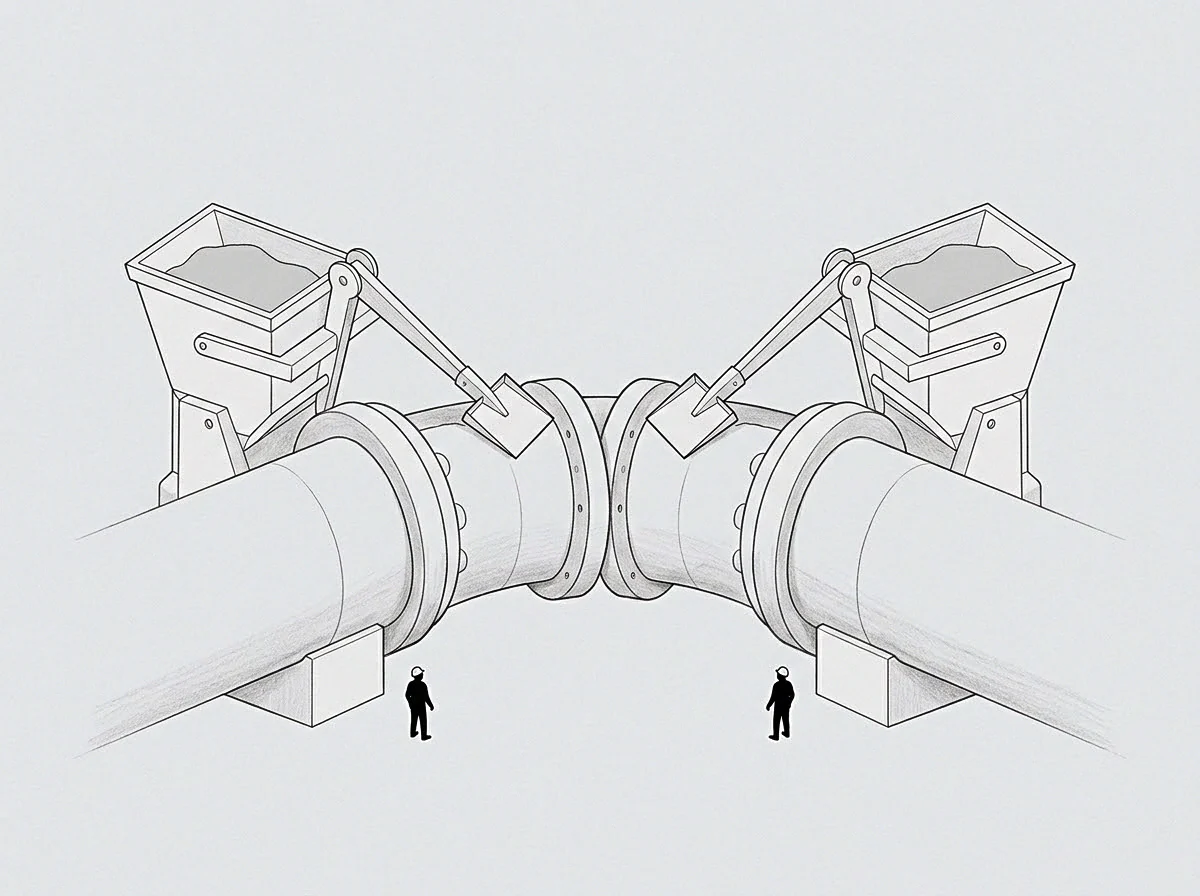
Delayed response protocols convert continuous real-time engineering interruptions into asynchronous batch queues to preserve focus and reduce cognitive load.
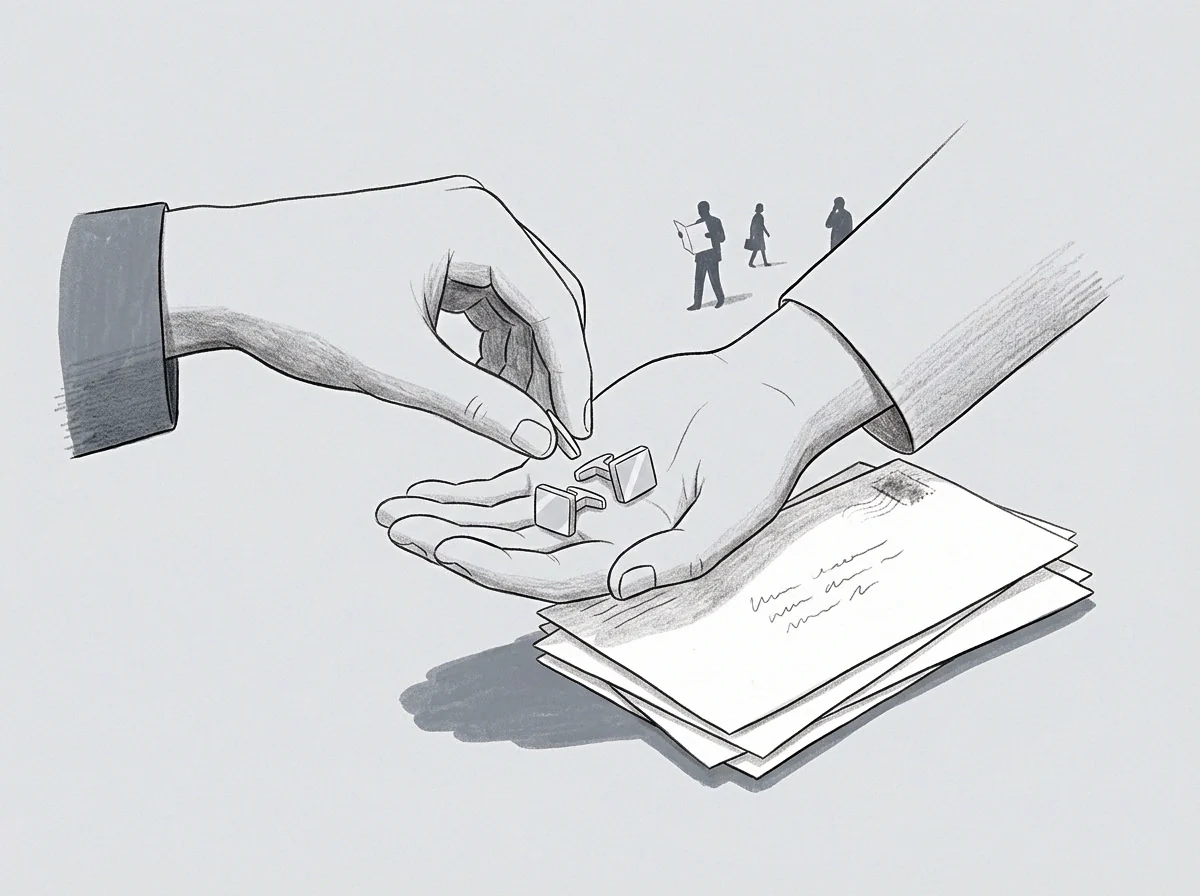
Bounded delegation protocols prevent cognitive overload by replacing continuous discretionary review with stated terms and explicit concurrency ceilings.

Codified decision thresholds protect leadership capacity by converting real-time discretionary approvals into automated, rule-based operational setpoints.

State-gated throttling boundaries lock intake channels during capacity deficits, forcing downstream execution teams to build localized resolution loops.

Scaling co-founders transfer operational load when execution limits are stated as explicit structural terms rather than absorbed through individual endurance.
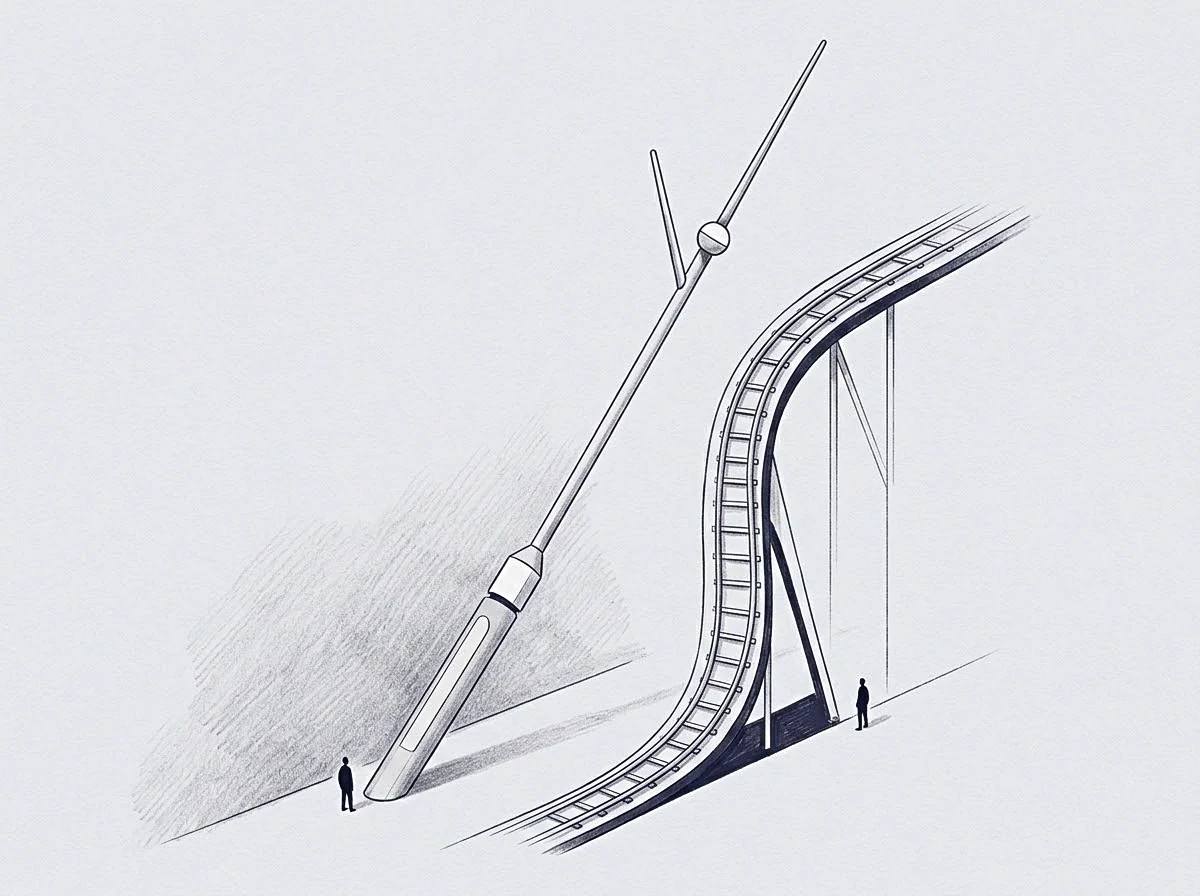
Hard operating boundaries protect depleted executive seats by mechanically filtering incoming load through latency buffers and rigid structural terms.
The terms are written where they belong. Each field holds three desks, and every entry a desk writes raises the terms it uses, each term given a meaning, a mechanism and the places it appears. The record on these pages stays first person and hand made; the fields grow the nomenclature.