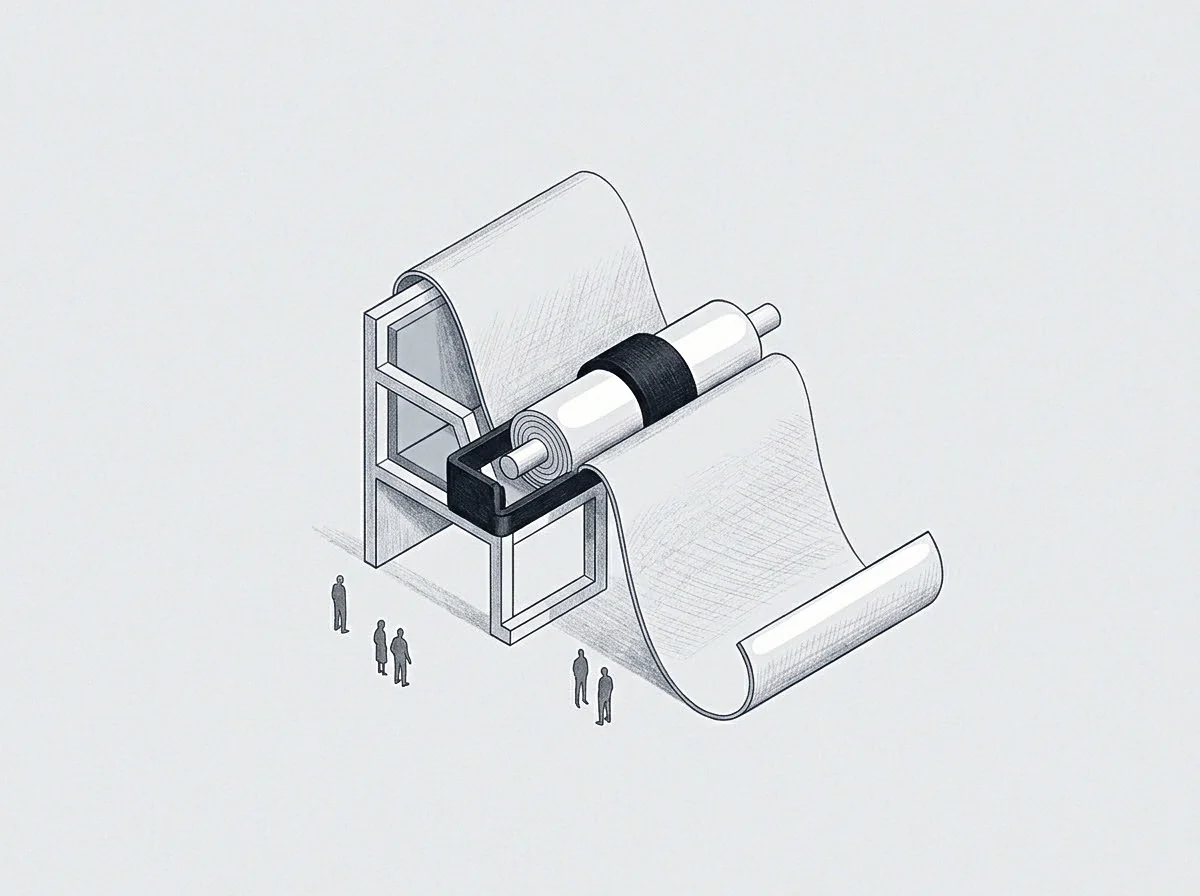
Meaning
The practice of separating development environments protects the main codebase from unstable changes during active feature creation. By working on separate tracks, developers can write and test code without affecting the production system or their colleagues. This technique of branch isolation ensures that experimental features or incomplete upgrades do not break the shared environment.
It provides a controlled space for engineering work before final deployment.
Protective Value
Teams utilize separate environments to run tests and experiment with new architectures without risk. Under a regime of branch isolation, a developer possesses the freedom to break local configurations and refactor large systems safely. This protection shields the core business operations from the errors that naturally occur during heavy development.
It allows for thorough testing of edge cases and security updates before any customer sees them.
Coordination Cost
Maintaining separate development tracks consumes infrastructure resources and demands constant administrative attention. Engineers must manage multiple environments, synchronize databases, and track which changes belong to which track. The cost of this work scales with the number of active branches and the duration of each task.
This attention represents a necessary trade off to maintain codebase stability across a large organization.
Effective Boundary
Keeping development tracks separate ceases to be beneficial when the duration of isolation extends beyond a single development cycle. Long periods of separation make eventual reintegration too expensive.