
Long Term Endocrine Consequences Of Continuous Real Time Demands In Distributed Software Organizations
Continuous real-time operational demands alter HPA axis setpoints, flattening cortisol slopes and suppressing immune and thyroid function through continuous sympathetic overdrive.

Demand
Four message channels stay active across three time zones while a deployment pipeline fails at two in the morning. The engineer on duty handles the incident while three other team members, awake in distant regions, monitor the chat out of habit. No policy asks those three workers to respond, yet their nervous systems react to every incoming message alert.
The real-time notification infrastructure of distributed software development converts asynchronous work environments into continuous synchronous obligation. Biological systems do not distinguish between an actual physical threat and the digital ping of an operational failure arriving at midnight.
Distributed organizations frequently operate under the assumption that asynchronous communication grants flexibility to employees. When real-time expectations quietly displace asynchronous protocol, engineers remain in a state of perpetual readiness. The brain processes an open communication channel as an unfinished environmental scan.
Every unread thread, incident channel alert, and pull request review request acts as a low-level stressor, preventing the body from transitioning out of threat-response mode.
Continuous readiness activates the sympathetic nervous system, initiating a cascade of physiological responses designed for short, intense physical survival. Epinephrine and norepinephrine flood the bloodstream, elevating heart rate, increasing blood pressure, and sharpening immediate cognitive focus. In acute bursts, this response serves operational survival.
When continuous availability demands stretch across months, the acute stress loop transforms into a permanent metabolic tax. Systemic recovery requires distinct end state boundaries, yet modern distributed engineering setups eliminate natural rest triggers through global handovers and continuous deployment cycles.
Continuous notification loops turn time zones into an unbroken window of operational exposure.
The neuroendocrine system relies on predictable periods of complete disengagement to reset baseline hormone production. In distributed engineering teams without hard availability walls, the boundary between active operational duty and physiological rest dissolves. The worker remains sitting in the same chair, viewing the same screen, carrying the exact biological burden of an active incident regardless of whether a true emergency occurs.
Sustained baseline activation without discrete recovery intervals gradually alters how the central nervous system calculates safety, forcing the body to treat off-hours silence as a temporary delay before the next operational crisis.
Failure to establish hard structural walls around communication channels converts operational latency into human physiological degradation.

Setpoint
When continuous real-time demands persist over long horizons, the Hypothalamic-Pituitary-Adrenal axis alters its baseline setpoints. The hypothalamus routinely releases corticotropin-releasing hormone, which prompts the pituitary gland to secrete adrenocorticotropic hormone, signaling the adrenal cortex to produce cortisol. Under healthy conditions, cortisol levels follow a steep diurnal curve, peaking shortly after waking and declining steadily to a low trough near midnight.
Continuous operational pressure flattens this diurnal slope, creating an elevated baseline that fails to drop during hours assigned for rest.
Systemic adaptation to uninterrupted demand alters tissue sensitivity to glucocorticoids. High circulating cortisol over extended periods causes target tissues to downregulate glucocorticoid receptors as a protective measure against steroid toxicity. This cellular resistance undermines the body’s natural anti-inflammatory feedback loops.
Systemic inflammation increases as a consequence, leaving cellular structures vulnerable to oxidative stress and persistent tissue damage. The body operates with elevated circulatory stress markers while simultaneously losing the regulatory capacity those markers normally provide.
Long-term exposure to continuous real-time notifications produces distinct endocrine disruptions across multiple regulatory pathways:
- Glucocorticoid Receptor Desensitization reduces target tissue sensitivity to circulating cortisol, forcing higher baseline endocrine output to maintain metabolic control.
- Flattened Diurnal Slope causes morning cortisol awakening responses to blunt significantly while midnight cortisol troughs remain pathologically elevated above physiological setpoints.
- Sympathetic Overdrive Persistence depresses nocturnal heart rate variability because the autonomic nervous system interprets active communication channels as continuous environmental hazards.
The baseline shift in stress hormones directly alters autonomic equilibrium. Parasympathetic vagal tone, which governs resting metabolic functions and cardiac deceleration, declines under sustained notification load. Nocturnal heart rate variability drops, signaling a loss of physiological flexibility.
The body loses its capacity to shift smoothly into deep restorative sleep states, even when the individual consciously attempts to relax. The physical machinery of recovery breaks down at the cellular level.
The term stated limit acts as a structural circuit breaker, transferring the burden of operational regulation away from human neuroendocrine tissues.

Shift
Extended neuroendocrine alteration causes downstream systemic failures across connected biological axes. The thyroid axis experiences immediate suppression under chronic HPA activity. Cortisol inhibits the peripheral conversion of thyroxine into active triiodothyronine, shifting production toward inactive reverse triiodothyronine instead.
This metabolic throttling reduces cellular energy production, causing persistent physical lethargy, slowed cognitive processing, and impaired tissue repair despite normal baseline thyroid-stimulating hormone levels.
Does Baseline Cortisol Normalize After Demands Drop?
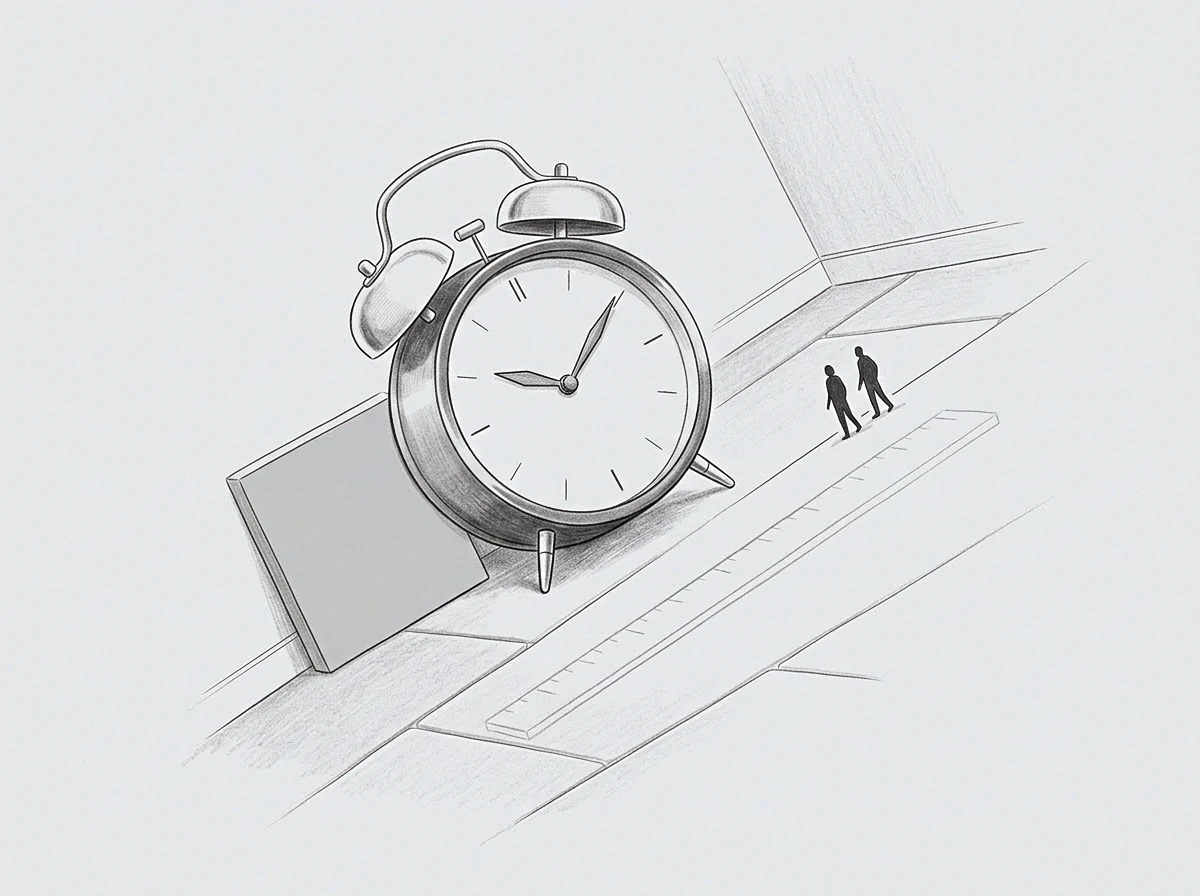
Biological recovery after prolonged operational stress does not occur rapidly upon removing the stressor. Re-establishing baseline sensitivity within the HPA axis requires sustained periods of structural silence that exceed the duration of acute exposure. When high availability demands cease suddenly, the neuroendocrine system frequently enters a hypocortisolemic state.
The adrenal glands, exhausted by prolonged overstimulation, fail to generate adequate cortisol upon demand. Workers in this state experience severe morning exhaustion, profound executive function deficits, and heightened emotional reactivity to minor operational friction.
Simultaneously, the reproductive endocrine axis undergoes marked suppression. Elevated glucocorticoids downregulate gonadotropin-releasing hormone secretion from the hypothalamus, leading to reduced LH and FSH release from the pituitary gland. In both male and female operators, testosterone and estrogen levels drop measurably.
This endocrine suppression accelerates muscle mass loss, increases visceral adiposity, reduces bone mineral density, and alters mood stability. The physical body remodels itself to survive a continuous state of emergency, shedding metabolically expensive systems in favor of basic operational survival.
Sustained evening cortisol elevation prevents normal cellular repair cycles during non-rapid eye movement sleep.
Chronic elevation of systemic inflammation markers accompanies these hormonal shifts. Interleukin 6 and C-reactive protein levels increase steadily in software engineers exposed to continuous real-time on-call rotas. Proinflammatory cytokines cross the blood-brain barrier, altering neurotransmitter synthesis and neuroplasticity.
Brain-derived neurotrophic factor levels fall, reducing the brain’s capacity to form new synaptic connections or adapt to complex novel problems. The software engineer’s primary professional tool, complex problem-solving capacity, degrades directly as a physiological consequence of unthrottled organizational demands.
Endocrine remodeling also impacts cardiovascular architecture. Failure of nocturnal blood pressure to dip by at least ten percent, a classic signature of sustained sympathetic tone, doubles long-term risk for vascular pathology. Arterial walls stiffen under continuous adrenergic stimulation.
Endothelial cells lose the ability to synthesize nitric oxide efficiently, reducing vascular compliance. The physical damage accumulates silently over years of carrying continuous operational risk across distributed systems without enforced availability limits.
How long can human endocrine architecture sustain continuous real-time availability before tissue-level desensitization becomes completely irreversible?
Matrix
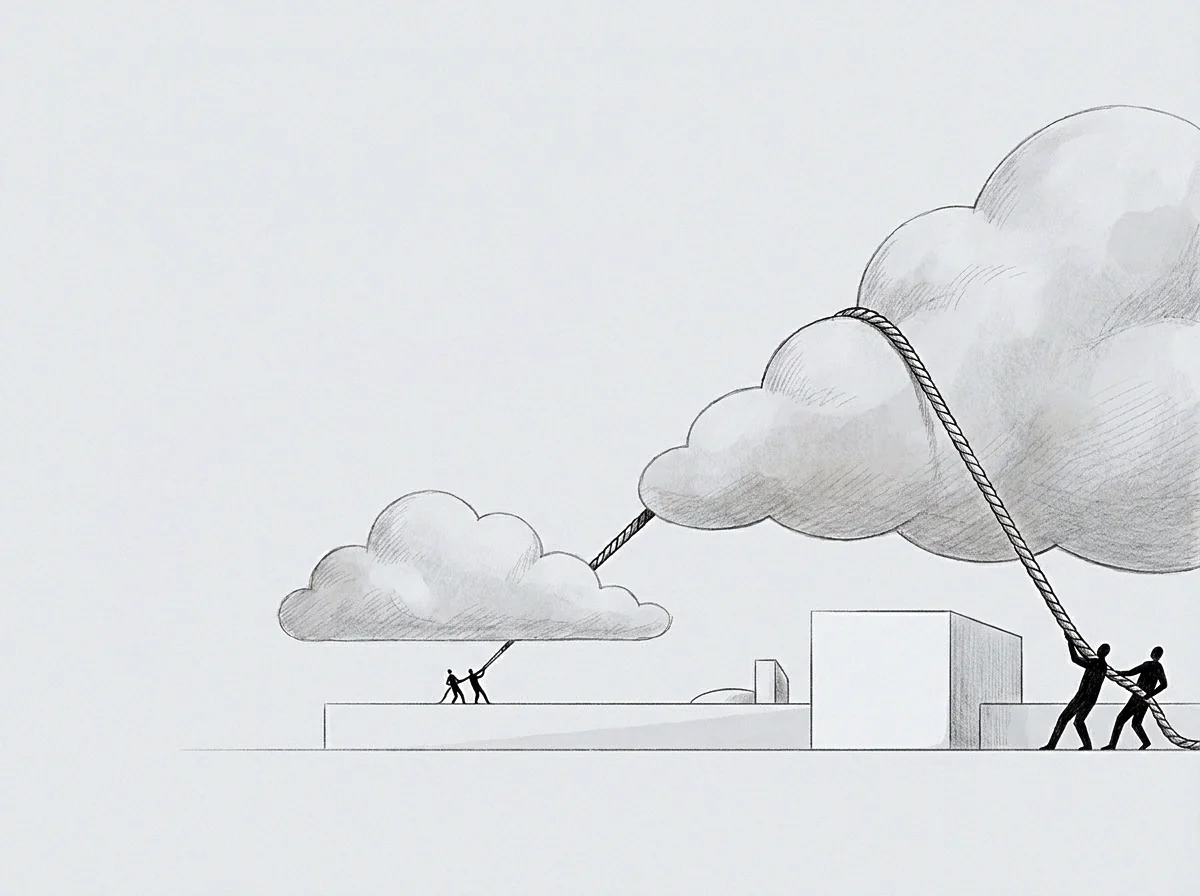
Organizations approach availability design through varied architectural choices, each imparting a distinct physiological cost on engineering staff. Evaluating these models requires measuring biological load alongside traditional operational metrics like mean time to resolution.
| Availability Model | Dominant Endocrine Signature | Autonomic State | Operational Latency | Structural Load Transfer |
|---|---|---|---|---|
| Continuous Real-Time Ping | Elevated midnight cortisol, suppressed morning peak, high IL-6. | Sustained sympathetic overdrive, depressed heart rate variability. | Low initial latency, high long-term error rate. | Zero load transfer; individual biological system absorbs all system friction. |
| Asynchronous Stated Batch | Restored diurnal cortisol slope, baseline inflammatory markers. | Parasympathetic dominance during off-duty blocks. | Moderate predictable latency, high code quality. | High load transfer; operational architecture absorbs queuing delay. |
| Rotational Hard Wall | Acute transient cortisol spikes during rotation, rapid recovery off rota. | Cyclic sympathetic activation followed by parasympathetic rebound. | Low latency during shift, zero exposure outside shift. | Complete load transfer; clear handovers enforce absolute systemic boundaries. |
Continuous real-time ping environments trade human endocrine health for low initial response latency. Because alerts land directly on personal devices without temporal filters, engineers maintain constant mental scanning behaviors. The body treats this continuous monitoring state as active operational engagement.
As biological fatigue accumulates, cognitive accuracy declines, leading to human operational errors during critical incident handling.
Asynchronous stated batch designs re-establish physiological safety by capping real-time expectations. Communication occurs within predefined temporal windows, allowing the autonomic nervous system to complete parasympathetic recovery loops. Software release management shifts from continuous deployment panics to scheduled, load-balanced operations.
Queuing theory replaces personal heroics as the primary mechanism for managing system operational strain.
An unstated availability expectation converts every silent hour into active biological vigilance.
Rotational hard wall structures isolate operational stress within defined, bounded shifts. An engineer on duty operates under active sympathetic engagement, but the biological system anticipates a complete, guaranteed offset upon shift completion. The biological cost remains bounded because the endocrine system recognizes a definitive end state.
Off-duty engineers disconnect entirely, allowing thyroid, gonadal, and HPA axis functions to return to physiological setpoints.
The team requires absolute continuous availability across every hour of the week regardless of human physical cost.

Floor
Mitigating long-term endocrine damage requires replacing personal emotional boundaries with hard operational limits. An individual stating personal burnout creates a vulnerable social negotiation; an organization establishing a structural availability wall creates an objective physical rule. The stated limit is a wall, not a person.
Systemic load must meet clear technical boundaries rather than pushing against human physiological tolerance until collapse occurs.
Engineers can implement state-gated communication protocols to protect cellular recovery cycles. A state-gated act prevents notifications from reaching an individual based on objective system variables, such as local time, current shift status, or system alert severity level. Decision-gated availability, where an individual manually decides whether to answer an off-hours ping, fails routinely because the act of evaluating the ping activates the sympathetic threat-response loop.
State-gated mechanisms strip away the psychological burden of deciding, shielding the neuroendocrine system from acute cognitive evaluation.
Operational design must enforce structural caps on continuous real-time demands through distinct operational parameters:
- Hard Incident Handover Rules mandate complete transfer of operational context and alert routing at the exact boundary of a shift, blocking off-duty access.
- Alert Severity Throttling restricts immediate mobile notifications exclusively to high-severity infrastructure failures, filtering non-urgent tasks into asynchronous queues.
- Mandatory Recovery Blocks enforce twenty-four hours of complete platform disconnection following high-severity nighttime incident remediations.
Deriving availability from clear position and cost statements protects organizational capacity over multi-year horizons. When an organization defines exact operational costs for off-hours intervention, system architects optimize infrastructure to reduce human dependence. High-availability systems transition toward self-healing patterns, automated rollbacks, and resilient fault isolation.
The system learns to absorb operational friction programmatically rather than passing the strain onto human HPA axes.
A stated operational cutoff transfers the burden of regulation from biological stress pathways to system architecture.
The physical body maintains strict limits that no amount of corporate culture work or personal resiliency training can bypass. When real-time demands respect the biological necessity of temporal recovery windows, endocrine setpoints stabilize naturally over time. Protecting human regulatory capacity is an engineering requirement for long-term system stability.
A stated availability boundary holds only when the operational architecture absorbs the latency without breaking.