
Measuring Cognitive Latency Spikes in Enterprise Governance During Exhaustion
Cognitive latency spikes in governance occur when executive allostatic load forces cognitive processing into serial verification expanding risk review dwell times

Strain
Executive exhaustion shows up primarily as stretched response intervals during risk evaluations. Under sustained physiological load, cognitive capacity maintains decision accuracy by taking longer to process information rather than by producing immediate errors. Once systemic load saturates, working memory slows the verification of incoming variables.
Governance models designed around immediate signoffs stretch out as decision-makers delay binding votes to avoid analytical errors.

Cognitive Queue Accumulation Under Continuous Operational Load
When incoming governance queries outpace capacity, internal verification pauses. A decision-maker keeps the formal criteria in mind but loses the processing speed needed to clear pending items. As requests accumulate in executive queues, institutional controls that rely on rapid signal processing fail because exhausted leaders hold proposals in review for days instead of minutes.
Continuous allostatic load shifts executive capacity from parallel processing to serial verification, expanding governance response times exponentially.
Analytical throughput degrades systematically under high load. An executive tries to offset processing failures by re-reading operational briefs, checking baseline metrics repeatedly, and seeking redundant signoffs from advisors. As exhaustion shifts risk perception, these additional loops lengthen evaluation times by factors of four to six during peak operational strain, reaching the hard threshold of working memory capacity.
Failing to register this latency forces lower-tier managers into unsanctioned workarounds while binding decisions sit unresolved in executive queues.

Drift
Governance systems rely on predictable intervals between proposal submission and formal signoff. When latency builds at the executive tier, operations below stall out. Projects miss contract windows while authorizations remain pending, prompting operational units to adapt by altering authorization rules without formal board clearance.

Downstream Execution Loss From Delayed Signoffs
Faced with tight deadlines, operational teams turn administrative delays into informal assumptions. Middle managers treat executive silence as tacit approval, advancing financial commitments before risk reviews conclude. The floor proceeds on unverified parameters, compounding compliance exposure across business units.
- Threshold Dissolution operational boundaries soften when middle managers proceed without explicit board authorization.
- Deferred Auditing compliance backlogs grow with unverified records while committee chairs handle immediate tactical emergencies.
- Unilateral Authorization project leaders sign commitments exceeding financial mandates to prevent vendor contract cancellations.
The buildup of unverified commitments undercuts institutional risk models. When binding decisions stall, lower-tier staff establish shadow paths to keep work moving, leaving formal policy documents unchanged while daily operations drift away from written protocol.
A governance queue that doubles in dwell time produces a quadrupling of informal operational deviations at the execution layer.
Waiting for board approval introduces higher operational loss than proceeding with unverified vendor terms.

Frame
Governance architecture relies on explicit tiers to determine which decisions require executive intervention. Standard operating models assume leadership capacity scales to match organizational demand. When sustained exhaustion narrows cognitive capacity, governance thresholds need to align with actual verification bandwidth.
Structural boundaries protect executive focus by routing lower-impact decisions away from saturated nodes. Without this filtering, routine signoffs crowd out strategic risk evaluations.
| Capacity State | Verification Throughput | Average Decision Latency | Risk Threshold Variance | Escalation Rate |
|---|---|---|---|---|
| Baseline Capacity | High Parallel Processing | 4 to 12 Hours | Strict Protocol Alignment | Standard Escalate Flow |
| Moderate Load | Serial Verification | 24 to 48 Hours | Minor Boundary Creep | Increased Re-work Loops |
| Severe Exhaustion | Queue Stagnation | 72 to 168 Hours | Unsanctioned Workarounds | Emergency Bypass Active |
Structural gating curbs the volume of risk files reaching depleted committee chairs. Offloading secondary spending approvals to automated policy engines preserves cognitive capacity for core enterprise risks, anchoring governance resilience in administrative controls rather than executive endurance.
An exhausted governance committee retains its formal voting authority while losing its capacity to parse complex risk variances.
Whether delegation rules can automatically narrow executive signoff scope during periods of measured cognitive depletion remains an open question in institutional governance design.

Delay
Tracking temporal lag across enterprise authorization points requires logging the intervals between initial submission and final determination. This isolates administrative transit from genuine review time. As analytical latency builds, the gap between opening a file and casting a vote widens along predictable curves.
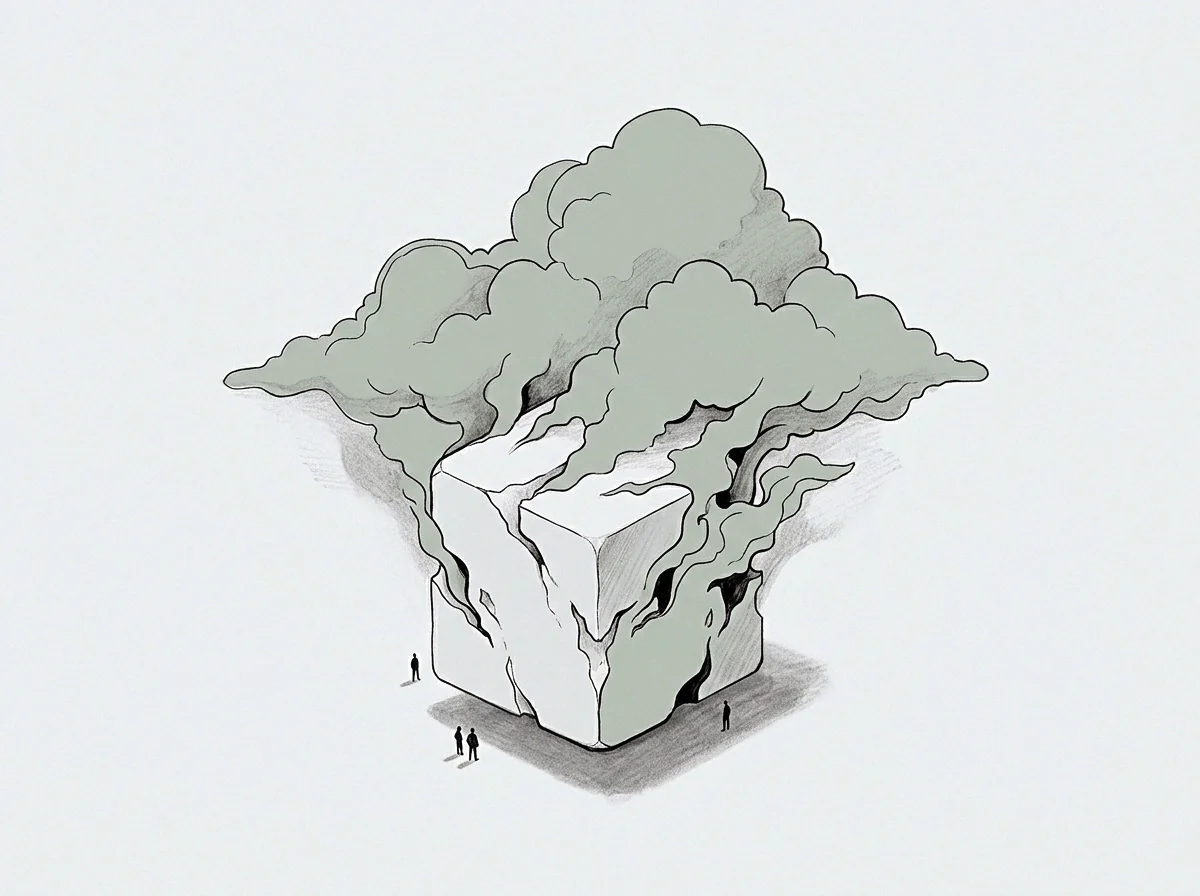
Are Executive Decision Delays Measurable During Systemic Fatigue?
Portal audit logs establish reliable baselines for evaluation intervals. Tracking dwell time on complex risk files reveals clear shifts in cognitive engagement as physical fatigue deepens, with latency spiking primarily during final-stage reviews that demand multi-variable trade-offs.
- Record baseline approval timestamps during low-stress quarterly cycles.
- Map review duration variance against volume spikes during audit windows.
- Calculate the expansion factor when decision queues exceed individual working memory limits.
- Isolate individual cognitive latency from procedural bottlenecks through multi-signer timestamp comparisons.
Measurements across multi-board reviews indicate that severe executive fatigue doubles decision latency every fourteen operational days. Tracking these timestamp deltas establishes an objective capacity floor for enterprise governance operations.
Introducing a forty-eight-hour triage rule caps open queues and prevents exponential latency growth.
Gauge
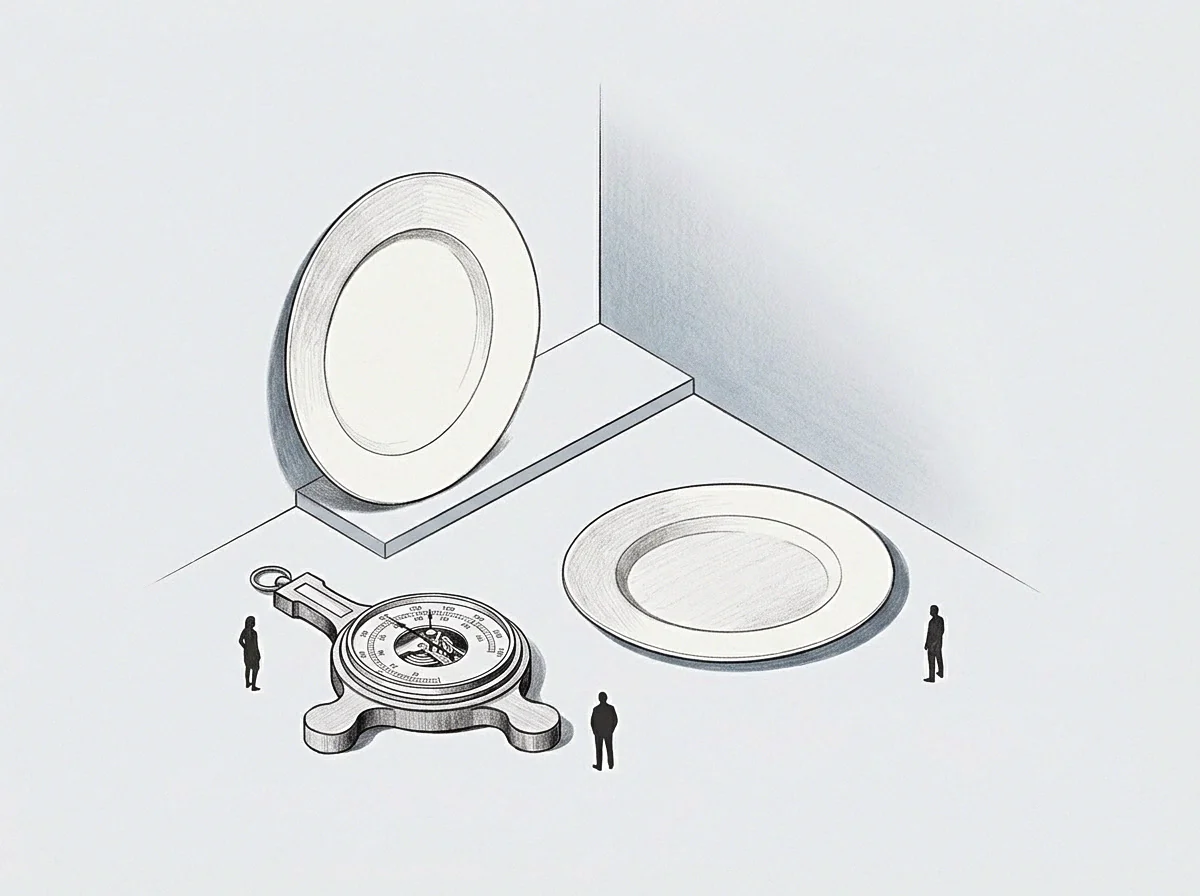
Protecting risk assessment during acute fatigue requires structural boundaries rather than calls for personal endurance. Governance latency serves as a direct indicator of exhaustion along the decision chain, and capping open queues maintains organizational stability when individual processing slows down.

Structural Interventions To Restore Governance Velocity
Administrative limits keep overloaded leaders from holding proposals indefinitely. When approval latencies pass predefined parameters, automatic delegation clauses engage, transferring authority to maintain operational continuity across business units.
Enforcing hard queue limits forces immediate governance delegation before cognitive capacity collapses into total latency paralysis.
When governance boundaries are set as explicit structural rules, enterprise operations follow predetermined authorization paths without relying on executive availability.