
Setting Intake Limits To Prevent Executive Exhaustion
Setting structural intake limits caps concurrent open cognitive threads, preventing elevated allostatic load and maintaining executive strategic capacity.

Ceiling
Late in the evening, an operator sits at a desk facing seventeen unread direct messages, three urgent request forms, and five open email drafts requiring strategic evaluation. Incoming volume expands continuously while biological processing capacity remains strictly bounded. When every incoming query demands immediate cognitive appraisal, the prefrontal cortex operates at maximum metabolic load.
The physiological toll of sustained regulatory demand creates what stress physiology terms elevated allostatic load. The system eventually enters state-level throttling, slowing executive function to protect basal biological systems. Observers frequently misinterpret this protective regulatory slowdown as clinical depression, but throttling represents an active regulatory ceiling rather than operational failure.
Unmanaged incoming streams force continuous cognitive appraisal and deplete prefrontal reserves long before physical work begins.
Working memory maintains a finite concurrency limit, typically managing no more than four active conceptual items simultaneously. When incoming items bypass structural thresholds, they convert directly into ungated threads that consume active operational capacity. Every unassigned item occupies working memory.
Across every unclassified ping, the executive brain constantly assesses threat, urgency, and relational standing, emptying its reserves before noon. When structural limits fail to protect the intake perimeter, cognitive processing collapses into severe executive depletion, eliminating the strategic capacity necessary to run an enterprise.

Wall

Establishing Structural Perimeter Thresholds
Effective operational architecture positions structural filters between external demands and executive attention. An intake perimeter prevents raw operational noise from reaching the strategic core unfiltered, while a concrete barrier stops unvetted items from triggering involuntary physiological appraisal cycles.
- Asynchronous Intake Windows concentrate incoming operational queries into two discrete daily assessment intervals, terminating continuous real-time appraisal strain across morning hours.
- Standardized Submission Protocols mandate that every incoming operational proposal state its scope, monetary impact, and required timeline before reaching the executive calendar.
- Delegated Authority Matrices assign full operational resolution rights for all decisions below established financial thresholds to departmental leaders, removing routine operational permissions from executive queues.
Establishing explicit structural criteria for incoming demands converts chaotic interruptions into predictable operational batches.
The introduction of a formal forty-eight-hour evaluation protocol for all non-critical operational submissions prevents immediate cognitive capture by external parties, preserving the morning hours exclusively for strategic capital deployment.

Table

Comparative Analysis of Intake Architectures
Organizations deploy distinct methods for managing communication flow to executive offices. Evaluating these structural approaches demonstrates their physiological and operational impacts.
| Intake Model | Perimeter Control | Appraisal Frequency | Regulatory Capacity Impact |
|---|---|---|---|
| Open Direct Messaging | Absent | Continuous | Rapid depletion of executive cognitive reserves through chronic alerting |
| Tiered Operational Filter | Delegated to operational staff | Scheduled intervals | Preserves prefrontal headroom for complex strategic decisions |
| Asynchronous Dossier Queue | Standardized written briefs | Bi-weekly batch reviews | Maintains stable allostatic load across long development cycles |
Unfiltered channels generate continuous appraisal demand, with individual threads consuming open slots in working memory.
The operational team often expects constant real-time visibility and instant informal direction at every hour of the working day.

Post

Which Intake Channels Degrade Regulatory Capacity Fastest?
Real-time conversational platforms impose the heaviest cognitive wear on executive decision makers. These channels blend tactical trivia with high-stakes commercial emergencies in a single continuous stream, forcing involuntary task-switching every few minutes.
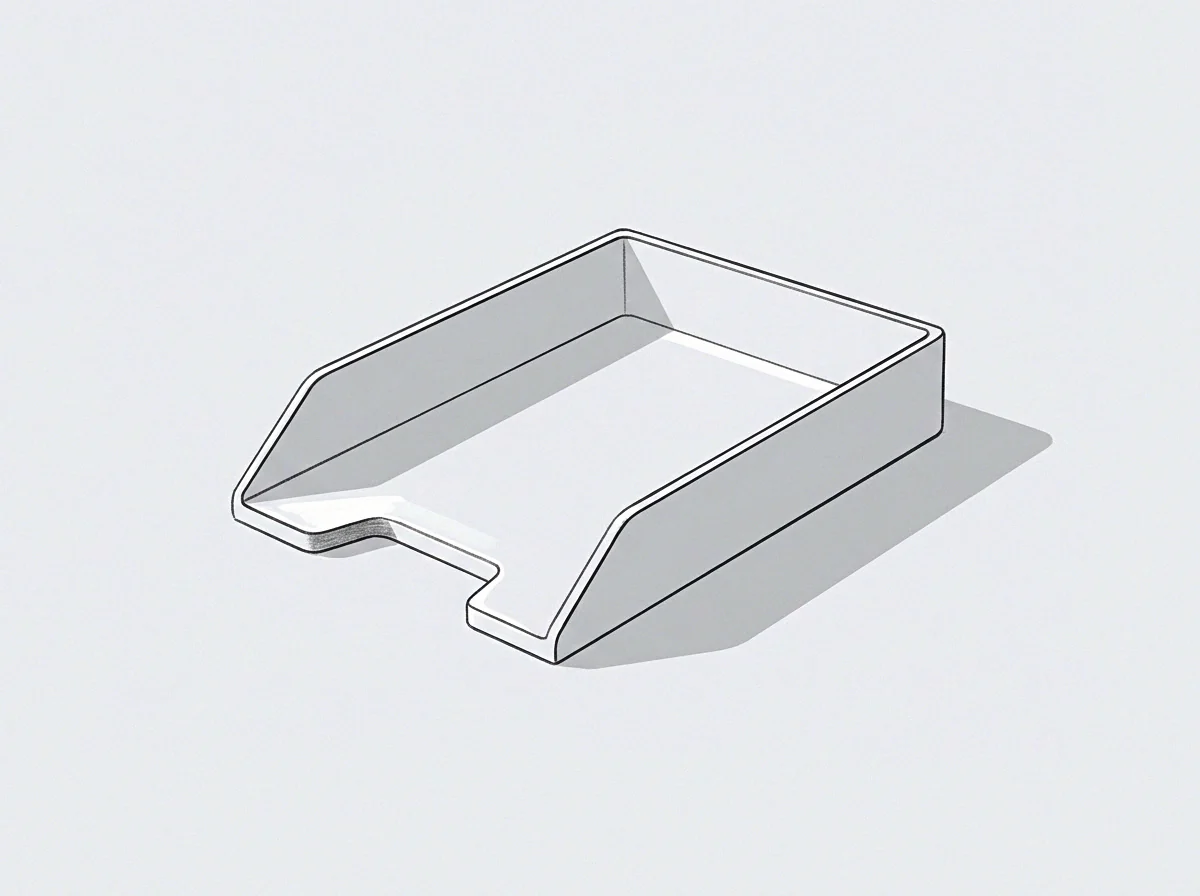
Cognitive capacity degrades under continuous interruption. Maintaining dedicated physical and temporal posts for distinct categories of communication isolates operational fire drills from deep strategic work.
A structural limit held consistently protects long-term strategic throughput far better than personal endurance.
That channel stayed dark until morning. Structural limits must exist independent of momentary executive energy levels.
Gauge

Headroom Metrics and Sustainable Steady State
Executive performance depends on measurable cognitive headroom, defined as the remaining regulatory bandwidth available after servicing existing operational commitments. When intake channels operate without strict ceilings, headroom approaches zero, triggering executive paralysis and reactive decision-making patterns. The perimeter defines sustainable throughput, and latency acts as an appraisal filter.
Protecting executive headroom requires treating cognitive capacity as a strictly finite operational asset subject to hard volumetric limits.
The fundamental operational dilemma remains whether an organization can sustain competitive velocity while permanently restricting real-time executive accessibility across its primary commercial interfaces.