
Asynchronous State Repositories Reduce Cortisol Spikes In Remote Engineers
Versioned asynchronous state repositories transfer cognitive context from human memory to durable records, eliminating adrenal surges caused by live interruptions.
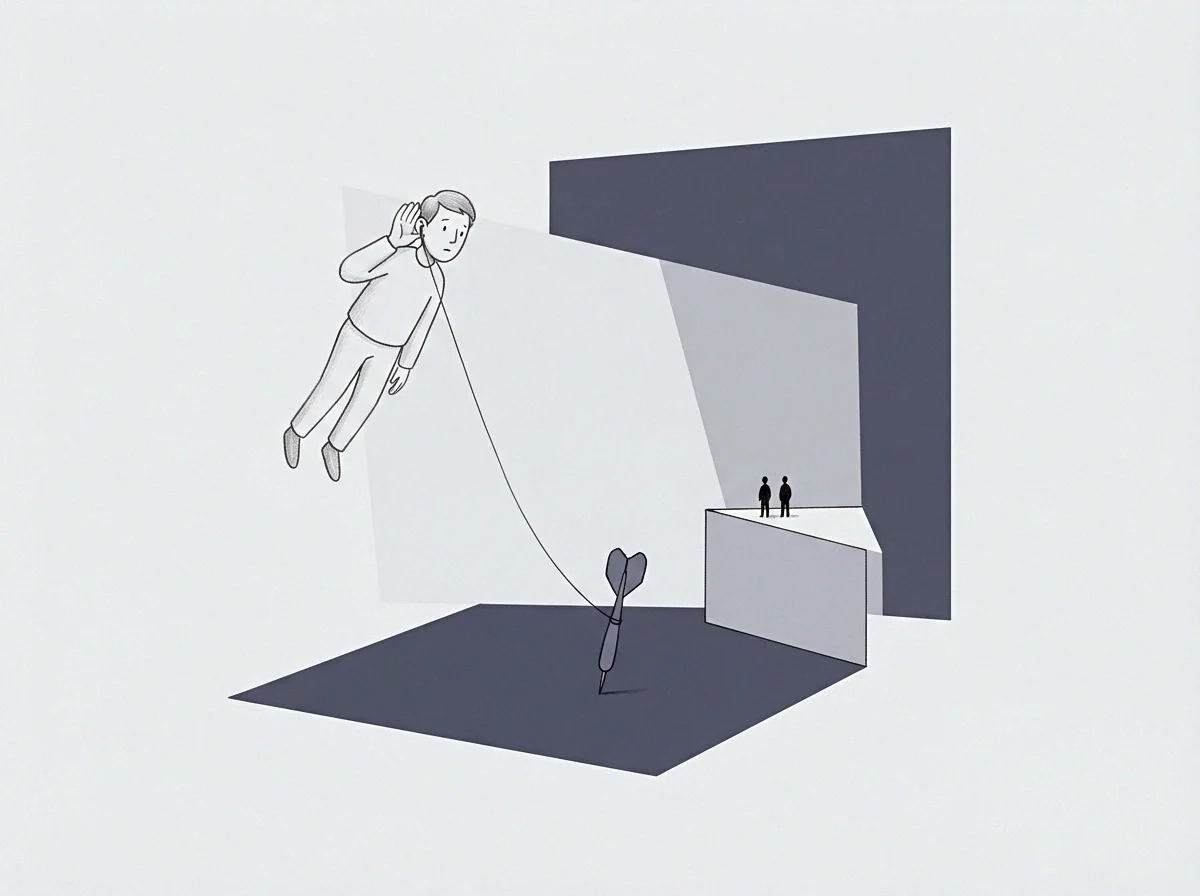
Pulse
Three terminal windows glow white against an unlit room at four in the morning. An incoming notification chimes with a question about an uncommitted patch, followed twenty seconds later by an inquiry about database migration status. The engineer sits motionless while heart rate accelerates by thirty beats per minute before fingers reach the keyboard.
That physiological reaction reflects an immediate adrenal surge set off by the demand for instant situational awareness. When an operating environment expects engineers to reconcile software state out loud or over chat, the body handles every ping as an acute environmental shift. The sympathetic nervous system releases epinephrine alongside circulatory adrenocorticotropic hormone, preparing muscle tissue for exertion while shutting down cellular repair.
In remote engineering teams without persistent written records, the individual nervous system functions as the storage node of last resort.
Cortisol rises whenever an inquiry forces biological recall under social scrutiny before documentation can be verified.
Occupational endocrinology tracks this response through salivary cortisol samples taken at fifteen-minute intervals during technical incidents. When engineers must personally confirm deployment readiness in synchronous chat channels, salivary cortisol spikes and fails to clear the bloodstream for more than two hours after the exchange ends. The biological half-life of cortisol ranges between sixty and ninety minutes under resting conditions, but repeated live interrogation creates an additive curve.
The brain stays tethered to anticipation, holding the hypothalamic-pituitary-adrenal axis ready for threat detection instead of focused analytical work.
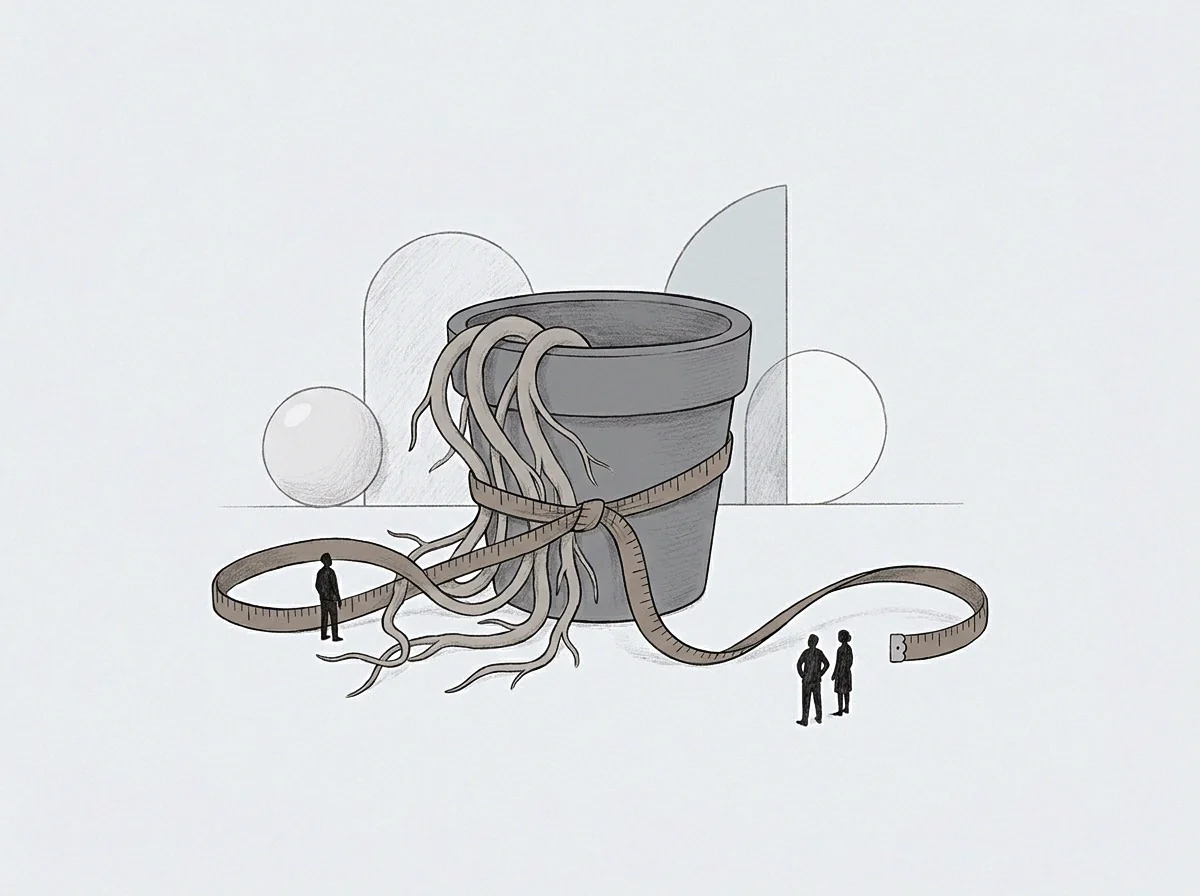
Adrenal Responses to Live Demands
Salivary glucocorticoid accumulation tracks the unpredictability of inbound messages rather than how difficult the technical problem is. Laboratory measurements of cognitive performance show that heavy mental effort during uninterrupted tasks produces minimal cortisol excretion when no external evaluation threatens the worker. The endocrine cascade shifts into distress once unpredictable social evaluation enters the loop.
Where an engineer knows that an unseen system fault will bring direct, live demands for verbal explanation, baseline cortisol elevations linger into off-shift hours.
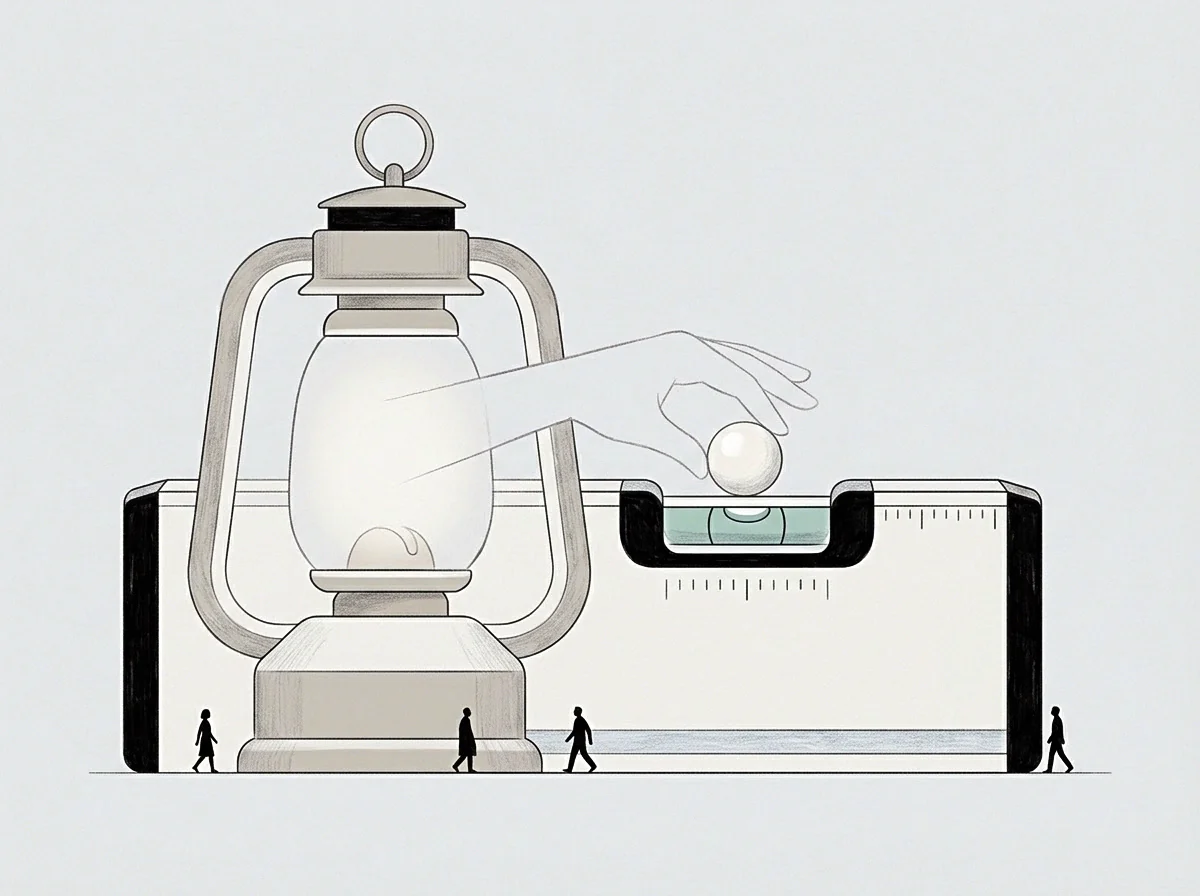
Interruption Patterns and Endocrine Recovery
Frequent task switching from synchronous inquiries keeps the parasympathetic nervous system from restoring autonomic homeostasis. Heart rate variability drops under the ambient expectation of immediate presence, marking suppressed vagal tone and prolonged sympathetic activation. When an engineer has to keep system variables in working memory to field sudden questions, the prefrontal cortex burns glycogen at elevated rates while circulating glucocorticoids interfere with hippocampal consolidation.
Incomplete documentation forces human biology to absorb operational volatility that belongs in the software infrastructure, leaving chronic adrenal fatigue and broken sleep as the baseline operating tax.
Slate
Replacing personal interrogation with versioned, durable documentation transfers cognitive load from biological tissue onto persistent disks. A well-maintained asynchronous repository serves as an externalized cortex for engineering teams, recording exact state descriptions, historical branch diffs, and execution logs outside human memory.
When an engineer runs into an ambiguous production change, a version-controlled repository allows for independent inspection without starting a conversation. The tone shifts from defense to inquiry. The engineer queries a structured data store instead of interrupting a colleague or bracing for an evaluation of competence.
This separation unties data retrieval from social vulnerability, blunting the endocrine spike that comes with status checks in remote organizations.
A versioned record shifts the verification boundary from personal reputation to inspected source code.
The operational divide between live interrogation and static repository inspection shows up across everyday engineering tasks. When teams rely on asynchronous records, information retrieval runs as a background read process rather than a foreground biological disruption.
| Coordination Mode | Interruption Frequency | Latency to State Verification | Endocrine Activation Pattern | Epistemic Ownership Model |
|---|---|---|---|---|
| Synchronous Direct Inquiry | High and random | Variable based on human response | Acute adrenal spikes with prolonged decay | Fragile personal retention |
| Ephemeral Group Chat | Moderate and continuous | Delayed by context searching | Sustained baseline sympathetic arousal | Fragmented conversational threads |
| Versioned State Repository | Zero external interrupts | Deterministic file lookup time | Neutral autonomic profile | Explicit system documentation |
Structural Records Against Living Memory
Durable records remove the ambiguity that feeds organizational tension. When production configuration, infrastructure dependencies, and runbooks are committed alongside code, verification requires no intermediary. A remote engineer who can pull the exact commit hash and test output for a failing service faces no social exposure, because the check stays inside the local terminal.
Engineers working under this model show measurably flatter diurnal cortisol slopes, pointing to lower occupational strain and less hypervigilant monitoring. The documentation acts as a boundary by defining what is known, logging what remains open, and establishing operational parameters. Under this convention, if a procedure or variable has not been committed to the repository, it does not exist as an operational expectation for anyone on shift.
Shelf
Durable storage of technical context sets a physical boundary against operational pressure. When a colleague or manager asks for an immediate status update on an active rollout, an established repository points that inquiry toward files rather than someone’s active attention.
Take two remote engineering teams handling the same infrastructure failure. In the first, working without centralized records, every deployment break sets off video calls and direct messages across six time zones. Four engineers stop debugging to appease stakeholders with manual updates, driving salivary cortisol up across the group.
In the second, the deployment pipeline writes runtime metrics, stack traces, and mitigation steps directly into a ticket. The record handles the inquiries while the engineers work through the problem without interruption.
Physical repositories convert aggressive interpersonal demands into quiet file reads.
When a team fails to build durable repositories, specific behavioral deformations appear across the technical group:
- Tribal knowledge monopolies develop when senior engineers hoard unwritten system architecture to maintain personal leverage within the hierarchy.
- Hypervigilant presence rituals emerge as remote staff keep chat status indicators active at all hours to prove operational value.
- Context collapse events destroy productive afternoons through unstructured emergency meetings called to explain poorly documented features.
- Adrenal degradation cycles settle across engineering personnel subjected to unpredictable status interrogations during non-core hours.
Durable Artifacts as Physical Limits
Clear documentation establishes a structural wall that protects human capacity from excessive operational extraction. The push meets the documentation rather than the person. When incoming requests land on an existing record, the engineer stays insulated from an acute stress reaction.
There is no need to defend standing or reconstruct details from three sprints back; the incoming query simply gets routed to the shelf where the artifact lives.
Remote engineers who maintain this division report higher psychological safety and less physical exhaustion over time. The artifact carries the burden of proof. With the record already in place, the on-call engineer avoids disturbing anyone during the night.
Drift
Contextual degradation sets in whenever a team lets technical state drift away from durable storage. Systems slip out of alignment through continuous hotfixes, undeclared environment variables, and casual verbal agreements made during video calls. As that drift widens, the safety provided by documentation disappears, pushing engineers back into an alert posture.
Maintaining asynchronous repositories requires deliberate procedural discipline. Without strict commit habits, documentation falls out of date and misleads people during outages. When an engineer follows an outdated playbook and causes a secondary failure, the cognitive cost in attention and recovery hours compounds dramatically: trust in stored records breaks down, reviving the impulse to seek synchronous reassurance.
Restoring order requires a clear sequence of operational commitments:
- Automated capture binds telemetry data and configuration changes directly to the versioned branch without human transcription steps.
- Mandatory pull request summaries document architectural intent and operational tradeoffs before code enters the main branch.
- Ephemeral incident logs convert into permanent post-incident documentation within twenty-four hours of resolution.
- Stated retrieval paths define exactly where operational runbooks live to prevent desperate conversational queries.
Decoupling Temporal Urgency From Operating Logic
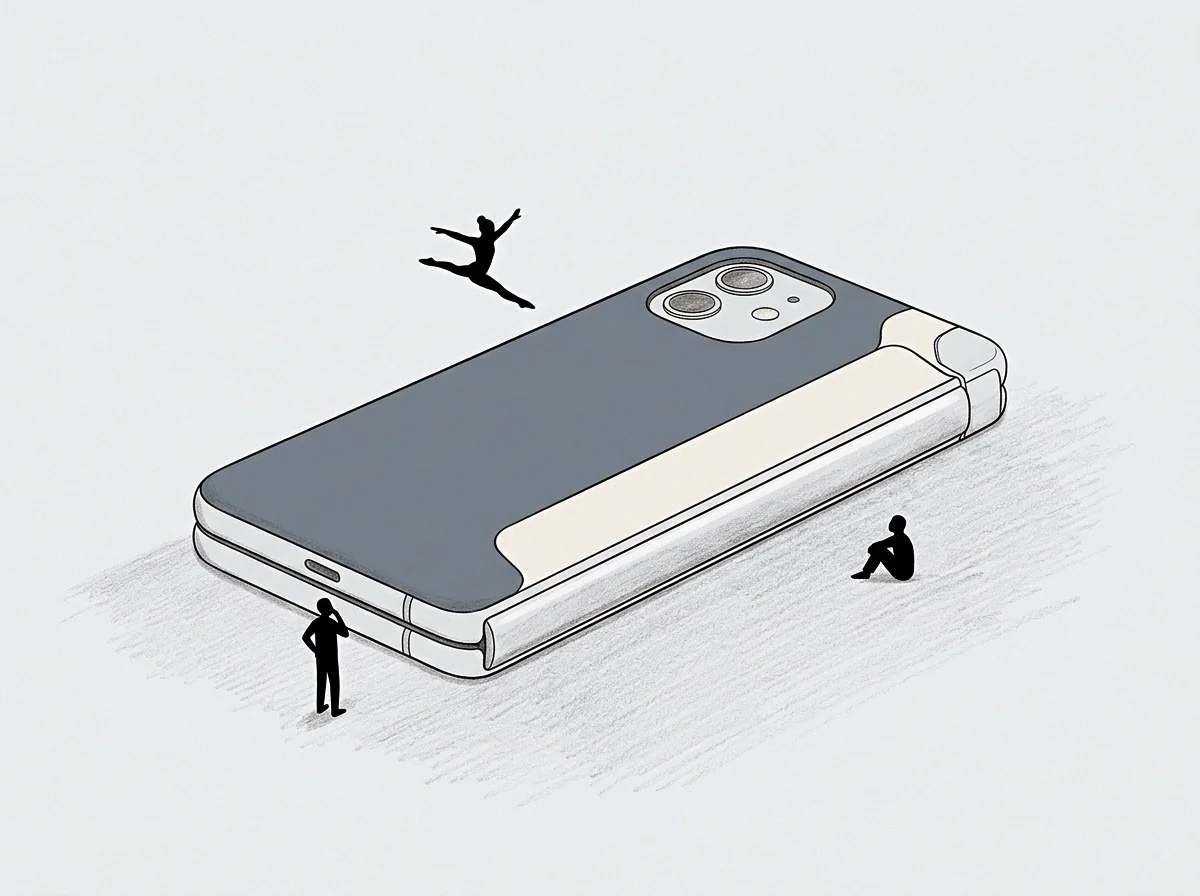
Real-time chat platforms give an impression of speed while running down biological capacity. The constant red notification dot trains the brain to brace for friction, elevating resting cortisol across distributed teams. Moving technical coordination into pull requests, issue trackers, and versioned wikis separates problem-solving from immediate conversational demands.
The engineer reviews code and notes when focus allows, not when an alert sounds. That separation protects uninterrupted concentration and lowers baseline sympathetic tone. What remains unsettled across the industry is whether high-velocity product teams can preserve strict asynchronous documentation standards during commercial crises without defaulting back to live panic channels.
Anchor
Operational resilience depends on boundaries that insulate human biology from ambient organizational volatility. An asynchronous repository is an engineered barrier placed between nervous systems and workplace pressure.
Remote engineering managers who trade synchronous status checks for disciplined, versioned documentation see immediate drops in physical stress indicators among their teams. Cognitive capacity returns to system architecture, bug fixes, and sustained development. Putting technical reality into searchable, durable records strips arbitrary interpersonal evaluation out of daily engineering work.
The state stays anchored in code, leaving the engineer able to build without physical breakdown. The durable record outlasts the panic of the hour.