Meaning
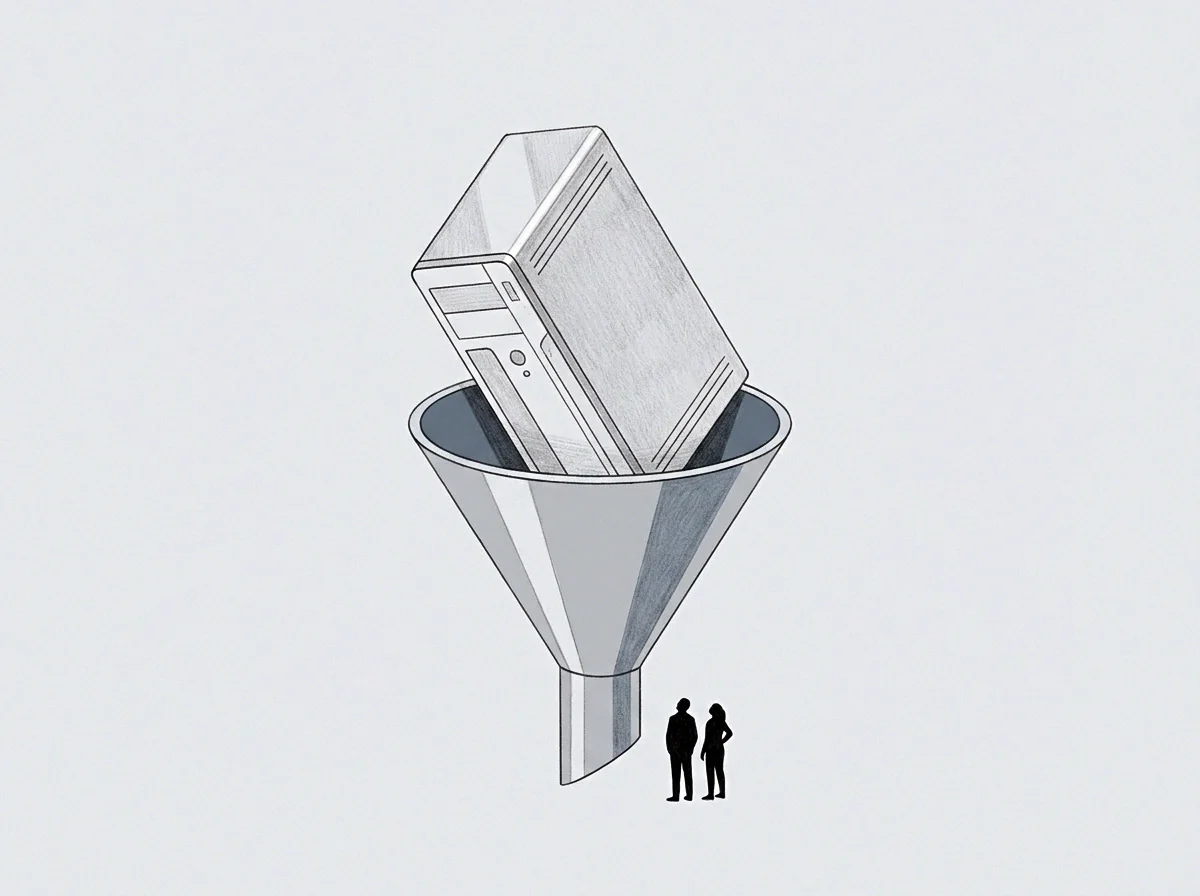
The total volume of mental resources available for problem solving and strategic decision making limits daily performance. This asset, known as cognitive capacity, dictates how many complex variables a person can hold and process simultaneously. Once this resource is exhausted, further efforts result in steep declines in output quality.
Energy Expenditure
Daily decision making consumes neurological resources over time. When cognitive capacity is high, complex trade offs are resolved with greater accuracy and less emotional strain. Sustaining this level of performance requires structured periods of rest and recovery.
Systemic Constraint
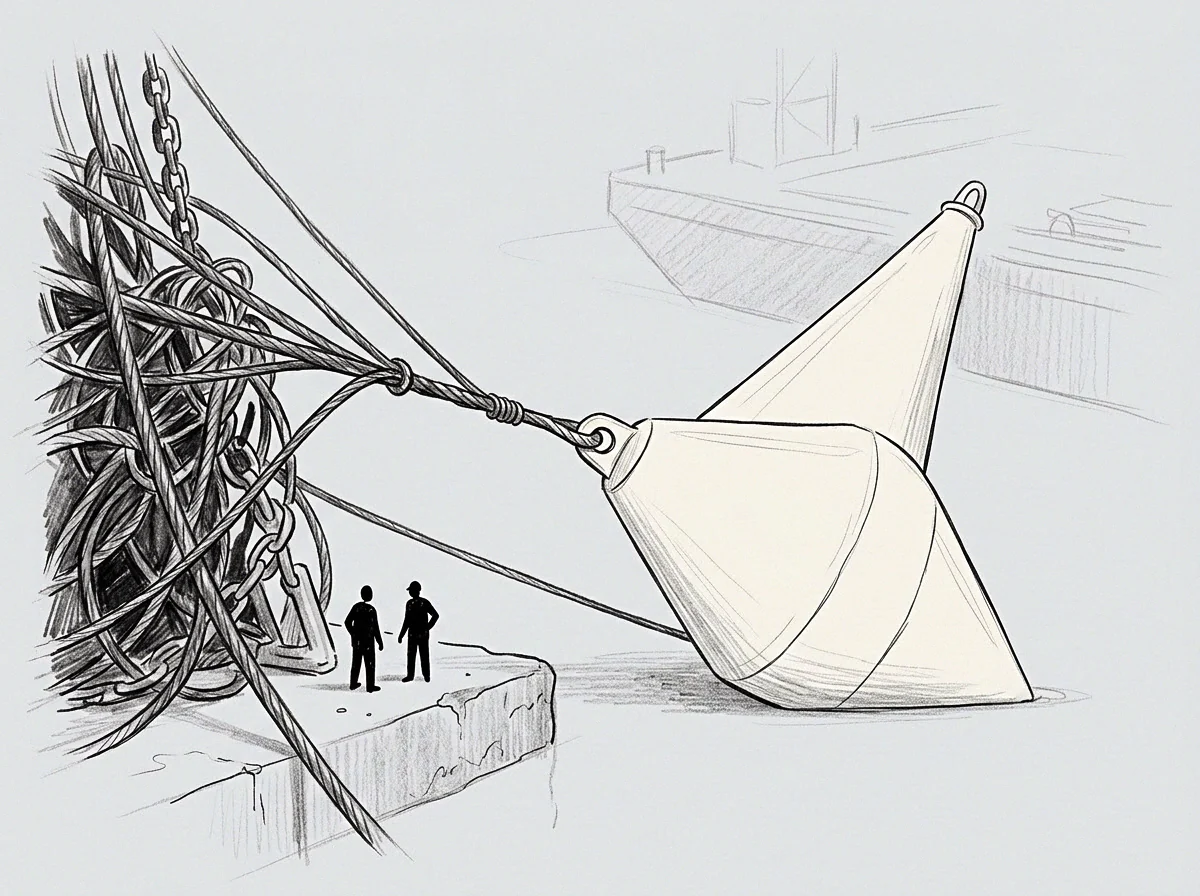
A startup environment forces founders to confront unexpected problems every single hour. Managing the limits of cognitive capacity involves delegation and the elimination of low value choices to preserve energy for high stakes issues. This defensive practice prevents executive failure under stress.
Boundary Condition
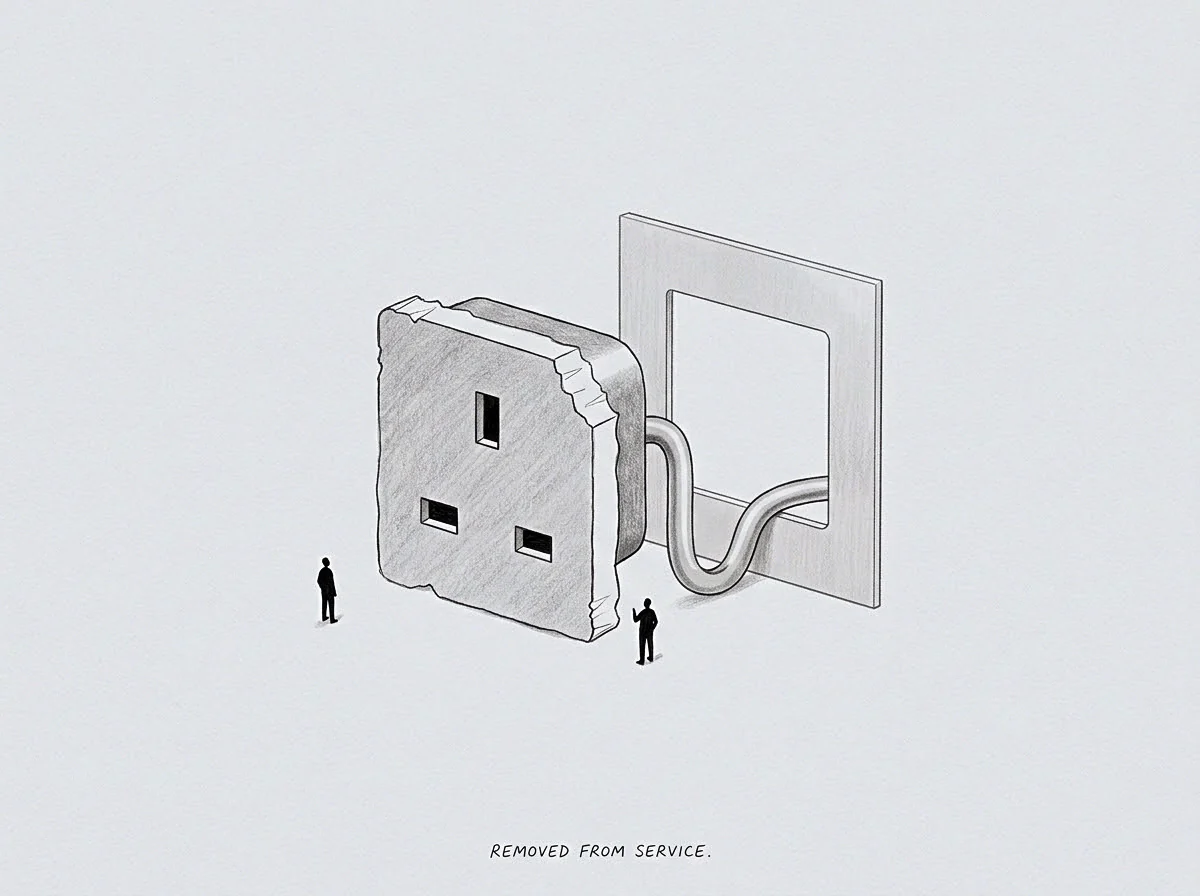
Operational thresholds dictate when sleep deprivation or prolonged stress impairs processing speed. Under these adverse conditions, a collapse of cognitive capacity occurs, which shifts the individual from proactive planning into a survival state of passive reaction. This shift severely restricts the ability to analyze complex data blocks and make long term projections.
The cost is calculated in delayed milestones and missed opportunities.