
Measuring The Transfer Function Of Structural Terms Under High Allostatic Stress In Early Organizations
Structural terms act as low-pass filters that attenuate high-frequency demands during organizational allostatic overload.

Signal
Four unread escalation queues sit active on a Friday evening while the primary operational node faces capacity saturation. In early firms, structural conditions remain latent during low-demand periods because human flexibility absorbs incoming variance. When client volume multiplies rapidly or capital runway shrinks, the baseline operating state shifts into chronic physiological strain.
The load transfers immediately.
Allostatic load represents the cumulative physiological wear on individuals who regulate systems under persistent strain. During early operational phases, team members routinely compensate for missing process definitions by using personal effort, late-night communication, and real-time coregulation. This reliance on interpersonal buffers masks structural absence.
When environmental volatility increases, the human capacity to absorb operational noise reaches a hard ceiling.
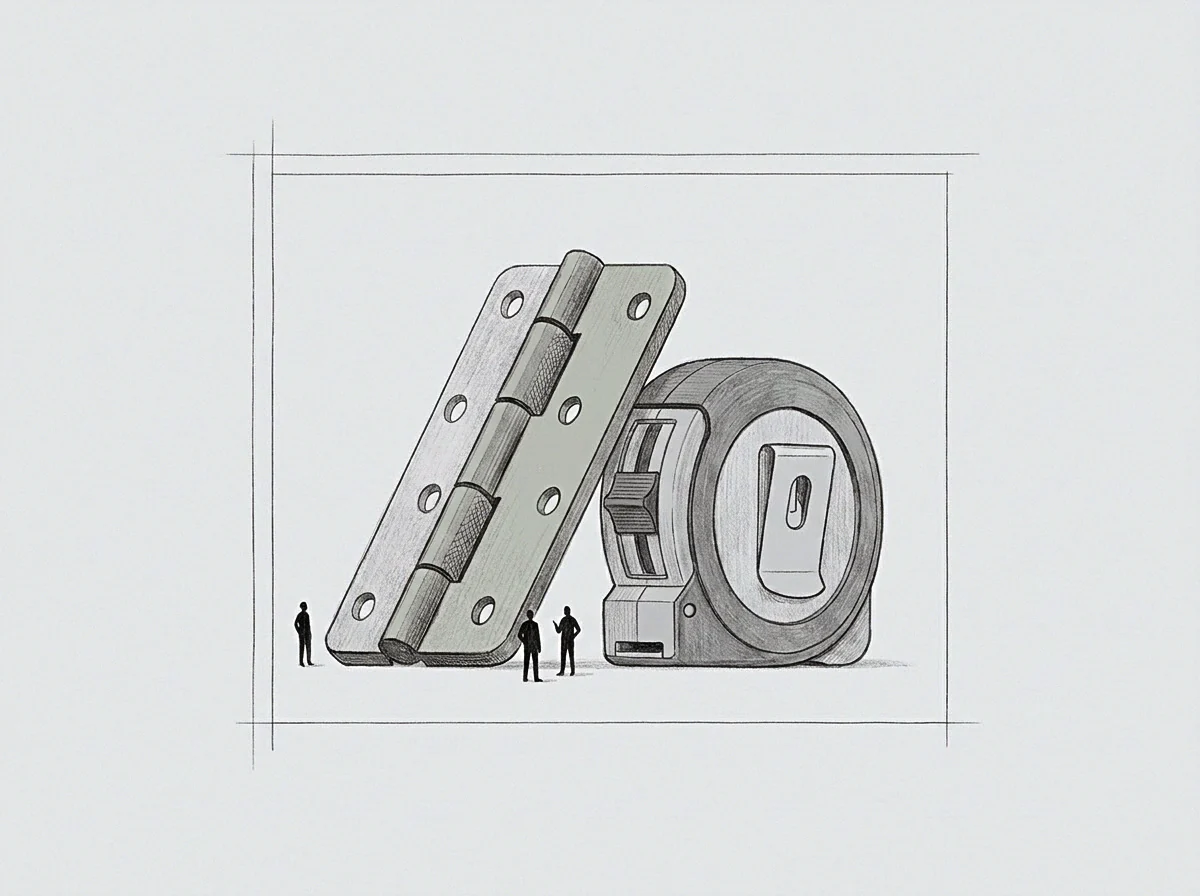
Mapping Load Amplification Across Early Operational Loops
When an early firm expands operations, initial communication patterns rely heavily on interpersonal coregulation. Individuals read emotional cues, gauge energy levels, and adjust task distribution through real-time conversation. Under low operational strain, this adaptive flexibility appears efficient.
Stress alters the transfer function.
A transfer function defines the mathematical relationship between incoming operational demands and outgoing task execution. Under baseline conditions, an incoming request produces a linear, predictable response. As individual allostatic load rises, cognitive bandwidth contracts, working memory capacity drops, and emotional reactivity increases.
The transfer function becomes highly nonlinear. A standard request yields disproportionate operational friction, delayed execution, or complete structural stalling.
Unstated terms collapse into mood. When boundary conditions remain informal, incoming demands bypass structural gates and attach directly to individual coregulation capacity. The person carrying the operational hub attempts to compensate through increased personal availability.
This strategy accelerates cognitive fatigue. Without explicit structural terms acting as low-pass filters, emotional state begins dictating throughput.
Under elevated allostatic stress, an unstated operational boundary transfers processing load directly to human coregulation until individual capacity collapses.
A clear operational limit functions as a rigid wall rather than a flexible personal negotiation. In systems theory, a load-transferring structure pushes against a regulator until encountering an unyielding constraint. When terms are explicit, incoming demands strike the term rather than the individual.
Stated response windows, capped throughput metrics, and decision-gated authority isolate individual human regulation from operational overload.
Failing to define explicit terms before allostatic load spikes forces the entire system to run on human physiological reserves until structural breakdown occurs.
Lever
An explicit structural condition modifies how an incoming demand transforms into operational throughput. When early organizations face high environmental stress, formal terms replace interpersonal negotiation as the primary load-bearing mechanism. This transition requires moving from implicit expectations to unambiguous, state-gated rules that govern capacity allocation.
Consider an early software firm operating without formal service level agreements or clear scope boundaries. During initial product launches, the founder absorbs client requests at all hours. Under moderate stress, this open channel creates rapid feedback loops.
As client onboarding accelerates, incoming requests saturate the founder’s cognitive capacity. The absence of structural terms forces every request to be evaluated through personal decision-making, consuming finite metabolic and mental energy.
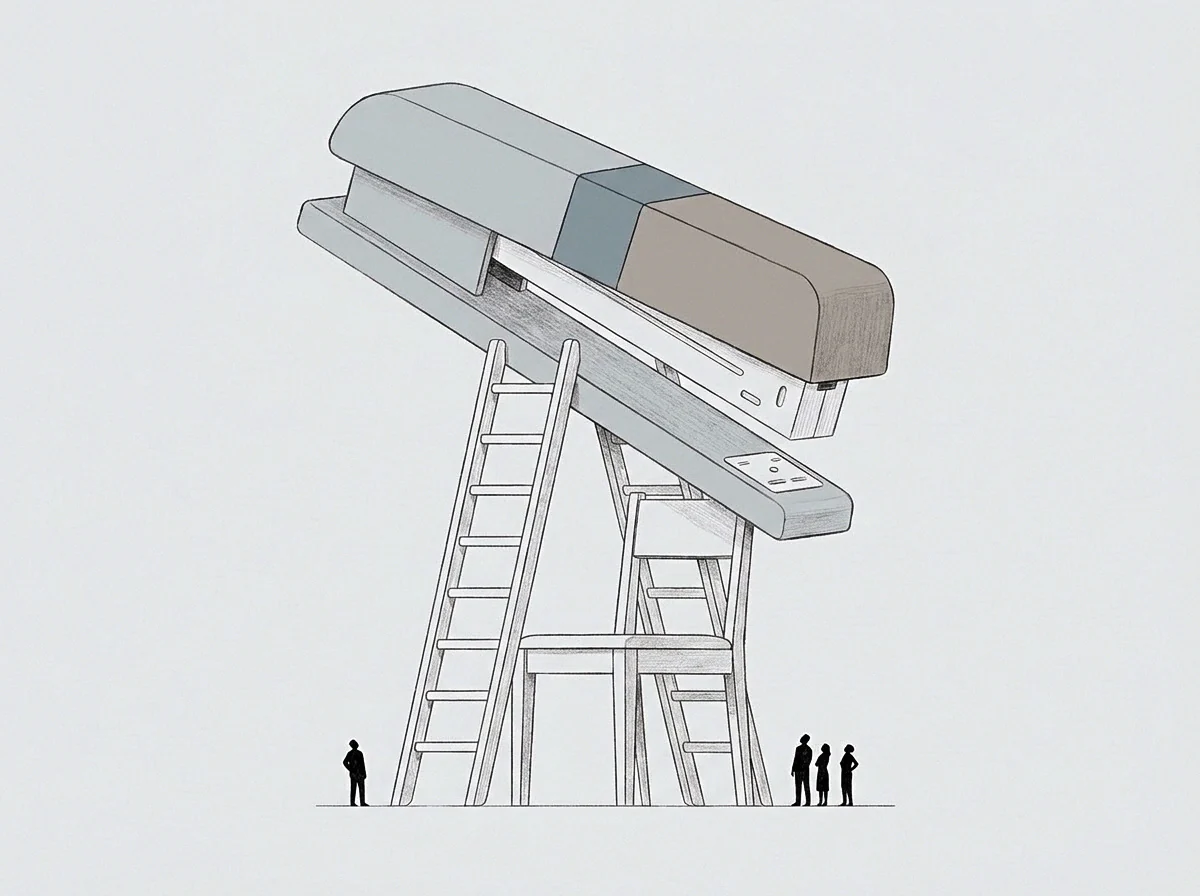
Structural Term Transfer Performance Under Stress
Evaluating how formal boundaries process task assignments requires tracking specific quantitative parameters across operational shifts. The capacity ceiling is real. Under low stress, informal systems mask boundary decay because workers invest personal effort to resolve ambiguities.
Under high strain, informal systems amplify error propagation and increase queue latency.
| Operational Variable | Baseline Load Transfer | Elevated Allostatic Stress Transfer | Systemic Failure Mode |
|---|---|---|---|
| Signal Gain Ratio | 1.0 (Linear request-to-task conversion) | 2.5 (Demands produce exaggerated friction) | Emotional escalation across teams |
| Queue Latency | Short, variable processing windows | Extended, unpredictable backlogs | Unprocessed operational requests |
| Boundary Stability | Maintained via direct coregulation | Rapid decay into personal appeals | Complete exhaustion of key operators |
| Transfer Function State | Decision-gated task execution | State-gated operational throttling | System paralysis and high error rates |
The table illustrates how structural terms behave when human regulation buffers saturate. In low-stress states, input signals move cleanly through informal channels. High strain causes unthrottled signals to compound, resulting in severe signal gain distortion.
Systemic failure occurs when the organization relies on personal effort rather than binding structural constraints to limit incoming load.
Physiology bounds human coregulation. Research in affective neuroscience demonstrates that social baseline theory applies directly to organizational structures. Proximity to reliable co-regulators lowers individual metabolic output during crisis.
When all team members face simultaneous allostatic overload, interpersonal coregulation fails. Individuals can no longer regulate their peers’ stress responses. At this threshold, explicit terms must carry the organizational load.
The system meets the term. When operational limits are codified into explicit protocols, incoming tasks strike a pre-defined rule rather than an exhausted human node. A stated capacity limit of three concurrent major projects prevents task overload without requiring daily emotional defense.
The term filters incoming pressure, converting unstructured noise into an ordered, throttled queue.
Four unread escalation threads during a midnight server outage reveal whether the organization runs on structural terms or personal endurance.
A binding forty-eight-hour response window specifies that messages arriving after six in the evening enter the next morning queue, shifting availability from personal choice to an explicit systemic rule.
Clamp
When high allostatic stress saturates human emotional capacity, unstated boundaries convert direct operational requests into interpersonal friction. Organizations operating under chronic strain experience boundary degradation unless structural terms are stated explicitly. A stated term creates a physical barrier that isolates personal state from operational processing.
In early ventures, founders and early operators frequently hesitate to establish hard limits, fearing a loss of agility or team cohesion. This hesitation generates covert contracts. A covert contract is an unstated assumption that team members will work beyond capacity whenever stress spikes.
Covert contracts fail under prolonged load. As allostatic strain persists, individuals develop behavioral throttling, withdrawal, or defensive irritability. Silence yields derivation.
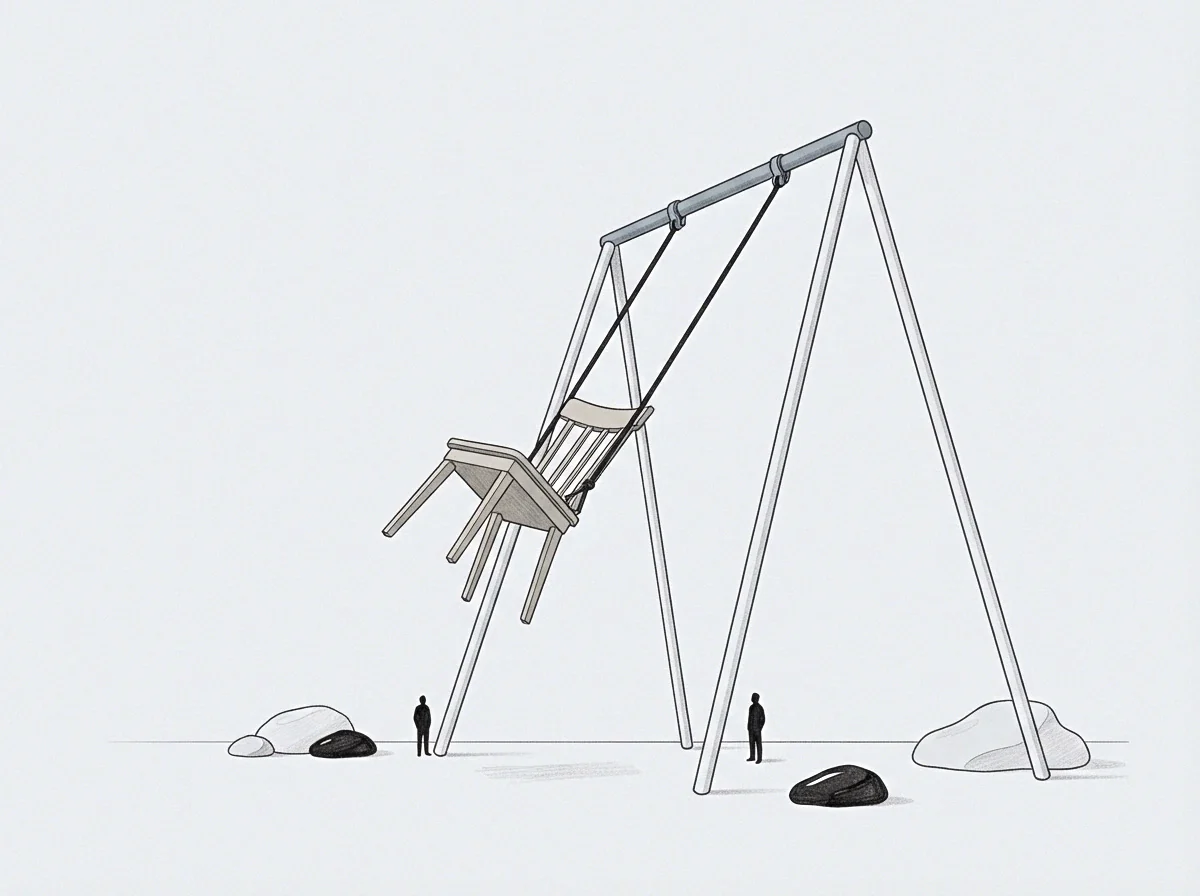
What Happens When Terms Remain Unstated During Overload?
Without explicit written conditions governing availability and turnaround times, team members substitute real-time mood assessments for clear rules. Colleagues attempt to read emotional states to gauge whether a request will be received productively. This requirement for constant emotional monitoring adds cognitive overhead to an already saturated operational environment.
Uncertainty increases systemic fatigue.
Structural terms function as state-gated mechanisms. A state-gated act can only execute when specific structural conditions are present, regardless of individual willpower or managerial coercion. When a firm establishes a state-gated deployment constraint, code releases cannot occur when server load exceeds eighty percent or when key review personnel are off duty.
Decision-gated acts, by contrast, rely on real-time human authority, which routinely degrades under high cognitive strain.
The following structural failure modes emerge when early organizations attempt to operate under high allostatic stress without explicit structural terms:
- Unthrottled Queue Amplification occurs when incoming operational tasks bypass priority filters, flooding execution nodes and causing widespread work-in-progress stagnation.
- Coregulation Buffer Exhaustion develops as team members exhaust their physiological capacity to calm colleagues, leading to sudden inter-departmental communication breakdowns.
- Covert Contract Rupture manifests when unstated expectations around overtime or task ownership collide with individual capacity limits, generating structural mistrust.
- State Gate Erosion happens when decision-makers repeatedly override operational limits under short-term pressure, accelerating overall system volatility.
A stated term holds weight. By converting flexible expectations into fixed structural rules, the organization protects its human operators from direct stress transmission. A team operating under clear terms does not evaluate whether a colleague is tired or cooperative; it evaluates whether the request meets the established criteria for processing.
Data replaces personal appeal.
When incoming operational stress exceeds structural capacity, explicit written terms hold position while informal agreements collapse into personal friction.
The operational baseline remains unmanageable because response times keep fluctuating based on individual exhaustion levels.
Gauge
Empirical research in stress physiology demonstrates that human physiological coregulation operates within strict mathematical boundaries. The allostatic load model developed by Bruce McEwen shows that repeated physiological adaptation to chronic stress produces structural changes in neural architecture, impairing executive function and decision-making clarity. In early organizations, this biological reality sets an absolute ceiling on personal endurance.
The setpoint remains fixed. While psychological motivation fluctuates, physiological capacity under chronic load follows predictable decay curves. When operational demand exceeds human capacity, system stability depends entirely on the mathematical characteristics of structural terms.
Measuring the transfer function of these terms requires tracking how effectively they attenuate incoming demand spikes.
Sequential Protocol for Measuring Boundary Transfer Mechanics
Establishing a precise mathematical description of structural performance under strain involves four distinct measurement steps.
- Quantify baseline operational demand by logging incoming task volume, message frequency, and response urgency during standard operating periods.
- Measure human coregulation expenditure by tracking hours worked, emergency escalations, and reported subjective fatigue across operational nodes.
- Identify transfer function distortion by calculating the ratio between incoming demand increases and outgoing error rates or response delays.
- Apply binding structural terms, such as hard concurrency limits and automated queue throttling, then re-measure error propagation and individual stress indicators.
Capacity drops under load. When an organization implements explicit terms, the signal transfer function shifts from an amplified exponential curve back to a controlled linear response. Stated terms insulate the operational core from environmental turbulence.
The response remains predictable.
Consider the dispute between practitioners regarding whether structural terms should remain static or adapt dynamically during an organizational crisis. One group argues that terms must adjust flexibly to absorb unforeseen operational shocks. The opposing position holds that modifying terms during high stress invalidates their protective function, re-exposing human operators to unthrottled strain.
Evidence from high-reliability organizations supports the second stance: structural terms hold value precisely because they remain rigid when pressure escalates.
A stated response SLA of forty-eight hours converts incoming demands into queue entries without requiring emotional negotiation.
An explicit boundary stated once before crisis holds structural weight while verbal agreements during peak strain dissolve immediately.

Joint
Holding a stated operational position relies on converting abstract agreements into physical structural boundaries. Availability must be derived from stated positions and explicit costs rather than announced as an open-ended personal promise. When an operator states a term, availability becomes a calculated output of systemic rules rather than a real-time personal decision.
Stress accelerates term decay. In mechanical engineering, physical load redistribution prevents catastrophic localized stress concentrations by diverting shear forces into rigid support members. Organizational systems mirror this physical reality when explicit terms bear operational strain.
Without rigid structural terms, stress concentrates directly at individual human joints, causing functional failure.

Structural Physics and Operational Boundary Protection
When an operational term is anchored in system architecture, it functions independently of human mood or executive choice. A communication protocol that limits internal messaging to specific daily hours enforces operational quiet without requiring daily discipline. The channel that does not ping during off-hours communicates a clear position: availability is governed by state, not by real-time demand.
The operational ceiling holds. By establishing clear structural terms before allostatic stress spikes, early organizations protect their human infrastructure, maintain predictable transfer functions, and sustain throughput through volatile environments. Systemic resilience resides in the rigidity of stated terms, not in the elastic endurance of exhausted individuals.
How long an early organization can sustain structural term integrity when allostatic stress remains elevated indefinitely across consecutive operational quarters stays uncertain.