Meaning
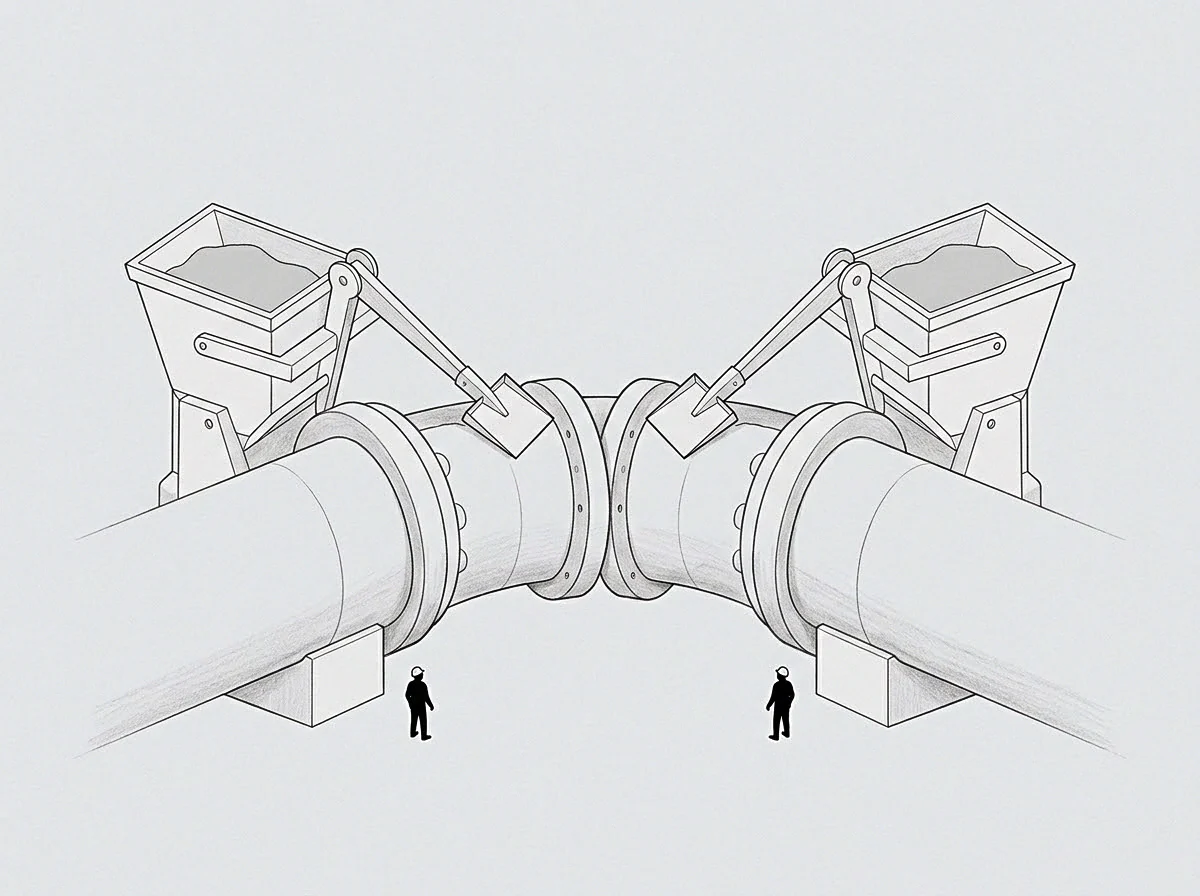
A structured repository where incoming requests and tasks are held for evaluation before action is taken. The use of a triage queue allows organizations to manage the flow of operational demands on founders and executive teams. This buffer prevents high-priority tasks from being obscured by a high volume of routine administrative messages.
The queue remains active until all items are reviewed and resolved.
Buffer Zone
Asynchronous handling of incoming tasks is the primary benefit of this system. The triage queue holds incoming messages in a centralized location until a designated review period, deferring immediate reaction. This separation of receipt and evaluation protects the founder’s attention from being constantly fragmented by incoming alerts.
The practice allows for more consistent focus on high-concentration activities.
Prioritization Matrix
Sorting the items in the queue requires a clear set of guidelines based on urgency and impact. Each request in the triage queue is analyzed to determine its potential impact on the organization’s goals and the founder’s available capacity. High-impact issues are moved to the front of the queue for immediate attention, while routine inquiries are scheduled for later or routed to other team members.
This structured approach to task management ensures that the founder is not overwhelmed by a disorganized influx of demands. By systematizing the evaluation process, the team can respond to crises quickly and efficiently without exhausting the founder’s cognitive resources.
Attention Reserve
Sustaining mental energy depends on the use of these organized task flows. With the triage queue acting as a filter, the founder can approach their daily schedule with confidence that their time will not be wasted on low-priority issues. This security reduces the anxiety that comes from an unmanaged inbox.
High-quality decision-making is maintained because the founder’s focus is preserved for the most important strategic tasks.