

Delegating Decision Rights to Eliminate Executive Operational Friction
Delegating operational decision rights replaces centralized executive sign-offs with structural setpoints, eliminating latency and recovering executive bandwidth.
Delegating operational decision rights replaces centralized executive sign-offs with structural setpoints, eliminating latency and recovering executive bandwidth.

Explicit allocation limits establish hard operational capacity ceilings for executive seats, forcing systems to delegate, defer, or drop non-essential load.

Delegated authority thresholds eliminate operational latency by establishing explicit boundaries for autonomous spending and execution without executive consent.

Operational partners distribute biological survival costs when mutual threat monitoring lowers autonomic vigilance and prevents unilateral executive exhaustion.

Downstream autonomous execution accelerates incoming volume while funneling concentrated edge cases to human supervisors, causing cognitive collapse without hard limits.

Restoring physiological headroom requires strict gating of active operational loops to reduce allostatic wear across unbalanced partner structures.
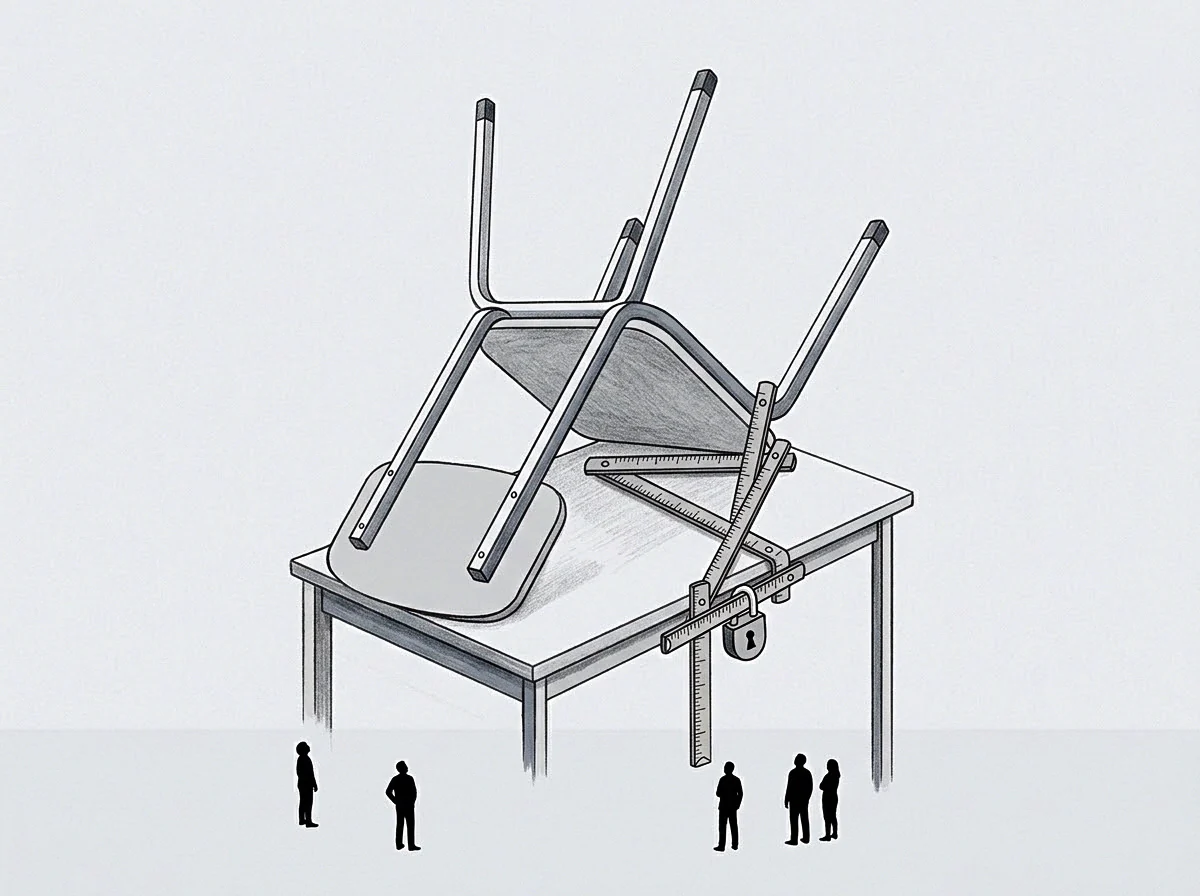
Allostatic load caps executive processing, requiring structural boundaries to prevent capacity failure during operational handovers.
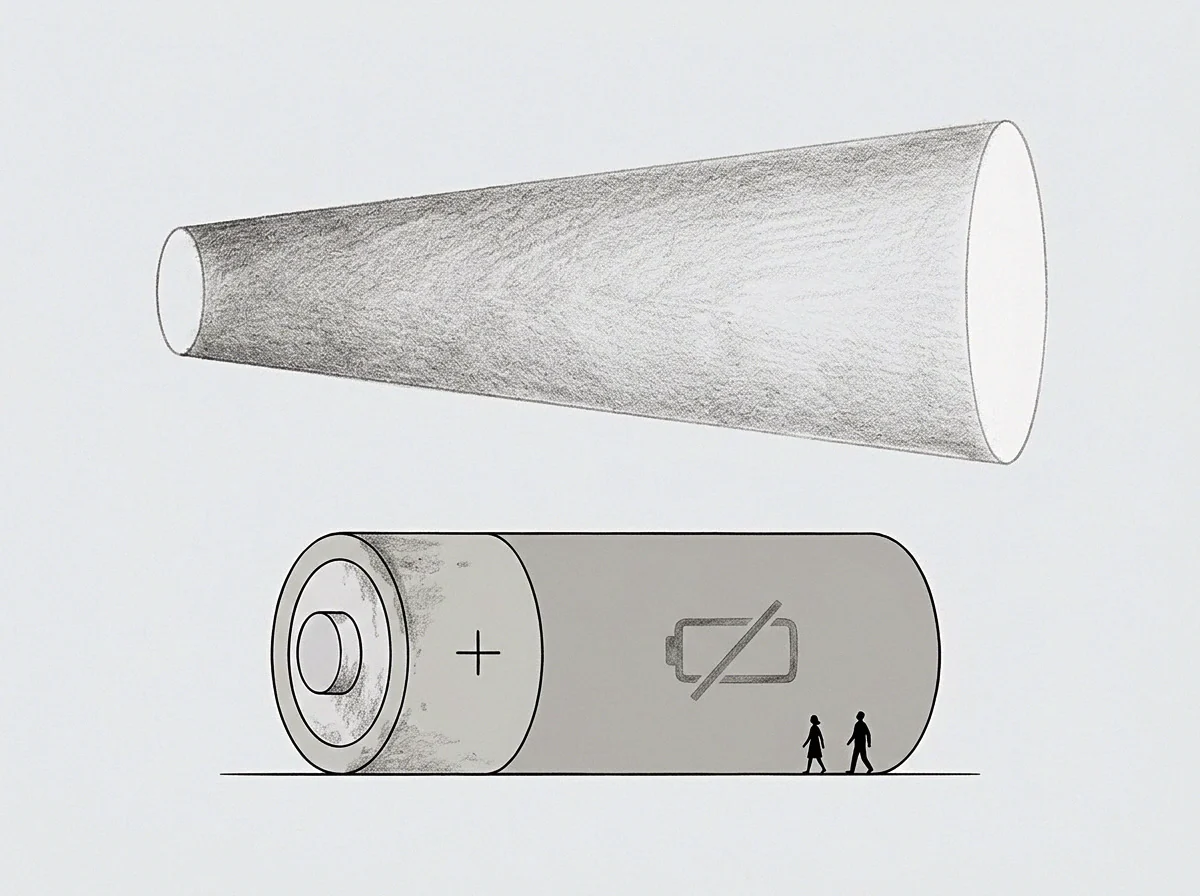
Structural terms replace human endurance with explicit operational constraints, rerouting institutional demand before it depletes biological reserves.

A stated limit acts as a structural wall that transfers operational load back to its source by establishing clear friction for unbudgeted capacity demands.

Physical fatigue delays risk processing across governance boards, converting decision latency into unmonitored structural exposure that preset limits contain.

Stated decision limits create explicit authorization bounds that automatically transfer routine choices to functional leads during rapid scale pressure.

Unilateral regulation in shared operational space shifts physiological load onto one nervous system, elevating baseline cortisol and suppressing regulatory receptor updates.
Systemic boundaries protect venture capacity by gating operational acts on objective system state metrics rather than continuous interpersonal decision making under load.

Structural term partitioning converts founder coregulation into explicit domain boundaries, protecting cognitive capacity by routing load onto defined operational objects.

Executive capacity limits function as physical setpoints where incoming operational load forces unstated cognitive throttling unless explicit terms govern availability.

Cognitive latency spikes in governance occur when executive allostatic load forces cognitive processing into serial verification expanding risk review dwell times
The terms are written where they belong. Each field holds three desks, and every entry a desk writes raises the terms it uses, each term given a meaning, a mechanism and the places it appears. The record on these pages stays first person and hand made; the fields grow the nomenclature.