
Structural Determinants of Cognitive Recovery Cycles Under Chronic Unscheduled Technical Interruption
Cognitive recovery fails when unscheduled technical interruptions repeatedly break working memory before state consolidation reaches baseline thresholds.
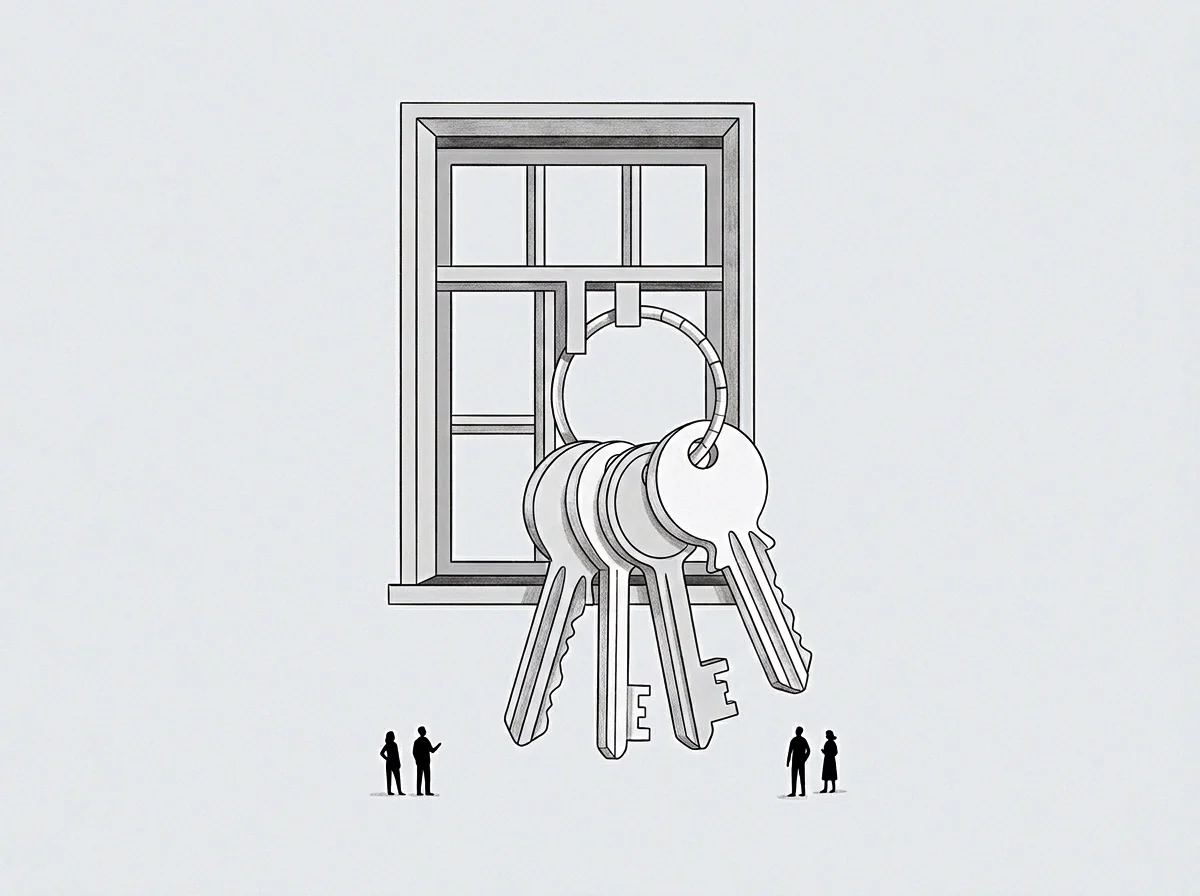
Shock
Four alert notifications break across a monitor while an operator holds three active system conditions in working memory. The sudden entry of an unscheduled signal forces an immediate drop of active execution variables. Cognitive architecture cannot freeze operational memory states in place when external priority signals demand attention.
The human central nervous system clears volatile memory buffers to process the incoming signal, discarding complex mental models built over hours of uninterrupted analytical work.

Attentional Fragmentation and Resumption Latency
State dictates throughput. Every unplanned signal forces an immediate clearing of active mental representations. The human prefrontal cortex relies on neural synchronization to maintain complex problem architectures in working memory.
When an unscheduled chime, banner notification, or automated alert enters the cognitive space, this neural synchronization collapses within milliseconds. The operator experiences an immediate disruption of task context, initiating a mandatory re-indexing process once the external demand resolves.
Resumption latency measures the temporal gap between the conclusion of an unscheduled technical interruption and the complete restoration of the previous cognitive work state. Research across cognitive ergonomics indicates that regaining a lost mental representation takes between fifteen and twenty-four minutes depending on task structural depth. During this window, an operator works with diminished processing efficiency, repeatedly referencing external document logs to rebuild internal logic trees.
Unscheduled technical signals force an immediate purge of working memory contents whenever active processing exceeds baseline capacity.
When unscheduled interruptions occur at frequencies shorter than the resumption window, the operator never reaches primary task recovery. The system enters a perpetual state of fragmented re-entry. Under these structural conditions, cognitive recovery cycles fail to initiate, leading to compounding cognitive debt and elevated error rates in core operational tasks.
Unmanaged interruption patterns force the human operator to pay for system instability with baseline physiological headroom.

Memory
The human prefrontal cortex maintains active data through continuous electrochemical persistence. Unlike digital storage media, human working memory does not write state to persistent disk space; it holds representations through active neuronal firing loops. When an unscheduled technical signal forces a shift in attentional allocation, those firing loops decay rapidly.
The decay rate accelerates when the incoming signal carries high operational urgency or ambiguous risk metrics.

Working Load Capacity Limits
Cognitive architecture restricts concurrent active operations to four distinct items. Complex technical tasks, such as tracing code branch dependencies or analyzing network packet dumps, occupy the entirety of this available bandwidth. Memory decays fast.
An incoming technical disruption forces an immediate eviction of current variables, replacing them with the parameters of the alert. Rebuilding the evicted state demands a complete step-by-step reconstruction of the entire conceptual map.
The energy expended during repeated state reconstruction drains physiological glycogen reserves in neural tissue. The operator relies on secondary external notes, visual diagrams, or recent terminal history logs to assist in state recovery. Without structural tools to record context prior to an interruption, fragile mental linkages disappear permanently.
This loss leads to subtle logic defects in written systems and degraded decision clarity.

Structural Variations in Execution Environments
Technical infrastructure shapes how notifications hit the person holding operational responsibility. Different technical operational models produce distinct recovery dynamics and allostatic signatures. The structural determinants of these recovery cycles vary based on whether systems queue inputs or push immediate alerts directly into human working space.
| Environmental Determinant | Unfiltered Immediate Push Architecture | Batch-Queued Operational Architecture |
|---|---|---|
| Average Resumption Latency | 22.4 minutes per incident | 4.1 minutes per batch cycle |
| Working Memory Eviction Rate | Complete state purge upon alert arrival | Controlled state preservation before triage |
| Daily Allostatic Load Index | Sustained high baseline cortisol release | Modulated stress response with scheduled recovery |
| Context Reconstruction Cost | High energy expenditure via manual log traces | Low energy expenditure via structured state save points |
Context switching carries cost. When organizations configure monitoring tools to route raw event streams directly to primary engineering workstations, they convert infrastructure noise into cognitive exhaustion. The operator spends significant mental capacity sifting false positives from critical system signals, leaving little cognitive headroom for core architectural development.
A stated latency buffer of twenty minutes shifts the cognitive burden of state re-entry away from the operator.
The structural difference between unfiltered alert push systems and structured batch processing determines whether cognitive recovery cycles complete or collapse. Systems designed without explicit cognitive protections assume human attention possesses infinite capacity and zero switching latency. The issue appeared minor on the monitoring panel, so the brief check was expected to leave core work untouched.
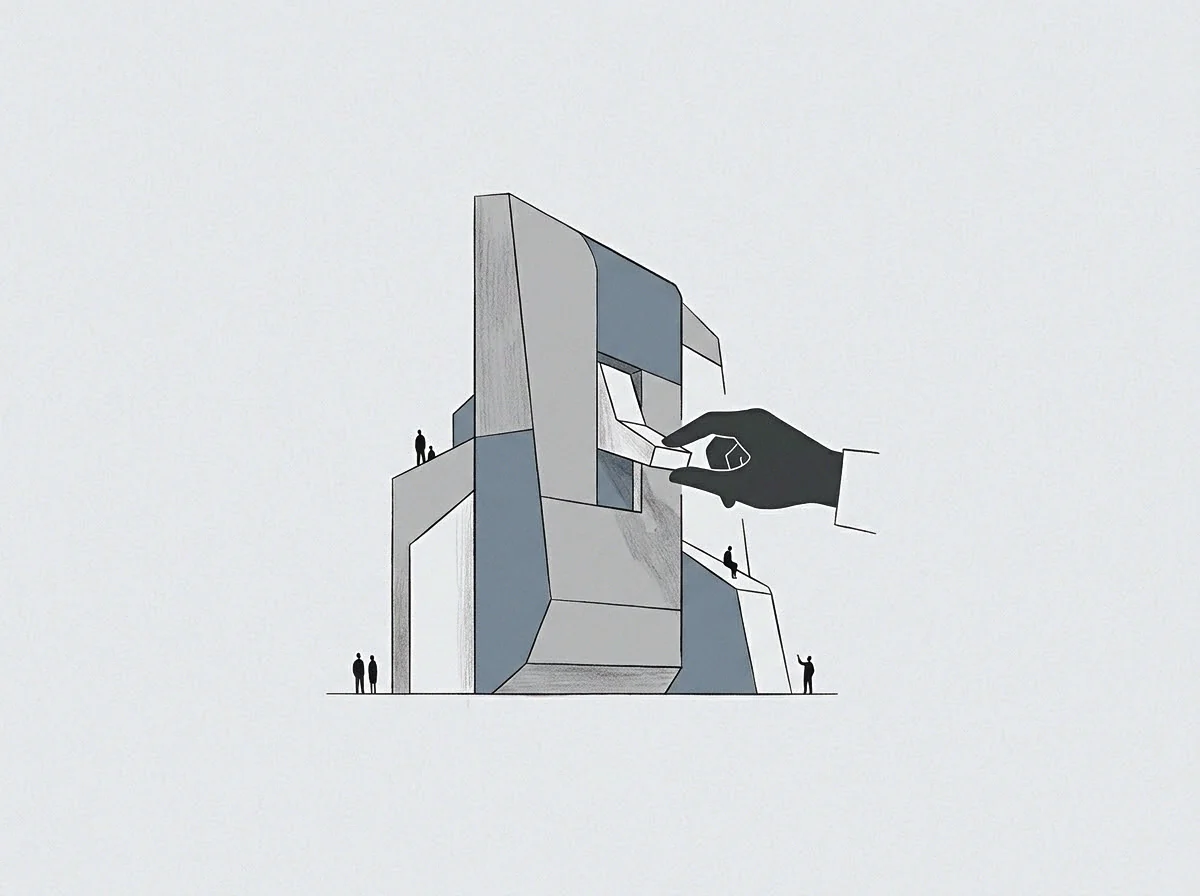
Board
A physical object on the workstation surface marks the boundary between internal processing and incoming signals. Establishing clear mechanical barriers prevents continuous technical disruptions from penetrating working attention. When operational systems expose personnel to unscheduled technical interruptions without physical or digital shielding mechanisms, cognitive degradation follows predictable physiological vectors.

Quantifying Allostatic Cost
Repeated state shifts trigger sustained elevation of biological stress signals. Allostatic load accumulates as the endocrine system repeatedly secretes cortisol and catecholamines to support rapid attentional redirection. Over time, the physiological baseline shifts upward, creating chronic sympathetic nervous system activation even during non-work hours.
The accumulative load reduces neuroplasticity within hippocampal and prefrontal regions, directly impairing short-term memory consolidation. Attentional reserves are finite. As physiological fatigue sets in, the operator’s capacity to maintain vigilance degrades, lengthening both the time required to resolve interruptions and the subsequent recovery phase.
- Allostatic Baseline Elevation Sustained adrenaline release degrades sleep architecture and prevents physiological recovery during resting hours.
- Attentional Tunneling Elevated neuroendocrine activation narrows perceptual focus, leading operators to miss subtle system telemetry details.
- Executive Function Depletion Decreased prefrontal glucose synthesis impairs complex decision logic and increases emotional reactivity to routine technical alerts.
- State Resumption Fatigue Repeated manual reconstruction of lost context drains motivation, causing procrastination on primary development tasks.
Noise destroys cognitive focus. Organizations that evaluate productivity solely on throughput metrics overlook the hidden biological toll imposed by constant micro-disruptions. Interruptions reset mental loops.
A workstation environment structured around uninterrupted focus blocks preserves human physiological capital and improves long-term systemic stability.
Systemic overload arrives through the accumulation of tiny context resets rather than heavy singular events.
Implementing explicit operational agreements alters how teams interact with communication platforms. Defining clear status indicators and notification parameters creates a physical wall against unscheduled demands. A mandatory fifteen-minute isolation clause shifts the burden of initial triage from the engineer back to the automated queuing software.

Drift
Continuous micro-disruptions pull an operator away from deep architectural focus. Over several hours of fragmented execution, cognitive performance experiences severe baseline drift. The person in the seat loses the capacity to monitor their own performance degradation, introducing subtle bugs into system design while feeling deceptively productive.
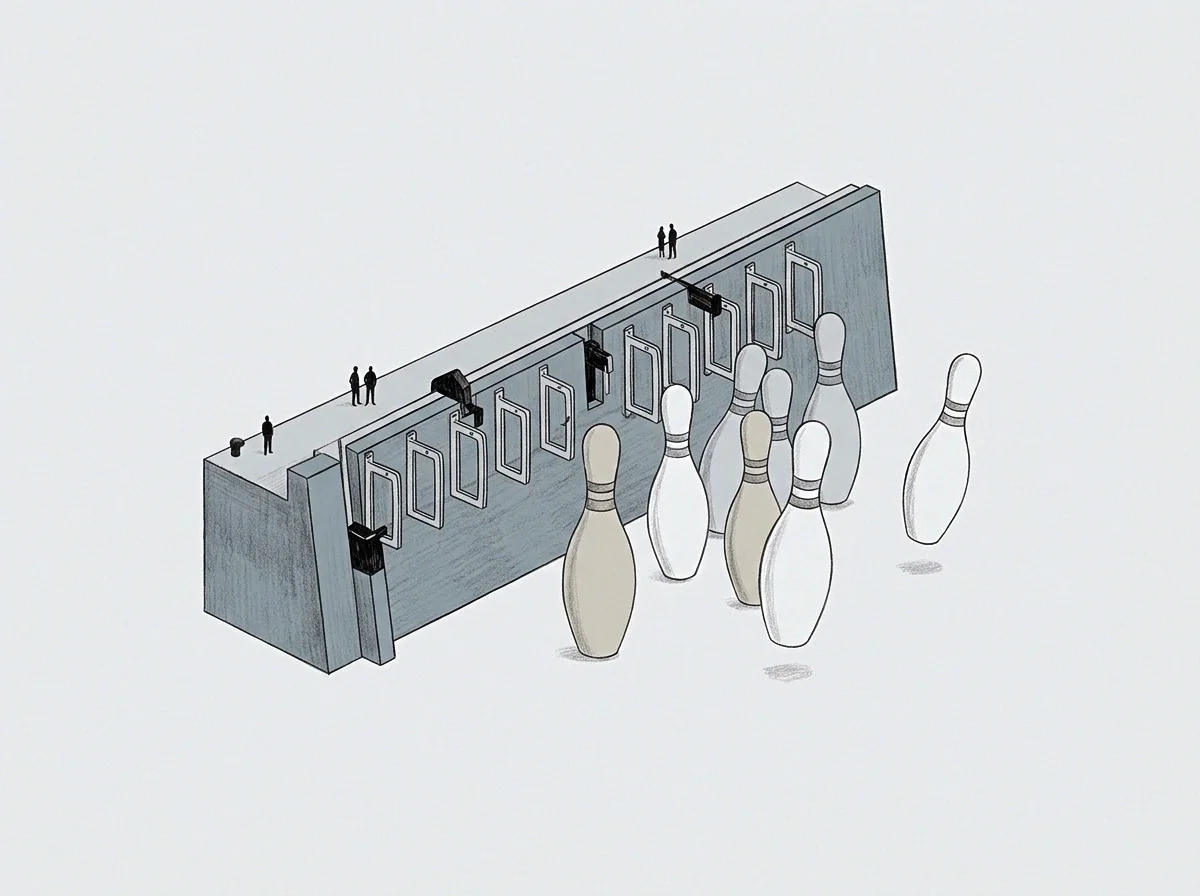
Where Does Latent Cognitive Capacity Dissipate During High Interruption Frequency?
Systemic headroom collapses when recovery windows run shorter than fifteen minutes. Latency compounds load. When technical interruptions land at irregular intervals, the brain remains in a constant state of anticipatory vigilance.
This hyper-arousal state consumes processing power even during brief moments of silence, preventing complete cognitive rest.
- Primary execution context breaks upon receipt of an unscheduled signal.
- Attention shifts to alert triage, forcing active memory contents to evaporate.
- Alert processing consumes working memory capacity for five to fifteen minutes.
- The operator attempts to re-establish primary context using external notes.
- A secondary alert breaks the resumption process before baseline focus returns.

Resumption State Protocol Sequencing
Rebuilding broken mental context proceeds by walking back through recorded logs. When an technical interruption breaks execution, recovery speed depends heavily on whether the operator established a state save point prior to shifting focus. Manual note-taking, automated code bookmarking, and clear log entries lower the energy cost of context reconstruction.
The wall holds firm. Without disciplined resumption protocols, operators fall into reactive execution loops, spending whole shifts responding to incoming telemetry rather than advancing planned deliverables. System load shifts outward.
This operational drift undermines software reliability and burns out technical personnel. Whether team structures can sustain high-frequency alert handling without permanently elevating baseline physiological fatigue remains open.

Reset
Restoring baseline cognitive function demands uninterrupted temporal blocks. Recovery is an active biological process requiring specific structural conditions to succeed. Without scheduled isolation from technical signal channels, the brain cannot clear accumulated metabolic waste or consolidate learned patterns into long-term memory structures.

Establishing Stated Operational Constraints
Clear parameters set the floor for when technical signals may penetrate working focus. Silence protects operational headroom. Organizations must establish explicit stated limits regarding notification availability, incident escalation trees, and focus time blocks to protect human cognitive capacity.
Pings destroy deep thought. Terms protect working memory. When an team sets firm structural bounds around technical alert routing, individual cognitive recovery cycles shorten, error rates drop, and architectural output quality stabilizes across operational cycles.
Real recovery needs isolation.
The operational channel remains quiet only when explicit limits govern notification access.
Protecting cognitive recovery cycles requires treating human working memory as a finite, fragile operational resource. Systems must be engineered to shield human operators from continuous unscheduled technical interruptions, transferring the load of initial triage and context preservation to automated software infrastructure. Cognitive recovery follows structural silence rather than personal effort.