

Co-Regulation Burden When Founders Hold Unstated Internal Limits Under Pressure
Unstated internal limits force operators to absorb team anxiety as personal allostatic load when baseline calm is borrowed rather than structurally defined.
Unstated internal limits force operators to absorb team anxiety as personal allostatic load when baseline calm is borrowed rather than structurally defined.

Biomarker gating protocols apply objective neuroendocrine telemetry to enforce operational boundaries before physiological load degrades executive decision quality.

Extended isolation recalibrates the nervous system to treat self-regulation as the zero-cost baseline and social presence as a metabolic surcharge.

Continuous high load forces physiological throttling to protect core throughput, requiring structural gating of open loops to prevent systemic capacity failure.
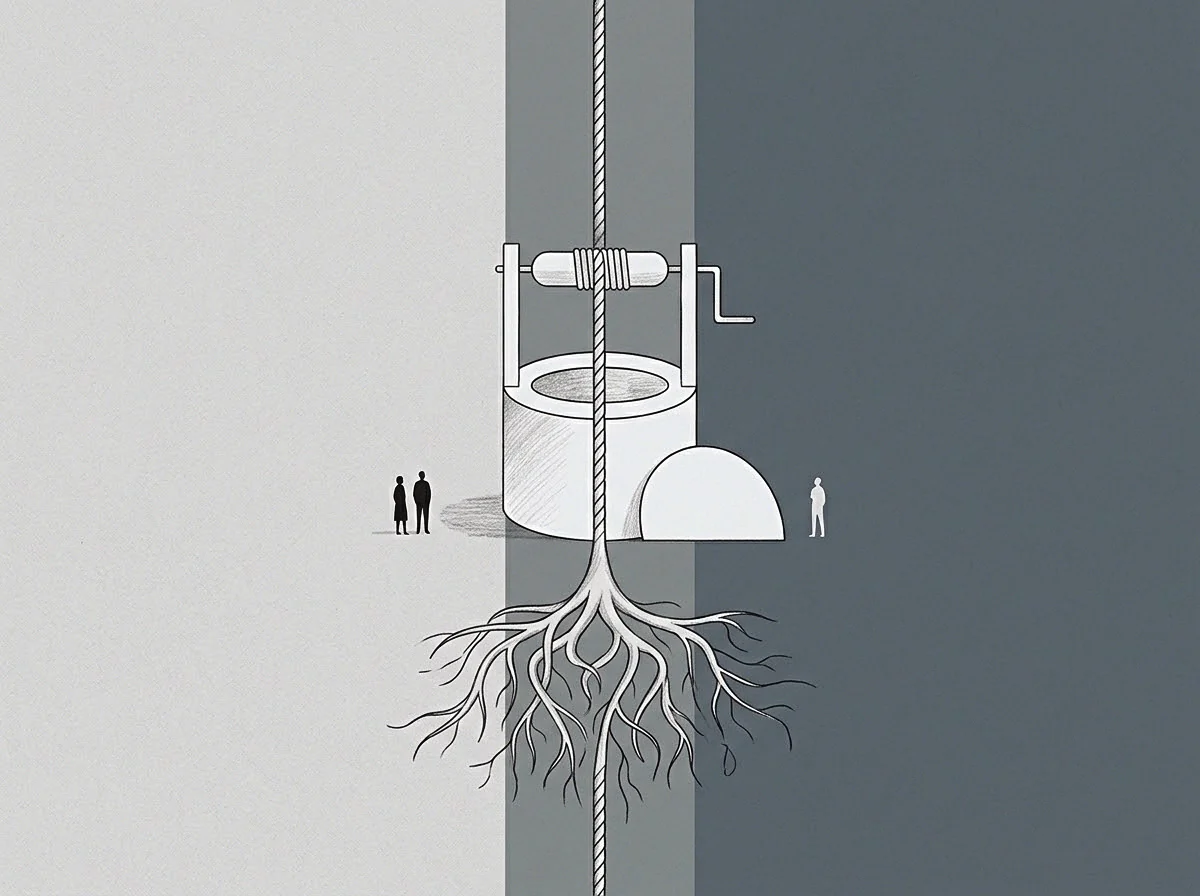
Unilateral containment forces the brain to budget regulation alone, downregulating neural receptors that process external co-regulation and safety.

Executive capacity throttling protects overloaded working memory by dropping novel synthesis while preserving structured execution, differing from clinical depression.

Solitary executive regulation across extended corporate crises triggers somatic throttling when prefrontal metabolic expenditure exceeds human allostatic limits without social co-regulation.

Acute allostatic load elevates executive temporal discounting by downregulating prefrontal networks, compressing choice horizons to immediate homeostatic survival.

Parasympathetic recovery in high-threat environments depends on nocturnal vagal reactivation measured through beat-to-beat variability and rapid heart rate deceleration.

Physical proximity to a reliable companion signals safety to threat circuitry, dropping solitary vigilance and offsetting allostatic load without spoken advice.

Covert organizational monitoring triggers continuous autonomic threat detection, causing sustained nocturnal vagal suppression and preventing parasympathetic recovery.

Executive attention under concurrent operational stress behaves as a finite processing queue requiring non-preemptive time blocks and explicit load shedding.
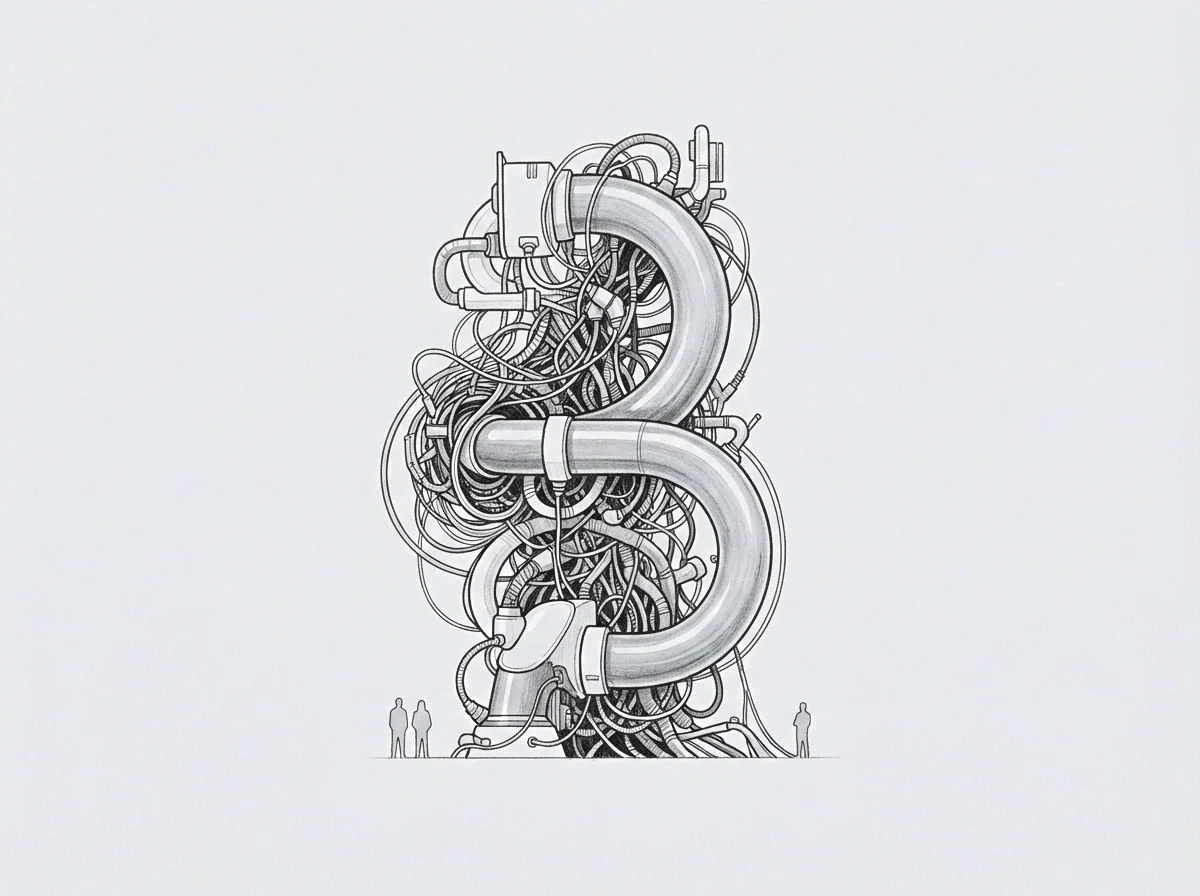
Systemic glucocorticoid resistance emerges when chronic elevated cortisol downregulates peripheral receptor sensitivity during sustained insolvency negotiations.

Enterprise communication gates throttle incoming message frequency to reduce chronic glucocorticoid elevation and preserve executive endocrine receptor sensitivity.

Extended solitude shifts neural budgeting to solo threat monitoring, rendering initial co-regulatory presence an energetic load rather than calm.

Neuroendocrine exhaustion in single point leaders results from chronic unbuffered operational demand, requiring structural input gating to restore allostatic balance.

Decoupling from real time executive demands initiates a neuroendocrine downregulation lag where prefrontal recovery depends on complete thread clearance.
The terms are written where they belong. Each field holds three desks, and every entry a desk writes raises the terms it uses, each term given a meaning, a mechanism and the places it appears. The record on these pages stays first person and hand made; the fields grow the nomenclature.