
Structural Limits of Asynchronous Governance Under Sustained External Capital Market Distress
Asynchronous board governance breaks down under market distress because written processing latency exceeds compressed liquidity timelines, forcing synchronous transitions.

Latency
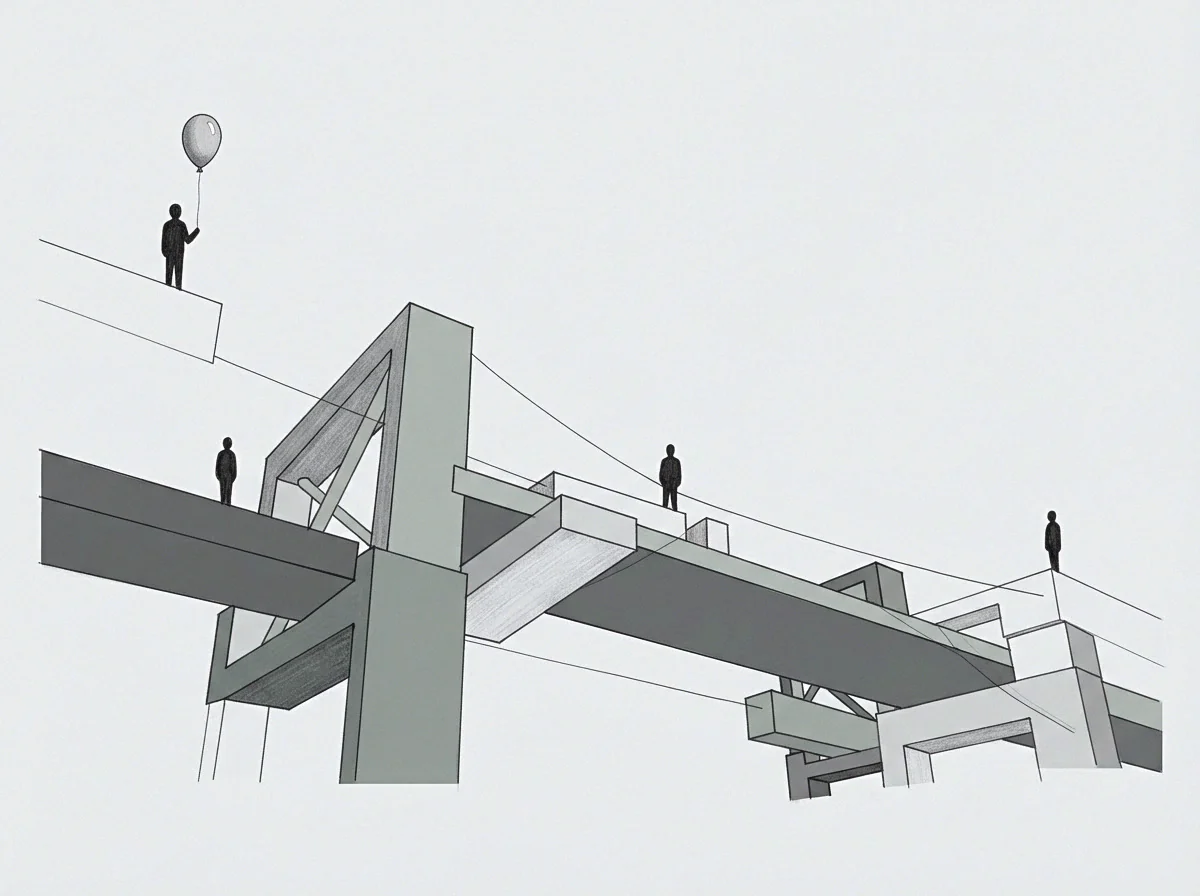
Buffer Compression Under Capital Scarcity
Four asynchronous memos sit unread in an inbox while a venture debt lender issues a twelve-hour cure notice. Capital markets set the pacing. When external capital markets tighten over multi-quarter cycles, the time window available for organizational governance contracts from weeks to hours.
Asynchronous governance rests on an unstated structural premise: the presence of operational headroom that absorbs the physical delay between written synthesis, distribution, and board action. Under normal market conditions, a seventy-two-hour latency window between a founder memorandum and board acknowledgment permits thorough analysis without operational penalty. When liquidity contracts across debt and equity markets simultaneously, debt covenants and bridge financing facilities alter that ratio.
The buffer capacity degrades under stress.
The structural limit of asynchronous decision cycles surfaces when external market timelines run faster than the internal writing loop. Written updates require time for draft compilation, contextual framing, distribution, silent reading, and asynchronous voting. During sustained market contraction, downstream counterparties—including senior lenders, landlord bank guarantees, and secondary debt purchasers—operate on rigid, synchronous execution clocks.
A capital call or covenant renegotiation introduced by an external lender creates an immediate structural friction point against an asynchronous board setup. The delay inherent in asynchronous processing transforms from a governance preference into an unhedged operational risk.
Capital stress compresses timelines faster than asynchronous documentation loops can digest incoming demands.
Governance velocity stays bounded by the slowest message node in the asynchronous network. If one investor director takes forty-eight hours to review a liquidity memorandum during a window where debt tranche conditions expire in thirty-six hours, the asynchronous channel breaks down completely. The founder layer attempts to bridge the structural gap by issuing increasingly frequent written pings.
These pings generate information density without accelerating decision velocity. Asynchronous governance functions when information is stable and execution windows are broad. Under sustained capital market distress, information state changes occur hourly, rendering static written updates obsolete before all readers access the document.
The cost of maintaining asynchronous channels during market distress appears as cumulative liquidity decay.

Buffer

Information Asymmetry in Asynchronous Signals
Asynchronous communication relies heavily on structured text, which filters out the immediate affective and contextual signals present in synchronous deliberations. During periods of capital market stability, this filtering acts as an asset by removing emotional noise from strategic choices. During prolonged market distress, the same filtering mechanisms obscure the true severity of liquidity constraints until structural options narrow.
Investors receiving periodic monthly or bi-weekly memos interpret calm, structured text as evidence of operational control. The founder layer, maintaining professional cadence in written reports, inadvertently masks the velocity of cash consumption.
The distance between reported financial metrics and real-time bank ledger shifts creates a dangerous blind spot. Asynchronous governance structures lack an automatic trigger to escalate subtle operational shifts into formal board interventions. Consequently, governance channels fail in sequence.
Silence in an asynchronous channel during market distress signals operational overload rather than consensus.
When external financing markets freeze, the failure modes of asynchronous buffer capacity manifest across distinct structural points:
- Signal Masking happens when carefully polished executive write-ups conceal the operational friction of vendor payables stretch programs from board oversight.
- Decoupled Velocity emerges when internal document review protocols move at half the speed of external debt covenant enforcement actions.
- Asymmetric Headroom develops when founders experience immediate cash pressure while non-executive directors process information on a relaxed time-budget.
- Vote Fragmentation occurs when board members submit isolated written comments over several days without experiencing real-time counter-argument synthesis.
Governance protocols that rely entirely on asynchronous approval mechanisms lack a built-in feedback loop for rapid counter-proposals. When an investor director rejects a written emergency funding term sheet via a inline document comment at midnight, the remaining board members read the objection in isolation hours later. The interactive synthesis required to amend financial terms fails to materialize.
The organization loses the compounding benefit of collective real-time problem solving exactly when capital availability requires immediate structural compromise.
What structural indicators signal that an asynchronous governance buffer has reached absolute saturation?

Clock

Evaluating Governance Channels Against Distress Parameters
Cash runways dictate decision windows. Matching the governance medium to the operational decay rate requires an objective assessment of structural channel limits. Asynchronous memos, scheduled synchronous calls, and emergency synchronous action teams operate under fundamentally different physical constraints during capital market distress.
The choice between these modes dictates the organization’s survival margin when external capital sources contract.
| Governance Channel | Execution Latency | Context Retention | Allostatic Load on Stated Roles | Capital Preservation Velocity |
|---|---|---|---|---|
| Asynchronous Memos | 48 to 96 Hours | High Institutional Detail | High Concentrated on Author | Low |
| Scheduled Board Calls | 24 to 48 Hours | Moderate Interactive Synthesis | Distributed Across Attendees | Moderate |
| Emergency Synchronous Action | 2 to 6 Hours | Low Documented Detail | High Distributed Strain | Maximum |
The table illustrates the fundamental tradeoff between context retention and execution velocity. Asynchronous memos provide deep institutional context and preserve clear records for legal defense. Memos lack the real-time feedback loops required to secure emergency capital commitments under immediate time constraints.
Emergency synchronous action sacrifices detailed written context in exchange for rapid consensus and immediate execution velocity.

Can Asynchronous Timelines Survive a Forty-Eight Hour Capital Call?
When an existing venture debt lender executes an unexpected asset freeze or demands an immediate capital injection, the asynchronous timeline collapses entirely. The latency expands structural exposure. A forty-eight-hour capital window cannot accommodate the traditional asynchronous lifecycle of drafting, distributing, reviewing, commenting, revising, and formal written voting.
Attempting to force an emergency capital decision through asynchronous document threads introduces critical delays that lead to default.
Board seats hold liability. Non-executive directors faced with rapid capital deterioration demand real-time exposure assessments that asynchronous updates cannot fulfill. The friction between a founder trying to maintain asynchronous order and an investor director demanding real-time updates creates deep structural distrust.
The investor director perceives the delay of asynchronous delivery as deliberate obfuscation, while the founder views constant synchronous demands as micro-management that steals operational focus from cash preservation.
The written memo was submitted three days ago, but the cash requirement changed this morning.
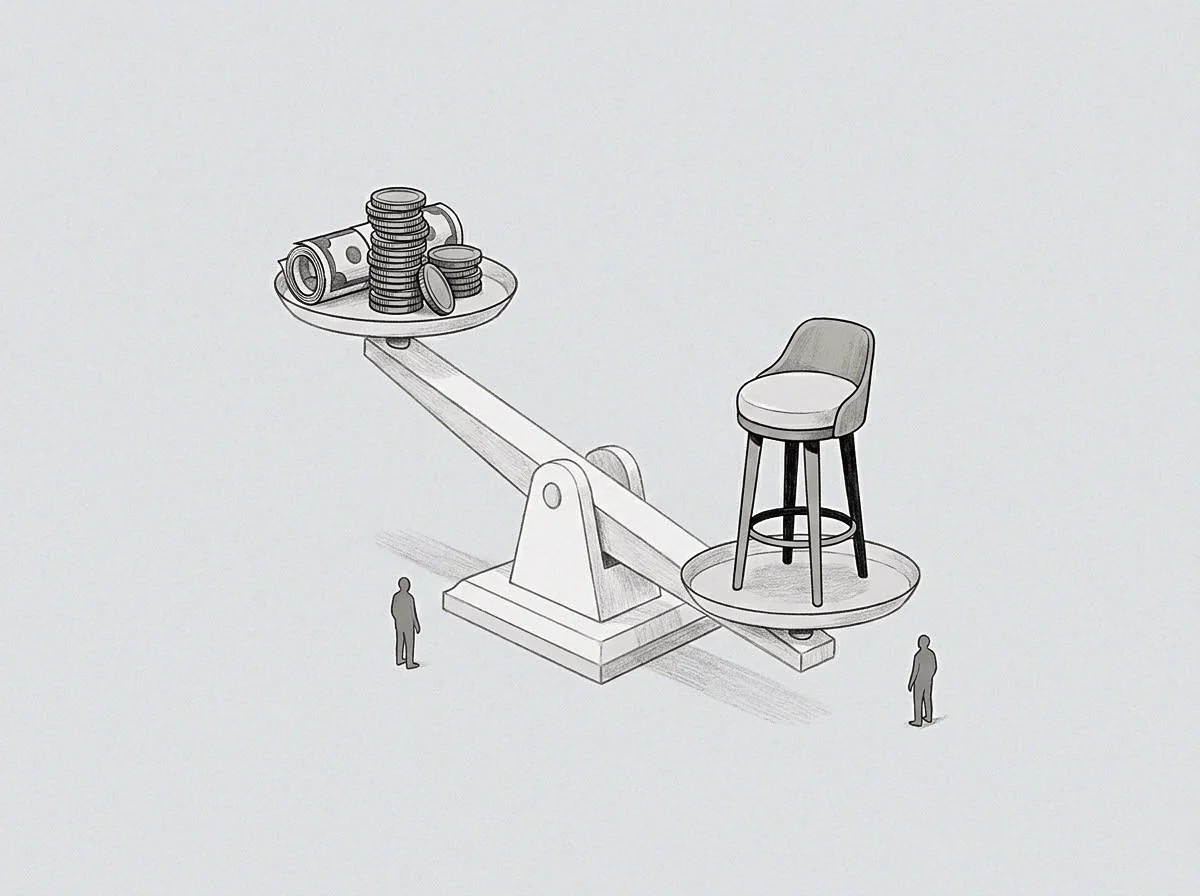
Latch
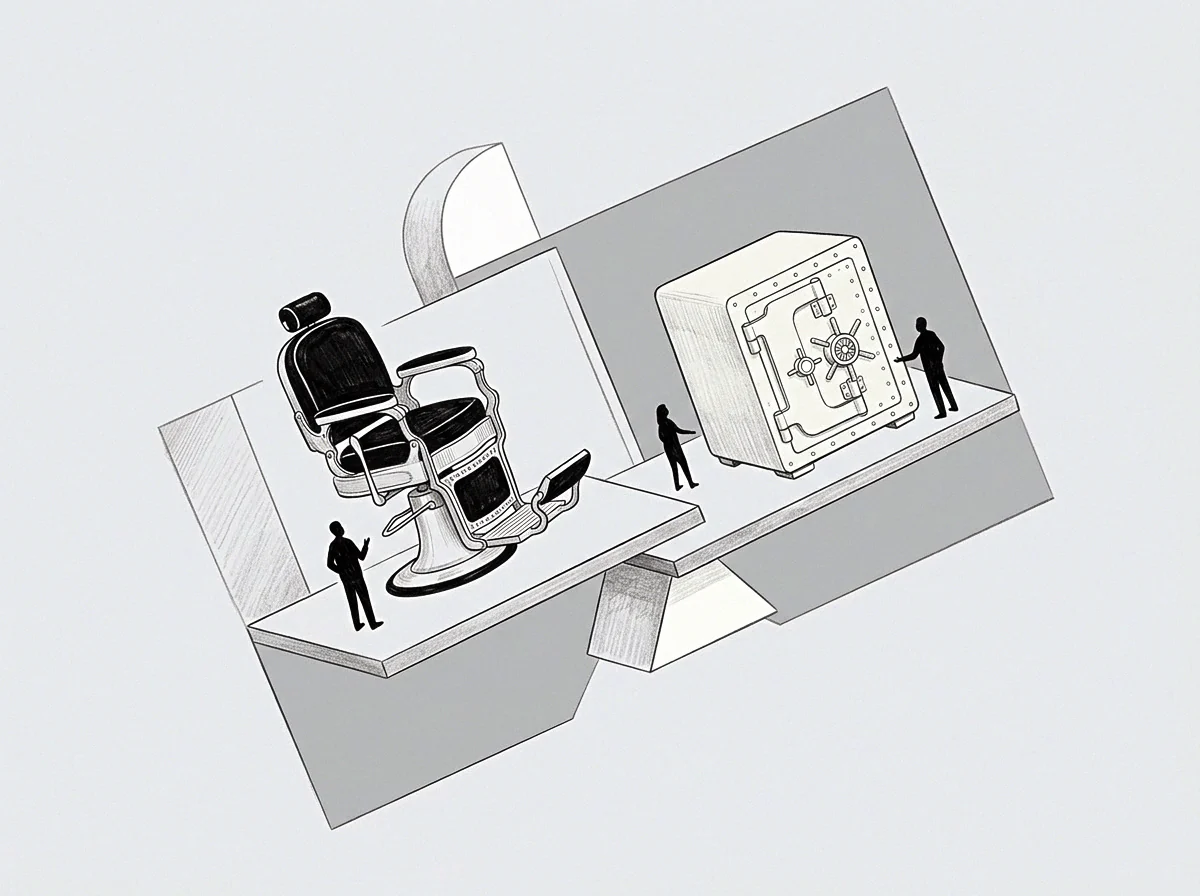
Formal Handoff Protocols from Async to Sync States
To preserve organizational integrity during sustained market distress, governance structures require clear, objective triggers that automatically transition the board from asynchronous operations to real-time synchronous command. Relying on informal requests or subjective founder discretion to switch modes introduces political friction during high-stress periods. A predefined mechanical latch removes ambiguity by establishing explicit operational metrics that force the governance mode transition.
A stated liquidity threshold converts governance modes automatically without requiring political consensus.
The transition protocol operates as a clear, sequential sequence designed to protect corporate decision rights while restoring velocity:
- The financial controller identifies that net available liquidity has fallen below ninety days of operating expenses based on current burn metrics.
- An automated notification triggers a formal change in board status, immediately suspending routine asynchronous document review windows.
- The charter mandates the instant activation of daily synchronous execution standups with reduced quorum requirements for capital allocation choices.
- Delegated spending limits assigned to operational executives revert to the central board finance subcommittee to centralize cash control.
- Formal written governance resumes only after available cash reserves cross the one-hundred-twenty-day operational threshold.
Emergency clauses reset authority. The operational value of an explicit latch protocol lies in its ability to protect the founder layer from continuous negotiation over meeting cadence. When market distress narrows the runway, the protocol takes control of the governance shape.
The board no longer debates whether a call is necessary; the preset financial state commands the attendance and the medium.
The execution of Section 4.2 of the investor rights agreement converts all pending written approval items into mandatory synchronous roll-call votes within six hours of notice delivery.

Residue
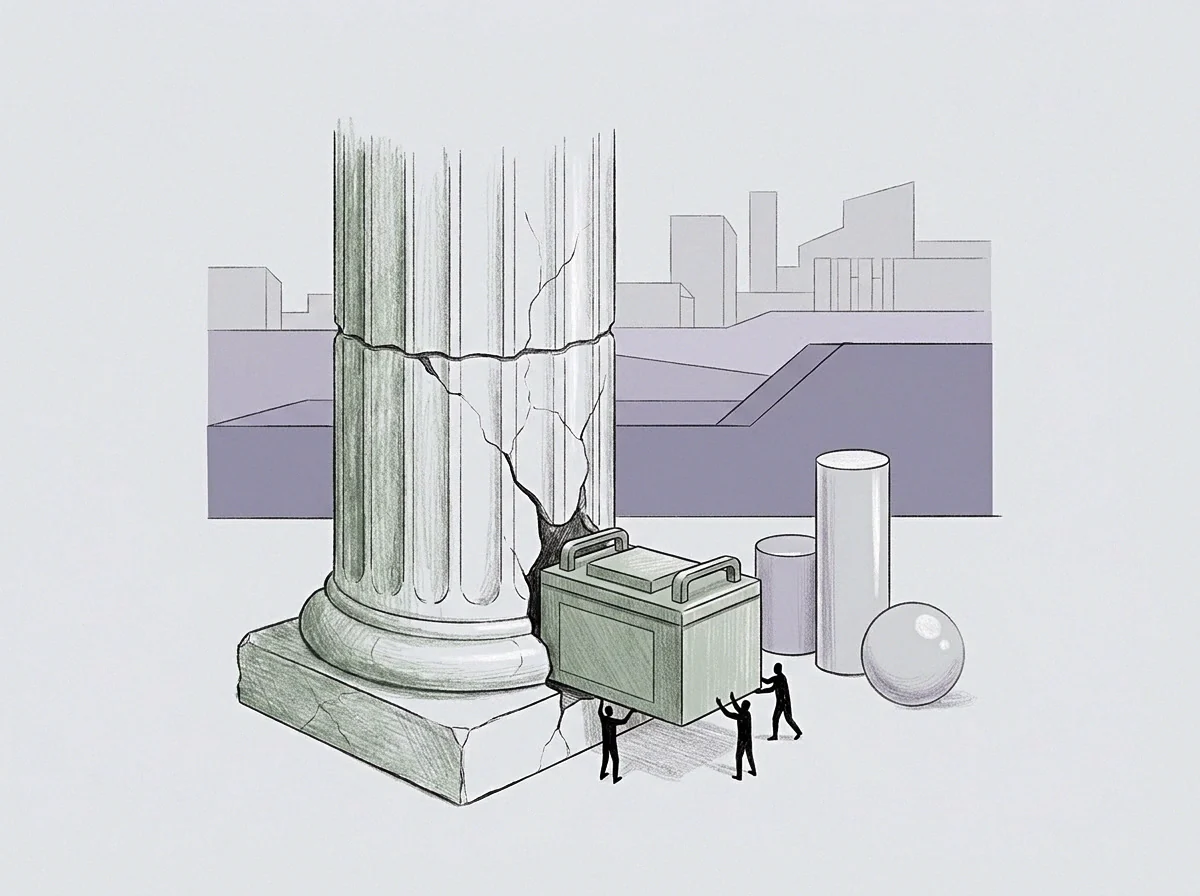
Long-Term Institutional Impact on Board Mechanics
Sustained capital market distress leaves a permanent mark on organizational governance habits long after external liquidity conditions stabilize. Boards that experience extreme latency failures during a capital crunch rarely return to pure asynchronous operation. The psychological strain experienced by directors holding fiduciary duty during near-miss liquidity events shifts the institutional setpoint toward continuous monitoring.
Non-executive directors retain a heightened sensitivity to operational latency, often demanding permanent synchronous reporting rhythms even when operational headroom expands.
The founder layer pays a lingering cost in administrative overhead. The trust required to maintain asynchronous governance rests on a record of predictable external conditions. Once external market distress breaks that predictability, the board mechanism defaults to tighter control loops.
Founders who successfully navigated the crisis using emergency synchronous interventions find it difficult to re-establish the quiet focus of asynchronous updates. The organizational muscle memory established during distress favors high-frequency check-ins, multi-channel messaging, and perpetual real-time oversight.
Organizational memory converts temporary emergency governance habits into permanent administrative overhead.
Rebuilding asynchronous governance capacity after a prolonged crisis requires deliberate recalibration of board expectations. The organization must systematically demonstrate that internal control variables have decoupled from external market volatility. This structural shift relies on proving that operational runway indicators remain securely above critical thresholds over consecutive quarters.
Without explicit efforts to restore asynchronous buffers, the organization remains trapped in a state of high-frequency governance, consuming valuable executive bandwidth that belonged to long-term value creation.
The seat holds liability, and the memory outlasts the crisis. When the next market contraction arrives, the teams that surviving the previous cycle will not rely on informal agreements to maintain governance speed. They will rely on the hard physical parameters written into their corporate charters during the last period of distress.