
Allostatic Load and Autonomic Regulation in Senior Corporate Leadership
Chronic executive demand elevates allostatic load, triggering autonomic throttling that suppresses cognitive headroom to preserve baseline physiological integrity.

Wall
An executive operating near capacity exhibits behavioral changes that mirror mood disorders, even though they stem from a distinct biological process. When a system reaches its operational ceiling, it restricts secondary functions to protect core processes. This defensive conservation mechanism is autonomic throttling.
In clinical settings, diminished expressiveness, delayed responses, and reduced social engagement are often misdiagnosed as major depressive disorder. The underlying biology, however, reveals an intact nervous system executing a protective downregulation to prevent cardiovascular and neuroendocrine overload.
When chronic demand exceeds metabolic recovery, the autonomic nervous system shifts its baseline set point, a state defined as allostatic load. The physiological cost of continuous adaptation appears as baseline wear rather than a loss of willpower. An executive may continue making core operational decisions while the peripheral nervous system curtails tissue maintenance, immune modulation, and subtle social signaling.
Function continues within a narrowed bandwidth while locking out higher-order metabolic expenditure.
Throttling acts as an adaptive physiological containment strategy that preserves system viability by restricting peripheral metabolic expenditure.

Biological Containment in High Load Environments
The sympathetic branch of the autonomic nervous system mobilizes metabolic resources during perceived challenge. Under short-term pressure, post-challenge parasympathetic activation restores the physiological baseline via the vagus nerve. Corporate leadership positions, however, present continuous low-grade strain: ongoing capital exposure, unmanaged operational risk, and persistent public scrutiny.
Over prolonged periods, parasympathetic tone drops, leaving the organism in sustained sympathetic elevation.
Continuous sympathetic drive alters cellular sensitivity to signaling molecules. Tissue glucocorticoid receptors downregulate to protect against sustained cortisol exposure, degrading the body’s primary anti-inflammatory brake. This leads to persistent systemic inflammation, disrupted sleep architecture, and elevated resting heart rates as performance is maintained through emergency signaling pathways that carry higher ongoing metabolic costs.
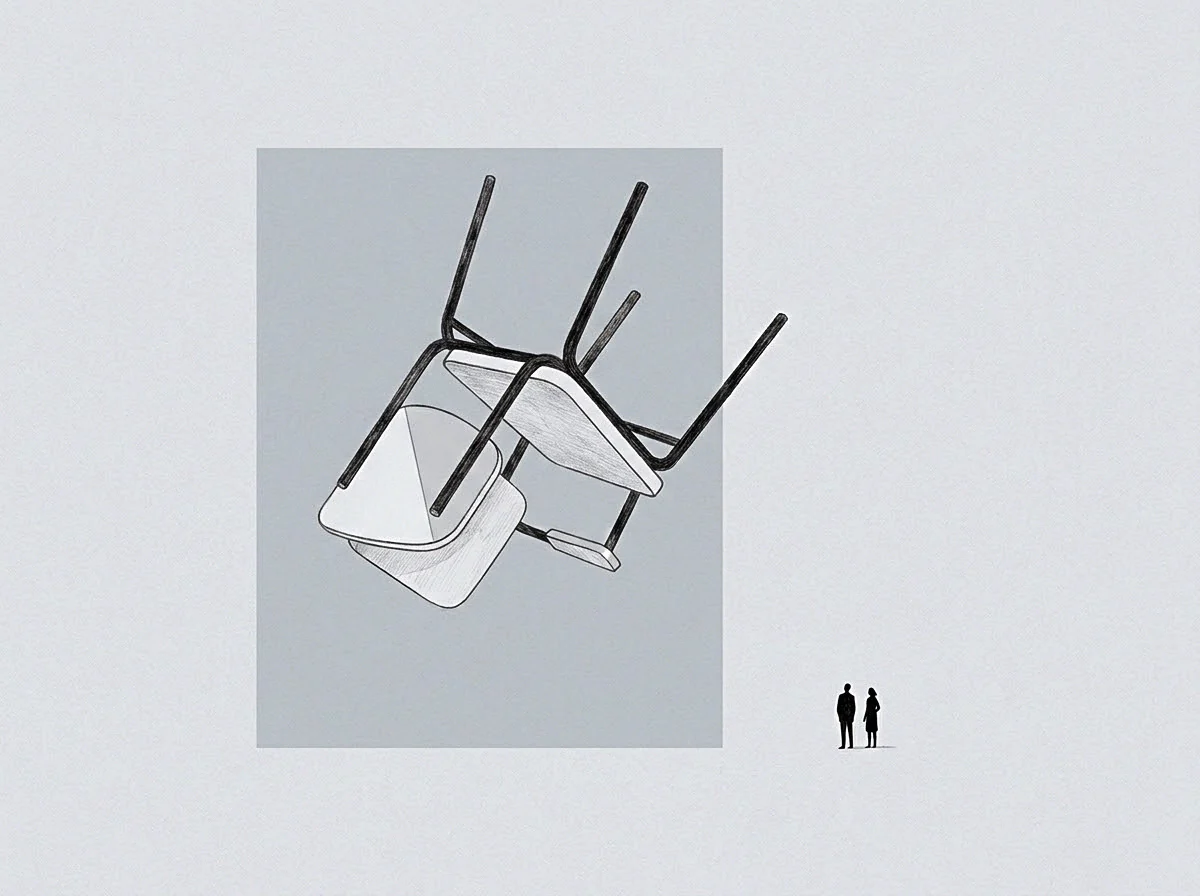
Diagnostic Misreadings of Autonomic Protection
Treating a throttled autonomic system as a depressive state introduces severe operational risks. Traditional therapeutic protocols often focus on cognitive reframing or increased activation, but pushing a throttled executive toward higher engagement forces the autonomic system past its protective boundary.
A throttled nervous system retains structural integrity but lacks autonomic headroom. An executive can clear a structured board presentation yet struggle to generate creative strategy or navigate unstructured relational conflict. Forced activity during autonomic throttling bypasses protective physiological dampers, driving the system directly into decompensation.
Mistaking functional conservation for clinical apathy results in pharmaceutical or behavioral interventions that increase metabolic strain on an already exhausted endocrine axis.

Count
Operational complexity generates physiological wear primarily through thread density rather than raw work hours. Every unclosed decision, ambiguous partnership, or deferred structural change occupies functional processing capacity in the executive brain. These unresolved working streams constitute ungated threads.
The nervous system does not distinguish between an active operational crisis and a deferred conversation, as both demand continuous autonomic surveillance.
Human autonomic capacity maintains a strict concurrency limit for active stress inputs. While an executive can track dozens of projects through formal software and delegated leadership, the subconscious autonomic system can monitor only a small number of open loops simultaneously before entering threat mode. When ungated threads exceed this threshold, baseline vagal withdrawal accelerates automatically regardless of total hours spent at a desk.

Thread Density and Open Loops
The cognitive cost of maintaining an open thread stems from the continuous allocation of working memory and peripheral attention. A fully specified project with clear scope, a firm deadline, and defined terms requires minimal background processing. An ambiguous operational threat with undefined boundaries requires constant background evaluation by the prefrontal cortex and amygdala network.
The accumulation of unresolved threads creates a cumulative tax on autonomic headroom. Executives experience this dynamic as a persistent sense of urgency disconnected from immediate tasks. Each open thread functions as an active drain on central energy reserves, steadily depleting the biological capacity required for high-stakes decision making.
Every unresolved operational ambiguity operates as an active background process that taxes central autonomic reserves.

Slot Arithmetic Under Operational Stress
The processing capacity of senior leadership can be measured through discrete structural slots. Managing thread density requires continuous monitoring of these slots:
- Active Operational Slot allocations handle immediate, volatile issues requiring real-time emotional and strategic steering.
- Background Monitoring Slot capacity tracks ongoing structural risks that carry undefined timelines or incomplete data sets.
- Relational Regulation Slot reserves absorb emotional volatility from key stakeholders, co-founders, and board members.
- Recovery Channel Slot availability enables parasympathetic down-regulation and metabolic restoration during off-hours.
When active operational and background monitoring slots consume total available bandwidth, recovery channel slots close completely. The executive continues to execute routines through habit-based neurological circuits, but flexible executive function degrades. The organization perceives an executive who has become distant or unapproachable, while the nervous system is simply enforcing an emergency cap on incoming processing load.
Treating thread management as an exercise in calendar organization fails because calendar blocks do not close autonomic loops. An hour marked for strategy on a calendar carries immense biological cost if four major operational disputes remain open in the background. Structural mitigation requires absolute clarity on terms, explicit dates for decision points, and the formal parking of non-essential initiatives to free autonomic slots.

Lever
The transition from sustainable high performance to chronic allostatic overload can be tracked through objective biological metrics. Heart rate variability, specifically high-frequency power, reflects the degree of vagal influence over cardiac rhythm. Higher vagal tone indicates robust parasympathetic control and flexible autonomic regulation, whereas sustained leadership pressure consistently depresses vagal tone, shifting the baseline state toward rigid sympathetic dominance.
Biological markers provide early warning indicators long before psychological distress becomes conscious. Cortisol awakening response dynamics shift under chronic load, flattening from a sharp morning spike to a blunted elevation that lingers throughout the day. This sustained systemic cortisol level disrupts night sleep cycles, impairs tissue restoration, and degrades working memory capacity.

Physiological Markers of Regulatory Wear
Measuring autonomic state across operational demands clarifies the physiological difference between productive exertion and biological wear. The following matrix outlines the clinical parameters across distinct regulatory states.
| Regulatory State | Autonomic Marker Profile | Executive Capacity | Systemic Risk |
|---|---|---|---|
| Baseline Regulation | High resting HRV, flexible vagal brake, normal diurnal cortisol curve | High cognitive flexibility, robust social engagement, fast recovery | Minimal biological wear, sustainable operational capacity |
| Throttled Regulation | Suppressed HRV, blunted cortisol curve, elevated resting heart rate | Narrowed strategic vision, habit-driven decisions, reduced empathy | Accelerated vascular wear, metabolic fatigue, sleep disruption |
| Decompensated State | Profound HRV depression, blunted autonomic reactivity, high systemic inflammatory markers | Severe executive dysfunction, operational paralysis, emotional exhaustion | Acute metabolic exhaustion, structural organ strain, clinical collapse |

Cortisol Calibration and Vagal Tone Decay
The loss of vagal modulation disables the body’s primary mechanism for rapid dampening of the stress response. Without vagal braking, minor operational setbacks trigger prolonged sympathetic arousal, extending biological exposure to stress mediators.
Prolonged elevation of cortisol disrupts hippocampal architecture, reducing synaptic plasticity and impairing memory consolidation. Simultaneously, hyper-reactivity in the amygdala heightens threat perception, causing an executive to interpret normal operational ambiguity as acute institutional danger. Strategic choices made from this biological state lean heavily toward threat avoidance, short-term survival tactics, and defensive risk mitigation rather than calculated expansion.
A structural shift occurs when serum biomarkers cross established physiological thresholds. High-sensitivity C-reactive protein levels rise alongside persistent cortisol dysregulation, indicating vascular and systemic inflammation. When vagal tone remains suppressed for more than six consecutive weeks, cognitive flexibility drops by a measurable margin, directly altering executive risk tolerance across all capital allocation decisions.

Room
Humans do not regulate their autonomic nervous systems in complete isolation. According to social baseline theory, the human brain assumes proximity to reliable social partners as its default low-energy operational state. Interacting with trusted co-leaders lowers the baseline energy cost of environmental surveillance.
In senior leadership, the presence of a calm, structurally aligned peer allows an executive to utilize co-regulation, effectively borrowing autonomic stability from another person to reduce central nervous system strain.
When trust degrades or communication becomes indirect within an executive team, the social baseline collapses. The brain re-evaluates the environment as high-risk, demanding increased autonomic vigilance from every individual in the seat. Instead of buffering stress, executive interactions become a primary source of additional load.
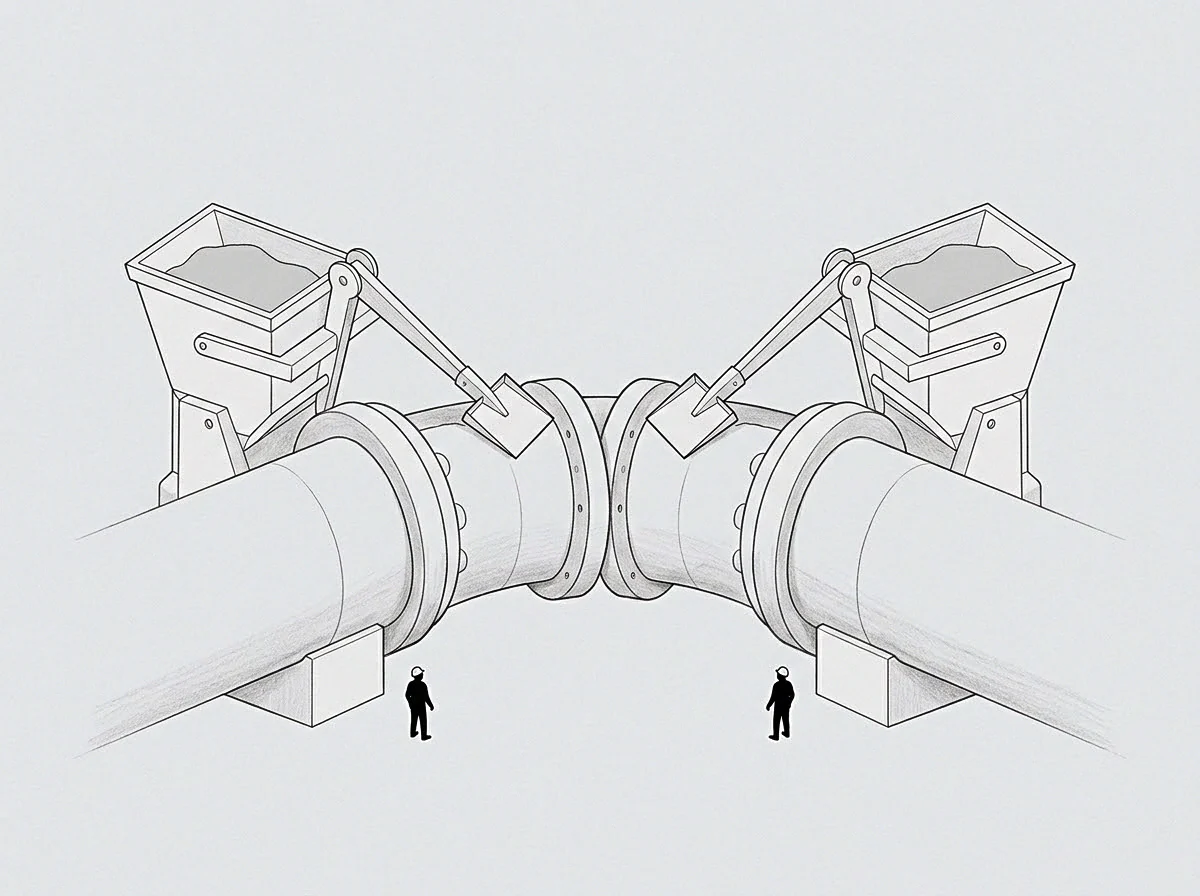
Co-regulation Across Executive Interfaces
In high-pressure corporate environments, the nervous system constantly scans peers for signals of alignment or threat. A calm, grounded co-founder or chief operating officer acts as an external autonomic stabilizer. Proximity to a stable counterpart dampens amygdala reactivity, allowing an executive to maintain cognitive headroom during complex negotiations or market shifts.
Conversely, an unregulated or volatile co-leader imposes an immediate tax on everyone in proximity. The autonomic system must continuously allocate processing bandwidth to mirror, anticipate, and manage that partner’s emotional state. This sustained vigilance drains energy reserves that would otherwise support strategic problem-solving.

How Does Borrowed Autonomic Regulation Lower Regulatory Cost?
Shared regulation functions through neural circuits dedicated to social engagement. Facial expressions, vocal tone, and postural stability transmit non-verbal cues that signal safety or danger directly to the autonomic nervous system of peers. When an executive team operates with high relational clarity and low covert conflict, these micro-signals communicate safety, keeping vagal modulation intact across the group.
Research across occupational neuroscience indicates that high-performing executive teams exhibit synchronized heart rate dynamics during structured crisis management. This synchronization correlates with lower overall cortisol output and faster post-crisis recovery times among participants. The physiological stabilization provided by a trusted peer network offsets the immense operational weight carried by individual leaders.
A controlled digression into industrial ergonomics illustrates a parallel principle. When heavy physical machinery is operated without balanced dampening mounts, vibration transfers directly into the support frame, accelerating structural fatigue across all components. In corporate leadership, an unaligned partner acts as an unbuffered driver, transferring raw emotional volatility directly into the corporate governance layer.
Social proximity to a structurally aligned peer functions as a biological buffer that reduces central autonomic expenditure.
When relational dynamics become fragmented by unstated expectations or hidden agendas, the protective buffer vanishes. Every meeting becomes an exercise in autonomic defense rather than collaborative execution. This shift leaves open a vital question regarding how executive teams can maintain genuine biological co-regulation during periods of prolonged equity dilution, shifting governance structures, or impending corporate insolvency.

Shift
Mitigating allostatic load requires structural interventions targeting the architecture of work rather than superficial wellness practices. Expecting an executive to lower baseline stress through personal downtime while keeping twenty ungated threads open is biologically ineffective. The work environment itself must be redesigned to enforce operational limits, clear open loops, and restore parasympathetic headroom.
The primary structural move involves converting open-ended operational channels into gated, highly defined protocols. Establishing clear boundaries around scope, evaluation dates, and explicit terms converts high-cost open loops into low-cost parked items, immediately freeing autonomic processing slots.
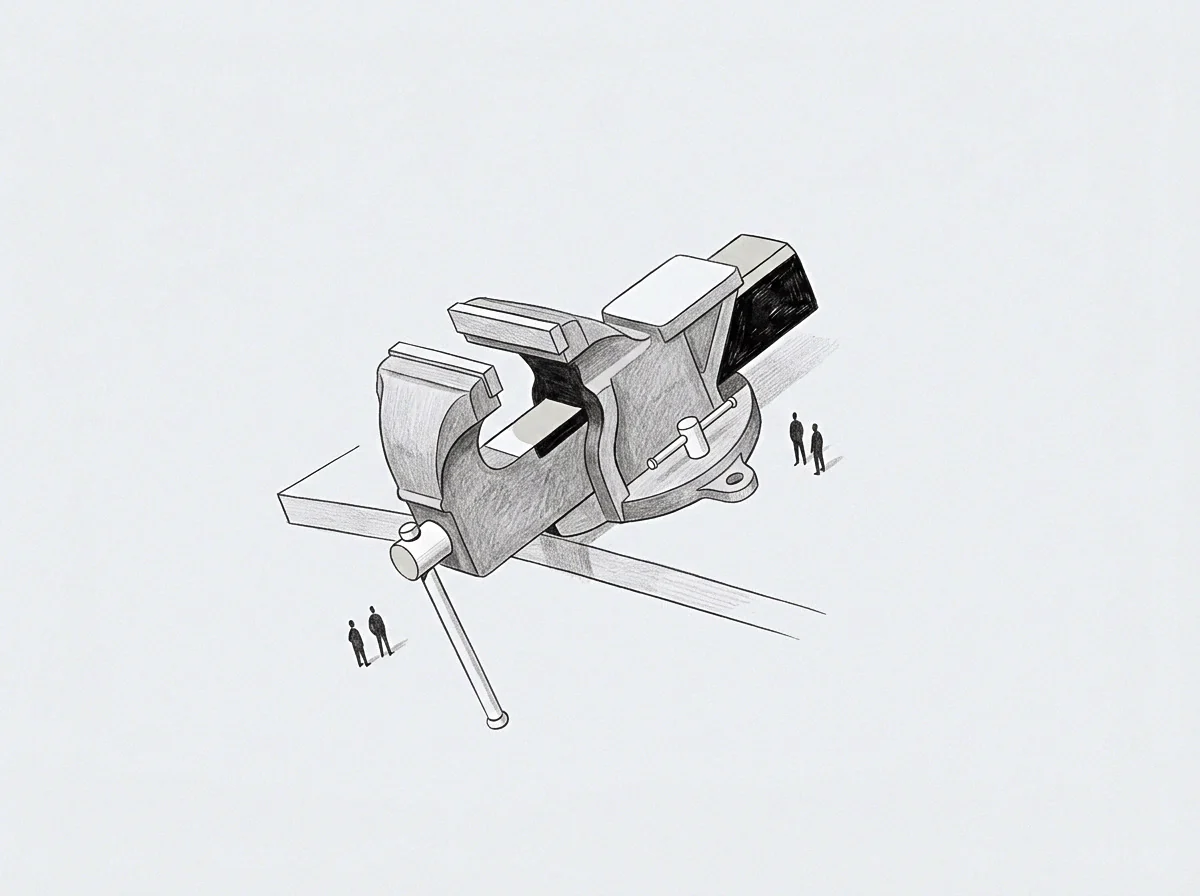
Gating Rules for High Demand Seats
Reducing thread density requires strict operational gating protocols applied across all communication and decision channels. Implementing these structural limits enforces systemic clearance:
- Explicit Scope Boundaries limit incoming requests by defining exactly what criteria an issue must satisfy before reaching the executive seat.
- Hard Evaluation Dates eliminate continuous monitoring by scheduling specific, unalterable calendar checkpoints for deferred strategic decisions.
- Formal Contract Terms replace informal or ambiguous agreements with documented expectations to prevent relational renegotiation cycles.
- Asynchronous Escalation Pathways route urgent operational crises through structured lead roles before interrupting executive processing time.

Headroom Restructuring Through Stated Terms
Unstated expectations generate severe relational and autonomic friction. A covert contract occurs when an executive silently expects a partner, investor, or team member to operate under implicit rules without explicitly stating them. When the other party unknowingly violates these unstated rules, the executive registers an operational threat, triggering an autonomic stress response.
Converting covert expectations into explicit terms removes the need for continuous environmental surveillance. Stating terms clearly eliminates unpredictable boundaries, allowing the nervous system to disengage sympathetic vigilance so the partner understands expectations, the operator executes within defined parameters, and the executive recovers central autonomic headroom.
Structural clearance requires relentless maintenance of these operational boundaries. An executive must treat autonomic headroom as a finite, non-negotiable asset essential for high-level governance. Freeing up biological processing capacity through explicit gating protocols ensures sustained executive function, protecting both individual physiological health and organizational stability.
Restoring autonomic headroom depends far less on adding recovery activities than on systematically removing unbuffered operational exposure.