
Autonomic Recovery Latency as a Predictor of Executive Capacity
Autonomic recovery latency measures parasympathetic reactivation speed post-stress, directly predicting prefrontal executive headroom under allostatic load.

Latency
An acute stressor triggers the sympathetic nervous system, driving up heart rate, altering blood pressure, and mobilizing metabolic resources. Autonomic recovery latency is the duration required for parasympathetic reactivation, specifically vagal tone rebound, to return cardiac and metabolic markers to resting baseline once that activation ends. When recovery proceeds normally, baseline stability returns within minutes.
When latency stretches over hours or days, the body remains in sustained physiological activation long after the external demand has passed.

Autonomic Parameters of Parasympathetic Rebound
Parasympathetic reactivation relies on vagal regulation of cardiac inter-beat intervals, with heart rate variability serving as the primary non-invasive marker of that control. High-frequency power reflects vagal influence on the sinoatrial node, showing how rapidly the autonomic nervous system dampens sympathetic arousal. A prompt return to high-frequency power demonstrates intact parasympathetic control; suppressed high-frequency power marks prolonged autonomic recovery latency.
Vagal tone establishes the rate of physiological recovery.
Systemic vascular resistance and salivary cortisol clearance follow similar curves. After acute cognitive or emotional demands, circulating catecholamines clear as parasympathetic activity restores baseline equilibrium. Slower clearance keeps vascular tone high and metabolic rate elevated.
The length of this physiological tail dictates how long neural architecture remains committed to stress adaptation rather than restorative function.
The duration of parasympathetic reactivation following acute sympathetic outflow determines the immediate baseline available for high-order neural processing.
Executive capacity depends on prefrontal cortex regulation, which is sensitive to circulating catecholamine concentrations. Extended recovery latency sustains subcortical arousal, blunting the prefrontal networks required for working memory, cognitive inhibition, and fluid decision-making. High latency binds neural resources to stress regulation, lowering the capacity available for complex operations.
When vagal rebound remains incomplete beyond forty-eight hours post-stressor, executive capacity drops by a measurable margin regardless of self-reported energy levels.
Ceiling
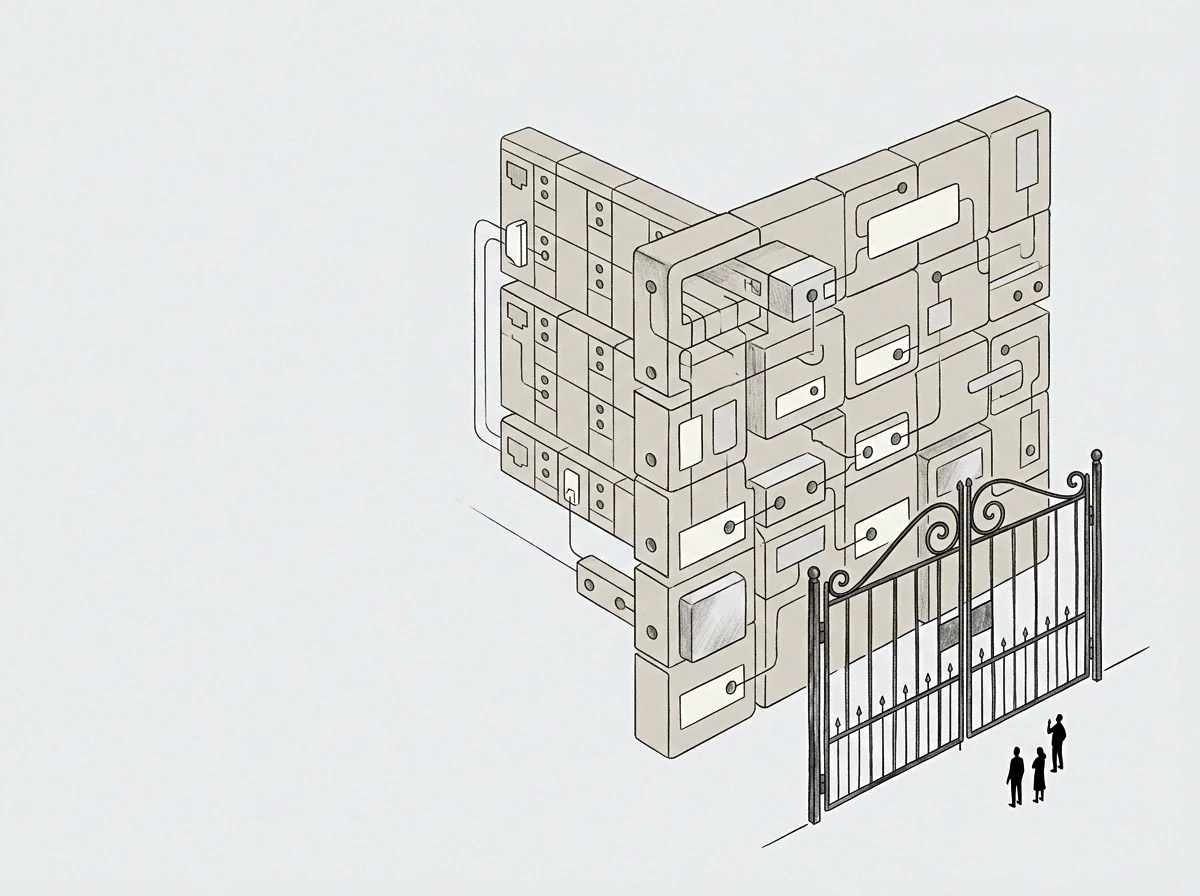
Executive capacity operates under a physical ceiling determined by real-time autonomic state. Complex cognitive tasks, including strategic synthesis, trade-off evaluation, and emotional suppression, demand stable prefrontal activation supported by moderate catecholamine levels. When autonomic recovery latency extends, baseline sympathetic tone shifts prefrontal receptor engagement and degrades top-down control.
Cognitive performance drops whenever parasympathetic rebound fails to clear the residual physiological load of previous events.

Concurrency Limits Under Autonomic Strain
Working memory capacity narrows under persistent autonomic arousal. The brain holds fewer active items at once when vagal tone stays suppressed, reducing the number of ungated operational threads a person can manage concurrently. An open loop, defined as an unclarified objective lacking specified terms, ongoing tracking requirements, or unresolved deadlines, acts as an active physiological stressor.
Each ungated thread induces micro-spikes in sympathetic tone, resetting the autonomic recovery clock and holding executive function near its operational ceiling.
Ungated loops drain available operational capacity.
Task-switching costs climb under prolonged latency. Shifting between distinct cognitive domains requires the prefrontal cortex to inhibit active neural networks. When vagal recovery is delayed, residual activity from earlier tasks lingers and creates interference.
The physiological cost of shifting focus doubles, burning disproportionate metabolic energy for minor operational pivots.
Operational capacity responds across distinct autonomic recovery states:
- Baseline Parasympathetic Tone high vagal modulation permits maximum working memory capacity, rapid task switching, and low metabolic expenditure during complex decision-making.
- Acute Sympathetic Activation transient catecholamine spikes narrow focus to immediate demands, suppressing long-horizon strategic evaluation while accelerating physical reaction speed.
- Extended Autonomic Latency sustained parasympathetic suppression restricts working memory slots, elevates switching costs, and forces reliance on rigid behavioral heuristics.
- Autonomic Exhaustion Floor chronic baseline elevation exhausts neuroendocrine reserves, generating systemic cognitive fatigue where routine operational decisions trigger physiological distress.
An ungated thread produces continuous micro-spikes in sympathetic activation, extending autonomic recovery latency past the point of restorative sleep.
Delegation and decision initiation stall when autonomic headroom drops. Initiating new action requires heavier prefrontal involvement than executing established routines. Under elevated autonomic latency, an operator continues running routine tasks while new decision-making stops entirely.
This pattern is often read as behavioural avoidance, though the root mechanism is physiological capacity restriction.
The partner reads the operational pause as a lack of commitment to the shared trajectory.

Clock
Tracking autonomic recovery latency involves measuring shifts in physiological baseline across standardized stress exposures. In a low allostatic load condition, an individual facing a high-stakes negotiation shows transient sympathetic elevation followed by full vagal rebound within ninety minutes. Under chronic allostatic load, the same negotiation produces an autonomic shift that fails to normalize for thirty-six hours, restricting executive capacity across subsequent work blocks.

Comparative Analysis of Autonomic Latency Profiles
The difference between intact autonomic recovery and extended latency appears across measurable physiological and cognitive metrics. System responses under low and high allostatic load conditions following an identical acute stressor show divergent profiles:
| Measurement Variable | Low Allostatic Baseline | High Allostatic Baseline | Capacity Consequence |
|---|---|---|---|
| Vagal Rebound Latency | 45 to 90 minutes post-event | 24 to 48 hours post-event | Sustained catecholamine elevation suppresses prefrontal network stability. |
| Working Memory Slot Availability | 4 to 7 active concurrent items | 1 to 2 active concurrent items | Complex multi-variable synthesis becomes functionally unviable. |
| Task-Switching Latency | Rapid neural network inhibition | Persistent cross-domain interference | Switching tasks incurs heavy metabolic expenditure and mental fatigue. |
| Salivary Cortisol Normalization | Returns to baseline within 2 hours | Remains elevated overnight | Disrupts slow-wave sleep architecture and blunts morning recovery. |
An operator managing a critical launch while holding four unresolved partner disputes carries four active, unclarified loops lacking explicit scope, dates, or terms. Overnight physiological tracking shows depressed heart rate variability, turning sleep into an active metabolic strain. By morning, autonomic recovery latency has accumulated rather than resolved, leaving executive capacity limited to a single functional slot.
Available cognitive capacity drops under sustained physiological load.
Under these conditions, standard operational friction produces outsized autonomic reactions. The system processes routine email inquiries with the physiological intensity of existential threats. This breakdown in signal-to-noise filtering occurs because prefrontal inhibitory gating depends on parasympathetic baseline conditions that are not present.
Unresolved structural ambiguity in operational agreements forces the autonomic nervous system into continuous threat-monitoring modes.
Failing to account for autonomic recovery latency when scheduling critical strategic evaluation guarantees degraded decision quality and accelerated systemic wear.

Wear
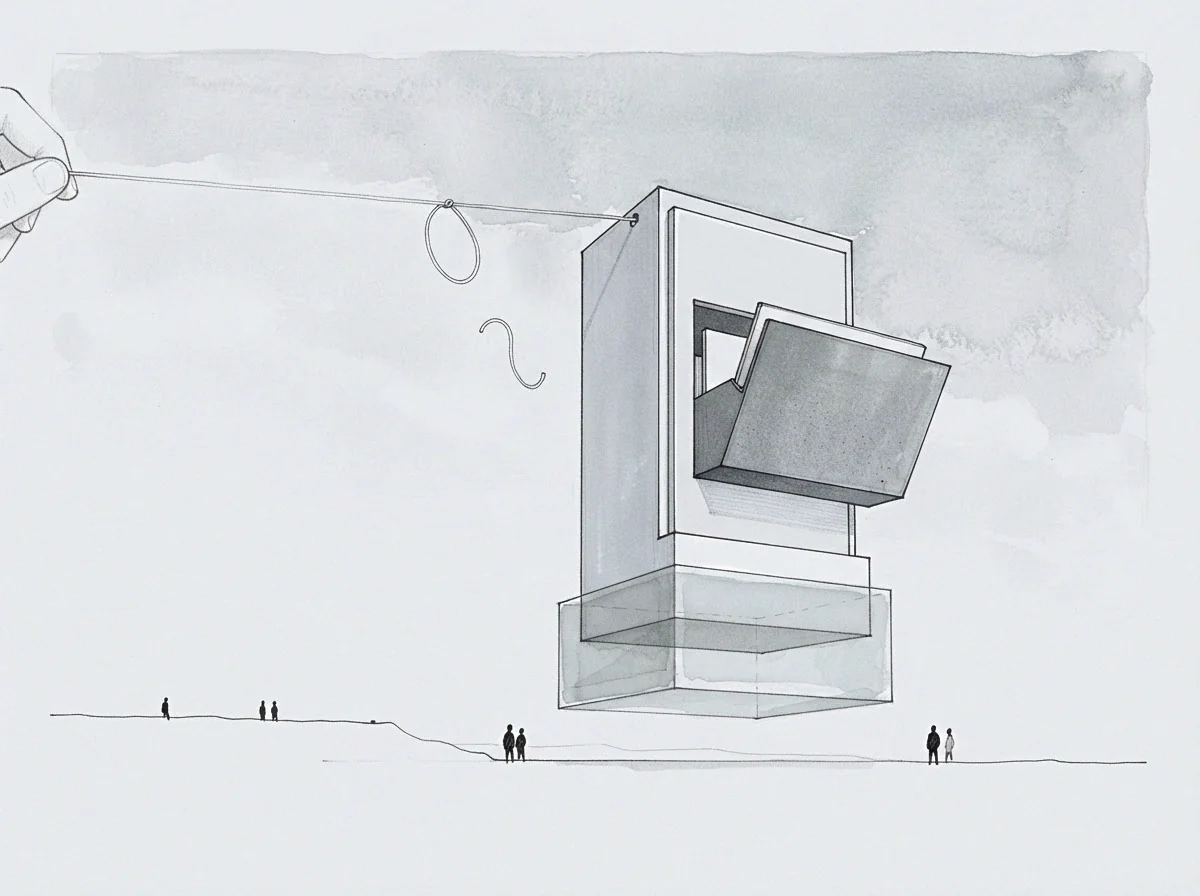
Chronic regulatory demand turns temporary autonomic latency into structural wear, termed allostatic load in stress physiology. When the autonomic nervous system repeatedly adapts to ongoing, ungated stressors without adequate parasympathetic recovery periods, biological mediators establish a higher physiological baseline. The body ceases to return to true resting baseline; elevated sympathetic tone becomes the operating default.
Does Elevated Recovery Latency Indicate Permanent Neurological Deficit?
Extended autonomic recovery latency indicates active system throttling rather than permanent neurological injury. Throttling is a protective response that curtails metabolic spend when allostatic load nears systemic capacity. While clinical depression involves general mood alterations and broad unreactivity, autonomic throttling selectively shuts down self-initiated executive tasks while preserving routine responses.
Treating autonomic throttling as a mood disorder often directs attention away from open structural loops, leaving autonomic latency intact.
Allostatic load prolongs autonomic recovery duration.
In a workplace setting, an individual under heavy allostatic load continues handling incoming requests while strategic synthesis stops entirely. Self-initiated problem solving disappears because autonomic regulation consumes the metabolic capacity of the prefrontal cortex. Structural wear registers in peripheral markers, including altered inflammatory cytokine profiles, disrupted circadian cortisol rhythms, and ongoing gastrointestinal hyper-motility.
Structural degradation follows a regular physiological progression:
- Persistent exposure to ungated operational threads prevents nocturnal vagal rebound.
- Elevated resting sympathetic tone dampens baseline high-frequency heart rate variability.
- Prefrontal cortex inhibitory control degrades, increasing emotional reactivity to minor friction.
- Executive capacity restricts to immediate reactive tasks, eliminating long-range strategic planning.
- Systemic allostatic overload triggers profound physiological throttling to prevent tissue damage.
Autonomic throttling selectively halts self-initiated executive operations while leaving routine reactive habits intact.
A central question in occupational physiology is whether autonomic recovery latency can be restored solely through sleep and rest without changing environmental load structures. Field evidence shows that rest interventions fail to reduce latency while ungated operational loops stay open, because ambient cognitive monitoring continually triggers sympathetic outflow. Whether structural gating alone reverses long-term vascular adaptation remains an open question in physiological research.
Floor
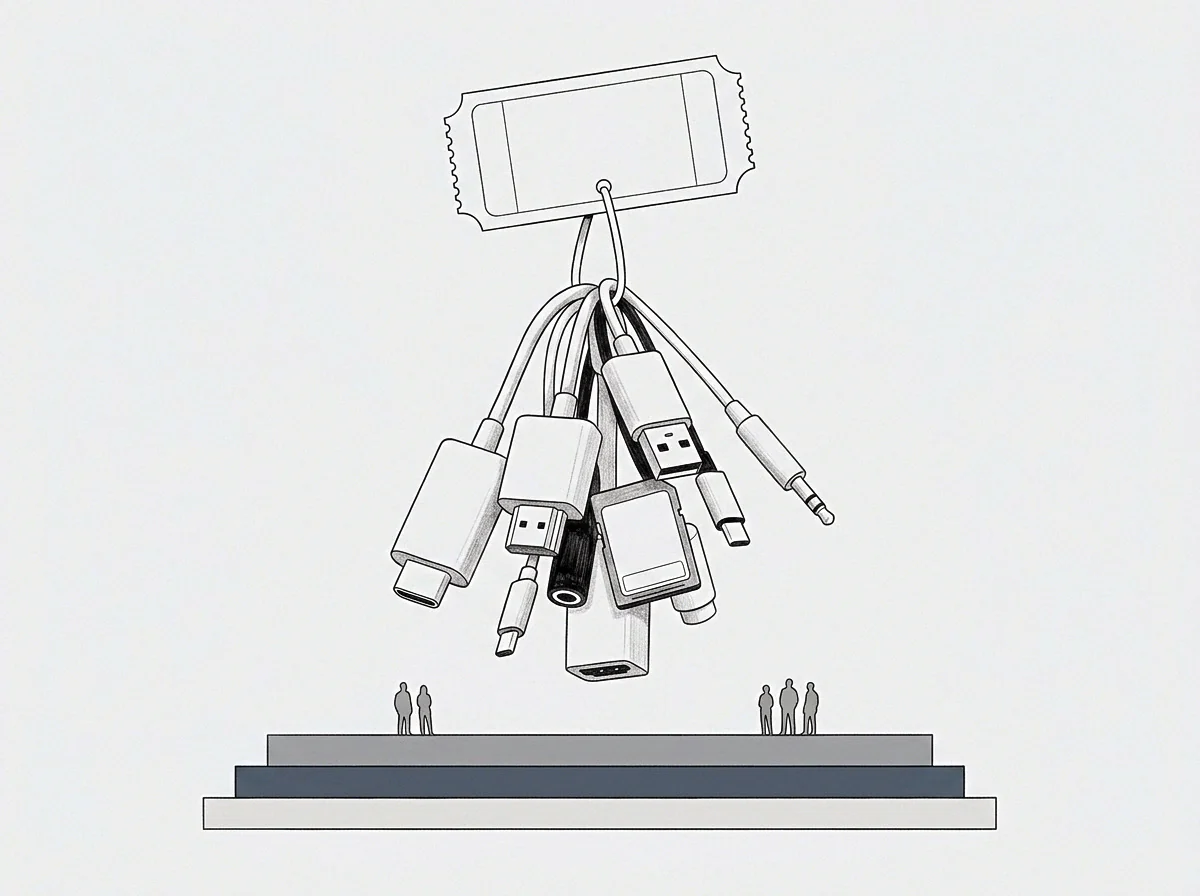
Rebuilding executive capacity requires lowering autonomic recovery latency through structural load reduction. Subjective mood checks offer poor evidence of physiological state, since habituation conceals chronic sympathetic activation. Capacity returns when open operational loops are converted into gated structures defined by explicit scope, firm dates, and precise terms.
Gating removes the demand for ongoing subcortical monitoring, allowing parasympathetic tone to recover.

Structural Gating of Open Loops
A thread requires minimal maintenance only when its parameters are fully defined. Explicit scope bounds the cognitive domain; a firm date removes temporal tracking; clear terms eliminate ambient monitoring of relationships. With these three conditions in place, the prefrontal cortex offloads the thread from working memory, stopping the micro-spikes in sympathetic tone that prolong autonomic recovery latency.
Gated commitments close open operational loops.
Setting aside an operational thread without continuous tracking releases working memory immediately. An operator who converts six ambiguous partner requests into single-sentence commitments with set review dates regains measurable vagal tone within twenty-four hours. The underlying mechanism is the drop in subcortical arousal, which restores prefrontal capacity for strategic work.
Converting an ambiguous operational loop into a gated commitment with scope, date, and terms restores parasympathetic baseline reactivation.
Setting a firm concurrency limit stops allostatic load from rebuilding. The maximum number of open, ungated threads an operator can carry without extending autonomic recovery latency past twenty-four hours is three. Maintaining this ceiling prevents non-linear drops in executive capacity during high-stress periods.
A thread fully gated by scope, date, and terms costs zero autonomic slots until its specified review window opens.