
Autonomic Regulation Basics for Founders Under Sustained Operational Stress
Autonomic regulation balances sympathetic emergency mobilization against parasympathetic restoration to protect executive function under sustained operational stress.
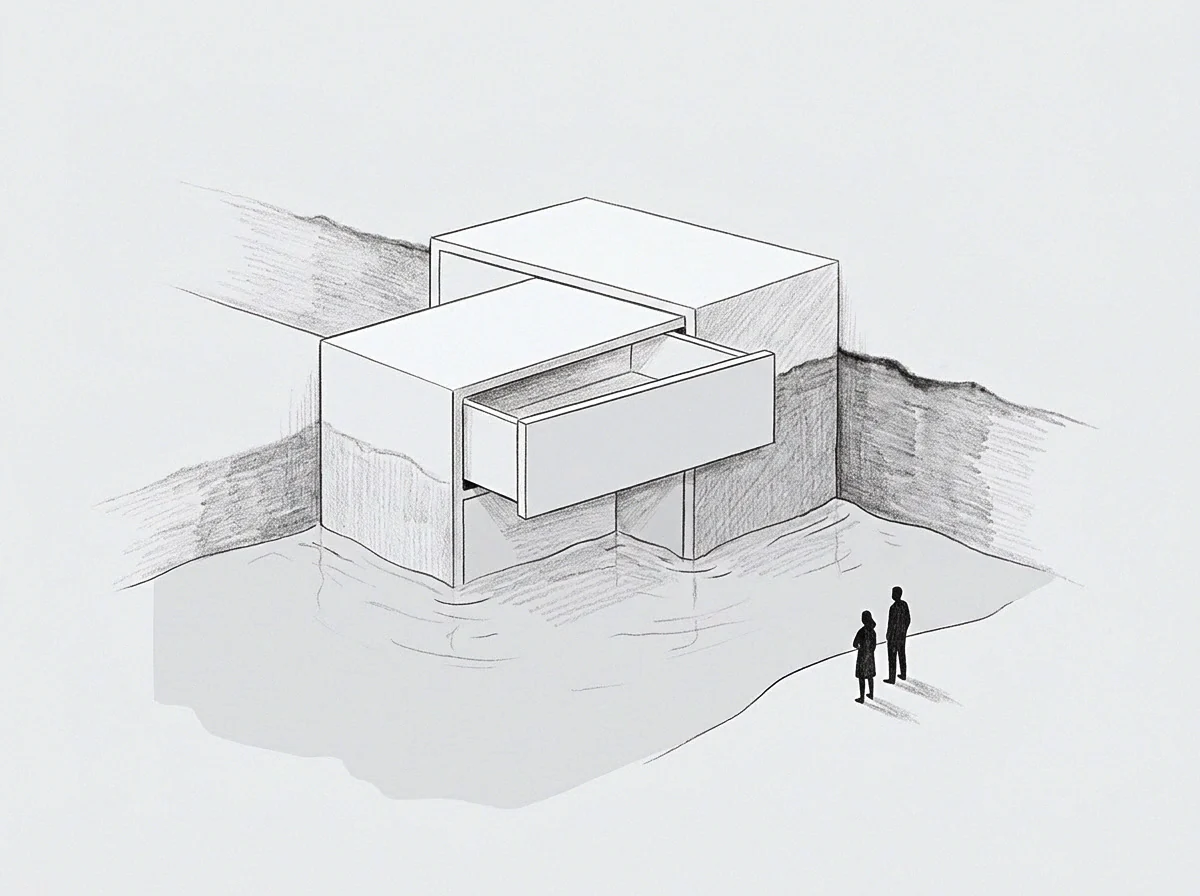
Relay
Operational pressure acts directly on biological circuitry before reaching conscious thought. The human autonomic nervous system governs cardiac acceleration, vascular tone, metabolic mobilization, and digestive suppression through paired branches: the sympathetic system and the parasympathetic vagal complex. Sustained operational demand alters the basal tone of these neural pathways, holding the physical organism in defensive mobilization across consecutive fiscal quarters.
The operator sits at an office desk while the spinal sympathetic trunk signals the adrenal medulla to release catecholamines into circulation. This physiological activation increases cardiac output, elevates peripheral resistance, and redirects arterial blood flow away from visceral organs toward skeletal muscle and cerebral cortex. Such activation developed to resolve brief physical emergencies lasting minutes, yet corporate survival imposes an identical neuroendocrine cascade for years without resolution.
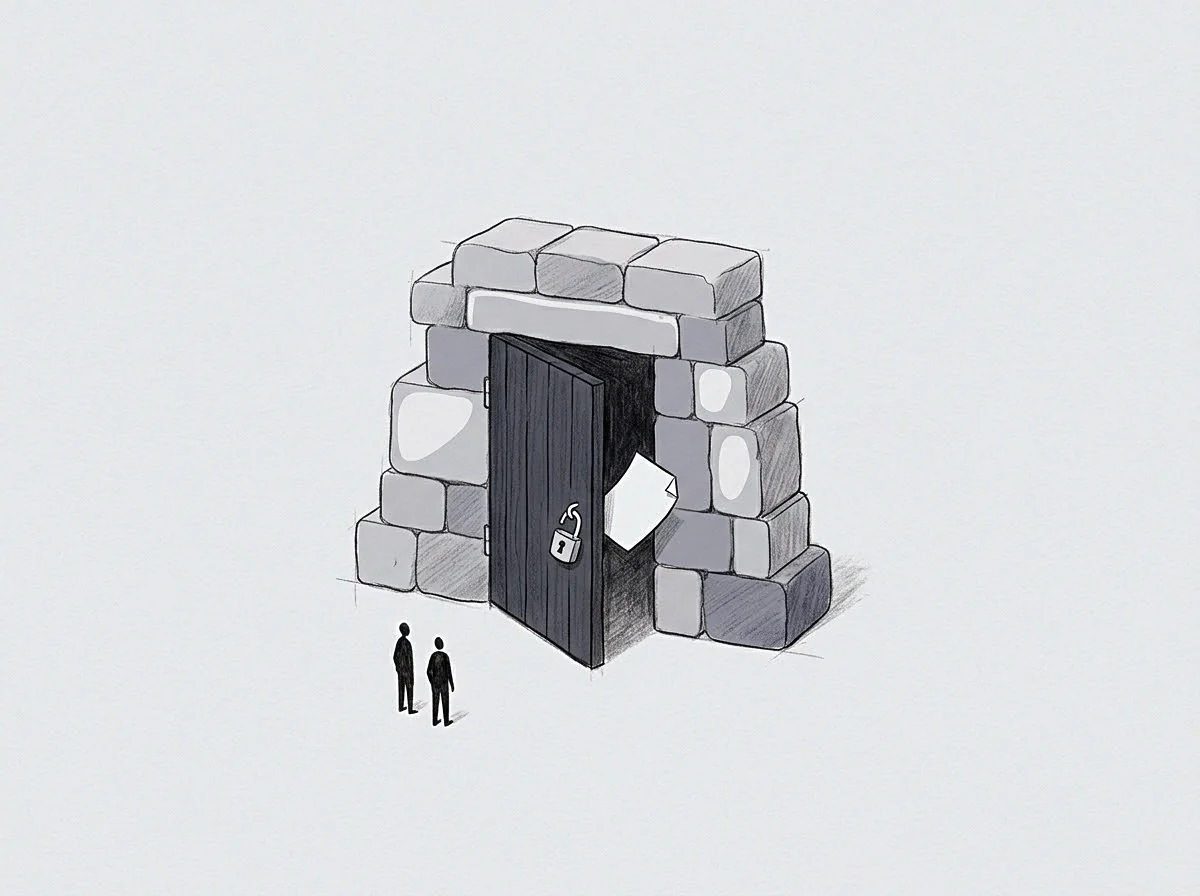
Autonomic Architecture Under Chronic Demand
The myelinated ventral vagal motor pathway arises in the nucleus ambiguus, regulating cardiac output through acetylcholine release at the sinoatrial node. This vagal brake permits rapid adjustments in systemic arousal without triggering full neuroendocrine cascades. High vagal tone decelerates cardiac cycles during interpersonal exchanges, stabilizing respiratory sinus arrhythmia and preserving metabolic capital.
Prolonged operational crises erode this parasympathetic modulation. As nocturnal sleep contracts and stakes escalate, the unmyelinated dorsal vagal and sympathetic systems assume control over physiological baseline states. The operator experiences this shift through persistent tachycardia, elevated evening cortisol, pupillary dilation, and disrupted gut motility.
Under continuous ambiguity, autonomic tone shifts from adaptive parasympathetic pacing to unremitting sympathetic defense.
Biochemical depletion compounds this structural strain. Prolonged hypothalamic-pituitary-adrenal activation sustains serum glucocorticoids, down-regulating glucocorticoid receptor sensitivity inside the prefrontal cortex and hippocampus. Metabolic resources reallocate toward immediate vigilance.
Neuroimaging reveals functional decoupling between the amygdala and anterior cingulate cortex when cortisol remains elevated across sixteen weeks. Consequently, small operational errors trigger autonomic surges indistinguishable from existential enterprise failures. Somatic tension becomes permanent.
The daily intake of unresolved items taxes this physical hardware through specific biological pathways:
- Allostatic accumulation drives systemic arterial stiffening when vascular smooth muscle remains contracted across consecutive operational quarters.
- Vagal deceleration deficit eliminates the micro-recoveries that normally punctuate daytime transitions between analytical tasks.
- Neuroendocrine desensitization blunts the cellular response to insulin, leaving the central nervous system starved of steady fuel during acute crises.
A calm baseline returns only when incoming threats drop below physiological detection thresholds.
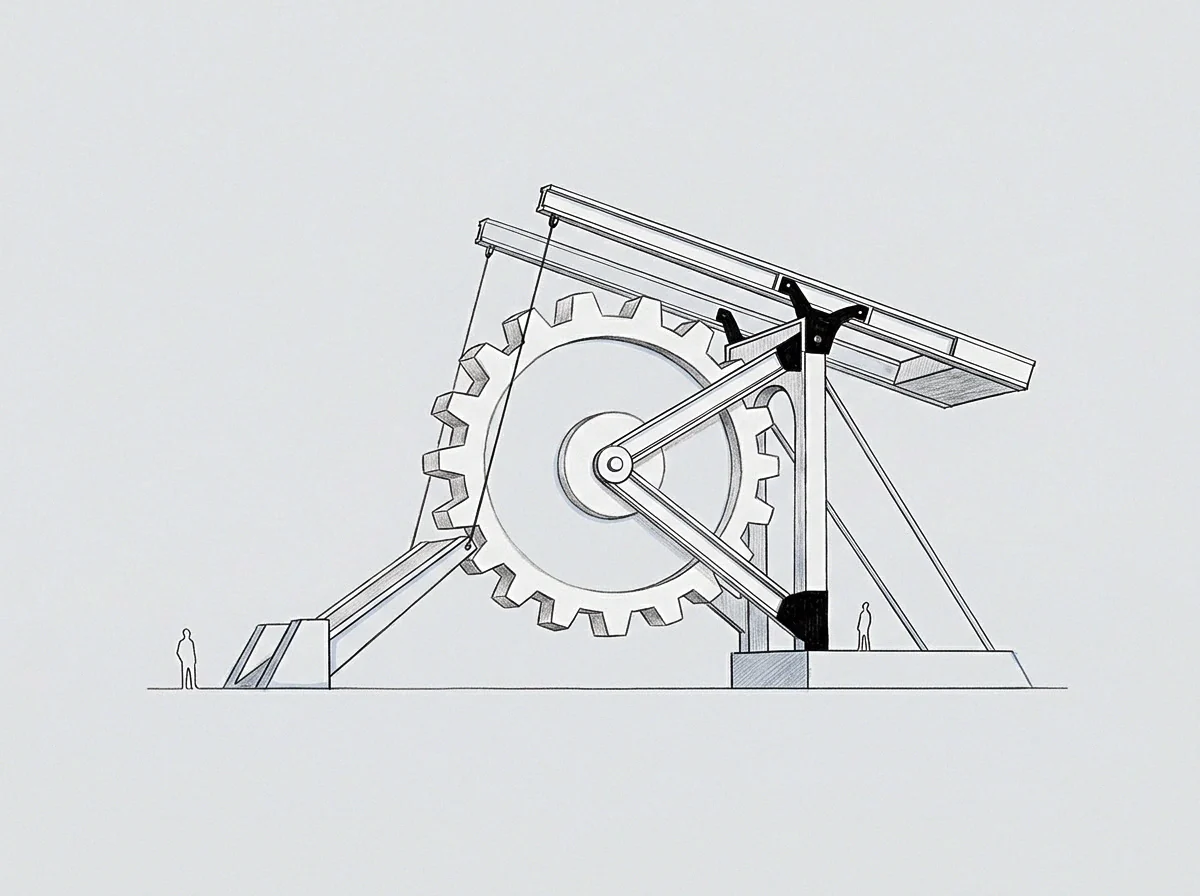
Tank
Metabolic expenditure outpaces caloric replenishment when an enterprise faces protracted existential exposure. The human brain claims one fifth of resting somatic energy, consuming glucose almost exclusively to preserve neuronal ion gradients. Chronic problem-solving amidst cash shortfalls demands uninterrupted cortical computation.
Glycogen stores within cerebral astrocytes drain rapidly under uninterrupted working days. When peripheral energy reserves deplete, the liver initiates gluconeogenesis, breaking down muscle tissue and structural protein to feed the insatiable demands of executive deliberation. Physical capacity contracts steadily.
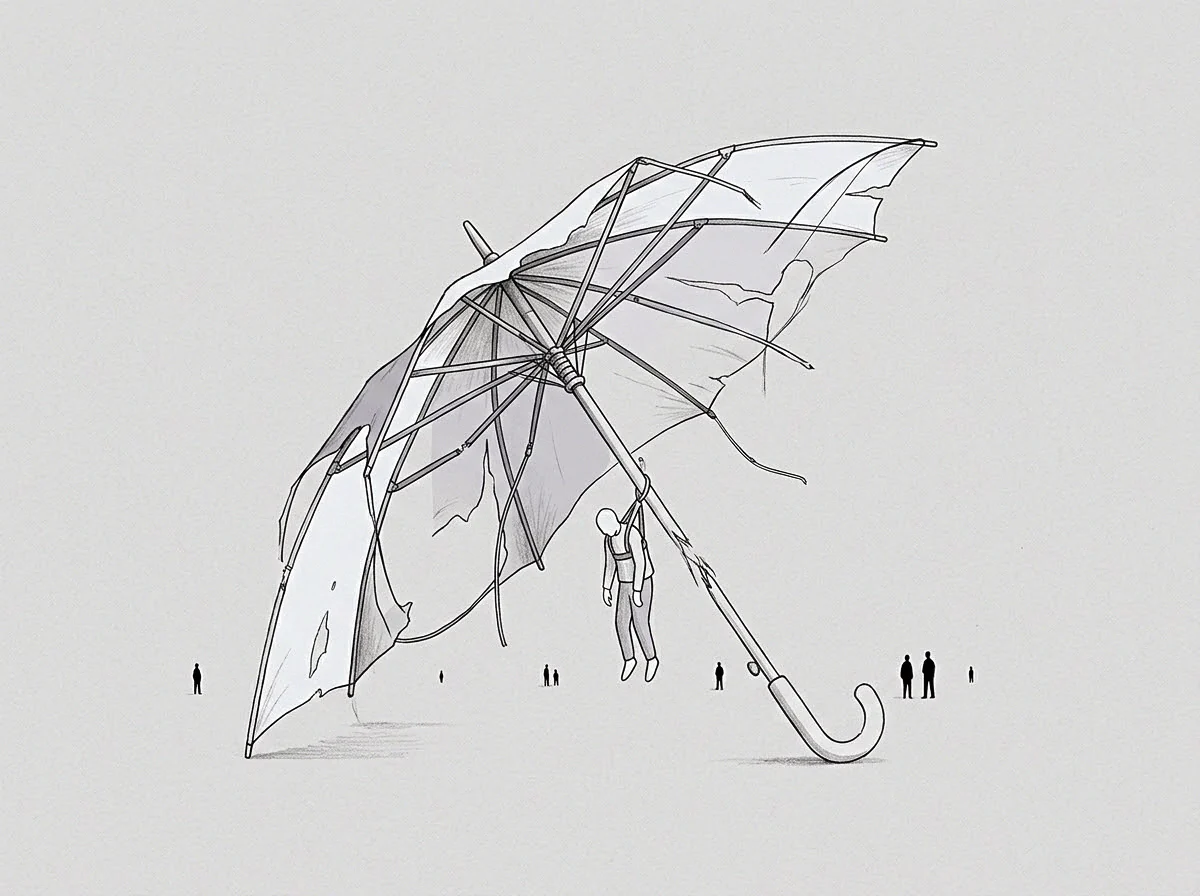
Cerebral Energetics and Glycemic Depletion
Astrocytes convert circulating blood glucose into lactate, transferring fuel directly into active neurons through monocarboxylate transporters. This transport mechanism falters during unremitting mental exertion. Central fatigue develops as adenosine accumulates in the basal forebrain, signalling cellular exhaustion long before muscular systems surrender.
Many enterprise leaders misinterpret this energetic exhaustion as an emotional failing or a character flaw. The biological reality remains strictly thermodynamic. Cognitive output degrades along reproducible biochemical curves when ATP production falls behind cellular hydrolysis.
Sleep disruption exacerbates astrocyte fatigue. During deep non-rapid eye movement cycles, the glymphatic system expands interstitial space, clearing metabolic waste including tau proteins and amyloid fragments from cortical parenchyma. Five continuous nights of curtailed rest reduce glymphatic clearance by half.
The operator awakens with residual metabolic debris clogging prefrontal neural pathways. Working memory spans compress from seven concurrent tokens to three. Decision latency quadruples.
The body compensates for central exhaustion by elevating systemic arterial tone, creating false sensations of alert readiness that mask profound cellular weariness.
Metabolic insolvency arrives when cellular regeneration consistently lags daytime neuroendocrine consumption.
Consider two enterprise leaders managing parallel product recalls over ninety days. The first individual maintains eight continuous working hours, schedules thirty minutes of quiet recumbency without illumination at midday, and stops screen intake ninety minutes prior to sleep. The second individual remains connected across eighteen daily hours, ingesting synthetic stimulants to override midday fatigue while working through midnight status checks.
Laboratory markers at day forty-five reveal divergent trajectories. The first operator displays intact salivary cortisol awakening responses and baseline systemic inflammation. The second operator presents flattened morning cortisol, elevated high-sensitivity C-reactive protein, and impaired postprandial glucose regulation.
The physical machine degrades under denial.
Ignoring cellular energy boundaries results in involuntary systemic collapse that terminates operational oversight regardless of commercial necessity.
Valve
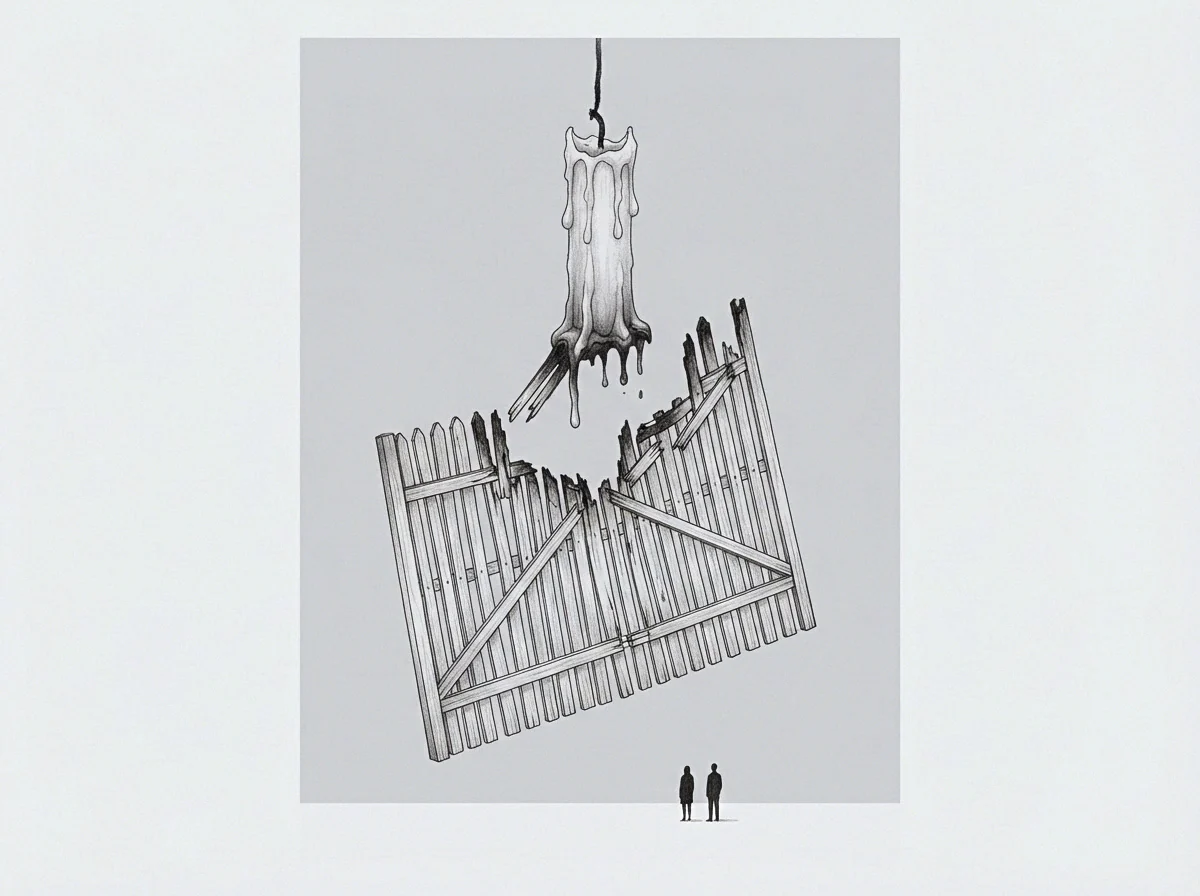
Regulating the flow of operational stressors demands functional physiological gating. Without intentional throttling mechanisms, every message, customer dispute, and balance sheet revision impinges directly upon visceral centers. A biological valve exists in the balance between sympathetic mobilization and parasympathetic recovery.
Effective operators establish physical buffers that dampen incoming stimuli before peripheral receptors register crisis. This buffering preserves prefrontal executive bandwidth, allowing calculated deliberation during severe organizational disruption.
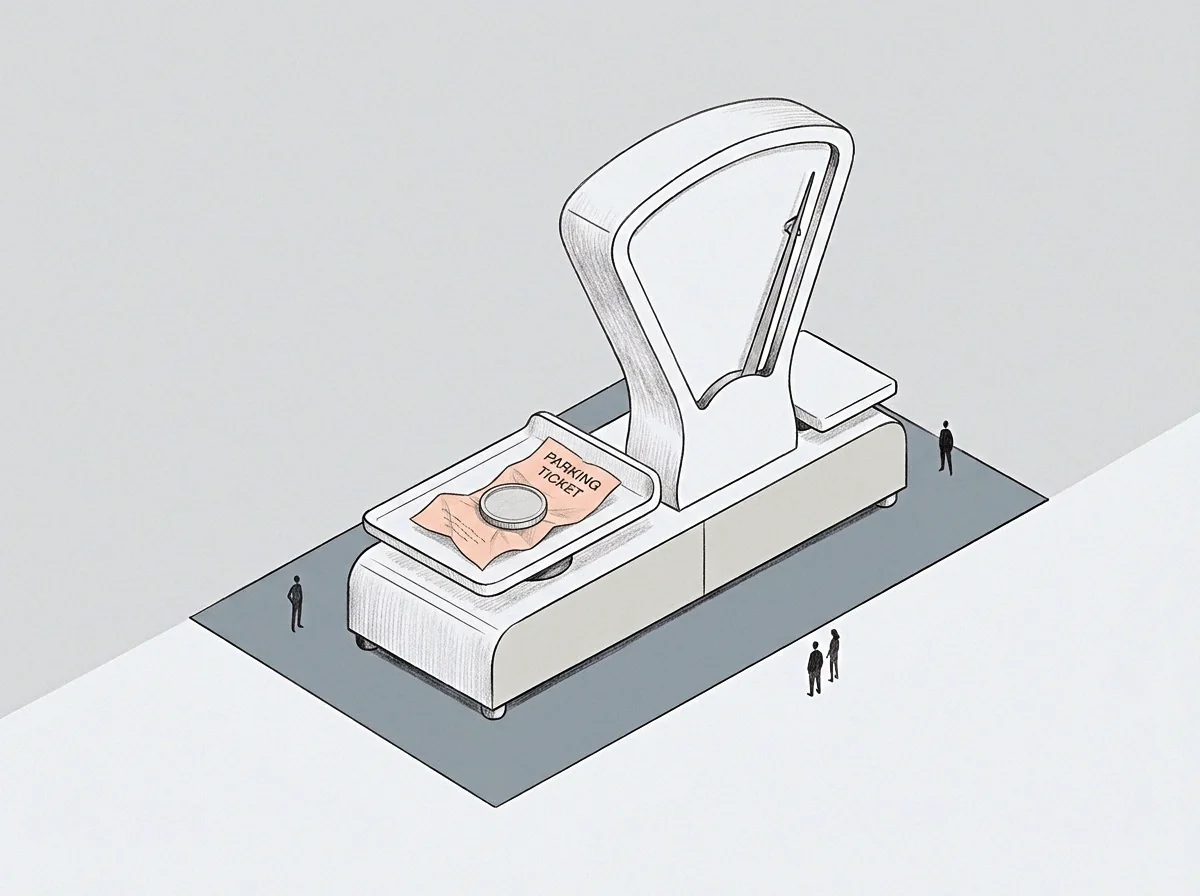
Does Parasympathetic Tone Protect Executive Attention?
Vagal nerve stimulation experiments demonstrate immediate preservation of working memory under cognitive stress. When parasympathetic output stabilizes heart rate variability, the prefrontal cortex retains its capacity for top-down inhibitory control over subcortical defense circuits. The operator evaluates operational setbacks without activating whole-body vasoconstriction.
Conversely, when vagal modulation collapses, attentional filters dissolve entirely. The brain treats every notification as an existential survival challenge, distributing finite glucose evenly across trivial emails and critical corporate decisions. Executive control disintegrates into reactive panic.
The table below tracks how biological systems process stress across different autonomic stages, comparing physiological variables against cognitive output under sustained operational load.
| Autonomic State | Vagal Tone Index | Predominant Hormone | Cognitive Bandwidth | Operational Vulnerability |
|---|---|---|---|---|
| Ventral Stabilization | High heart variability | Balanced oxytocin acetylcholine | Wide attentional field | Selective strategic pause |
| Sympathetic Mobilization | Low heart variability | Adrenaline noradrenaline | Tunnel focus linear execution | Reactive crisis proliferation |
| Dorsal Shutdown | Depressed baseline | Flattened cortisol prodynorphin | Severe memory deficit | Complete operational paralysis |
Gating mechanisms operate through concrete somatic interventions. Controlled expiration prolongs acetylcholine release from vagal terminals, mechanically decreasing heart rate within two minutes. Slow diaphragmatic breathing against light airway resistance stimulates baroreceptors in the aortic arch, transmitting afferent signals to the solitary tract in the brainstem.
These brainstem nuclei command sympathetic deceleration throughout peripheral vascular beds. The operator alters autonomic state using biomechanics rather than willpower.
A physical regulatory lever alters autonomic tone far faster than mental admonition.
Enterprise operators who master this physiological valve navigate volatile negotiations with intact neurological composure. They recognize peripheral vasoconstriction as a biological cue to decelerate cadence rather than an instruction to accelerate verbal output. Uncalibrated counterparties misread this deliberate composure as cold detachment or cognitive slowness.
The physical delay preserves metabolic reserves.
The investor remarked that the room felt frozen while the crisis deepened.
Cable
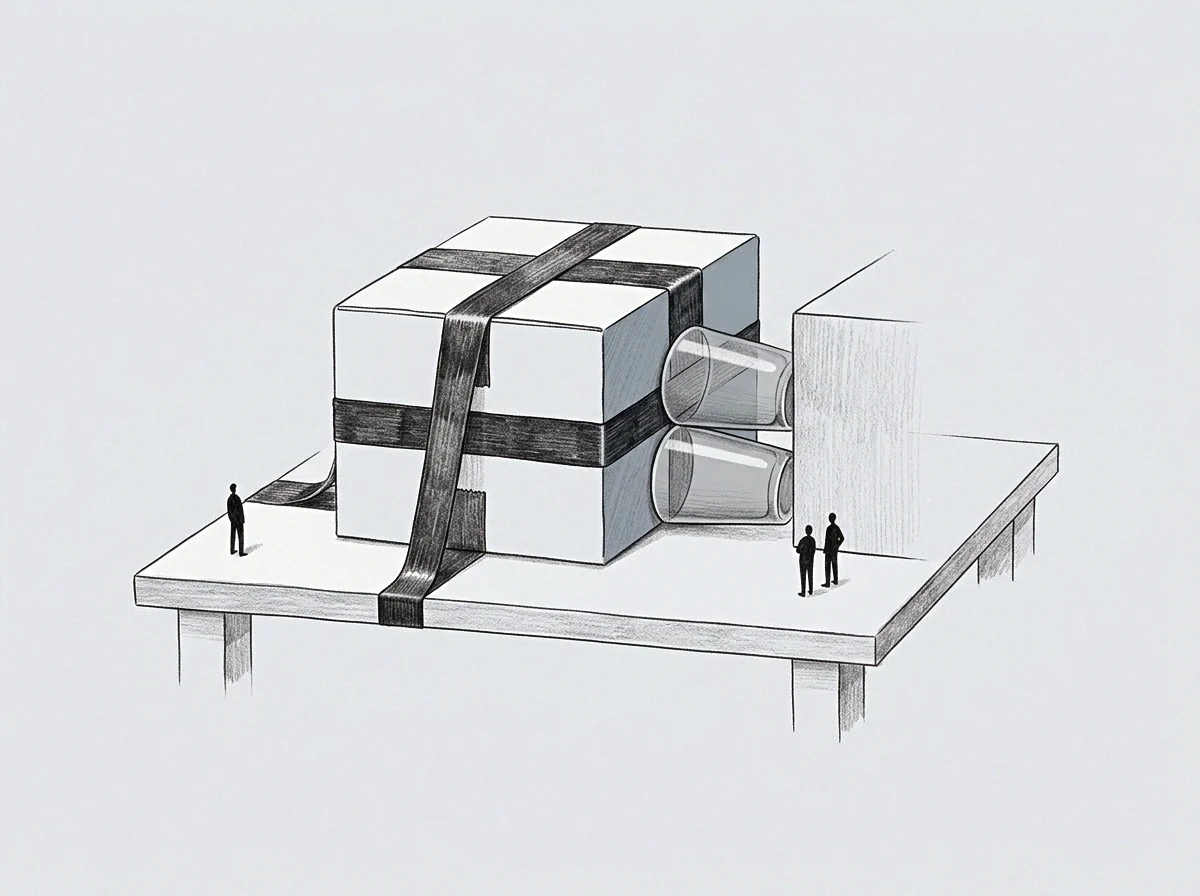
Nervous systems do not operate as isolated electrical circuits inside corporate offices. Social baseline theory establishes that human biology treats proximity to predictable allies as an external metabolic asset. Co-regulation functions as an invisible neural conduit connecting operators with partners, key executives, and trusted board members.
When reliable counterparties communicate composure through prosodic speech, relaxed facial musculature, and steady eye contact, the observer’s ventral vagal system receives neuroceptive safety signals. The physical burden of autonomic stabilization distributes across the collective group, conserving precious personal glycogen.
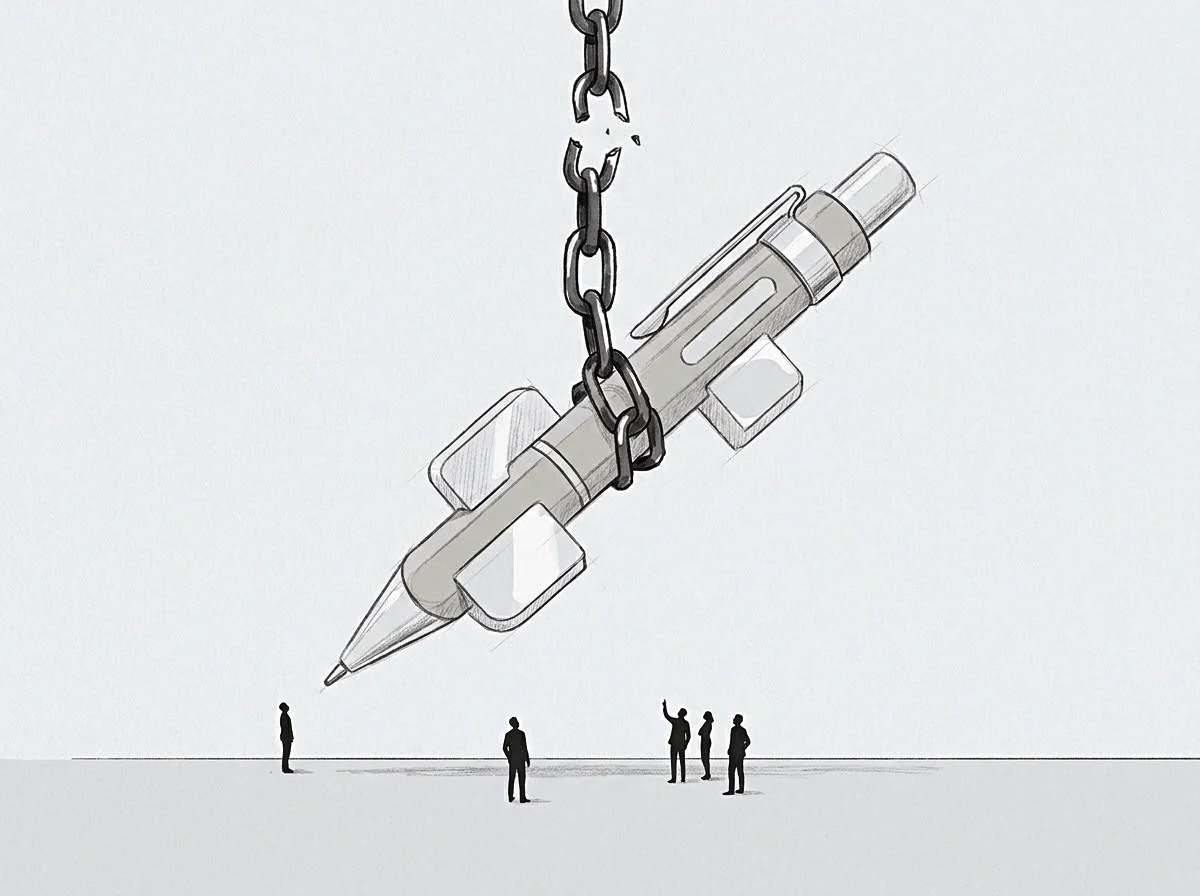
Structural Economics of Relational Regulation
Isolation amplifies physiological expenditure. An executive attempting to regulate alone against hostile shareholders incurs massive neuroendocrine surcharges. The brain computes environmental risk relative to available social mass.
In the absence of aligned allies, subcortical vigilance networks assume maximum vulnerability, keeping cardiac output and systemic arterial pressure artificially high. This relational isolation transforms routine operational problems into crushing biological burdens. Shared regulatory cables distribute that weight.
Relational cables function predictably when specific structural conditions are met:
- Explicit operational boundaries define communication hours to prevent continuous sympathetic arousal from unannounced evening transmissions.
- Predictable cadence meetings replace erratic ad hoc alerts, anchoring biological anticipatory rhythms to fixed calendar intervals.
- Unvarnished status exchanges eliminate the physiological cost of maintaining artificial corporate optimism before internal stakeholders.
The presence of an aligned co-regulator transforms enterprise resilience from an individual strain into an amortized operational resource. When a co-founder maintains parasympathetic stability during a cash crisis, the nervous system of their partner mirrors that baseline through vagal entrainment. Respiration synchronizes.
Peripheral resistance normalizes. The corporate partnership operates as a shared biological battery, dividing metabolic taxation to prevent individual collapse.
Relational safety reduces the basal metabolic cost of operational problem solving.
The operational protocol establishes that unmonitored communication channels close completely at twenty-one hundred hours to preserve nocturnal parasympathetic recovery.

Post
Anchor mechanisms anchor systemic recovery amidst turbulent market cycles. The human organism demands environmental constants to register security. Fixed physical posts establish biological landmarks that halt perpetual sympathetic vigilance.
When daily life lacks structural anchors, autonomic networks remain locked in scanning mode, searching visual and auditory horizons for incoming disruption. The operator becomes a tethered kite battered by commercial gales, lacking ballast to maintain orientation.

Somatic Anchors in Turbulent Environments
Establishing circadian landmarks reorganizes cellular clock genes throughout hepatic, cardiac, and cerebral tissues. Morning photic exposure to natural sunlight triggers suprachiasmatic nucleus activity, setting a twelve-hour timer for nocturnal melatonin synthesis. Fixed meal timings synchronize peripheral metabolic pacemakers, preventing metabolic desynchrony between digestive organs and central cognitive centers.
These mundane somatic anchors supply predictability when operational realities remain entirely unpredictable. The physical organism stabilizes internally despite external market volatility.
Physical environments project autonomic cues. An office space perpetually cluttered with open files, unpaid invoices, and flashing displays communicates continuous environmental threat to primitive brain centers. Somatic tension spikes quietly.
By erecting physical posts: designated non-digital workspaces, scheduled intervals of silence, and strict demarcations between analysis and execution, the operator establishes protected sanctuaries for parasympathetic restoration. The nervous system resets its baseline resting state.
Sustained operational pressure reveals the ultimate boundary of human autonomic adaptation. Even an expertly regulated nervous system faces absolute biological ceilings determined by mitochondrial capacity, cellular oxidation, and neural plasticity limits. Corporate structures expand indefinitely, yet human biological hardware remains bounded by ancient evolutionary parameters.
How many consecutive years of extreme commercial ambiguity can human neuroendocrine architecture absorb before cellular wear permanently alters baseline physiological function?