
Physiological Markers Of Throttling Under Sustained Organizational Demand
Regulatory throttling is protective autonomic down-regulation preserving routine operations while zeroing exploratory capacity under sustained demand.

Ceiling
Four unread client disputes sat open on the secondary monitor at midnight. The person in the operating seat drafted replies to each invoice query with grammatical precision, sent the files, confirmed bank reconciliations, and remained unable to initiate a single strategic document for the upcoming quarter. Operational execution persisted while exploratory capacity ceased.
Observers call this state apathy, depression, or an executive burnout episode. Clinical terminology routinely misreads the condition. The biological reality involves regulatory throttling, an active preservation protocol where an organism running at absolute capacity sheds non-critical metabolic expenditures to preserve core delivery functions.
Throttling functions as an adaptive down-regulation of neural and endocrine output. The nervous system reduces discretionary engagement to protect baseline autonomic integrity. Output continues along pre-existing rails.
Novel processing stops.
A throttled system preserves contract execution while zeroing exploratory capacity.
Sustained operational demand creates an uninterrupted stream of incoming arbitration loops. Each loop demands physiological arousal to assess risk and allocate priority. In an early venture or an expanding department, these loops arrive without structural dampening.
The founder acts as the lone regulator of commercial variance. This operational position consumed the fourth processor slot.

Distinguishing Capacity Preservation From Clinical Collapse
The distinction between depressive paralysis and operational throttling rests on how resource restriction manifests under direct challenge. In melancholic depression, psychomotor retardation pairs with pervasive anhedonia across both occupational and personal domains. The individual fails to pay invoices, neglects operational hygiene, and disengages from basic transactional obligations.
Throttling presents an inverse presentation. Transactional competence remains intact. Contractual commitments meet their deadlines.
The executive attends required board meetings, signs payroll authorizations, and maintains public composure. The stoppage isolates itself strictly to unscripted, forward-looking initiatives that lack immediate contractual enforcement.
The capacity to start voluntary work vanishes. The capacity to satisfy mandatory demand remains preserved. Energetic triage explains this dichotomy.
When the energetic costs of sustained vigilance outpace recovery over consecutive quarters, the central nervous system enforces metabolic austerity. The brain curtails energy allocation to the prefrontal networks responsible for open-ended problem solving, divergence, and counterfactual planning. It preserves the striatal and sensorimotor loops that execute routine, highly overlearned procedures.
Misreading this conservation state carries severe consequences. Treating a throttled operator with psychiatric activation protocols or demanding renewed visionary leadership compounds the physiological deficit, accelerating the transition from reversible metabolic preservation to permanent systemic exhaustion.

Floor
Basal autonomic activity provides quantifiable evidence of systemic load long before behavioral metrics register operational strain. Laboratory assessment of autonomic balance reveals distinct patterns when sustained organizational demands exceed recovery thresholds. The primary measurement appears in vagal tone degradation, tracked through high-frequency heart rate variability metrics.
Under normal baseline conditions, the parasympathetic branch of the autonomic nervous system acts as an active brake on cardiac acceleration, releasing acetylcholine at the sinoatrial node to modulate response to environmental inputs.
Chronic operational demand suppresses this parasympathetic brake. Root mean square of successive differences drops steadily across weeks of uninterrupted organizational fire-drills. The cardiac inter-beat intervals become rigid.
Heart rate loses its complex variability. The system locks into invariant sympathetic readiness.
Resting heart rate ticks upward by six to ten beats per minute. This baseline elevation persists across sleep cycles. Nighttime readings show sustained sympathetic dominance.
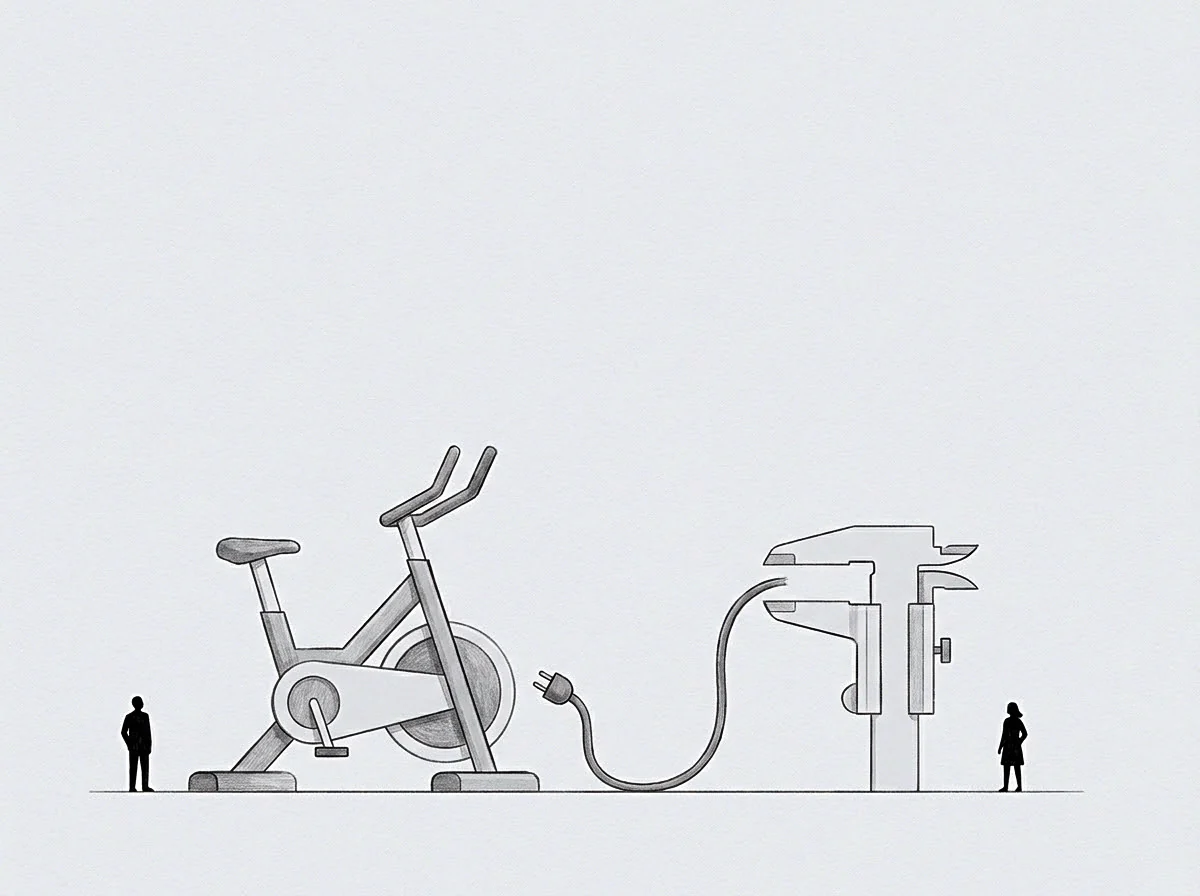
Suppression of vagal tone eliminates the physiological buffer required to absorb transactional shocks.
Endocrine Flattening and Cortisol Dynamics
Endocrine profiling demonstrates a parallel pattern of wear. The hypothalamic-pituitary-adrenal axis initially responds to organizational expansion with heightened cortisol synthesis. Sustained exposure alters this trajectory.
Cortisol output transitions into a blunted diurnal curve.
Healthy physiology exhibits a steep cortisol awakening response, peaking thirty to forty-five minutes post-waking, followed by a steady curvilinear descent toward a nadir near midnight. Throttled operators present a flattened slope. Morning peak levels drop below normative ranges.
Evening levels stay elevated. The natural diurnal gradient collapses. The person wakes exhausted and enters midnight in a state of agitated alertness.
This endocrine plateau rests on extensive endocrinological investigations of chronic occupational exhaustion. Findings in ambulatory salivary profiling demonstrate that flattened diurnal cortisol trajectories correlate directly with prolonged interpersonal and commercial accountability, though testing this finding across populations with variable shift patterns requires controlling for circadian disruption. If subsequent multi-cohort studies demonstrate that diurnal flattening reflects genetic receptor density rather than acquired occupational load, the diagnostic utility of the curve would narrow to baseline vulnerability screening.
Salivary profiling under sustained load records distinct endocrine configurations:
- Awakening cortisol attenuation reflects adrenal receptor down-regulation following months of continuous sympathetic recruitment. The expected morning surge drops by more than thirty percent against baseline.
- Elevated nocturnal nadir prevents deep cellular repair and sustains cardiovascular strain throughout the recovery window. Midnight values hover at twice the normal baseline.
- Dehydroepiandrosterone sulfate depletion shifts the anabolic-to-catabolic ratio toward persistent cellular degradation. The protective index drops steadily under uninterrupted organizational fire-fighting.
- Attenuated dexamethasone suppression signals glucocorticoid receptor resistance in peripheral target tissues. Circulating cortisol fails to signal central shutdown loops.
Systemic inflammatory signaling rises in tandem with glucocorticoid resistance. Circulating concentrations of interleukin-six, tumor necrosis factor-alpha, and high-sensitivity C-reactive protein increase. The immune system interprets continuous psychosocial arbitration as chronic tissue trauma.
This low-grade inflammatory signaling induces neurovegetative adjustments: psychomotor deceleration, heightened pain sensitivity, social withdrawal, and profound mental fatigability. An unstated commercial limit creates biological inflammation as directly as physical trauma.

Current
Sleep architecture undergoes structural disintegration under relentless organizational throughput. Macro-architecture assessment through polysomnography shows that total sleep time often remains deceptively stable, while micro-architecture suffers marked disruption. Slow-wave sleep suppression represents the primary structural casualty.
Stage three non-rapid eye movement sleep declines in total duration and delta-power density. Because slow-wave sleep serves as the mandatory window for prefrontal metabolic restoration and glymphatic clearance of neurotoxic metabolites, its loss degrades working memory and emotional regulation.
Micro-arousals proliferate throughout the night. The sympathetic nervous system breaks through cortical sleep maintenance mechanisms, triggered by anticipatory monitoring of pending crises. The operator wakes repeatedly in the second half of the sleep cycle, mind instantly engaged with transactional reconciliations.
Deep restoration drops to zero.

Is Autonomic Conservation Reversible Under Ongoing Operations?
Clinical experience indicates that passive rest fails to restore vagal flexibility while the operating seat retains its uncurbed responsibilities. Weekend retreats and episodic vacations produce transient drops in salivary cortisol without altering the flattened diurnal curve or elevating resting heart rate variability. The central nervous system maintains anticipatory vigilance.
The subconscious recognition that the operational desk remains unshielded preserves sympathetic engagement during nominal downtime.
Consider two partners running an enterprise with twenty staff members and unstable cashflow. Both experience identical hours, yet their physiological markers diverge based on structural exposure. The partner managing defined internal engineering metrics displays preserved heart rate variability and normal sleep stages.
The partner absorbing unrestricted commercial variance, handling late-night investor communications, and arbitrating unresolved staff tensions exhibits pronounced vagal withdrawal and high evening cortisol. Structural insulation governs physiological load.
Uncertainty exists within current occupational health literature regarding the latency between structural demand reduction and autonomic recovery. While heart rate variability metrics can rebound within weeks of closing open operational loops, glucocorticoid receptor sensitivity and diurnal cortisol rhythms may require several quarters of reduced demand to re-establish normative slopes. A careful operator manages capacity under this uncertainty by treating autonomic recovery as a multi-quarter biological reconstruction rather than an immediate consequence of taking leave.
A manufacturing plant shut down its core assembly line for twelve hours when cooling pumps registered thermal strain. The plant manager accepted the idle line to protect the capital machinery from irreversible seizure. The human nervous system enforces an identical shutdown logic through autonomic throttling.
The cognitive engine overheats, the vagal brake releases, and the organism reduces speed to protect its vascular architecture.
What physiological thresholds mark the transition from protective down-regulation to irreversible neuroendocrine exhaustion across diverse operational seats?
Grid
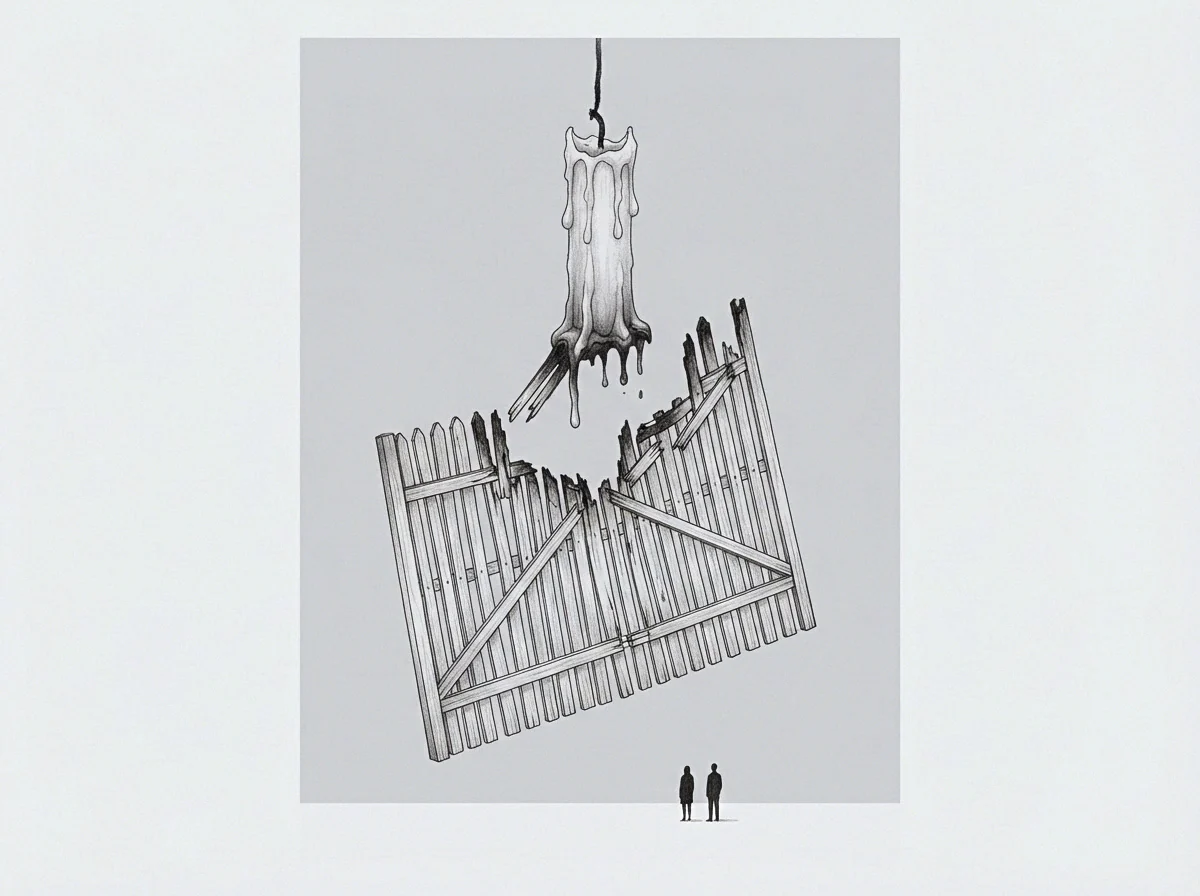
The structural driver of physiological throttling is the accumulation of ungated threads within the operator’s daily working environment. An ungated thread is an open operational loop lacking bounded scope, explicit termination dates, and unambiguous contractual terms. A scheduled project with defined milestones and isolated liability consumes minimal regulatory headroom.
Conversely, an ambiguous investor expectation, an undefined co-founder conflict, or a rolling product failure with open-ended customer exposure occupies a continuous monitoring channel.
Human working memory possesses a finite concurrency limit. Physiological systems mirror this limitation. The autonomic apparatus cannot distinguish between a physical threat in the immediate room and six unresolved commercial disputes sitting unaddressed in an email inbox.
Each open loop requires continuous low-level cortical monitoring. This vigilance extracts an allostatic toll.
A project with scope, date, and terms costs little; an open operational loop costs an entire regulatory processor.
Distinguishing physiological throttling from clinical depression proves essential for designing correct operational interventions. The operational environment routinely treats these divergent conditions with identical, ineffective wellness protocols.
| Diagnostic Dimension | Physiological Throttling | Clinical Depressive Episode |
|---|---|---|
| Behavioral Core | Preserved transactional execution alongside complete cessation of discretionary, unscripted initiatives. | Generalized psychomotor retardation affecting both mandatory routines and voluntary tasks. |
| Affective Range | Intact situational humor, localized irritation, and reactivity during direct transactional engagement. | Pervasive flat affect, persistent anhedonia, and affective non-reactivity across all environments. |
| Autonomic State | Rigid sympathetic tone during work hours with suppressed vagal brake; normalizes partially during total isolation. | Pervasive autonomic dysregulation uncoupled from external operational inputs or immediate situational relief. |
| Cognitive Profile | Preserved analytical capacity for structured problems; sharp drop in working memory headroom for complex synthesis. | Systemic cognitive slowing, impaired retrieval, negative interpretive bias across neutral data. |
| Response to Gating | Immediate release of physiological tension upon formal closure or legal bounding of open operational loops. | Negligible immediate symptomatic improvement following structural delegation or transactional boundary setting. |
When the environment misreads throttling as depression, the remedial interventions chosen compound the organizational damage. The board urges the founder to seek individual psychological treatment while leaving the underlying torrent of ungated operational threads running at full volume. The founder internalizes the problem as personal inadequacy.
The physical wear accelerates. The fifth processor slot remained offline through the entire audit.
The investor remarked that the chief executive seemed detached and lacked passion for the next growth stage.
Tether
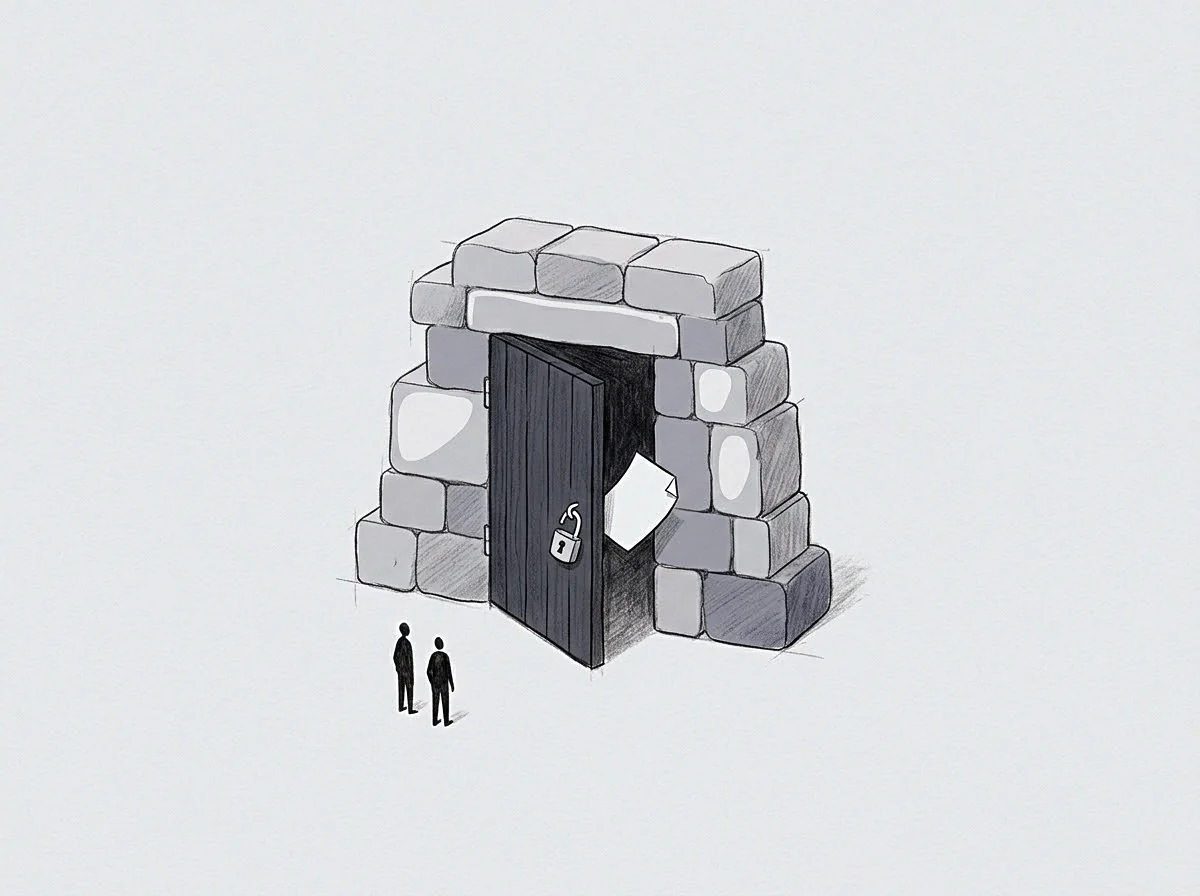
Restoring physiological capacity requires structural re-engineering of the operational interface rather than introspective wellness practices. Autonomic headroom returns only when the count of concurrent ungated threads drops below the nervous system’s hard monitoring threshold. The operator creates biological recovery by constructing rigid operational gates that intercept incoming demands before they reach cortical evaluation.
Gating relies on three explicit parameters: scope, date, and terms. Scope isolates the perimeter of liability. Date bounds the duration of attention.
Terms define unambiguous criteria for closure. An issue lacking these three parameters remains an open loop that extracts continuous physiological payment.

Establishing Structural Gates
The implementation of structural gates demands ruthless transactional clarity. Every ambiguous communication must be converted into a bounded artifact or severed from the operator’s monitoring perimeter. This operational shift stops the hemorrhage of regulatory headroom.
- Thread conversion transforms open-ended stakeholder dialogues into asynchronous decision memos with explicit operational deadlines. An unreturned inquiry without a deadline forces autonomic vigilance; a memo with a firm expiration date frees a cognitive slot.
- Variance delegation reallocates the authority to arbitrate routine operational surprises to internal operators. Retaining the duty to resolve unexpected operational friction keeps the sympathetic nervous system continuously activated.
- Communication isolation eliminates ambient messaging platforms from the primary working terminal. Asynchronous batching of partner requests replaces uninterrupted accessibility, re-establishing periods of true autonomic parasympathetic recovery.
- Term hardening establishes fixed boundaries on commercial warranties, customer support commitments, and internal revisions. Clear contractual parameters protect the human operator from boundless stakeholder demands.
Parked threads must remain entirely unmonitored. Moving an unresolved initiative into a backlog while continuing to track its daily status provides zero autonomic relief. The central nervous system tracks attention, not file storage.
True parking requires absolute severance of real-time monitoring until a pre-determined review date arrives.
Autonomic headroom returns when the count of unmonitored gates exceeds the volume of incoming operational demands.