
Biomarker Tracking of Allostatic Overload in Technical Leadership
Chronic operational pressure flattens diurnal cortisol slopes and lowers heart rate variability, signaling allostatic overload before functional capacity drops.

Assay
Measuring chronic wear biologically requires tracking multi-system regulatory markers over extended operational periods. Standard psychological self-assessments routinely miss early physiological adaptations because cognitive effort masks underlying neuroendocrine strain. When technical leaders face consecutive platform incidents, hiring demands, and board accountability, the central nervous system maintains output by raising baseline sympathovagal expenditure.
This adaptation, termed allostasis, carries a measurable biological cost.
Capturing this wear involves tracking several physiological axes concurrently rather than depending on an isolated metric. A clear biological indicator of prolonged demand shows up in the hypothalamic-pituitary-adrenal axis through diurnal cortisol rhythms. Under normal conditions, physiology produces a sharp morning awakening response that tapers predictably toward a low evening baseline.
Sustained operational strain flattens that slope: waking levels drop while evening levels stay high, showing that the system cannot disengage from sustained readiness.
Continuous elevation of evening cortisol indicates sustained neuroendocrine mobilization long after operational demand ceases.
Strain on the autonomic nervous system shows up in shifted heart rate variability, where vagal tone, measured as the root mean square of successive differences between normal heartbeats, drops steadily under chronic load. Concurrently, baseline inflammatory markers shift: low-grade systemic inflammation, tracked through high-sensitivity C-reactive protein and interleukin six, climbs when recovery periods consistently fail to offset catabolic output.
- Diurnal Cortisol Slope measures the rate of decay between waking peak levels and evening baseline values across consecutive operational days.
- Heart Rate Variability RMSSD quantifies parasympathetic vagal modulation during sleep windows to assess autonomic recovery capacity.
- High Sensitivity C Reactive Protein signals systemic vascular and neuroendocrine inflammatory activation resulting from persistent sympathetic drive.
- Dehydroepiandrosterone Sulfate Ratio tracks anabolic steroid buffering available to offset glucocorticoid driven metabolic breakdown.
When a flattened morning cortisol peak coincides with sustained evening secretion, the neuroendocrine margin narrows, turning routine architecture reviews into acute physiological stressors.

Clock
Endocrine timing patterns determine whether physiological adaptation stays flexible or settles into chronic overload. The circadian timing apparatus coordinates metabolic output with environmental demand. When platform outages, late release windows, or distributed team communications fracture sleep, the master pacemaker in the suprachiasmatic nucleus uncouples from peripheral metabolic clocks.
This desynchronization disrupts glucose regulation and growth hormone release. Growth hormone peaks during slow-wave sleep to support cellular repair and metabolic maintenance. Truncated slow-wave cycles interrupt these repair pathways while maintaining elevated circulating glucocorticoids.
Over several months, the resulting deficit degrades prefrontal cortical function, eroding working memory, cognitive flexibility, and emotional regulation during complex operational demands.
Longitudinal monitoring shows that biological wear accumulates non-linearly. An acute operational crunch of two weeks produces temporary metabolic deviations that resolve quickly once workload normalizes. Six months of unrelenting tension, by contrast, resets basal operating levels across cardiovascular and immune systems.
The body adjusts by holding higher resting blood pressure, elevated vascular resistance, and increased fasting glucose, establishing an altered physiological set point that persists through nominal downtime.
Whether continuous circadian biomarker tracking can isolate routine leadership fatigue from irreversible autonomic desynchronization before decision accuracy drops remains an open empirical question.
Drain
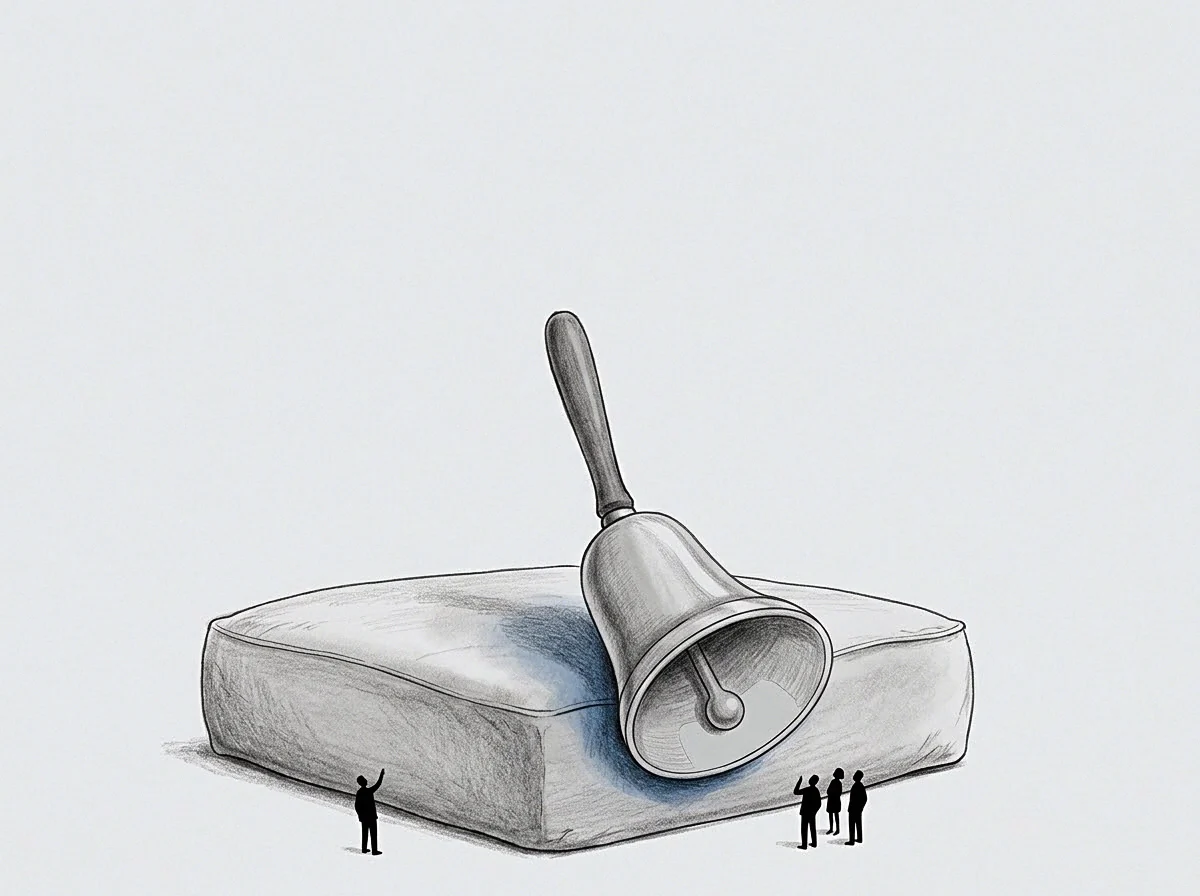
Operational friction in engineering organizations converts directly into metabolic expenditure through open cognitive loops. Unresolved architectural debates, pending headcount approvals, and open security tickets all tie up active working memory. Human cognitive architecture has a hard limit on how many ungated operational threads it can track at once without compromising decision quality.
When an executive holds twenty open projects in working memory without structured review gates, the nervous system handles every thread as an active demand requiring vigilance. That continuous anticipation triggers low-level sympathetic signaling and blocks autonomic recovery. The attention cost of an open thread does not depend on project scale: an unresolved interpersonal friction between engineering managers takes up the same cognitive slot as a major infrastructure migration if neither has a defined deadline, scope, and decision threshold.

Can continuous biomarker tracking isolate allostatic load before performance drops?
Biomarker monitoring exposes physiological strain long before objective executive output drops. Leadership capacity often appears unimpaired on external metrics because high cognitive reserve permits performance maintenance through sheer compensatory effort. This compensation carries a heavy metabolic price.
While code ships and architecture reviews conclude on schedule, inflammatory markers and resting heart rates reveal an unsustainable internal mobilization that precedes functional burnout by several months.
An unclosed technical incident consumes an active cognitive slot regardless of its operational urgency.
Context switching accelerates this biological depletion. Transitioning from a strategic board conversation to an emergency production outage within minutes demands rapid reallocation of neurochemical resources. Each transition requires prefrontal cortical inhibition of the preceding mental model and rapid activation of new schema.
The physiological cost of this rapid switching manifests as elevated salivary alpha-amylase and sudden drops in heart rate variability, signaling acute sympathoadrenal activation.
Operating an engineering organization with unlimited concurrent open loops exhausts executive regulatory reserve, accelerating structural failure across leadership teams.
Margin
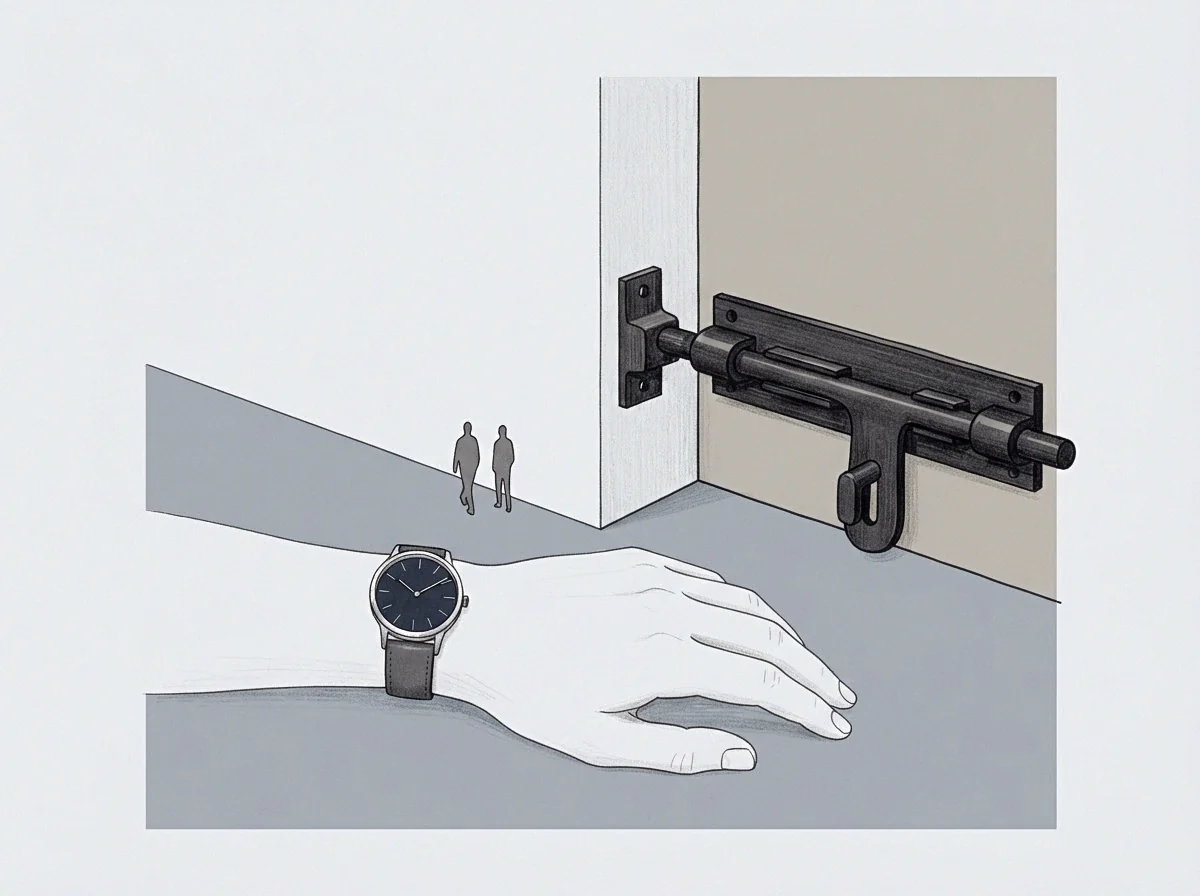
Distinguishing an operational system running near capacity from one entering neuroendocrine exhaustion dictates whether an intervention can succeed. When allostatic load approaches biological limits, the central nervous system downregulates non-essential cognitive and social activity as an active protective throttle to safeguard core functions. The executive becomes sharply selective, cutting non-critical meetings, shortening written updates, and focusing strictly on platform continuity.
This protective throttling is frequently misdiagnosed as executive disengagement or clinical depression. The physiological profiles, however, display clear distinctions. Throttling features elevated sympathetic tone and high cortisol expenditure as the body actively fights to manage incoming load.
Depressive regulatory failure presents with blunted cortisol reactivity, profound systemic exhaustion, and pervasive affective flatline where biological mobilization capacity has failed entirely.
| Biomarker Indicator | Throttled Executive State | Depressive Regulatory Failure |
|---|---|---|
| Diurnal Cortisol Profile | Flattened slope with high evening levels | Blunted overall output with minimal morning spike |
| Heart Rate Variability | Low RMSSD with elevated sympathetic drive | Persistently low variability with blunted reactivity |
| Inflammatory Cytokines | Moderate elevation in hs-CRP and IL-6 | High sustained inflammatory markers |
| Cognitive Focus | Narrowed exclusively to immediate platform survival | Generalized executive function disruption |
| Response to Operational Demand | Acute mobilization under emergency conditions | Inability to mobilize physiological response to emergency |
Throttled capacity maintains physiological regulation under excessive wear whereas depressive states involve systemic disengagement.
Applying traditional performance interventions to a throttled executive compounds the biological debt. Demanding increased presence, strategic long-term planning, or expanded social engagement forces the neuroendocrine system to draw on depleted anabolic reserves. Misinterpreting biological preservation as a lack of commitment pushes a throttled system directly into systemic collapse.
An uncommunicative executive sits in strategic reviews and acts only when production incidents threaten platform availability.

Plumb
Structural remediation of executive load requires explicit gating mechanisms that restrict open threads before regulatory capacity is exhausted. Managing load depends on throttling incoming operational traffic rather than trying to increase personal resilience. The core intervention converts open-ended commitments into bounded operational slots with defined boundaries.
Every incoming operational demand requires an explicit gate that fixes its scope, review date, and operating terms. If an initiative cannot be assigned those three boundaries immediately, it stays parked outside active executive attention. Parking an initiative removes its cognitive slot cost, preventing persistent background sympathovagal activation.
- Establish clear scope boundaries on every platform incident before assigning executive oversight.
- Assign explicit decision deadlines to prevent passive cognitive monitoring during off-hours.
- Set hard terms for emergency escalation channels to protect sleep windows.
- Audit active operational threads weekly to purge ungated strategic commitments.
Explicit scope definitions convert open cognitive drain into predictable operational cost.
Gating operational threads preserves parasympathetic tone and allows diurnal cortisol rhythms to re-establish normal oscillatory patterns. When executive leadership enforces hard concurrency limits on strategic initiatives, overall organizational velocity increases while individual biological expenditure drops. Systemic wear decreases as clear boundaries protect the biological substrate required for sustained technical evaluation.
An operational thread lacking a defined scope, hard date, and explicit terms consumes cognitive headroom until closed.