

Measuring Autonomic Nervous System Recovery Thresholds During Prolonged Founder Isolation
Solitary executive liability depresses vagal tone and elevates autonomic recovery thresholds by removing the metabolic offloading of social proximity.
Solitary executive liability depresses vagal tone and elevates autonomic recovery thresholds by removing the metabolic offloading of social proximity.
Autonomic stability relies on capping concurrent ambiguous operations to match biological capacity, preventing allostatic collapse via structural gating.
Chronic executive operational load suppresses the vagus nerve's cardiac brake, locking the heart into sympathetic overdrive and draining allostatic reserve.

Autonomic intake restoration reverses sympathetic blockade under chronic executive load, re-establishing parasympathetic tone and visceral nutrient processing.
Unresolved operational threads maintain central nervous system vigilance, suppressing the vagal brake and preventing nocturnal parasympathetic cardiac recovery.
Chronic operational pressure flattens diurnal cortisol slopes and lowers heart rate variability, signaling allostatic overload before functional capacity drops.
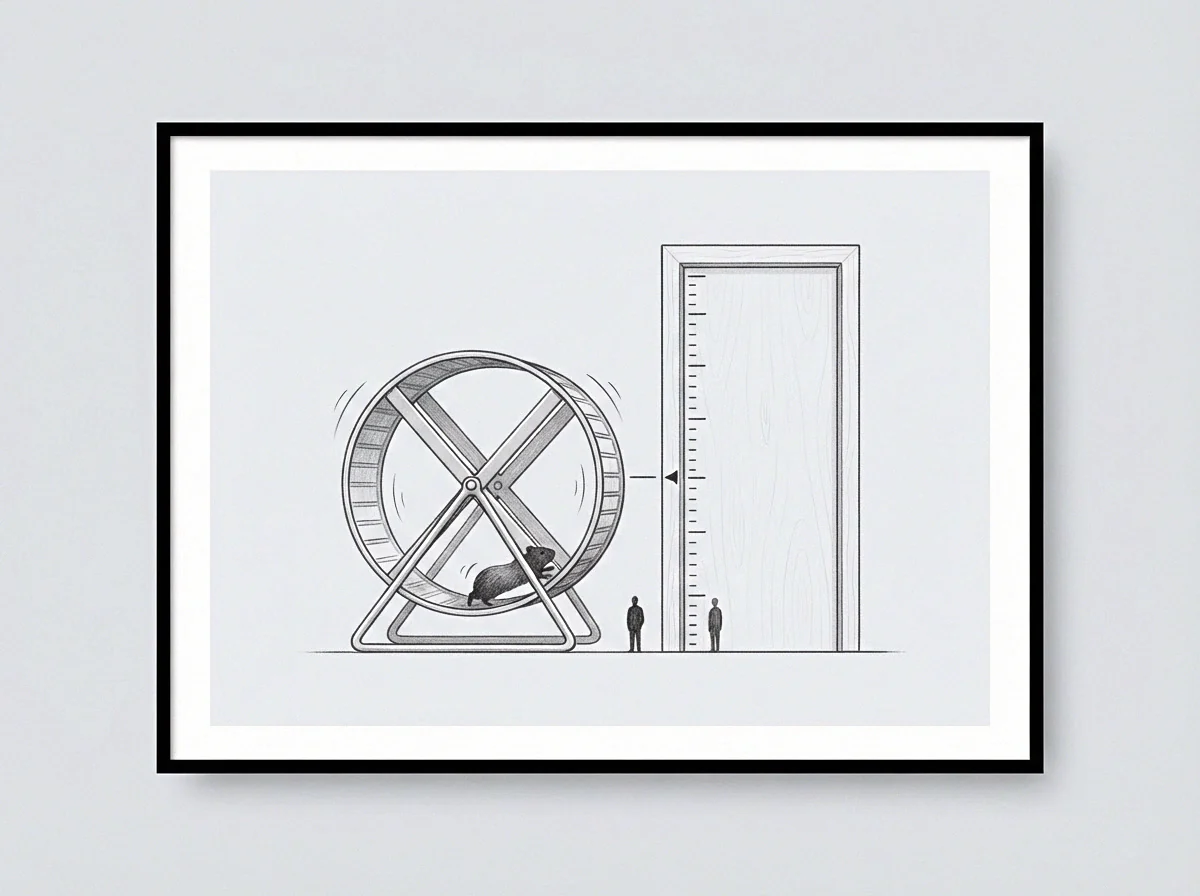
Autonomic recovery rates reflect nocturnal parasympathetic reactivation determined by the density and structural gating of open executive decision threads.
The terms are written where they belong. Each field holds three desks, and every entry a desk writes raises the terms it uses, each term given a meaning, a mechanism and the places it appears. The record on these pages stays first person and hand made; the fields grow the nomenclature.