
Metabolic Cost Of Unbuffered Leadership Regulation In Crisis
Unbuffered leaders absorb group panic at private metabolic cost, accelerating somatic depletion while subordinates borrow calm without sharing systemic wear.
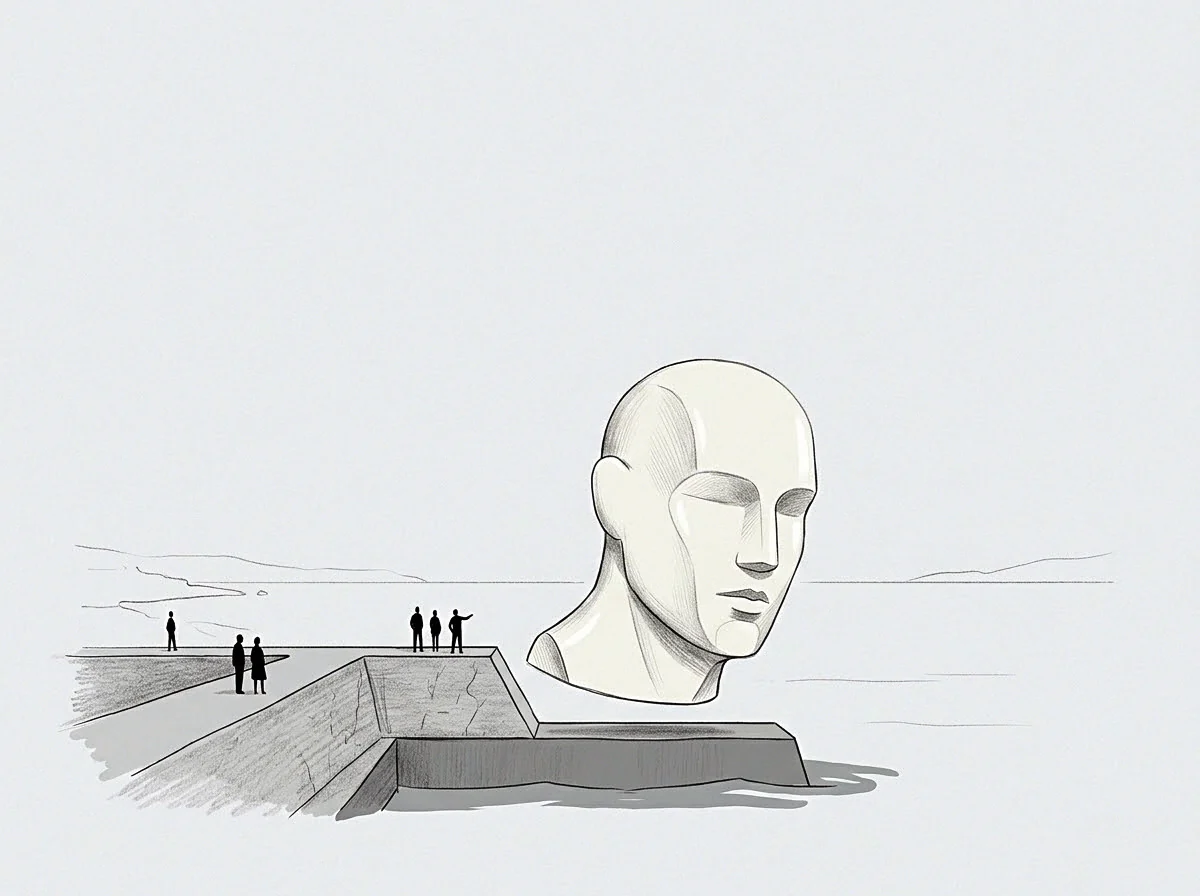
Room
Four windows show incoming queries on an unshaded display while the building cools down after midnight. At the terminal, the operator works through three consecutive escalations from division heads whose tolerance for operational ambiguity ran out two hours earlier. Each escalation drops an unformatted dilemma into the queue alongside an unstated expectation of instant calm.
Panic moves without friction across digital channels, landing as physical demand at the central desk.
When volatility spikes, working groups revert to an older biological arrangement: direct physical proximity to someone showing minimal autonomic distress cuts energy expenditure for everyone in range. Teams under acute strain look for an anchor whose cardiovascular and endocrine systems remain quiet under threat. The person in the senior post provides that stillness by deliberately suppressing outward signs of alarm.
The stabilization extracts a metabolic toll from the anchor, who burns through glucose reserves and accelerates systemic wear to keep the room steady.
Baseline physiological equilibrium in a group consumes the private energetic reserves of the individual who refuses to transmit alarm.
Staff members handle ambiguity at lower autonomic cost by passing threat appraisal upward. The executive absorbs rough inputs, holds back sympathetic nervous system arousal, and keeps an unruffled demeanor through operational failure. The surrounding team reads that composure as structural safety, lowering their cortisol output against the leader’s steady baseline.
The metabolic cost of that restraint stays with the person holding the line, unshared by the organization taking advantage of it.
A gap opens between visible calm and internal extraction. Observers hear measured speech and even breathing, but telemetry shows elevated sympathetic tone, persistent peripheral vasoconstriction, and a halt to restorative parasympathetic activity. The person functions as a shock absorber for operational friction, taking raw threat signals with no secondary buffer to distribute the load.
The rest of the organization treats this uninterrupted absorption as a fixed feature of the environment rather than an ongoing expenditure of energy.
Circuit
The Architecture of Unmitigated Threat Distribution
Human nervous systems budget energy on the assumption that social contact will help carry the regulatory load. When someone works without peers able to take in distress signals, that neural budgeting shifts into an expensive defensive posture. The anterior cingulate cortex and anterior insula register solitary threat appraisal as a high-cost event, requiring constant prefrontal inhibition over subcortical survival circuits.
Outward signs of panic are prevented, but at the price of cellular exhaustion.
The transfer of stability down the organizational chart follows a distinct linear path:
- Asymmetric threat absorption occurs when lower operational tiers push unresolved friction upward without retaining residual uncertainty.
- Unreciprocated somatic signaling leaves the primary regulator without a peer who can help discharge elevated sympathetic arousal.
- Continuous prefrontal suppression burns circulating glucose to preserve outward stillness while deeper brain structures signal clear danger.
- Delayed parasympathetic recovery keeps systemic vascular tension high for hours after the immediate operational emergency ends.
A steady state maintained without peer co-regulation forces the nervous system into unbuffered allostatic escalation.
Social baseline theory shows that dependable counterparts reduce the neural activity required for routine environmental scanning. An executive serving as an unbuffered regulatory terminal loses that economy entirely. The nervous system interprets isolation in the threat band as total vulnerability, prompting a steady drip of glucocorticoids and catecholamines.
Physiologically, the body reacts as if it were standing exposed in an open field, even while surrounded by dozens of dependent subordinates.
Lacking lateral buffers, the body registers the strain in its biological aging markers over extended crisis cycles. Prolonged activation of the hypothalamic-pituitary-adrenal axis fragments slow-wave sleep, disrupts cellular repair, and blunts immune response. The executive buys short-term organizational cohesion through somatic wear, spending personal longevity to extend operational runway.
The subordinate who successfully offloaded panic walks away experiencing genuine physical relief.
Debt
Quantifiable Divergence in Allostatic Accumulation
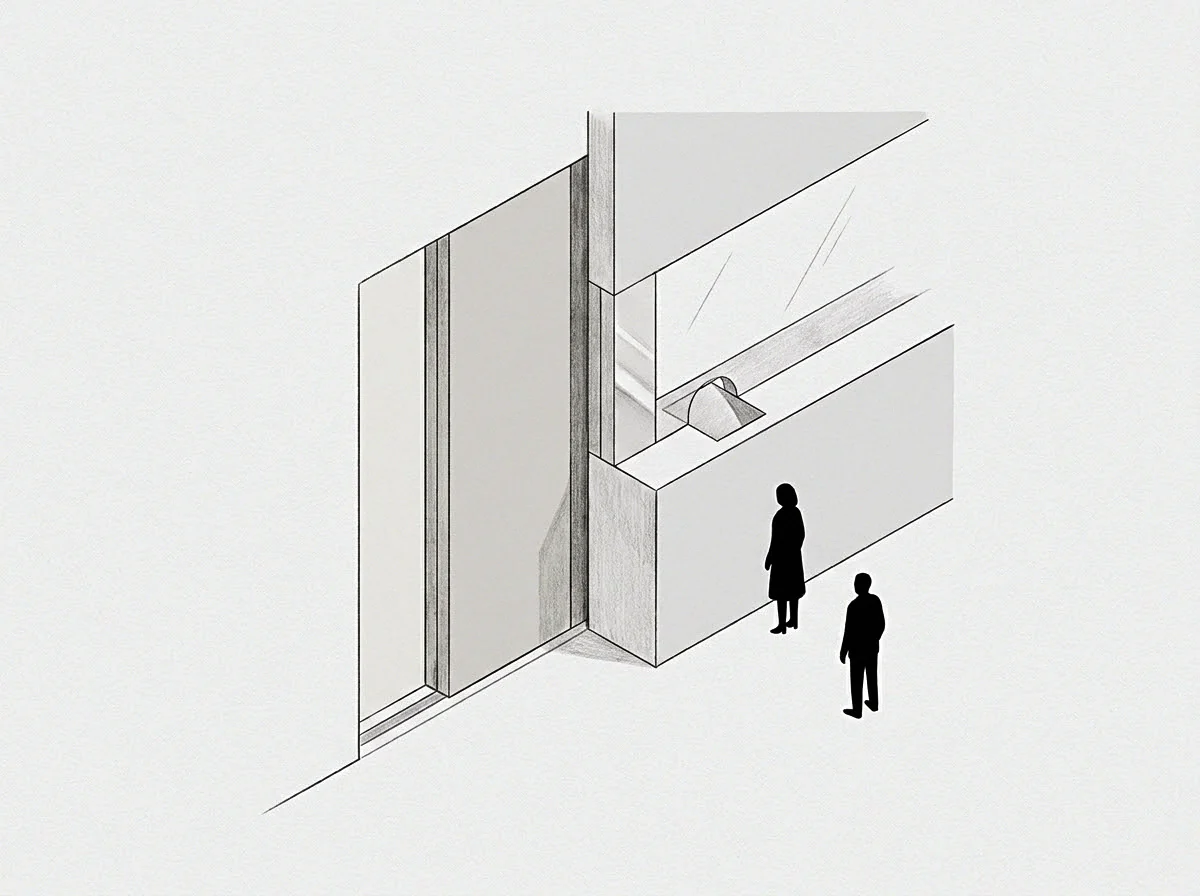
Repeated biological adaptation to systemic shock leaves behind a measurable physical toll. Funneling that regulatory burden through a solitary, unbuffered post drives up physiological wear far faster than a distributed network ever does. The enterprise logs operational survival; the central organism records vascular, metabolic, and neuroendocrine depletion.
| Operational Dimension | Unbuffered Single-Node Absorption | Buffered Distributed Regulation |
|---|---|---|
| Prefrontal Metabolic Cost | Sustained high-rate glucose utilization for active emotional suppression | Distributed baseline cognitive processing across lateral peer nodes |
| Sympathetic Tone Duration | Continuous non-oscillating elevation through extended operational cycles | Intermittent pulsed activation followed by peer-mediated vagal recovery |
| Threat Signal Processing | Centralized raw intake without preliminary emotional filtering | Parallel decentralized attenuation of operational ambiguity |
| Allostatic Load Accumulation | Rapid multi-system somatic depletion localized in the principal executive | Diffused systemic wear within biological thresholds of collective renewal |
| Downstream Transmission | Artificial zero-alarm signal masking underlying institutional risk | Calibrated contextual awareness shared proportionally across operational tiers |
Field observations in stress physiology confirm that continuous, unbuffered regulation shapes distinct endocrine profiles. Salivary cortisol curves flatten out, losing normal diurnal variation and feeding systemic insulin resistance. The strain emerges as systemic inflammation, microvascular stiffening, and persistent central nervous system fatigue.
The organization registers crisp, decisive execution, oblivious to the fact that the biological system generating that stability is consuming its own tissue to sustain it.
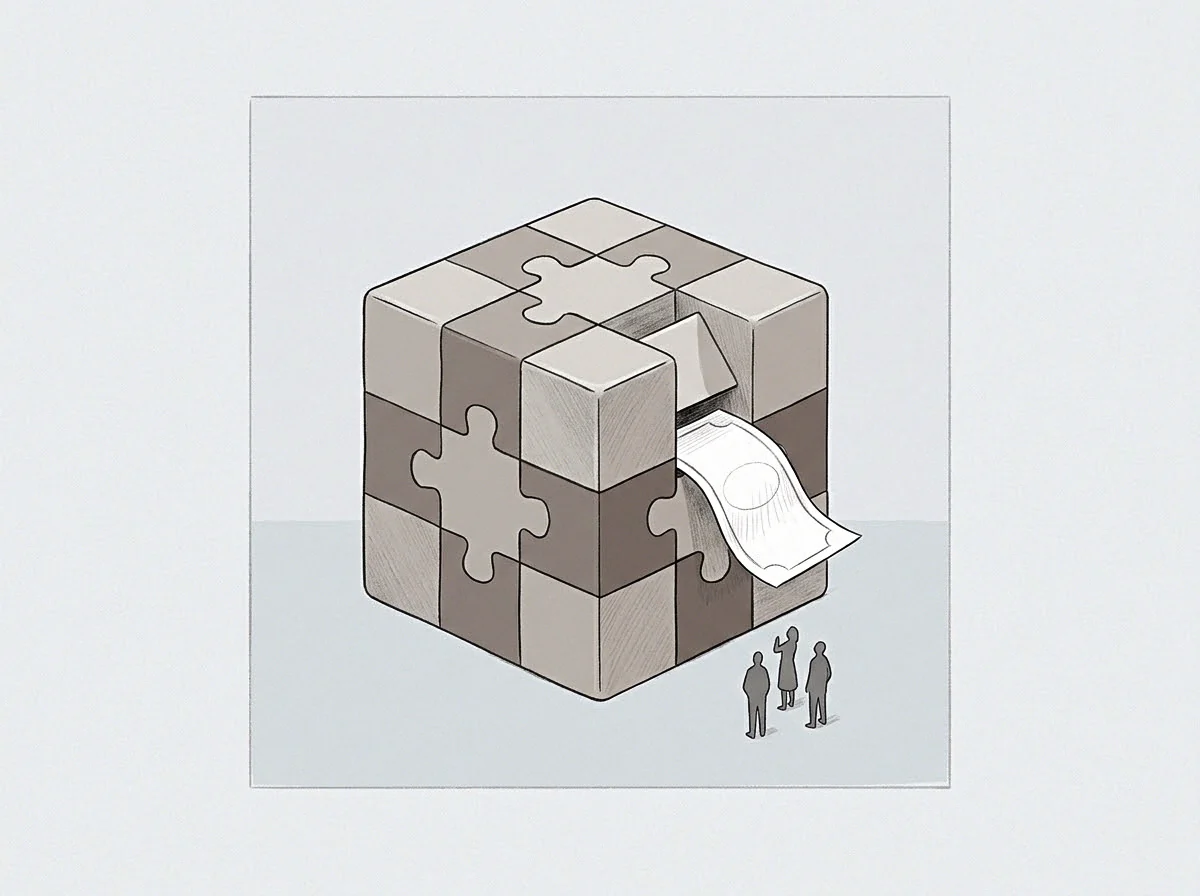
As a crisis drags on, the gap between institutional calm and biological degradation widens. An executive holding an operational perimeter across three consecutive quarters of volatility pays for it in cellular wear. The organization reads this endurance as boundless resilience, piling on operational complexity just as its primary anchor nears autonomic exhaustion.
When internal energetic reserves drop below a critical threshold, cognitive flexibility collapses without warning.
Bearing
The Fallacy of the Self-Sustaining Regulator
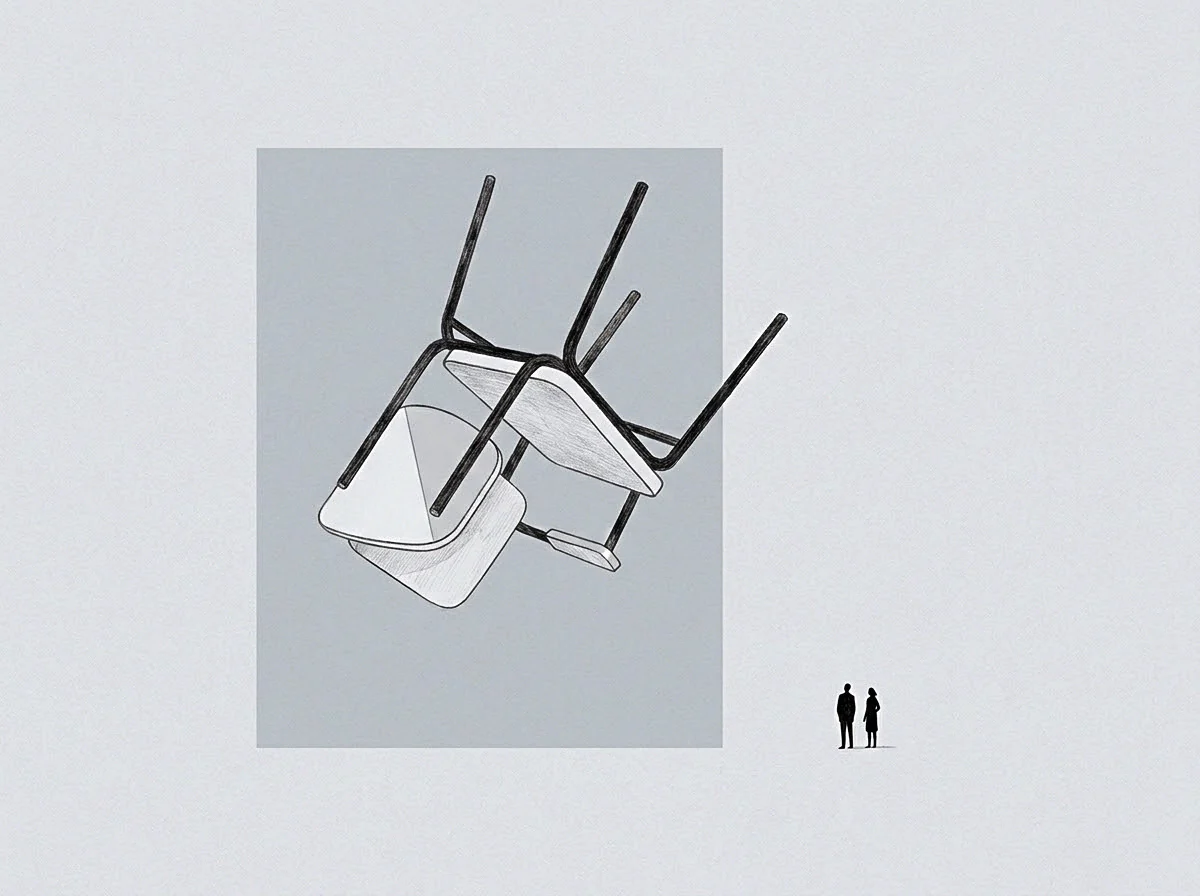
Executive culture still assumes that capable leaders conjure calm out of intellectual conviction. Affective neuroscience shows otherwise: human emotional regulation operates as an open loop, relying on reciprocal physiological cues to stay balanced over time. Deprived of symmetrical co-regulation, an individual burns down their reserves regardless of psychological training, dedication, or raw intellect.
Under sustained crisis, isolated leaders turn to predictable compensatory mechanisms to preserve the appearance of control:
- Emotional numbing flattens affective response across professional and personal boundaries, compromising empathy while keeping outward composure intact.
- Chemical substitution leans on stimulants to push daytime execution and sedatives to force autonomic rest after hours.
- Isolation escalation pulls the leader out of everyday contact to avoid taking on another round of unformatted panic from below.
Long-term regulatory stability requires actual biological proximity to an equal rather than cognitive resolve.
These compensations resemble mechanical control systems pushed beyond tolerance. A steam boiler run under continuous overpressure without relief valves will blow through secondary seals and warp its housing. An executive running an open-loop deficit shows cognitive stiffness, narrow perceptual tracking, and sudden executive bottlenecks, dropping secondary threads to preserve bare survival capacity.
The surrounding office routinely reads the initial stages of breakdown as bad prioritization or flagging commitment. Peers see abrupt replies, unreturned messages, or a sudden quiet during strategic discussions. The cause is rarely motivational; it is an energetic ceiling hit when cellular stores in the prefrontal cortex run out.
Absorbing repeated unbuffered shocks without physical recovery permanently resets baseline autonomic vigilance higher.

Fuel
Structural Redirection of Systemic Shock Waves
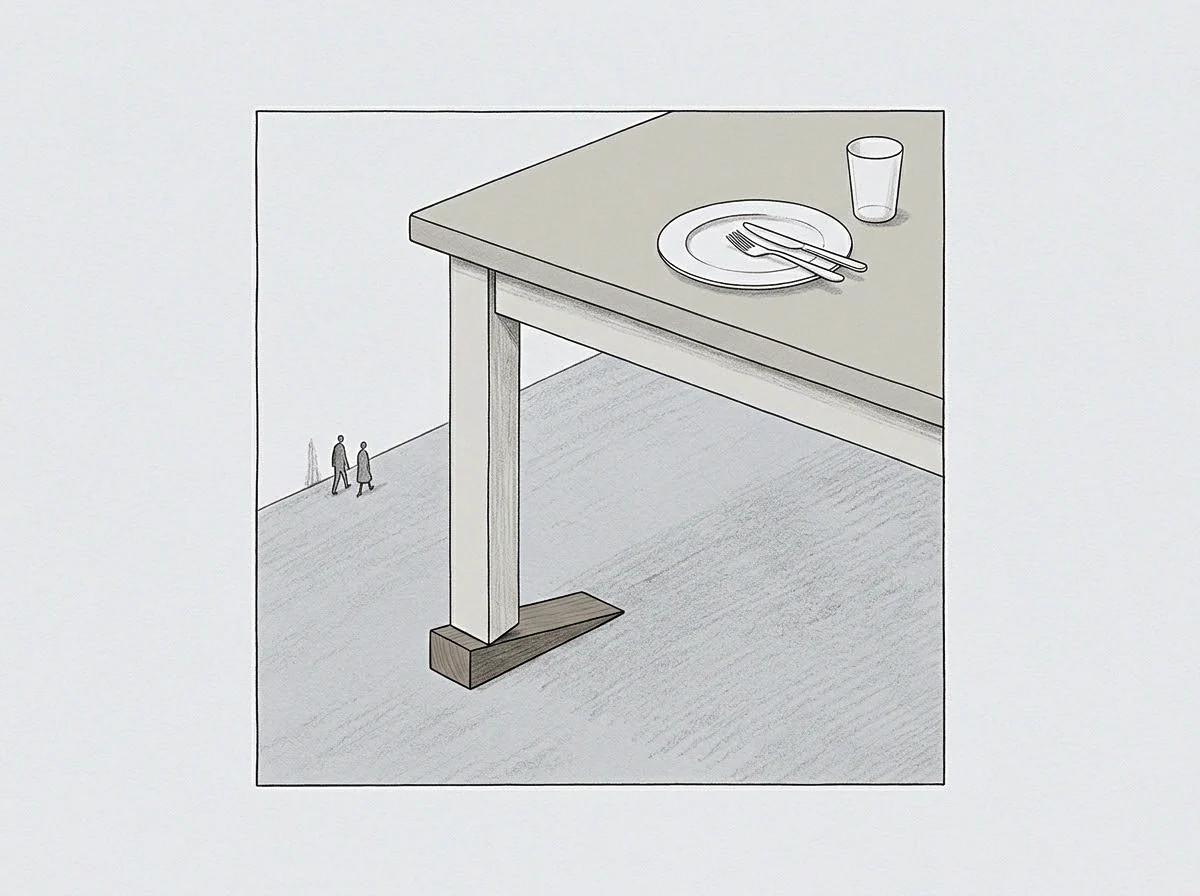
Halting regulatory burnout means restructuring how threat signals enter and navigate the organization. Protecting executive physiological capacity requires replacing one-way absorption with bounded pathways. Teams have to work through operational ambiguity inside smaller, distributed cells instead of channeling unrefined anxiety straight to the center.
Building that insulation calls for specific procedural guardrails:
- Structured escalation thresholds require problems to arrive with proposed remediations attached, rather than as unshaped emergencies.
- Asynchronous triage windows prevent uninterrupted sympathetic activation by grouping disruptions into discrete analytical blocks.
- Lateral peer consultation establishes external, non-hierarchical avenues where stress can be discharged without showing organizational weakness.
- Explicit operational limits define the specific conditions under which senior leadership steps into direct crisis intervention.
A stated operating limit functions as a structural circuit breaker between organizational panic and executive physiology.
Structural shock absorbers transform the entire operating posture from unbuffered extraction to distributed capacity. When lower teams must resolve local ambiguity, they develop genuine regulatory competence, reducing reliance on a single nervous system. The executive stops serving as a bodily shock absorber and returns to strategic coordination, saving glucose and attention for high-order governance.
The shift inevitably brings hidden dependencies into view. Operational units feel the friction of their own choices, often for the first time, encountering the ordinary strain of self-regulation. That discomfort is the real price of autonomy: it puts metabolic demand back where the work actually happens.
Whether an organization can sustain this redistribution depends on its tolerance for letting local units carry the metabolic weight of their own uncertainty.