
Calculating Allostatic Load Recovery Timelines After Structural Isolation of Unstated Relational Contracts
Allostatic recovery after severing unstated contracts follows metabolic clearance rates, requiring ninety to one hundred eighty days for endocrine baselines.
Shock
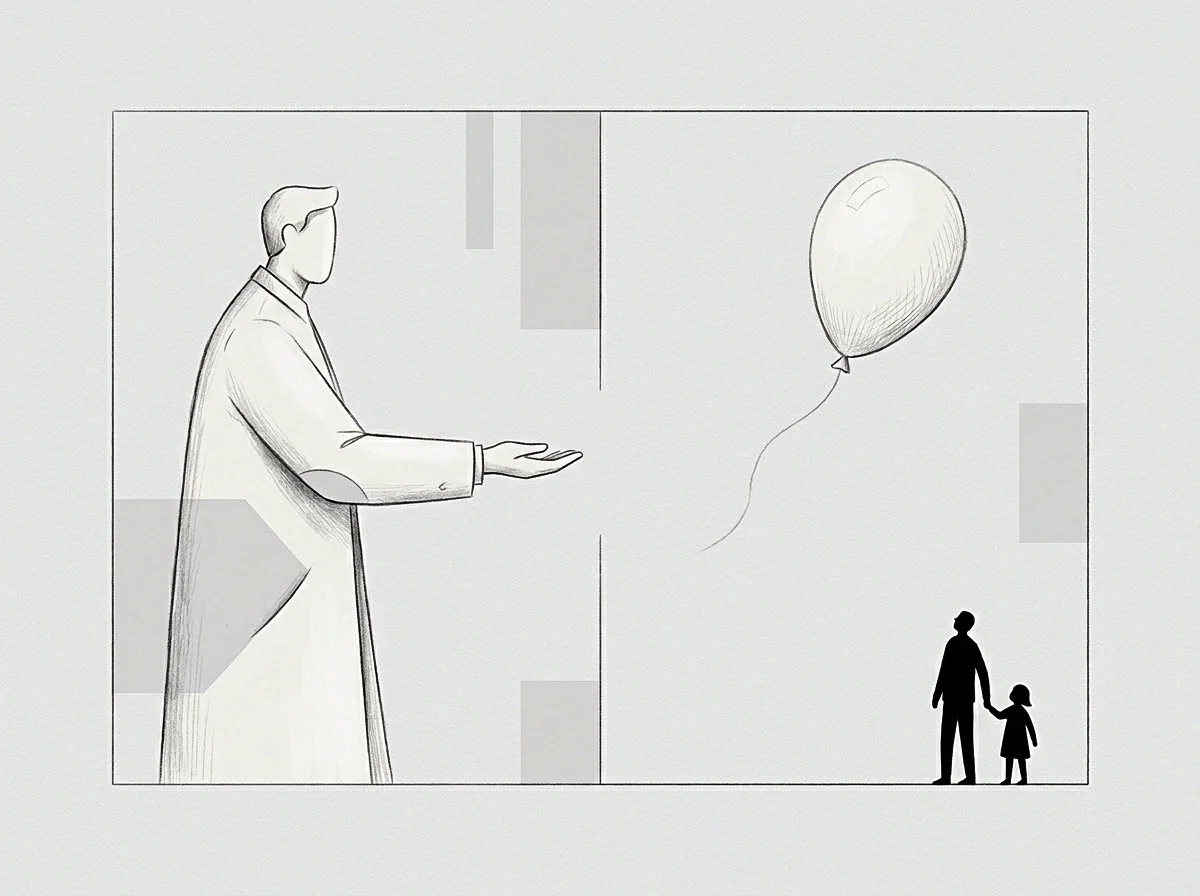
Four unanswered messages sat on the lit glass of the terminal at midnight, each demanding an implicit reassurance that the operating split remained intact. The founder closed the lid, packed the machine, and changed the building keycards to terminate access for a collaborator who had operated for eighteen months without an equity grant, a written title, or a defined scope. The silence arrived instantly in the room.
The body keeps regulating.
Termination of an explicit commercial instrument ceases legal exposure immediately. The termination of a tacit relational pact operates differently across human physiology. Unstated relational contracts rely on ongoing, micro-level appraisals of reciprocity, status, and emotional safety.
Maintaining those appraisals consumes constant metabolic fuel through prolonged autonomic vigilance. When an operator isolates the counterparty structurally, removing direct communication channels and daily exposure, the brain registers the cessation of external pings while the endocrine machinery continues running its defensive routines. Blood pressure remains elevated at three in the afternoon.
The stomach stays tight through the weekend. Cortisol outputs do not drop because a lease was canceled or an email address was removed from a group thread.
Prolonged co-regulation under ambiguous operational terms keeps the adrenal axis activated until communicative contact drops below the detection threshold.
The system experiences a phantom load. For months or years, the individual served as an informal stabilizer for another person, absorbing unstated anxieties, compensating for unperformed duties, and modulating reactions to maintain operational equilibrium. This form of borrowed regulation extracts a continuous biological toll.
When structural isolation is enacted, the immediate removal of the relational stimulus unmasks deep neurochemical depletion. The nervous system encounters the sudden absence of the inputs it had spent months bracing against, producing an acute destabilization that mimics the onset of clinical impairment.

The Severed Signal
Sudden cessation of relational contact cuts off the continuous loop of social cueing. The autonomic nervous system interprets abrupt social severance as an evolutionary hazard, elevating circulating catecholamines even when the conscious mind welcomes the separation. Epinephrine and norepinephrine persist in peripheral tissue long after the final confrontation ends.
The operator feels exhausted yet remains unable to initiate deep restorative sleep. The biological clock runs slower.
Unspoken arrangements carry high ambiguity. Ambiguity demands continuous cognitive modeling, as the brain runs prospective simulations to predict counterparty reactions, manage prospective betrayals, and preempt unvoiced grievances. This anticipatory computation maintains high allostatic wear.
Isolating the relationship halts incoming data, yet the internal predictive model keeps spinning without new inputs to confirm or disconfirm its forecasts. The cognitive machinery burns glycogen attempting to resolve an equation whose variables have been forcibly removed.
When an operating team misdiagnoses this acute state as standard work fatigue, they prescribe brief holidays or passive isolation, leaving the deeper neuroendocrine imbalance unaddressed while the adrenal cortex continues to pump glucocorticoids into an already depleted vascular system.
Desk
Morning light hits the clean pine surface, showing only a notebook, a mechanical pencil, and an external screen disconnected from company communication channels. The physical workplace becomes the immediate boundary where unstated operational claims either intrude or stop. An unstated relational contract operates primarily through informal access.
The collaborator walks past the workstation, drops an unlogged crisis onto the corner of the blotter, and extracts twenty minutes of emergency triage without creating a ticket, a document, or a commercial record. The third slot cleared.
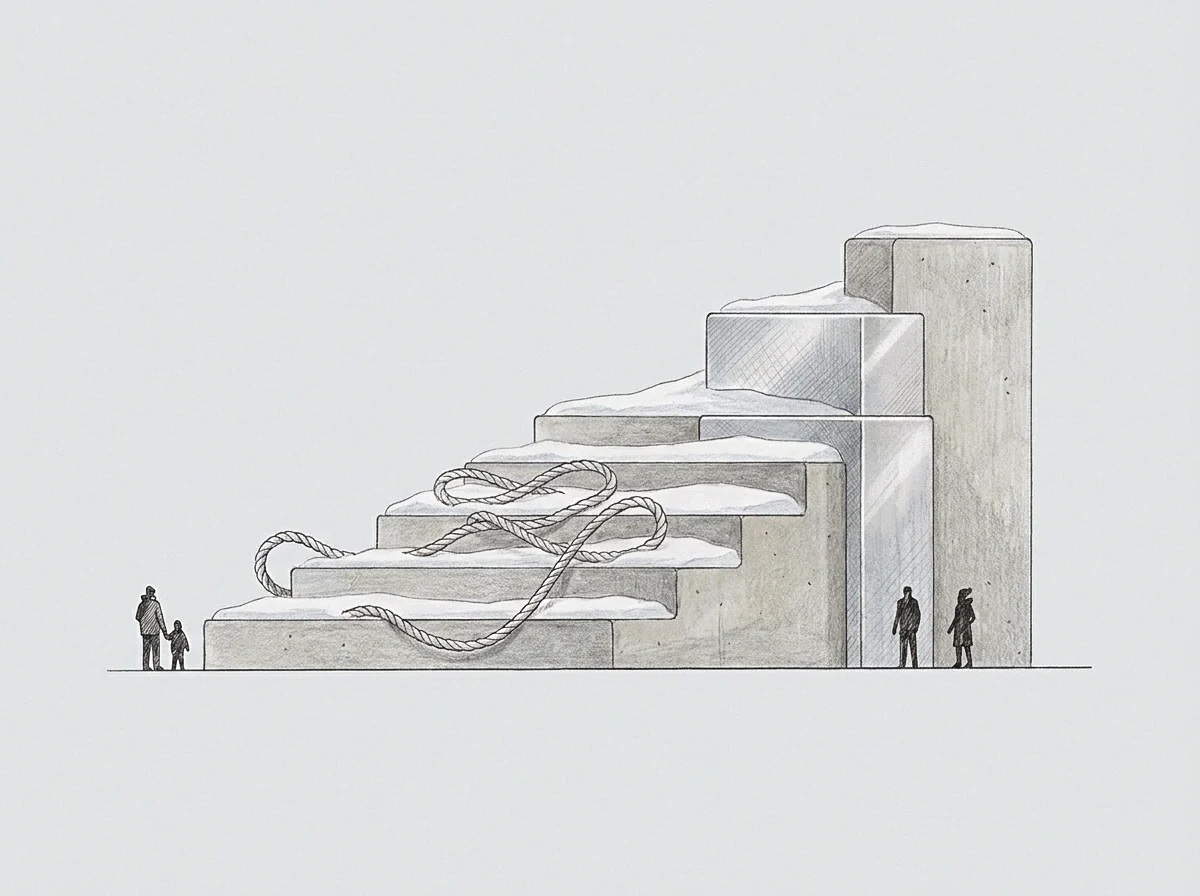
Structural isolation demands concrete containment. Moving to a different floor, altering calendar permissions, and refusing unscheduled verbal interruptions establishes the initial parameter. This physical severance stops the accumulation of fresh regulatory debt, though it immediately provokes resistance from counterparties accustomed to free regulatory buffering.
- Relational subsidization occurs when an operator quietly absorbs organizational friction to shield an ambiguous partner from the natural outcomes of poor performance.
- Informal tethering describes the expectation of perpetual digital presence across unscheduled hours without corresponding commercial attribution or legal compensation.
- Executive spillover consumes working memory through unassigned emotional mediation, reducing the cognitive bandwidth available for core engineering and product delivery.
- Metabolic debt accumulation registers as elevated resting heart rate and disrupted slow-wave sleep cycles across months of continuous interpersonal accommodation.
The unstated arrangement survives entirely on informal compliance. Once physical presence is denied and informal channels are sealed, the relational contract collapses under its own structural weight. The person holding the seat suddenly reclaims operational hours, yet encounters an unexpected inability to direct that reclaimed energy into complex tasks.
The founder sits in an empty office waiting for physical relief while blood pressure stays fixed at midday levels.

Physical Removal From Unstated Obligations
Clearing the workspace reveals the scale of background cognitive processing previously consumed by the counterparty. The human brain manages interpersonal contracts through specialized circuitry dedicated to tracking reciprocal obligations. When those obligations remain unwritten, the brain cannot store them in external repositories like legal contracts or task boards; it carries them in active working memory.
Structural isolation cuts off the counterparty, leaving those memory allocations stranded in an unresolved state.
Each unspoken expectation represents an open operational loop. Closing an explicit contract generates closure through signatures, monetary settlement, or formal legal release. An unspoken agreement offers no such punctuation.
The operator eliminates the physical exposure, but the internal regulatory system remains assigned to an invisible post.

The Structural Separation of Daily Work
Reorganizing daily workflows prevents casual re-engagement. If the counterparty retains access to shared digital documents or indirect status reports, the brain maintains low-level vigilance, anticipating renewal of the unstated demands. Full isolation necessitates clean digital partitions.
Revoking shared repository access and establishing rigid communication filters ends the incoming observational stream. The second slot closed.
The collaborator asserts that nothing was ever written down, that expectations were merely collaborative goodwill, and that closing the shared workspace constitutes an unprovoked personal abandonment of a mutual dream.
Rate
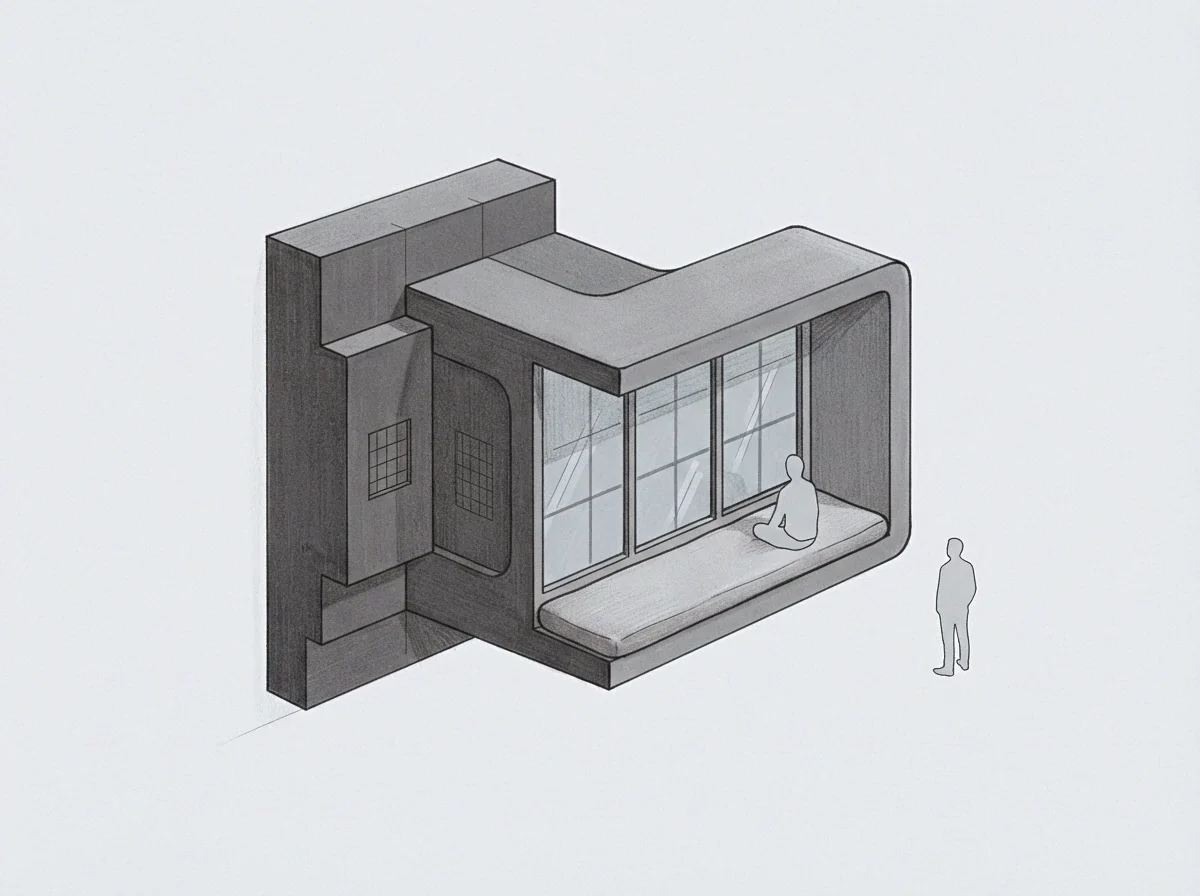
Metabolic deceleration governs the speed at which physiological systems return to baseline parameters after interpersonal extraction. The human body does not clear chronic regulatory wear through sudden epiphany or structural redesign alone. Clearing biological debt is an enzymatic, cellular, and hormonal sequence with rigid temporal constraints.
Adrenal hypertrophy, down-regulated glucocorticoid receptors, and elevated systemic inflammation require measurable duration to recalibrate once chronic interpersonal stress ceases. The biological timeline cannot be negotiated.
Recovery timelines follow a predictable deceleration curve. Initial symptomatic relief manifests within fourteen days of verified physical isolation as catecholamine surges taper off. This drop in emergency signaling often induces a period of profound physical lethargy, frequently misread as depressive pathology.
It is the physiological bill coming due. The system powers down peripheral processors to conserve resources for visceral repair. Executive capacity drops.
Motivation flattens. The sympathetic tone persists.
Biological stabilization takes longer than the social arrangement took to dissolve.

Neuroendocrine Clearing Speeds Under Zero Intake
Glucocorticoid receptor sensitivity serves as a primary marker of allostatic stabilization. In individuals subjected to prolonged unstated relational obligations, prolonged cortisol exposure down-regulates receptor density in hippocampal and prefrontal tissue. Restoring normal receptor density demands sixty to ninety days of low-stress maintenance following complete structural isolation.
During this window, any premature resumption of ambiguous communication resets the clearance cycle, throwing the adrenal axis back into acute hyper-responsiveness.
- Vascular decompression begins within forty-eight hours as sympathetic vasoconstriction softens, lowering resting diastolic blood pressure toward normative levels.
- Immune re-equilibration surfaces between thirty and forty-five days, marked by a reduction in circulating pro-inflammatory cytokines such as interleukin-six and C-reactive protein.
- Circadian amplitude recovery requires seventy-five to ninety days of unfragmented nights before the natural morning cortisol peak and evening trough re-establish functional separation.
- Neural network restoration concludes around one hundred eighty days, allowing default mode network connectivity and executive control circuits to operate without defensive interference.
Sleep architecture presents the final frontier of somatic restoration. Slow-wave sleep and rapid eye movement phases, severely curtailed during periods of chronic relational vigilance, take three to four months of isolated conditions to regain baseline duration. The unwritten pact collapses.

When Do Biomarkers Reach Baseline?
Returning to pre-exposure homeostatic values requires an environment free from ambiguous relational inputs. If an operator establishes structural isolation but continues monitoring the counterparty through third parties or shared mutual connections, the endocrine recovery clock stalls. The hypothalamic-pituitary-adrenal axis fails to distinguish between direct communication and second-hand intelligence gathering.
Basal salivary cortisol tests taken four months after physical separation often reveal persistent flattening of the diurnal curve when informal informational channels remain active.
Full biological stabilization occurs when peripheral tissues clear the accumulated inflammatory markers generated by sustained relational vigilance. Cellular turnover in lymphatic tissues and the vascular endothelium must run its natural course under conditions of low neuroendocrine threat. The tissue clearance takes time.
Regulatory reserves rebuild slowly when the environment remains calm, but a single encounter with the unstated relational partner consumes more capacity than several weeks of rest can restore.
Scale
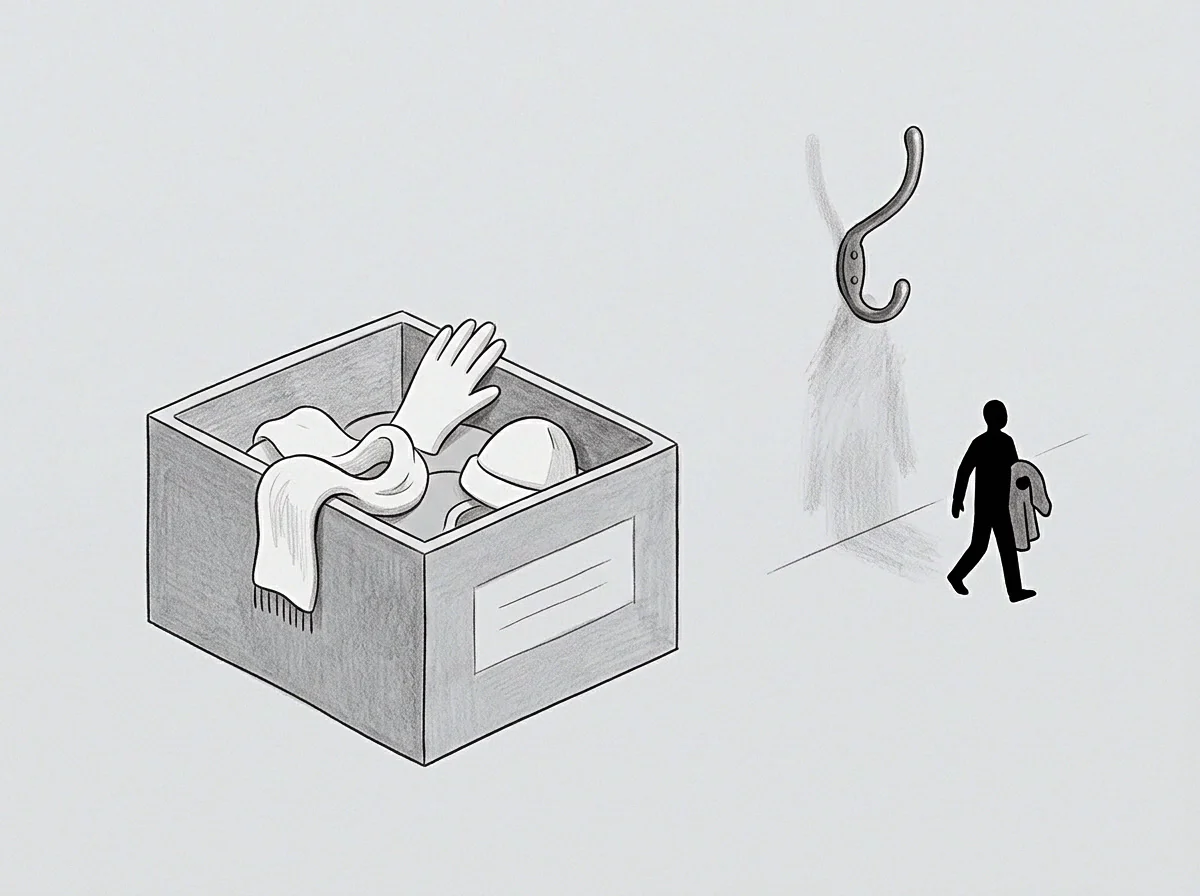
Quantitative modeling of recovery trajectories reveals sharp divergences based on the degree of isolation maintained. Total structural severance produces a steep, predictable drop in allostatic metrics over a six-month duration. Partial severance, characterized by sporadic contact, shared mutual intermediaries, or lingering passive digital observation, creates an extended plateau of high-stress physiology.
The fourth slot emptied.
Calculating the timeline requires assessing three distinct physiological axes: autonomic tone, endocrine rhythms, and systemic inflammatory activity. Each system clears at a different speed, with inflammation lagging behind hormonal stabilization. The table below outlines these recovery phases under conditions of total isolation compared to partial containment.
| Recovery Phase | Biomarker Indicator | Total Structural Isolation | Partial Relational Isolation | Primary Limiting Constraint |
|---|---|---|---|---|
| Phase 1: Days 1 to 14 | Salivary Alpha-Amylase | Rapid normalization to baseline within 10 days | Sustained elevation with intermittent reactive spikes | Sympathetic nervous system hyper-reactivity |
| Phase 2: Days 15 to 45 | Morning Cortisol Awakening Response | Steepening diurnal slope; emergence of morning peak | Blunted morning response; elevated midnight trough | Adrenal cortex sensitivity and receptor density |
| Phase 3: Days 46 to 90 | Serum C-Reactive Protein | Linear decline toward sub-clinical reference ranges | Fluctuating levels driven by episodic social vigilance | Hepatic acute-phase reactant synthesis rates |
| Phase 4: Days 91 to 180 | Heart Rate Variability (rMSSD) | Restoration of high vagal tone and parasympathetic power | Suppressed variability reflecting continuous low-grade strain | Central autonomic network remodeling capacity |
The comparative data emphasizes why half-measures in relational containment fail to yield somatic relief. An operator who maintains polite email threads with an unwritten partner while physically working elsewhere remains biologically tethered. The nervous system registers the possibility of renewed extraction, keeping vascular and metabolic defenses on standby.
A written parameter defining operational detachment arrests incoming relational pings and permits secondary tissue clearance to begin.

Comparative Windows for Endocrine Normalization
Adrenal clearance represents only half the battle. Downstream tissues, including skeletal muscle and the intestinal barrier, bear the structural scars of chronic hypercortisolemia. Restoring gut mucosal integrity after months of stress-induced permeability demands prolonged absence of circulating systemic cytokines.
Complete physical and informational isolation establishes the metabolic environment necessary for mucosal repair, which generally resolves between days sixty and ninety.
Cognitive testing during these phases reveals distinct recovery markers. Working memory capacity and spatial reasoning, suppressed during active co-regulatory strain, show measurable recovery by day seventy-five under absolute containment. If communication remains open, executive working memory remains throttled, as subconscious monitoring continues to commandeer neural resources.
The baseline remains elevated.
The written protocol of absolute operational detachment dictates that all proxy communications, joint platform logins, and third-party status inquiries cease permanently, thereby terminating the background computational drain that stalls endocrine recalibration.
Lag
Silence is not rest. The cessation of incoming relational friction leaves an empty operational space that feels disquieting to a system calibrated for high threat. Operators frequently misinterpret this disquiet as an internal defect or an urge to re-engage the severed counterparty.
The lag between external separation and internal nervous system quiet is an inevitable physiological phase. The basal tone recalibrates.
Reactivity takes months to drop. A sudden calendar invite, a notification displaying a name reminiscent of the collaborator, or an unexpected visit to a former meeting spot triggers an immediate sympathetic surge. This reflex does not mean the isolation failed.
It indicates that the amygdala has not yet completed the extinction learning necessary to decouple the counterparty’s memory from physiological danger signals. Extinction learning requires repeated, unpunished exposures to neutral environments over extended timeframes.

Residual Autonomic Hyperarousal in Vacated Roles
When an unstated contract ends, the person who absorbed the load must unlearn the habit of pre-emptive regulation. Founders who spend years predicting the volatile moods of an unwritten partner often find themselves running the same predictive algorithms on new team members, investors, and vendors. This behavioral spillover maintains unnecessary allostatic wear.
The neural pathways carved by prolonged vigilance do not dissolve simply because the offending actor is gone.
Re-allocating cognitive slots requires active restraint. The urge to fill newly cleared operational capacity with fresh crises is high, as the nervous system feels unnerved by low arousal states. Throttled systems often mistake high allostatic demand for purpose.
Recognizing the difference between functional engagement and trauma-conditioned hyper-vigilance protects the newly won biological headroom.
Complete stabilization leaves the operator holding clear structural limits and a functional capacity to state terms plainly before commitments begin. The cost of failing to manage this recovery timeline is chronic systemic wear, permanent down-regulation of vitality, and the repeated reenactment of ambiguous arrangements with new counterparties who sense the operator’s willingness to absorb unvoiced demands.
Whether neuroendocrine profiles ever fully return to their pre-arrangement baselines or permanently retain epigenetic adaptations that alter stress thresholds for the remainder of a commercial career remains an open question across human physiology.