
The Biological Limits of Sustaining Relational Equilibrium When Operating Without Reciprocal Executive Support
Unilateral relational regulation exhausts prefrontal metabolic reserves, inducing allostatic overload when executive support lacks bioenergetic reciprocity.
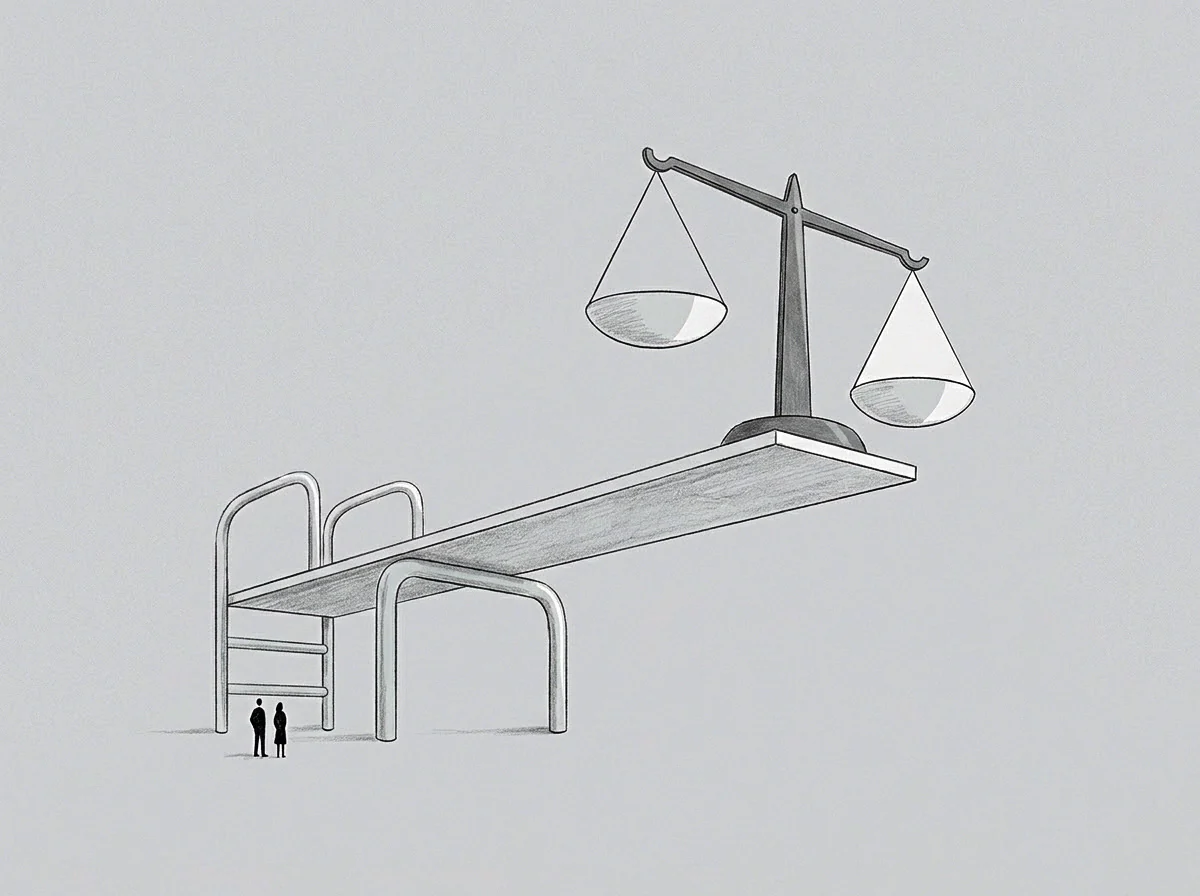
Furnace
Four communication threads sit open at eleven at night while the founder reviews payroll projections for the coming quarter. An operator asks whether a delayed deliverable alters the product timeline, a client requests reassurance regarding an SLA breach, a seed investor texts asking for an informal update on cash burn, and a domestic partner sends a reminder about an unaddressed household repair. Each message requires a measured, non-reactive tone that absorbs the counterparty’s ambient anxiety.
The body accomplishes this stabilization through an immediate neuroendocrine output: heart rate variability drops, peripheral vasculature constricts, and the anterior cingulate cortex expends glucose to suppress spontaneous irritation. The founder writes four steady, reassuring responses across forty minutes.
Every recipient experiences an immediate reduction in physiological tension upon reading those replies. The counterparty offloads distress onto the steady party. Social baseline theory establishes that the human nervous system is metabolically adapted to distribute cognitive and emotional labor across a reliable social proximity.
When an individual operates within a bonded dyad or a functional executive coalition, the brain treats the social counterpart as an outsourced bioenergetic reserve. Neural threat responses in the amygdala and anterior insula diminish automatically in the presence of a dependable peer. In the absence of a reciprocal executive counterpart who actively regulates back, the founder becomes an unhedged biological resource.
The entire bioenergetic expenditure of maintaining relational steady states falls squarely on one metabolic budget.
A human nervous system operating without reciprocal executive buffering treats all relational maintenance as pure metabolic overhead.
The asymmetric distribution of self-regulatory effort generates a specific physiological state termed allostatic load. The brain adjusts its internal baseline to match sustained high-demand operational conditions. Sustaining equilibrium under these terms is limited by biological capacity: neural glucose uptake, monoamine neurotransmitter depletion, and hypothalamic-pituitary-adrenal axis saturation set hard ceilings on how long an individual maintains behavioral poise while absorbing the operational panic of surrounding teams.
Executive functions in the prefrontal cortex deteriorate as systemic inflammation and chronic cortisol exposure degrade synaptic plasticity.
The founder paid for the calmness of four people out of private biological reserves.
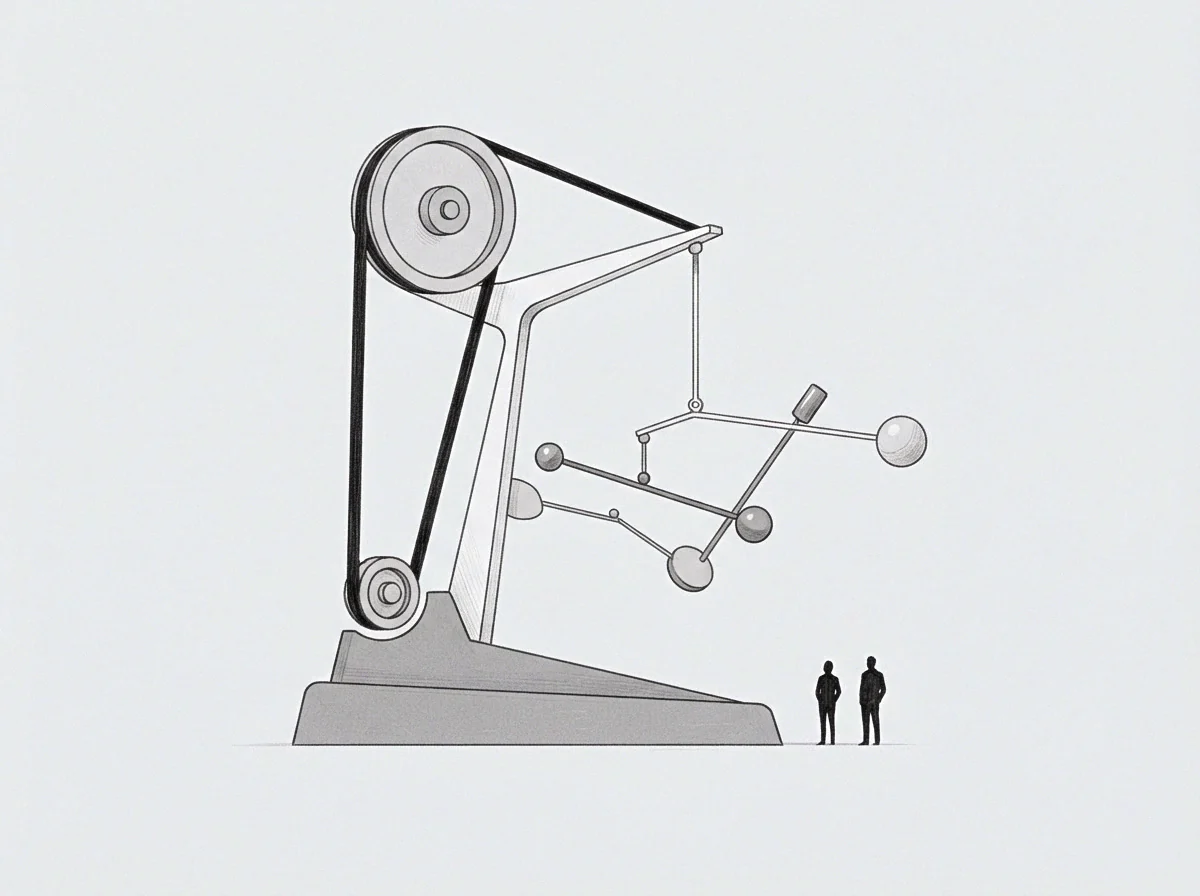
Ledger
Relational stability in high-stakes environments functions as a strict metabolic calculation. When two executives possess symmetrical capacity for distress tolerance and mutual presence, they achieve co-regulation. In this state, an individual’s rising autonomic arousal is dampened by the vocal tone, facial composure, and behavioral stability of the other.
The energetic expenditure per person remains low because each nervous system acts as a biological shock absorber for the other. When one executive lacks emotional regulation or cognitive stamina, the operational field destabilizes. The steadier actor increases private regulatory effort to compensate for the counterparty’s deficit, seeking to preserve strategic composure across the enterprise.

Comparative Dynamics of Dyadic Regulation
The divergence between reciprocal buffering and unilateral absorption reveals distinct biological costs across operating timelines.
| Operational Dimension | Reciprocal Executive Configuration | Unilateral Executive Absorption |
|---|---|---|
| Primary Neural Mechanism | Shared frontolimbic down-regulation via proximity and mutual predictability | Unilateral prefrontal suppression of sympathetic threat reactivity |
| Bioenergetic Expenditure | Shared metabolic cost; baseline autonomic tone restored rapidly | Compounded metabolic cost borne entirely by the regulating actor |
| Counterparty Psychological State | Autonomous distress tolerance with grounded relational security | Secondary dependency; behavioral escalation upon delayed response |
| Threat Appraisal Threshold | Elevated; systemic crises are processed through shared executive bandwidth | Depressed; mundane operational frictions trigger acute autonomic alerts |
| Long-Horizon Systemic Yield | Sustainable cognitive stamina and operational coherence | Systemic burnout, emotional detachment, and sudden executive fracture |
Consider a scenario where an enterprise experiences an unexpected 30 percent revenue decline over two quarters. Assume the founder holds majority operational responsibility while the co-founder manages product execution. In a balanced arrangement, both individuals process the crisis through direct analysis, distributing the burden of investor communications, organizational restructuring, and client retention.
In an unbalanced arrangement, the co-founder experiences acute paralysis, demanding continuous emotional reassurance from the founder before executing standard operational pivots. The founder analyzes market conditions while simultaneously regulating the co-founder’s panic. This unilateral holding preserves corporate stability in the short term, but it accelerates the depletion of the founder’s executive headroom.
If this dynamic remains unaddressed, the unilateral regulator eventually undergoes autonomic exhaustion, terminating the operational partnership abruptly when private reserves hit absolute zero.
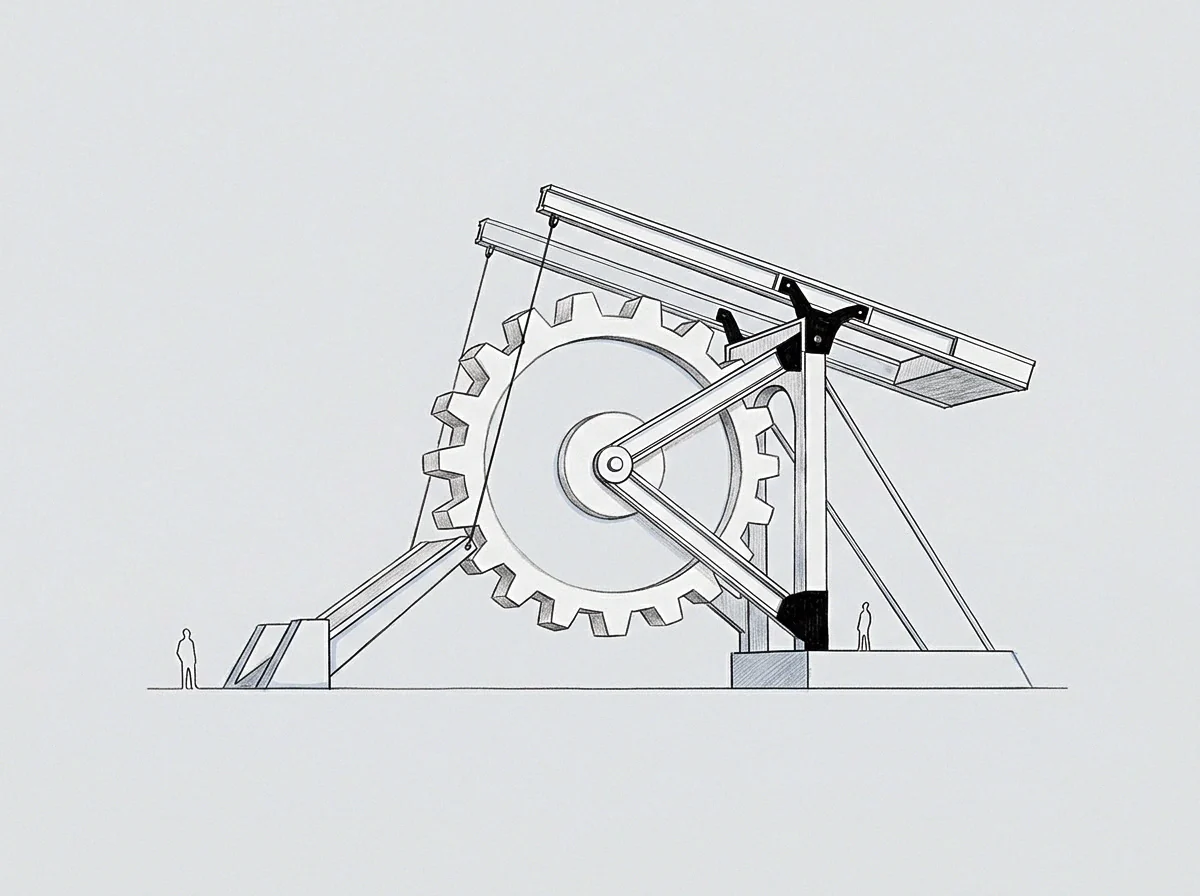
Mold
A persistent vulnerability among leaders who absorb disproportionate systemic stress is the internalized regulator template. Early developmental environments or formative career crises frequently condition an individual to link self-worth and safety with emotional invulnerability. When an individual repeatedly manages the dysregulation of authority figures or peers during formative stages, the developing nervous system constructs an internal working model wherein the self is cast exclusively as the stabilizing anchor.
The complementary capacity to receive regulation from an external source fails to consolidate. The individual enters professional leadership with a fully developed apparatus for holding others, yet lacks the psychological receptor site required to accept incoming support.

Does Unilateral Competence Invite Compounded Operational Load?
The external operational ecosystem quickly detects and exploits this asymmetrical capacity. Team members, investors, and direct reports instinctively gravitate toward the leader who demonstrates consistent composure under structural duress. Because this leader absorbs operational shocks without visible distress, external actors assume the leader possesses inexhaustible emotional capacity.
The apparent steadiness becomes an invitation for surrounding personnel to offload secondary administrative anxieties and unresolved strategic dilemmas.
- Structural Invisibility occurs when an executive dampens organizational friction so smoothly that counterparties perceive the operating environment as naturally frictionless rather than actively stabilized.
- Escalating Transference describes the process wherein team members outsource their critical decision-making capacity to the executive, seeking affective reassurance rather than resolving operational ambiguities independently.
- Receptor Atrophy manifests as the progressive inability of the leader to register, trust, or accept genuine offers of executive assistance from capable counterparties.
- Hyper-Autonomous Shielding involves the deliberate withholding of internal vulnerability, rooted in the tacit assumption that exposing distress will induce systemic panic across the enterprise.
A proven capacity to absorb operational chaos without flinching ensures an escalating delivery of unresolved organizational distress.
The regulatory template dictates that asking for operational relief is an unacceptable system failure. Consequently, the founder interprets their escalating exhaustion as personal inadequacy rather than a basic bioenergetic depletion. The founder redoubles private discipline, sleeping less and relying on sheer cognitive willpower to preserve relational harmony across the executive team.
This internal stance guarantees that every professional interaction functions as an energetic withdrawal, leaving no structural pathway for energetic replenishment.
The counterpart in this dynamic routinely assumes that the person holding the organizational weight experiences no burden in doing so.

Room
Sustaining unilateral equilibrium alters basic neurobiology over prolonged durations. Under normal operating conditions, the brain balances the energetic demands of active problem-solving with periods of restorative downtime. When an executive continually dampens the panic of non-reciprocal partners, the nervous system remains locked in a persistent state of high-alert allostatic throttling.
To preserve critical prefrontal functions, the brain down-regulates non-essential biological processes: deep slow-wave sleep diminishes, gastrointestinal motility slows, and cellular repair cascades are suspended. The body treats the ongoing requirement for interpersonal stabilization as an existential survival demand.
This prolonged mobilization precipitates a distinct neurochemical transition. Sustained elevated baseline cortisol levels eventually trigger glucocorticoid receptor resistance in neural tissue. Concurrently, the central dopaminergic and serotonergic systems undergo functional exhaustion.
The leader notices a flat emotional landscape where strategic wins produce no intrinsic satisfaction and catastrophic operational threats evoke only a dull, detached inertia. This state represents executive fatigue resulting from an overburdened metabolic budget rather than clinical depression.
Executive exhaustion marks the biological point where the prefrontal cortex terminates voluntary self-regulation to protect autonomic survival.
In manufacturing assembly lines, machine tools operating continuously without scheduled thermal dissipation undergo structural deformation regardless of operator intent. Human neurobiology operates under identical thermodynamic constraints. The founder who attempts to maintain an unyielding baseline of emotional availability for an entire corporate ecosystem eventually reaches an insurmountable physical threshold.
Processing capacity collapses. The individual finds themselves unable to draft standard strategic memoranda, evaluate simple contractual trade-offs, or tolerate minor interpersonal ambiguities without experiencing intense sympathetic nervous system flare-ups.
The capacity cost of overriding physical limits is the sudden loss of strategic clarity at the precise moment the enterprise faces structural crisis.
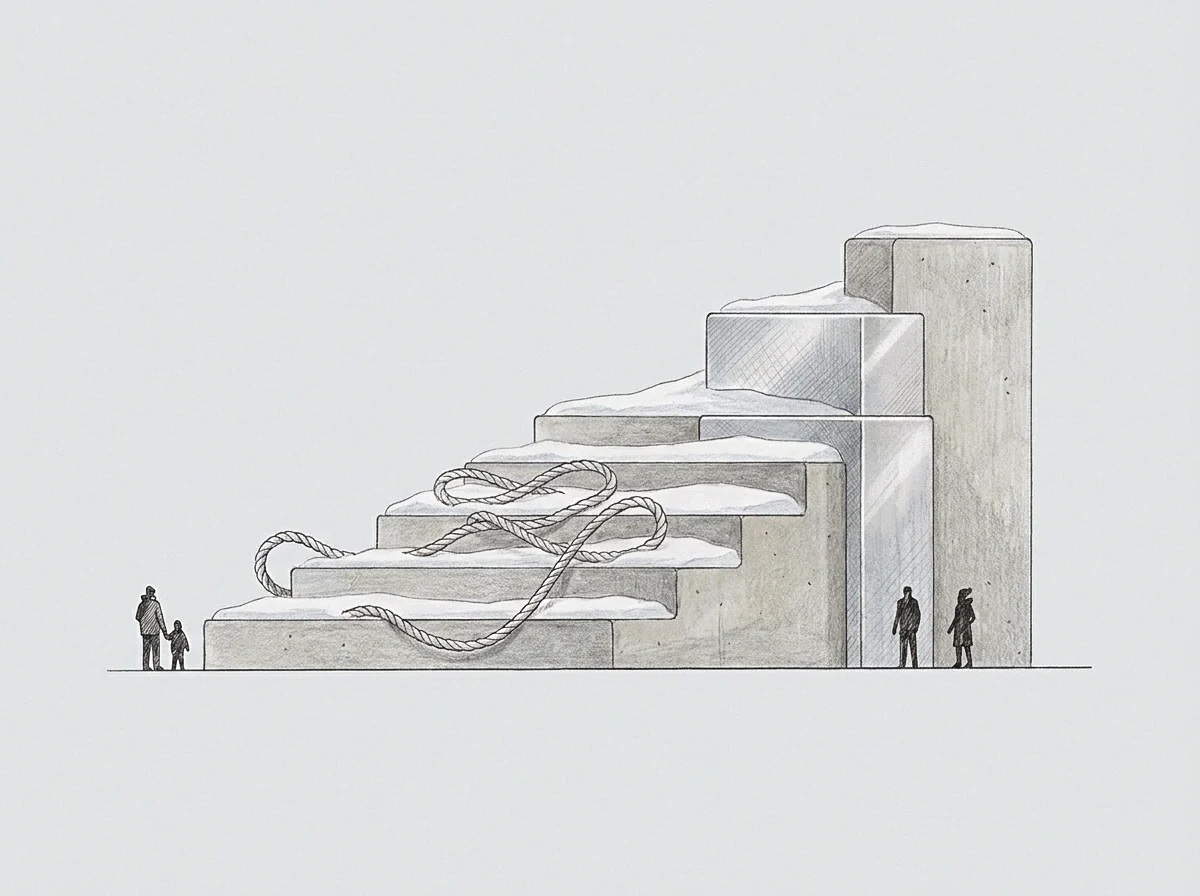
Seat
Resolving unilateral relational strain requires shifting from reflexive emotional accommodation to strict structural containment. The founder must establish unambiguous stated limits governing relational and executive availability. These limits function as explicit operational boundaries, terminating the implicit expectation that one individual will perpetually absorb organizational volatility.
Implementing structural containment requires replacing informal interpersonal absorption with formal procedural gates.
Transforming an unsustainable operational dynamic requires establishing precise operational protocols across all organizational interfaces:
- Asynchronous Processing Windows designate specific non-negotiable temporal blocks during which all real-time communication channels are severed, compelling operational teams to resolve tactical uncertainties autonomously.
- Formalized Escalation Criteria mandate that counterparties present three evaluated strategic options and a definitive resource impact projection prior to requesting real-time executive intervention.
- Executive Reciprocity Audits evaluate key operational partnerships strictly on the counterparty’s demonstrated ability to maintain independent distress tolerance and deliver unassisted problem resolution.
- Containment of Unilateral Buffering intentionally exposes the organizational ecosystem to the immediate operational consequences of its own operational friction, halting the executive’s habit of invisible emotional cushioning.
A founder who reorganizes their operational environment in this manner inevitably encounters immediate friction from counterparties accustomed to continuous unilateral support. Team members and partners may perceive the sudden withdrawal of emotional buffering as interpersonal coldness or strategic neglect. Holding the line against this secondary pushback is the definitive test of operational maturity.
The objective is establishing a resilient operational apparatus that functions without demanding the permanent biological sacrifice of its leadership.
A stated operational limit remains functional only so long as the executive refuses to privately absorb the turbulence caused by its enforcement.

Reset
Long-term operational resilience depends on the gradual formation of earned security. Earned security describes the structural restructuring of an individual’s relational template through repeated, real-world experiences with dependable, highly competent counterparties. Cognitive comprehension of social baseline economics is insufficient to alter deeply grooved behavioral patterns.
The nervous system requires verifiable biological evidence that sharing operational vulnerability does not lead to institutional collapse or relational abandonment.
Developing this capacity requires deliberately seeking out and integrating true executive peers. These are individuals who maintain independent nervous system stability under extreme commercial stress, possess symmetrical problem-solving capabilities, and actively offer reciprocal executive buffering. In the presence of a genuine peer, the founder experiences a measurable reduction in baseline autonomic tone during crises.
The prefrontal cortex registers that operational survival no longer hinges exclusively on unilateral performance. The bioenergetic cost of running the enterprise drops significantly, freeing up vast metabolic reserves for long-range strategic innovation.
The central question left open is how an executive who has operated as an unyielding social baseline for decades can accurately distinguish between a counterparty genuinely capable of reciprocal regulation and one who merely presents a convincing facade of operational competence.