
Resolving Structural Authority Barriers When Forming Bilateral Biological Receptive Slots Across Unequal Hierarchy
Structural authority blocks bilateral regulation by forcing lower ranks into threat monitoring, requiring explicit separation of evaluation from presence.
Post
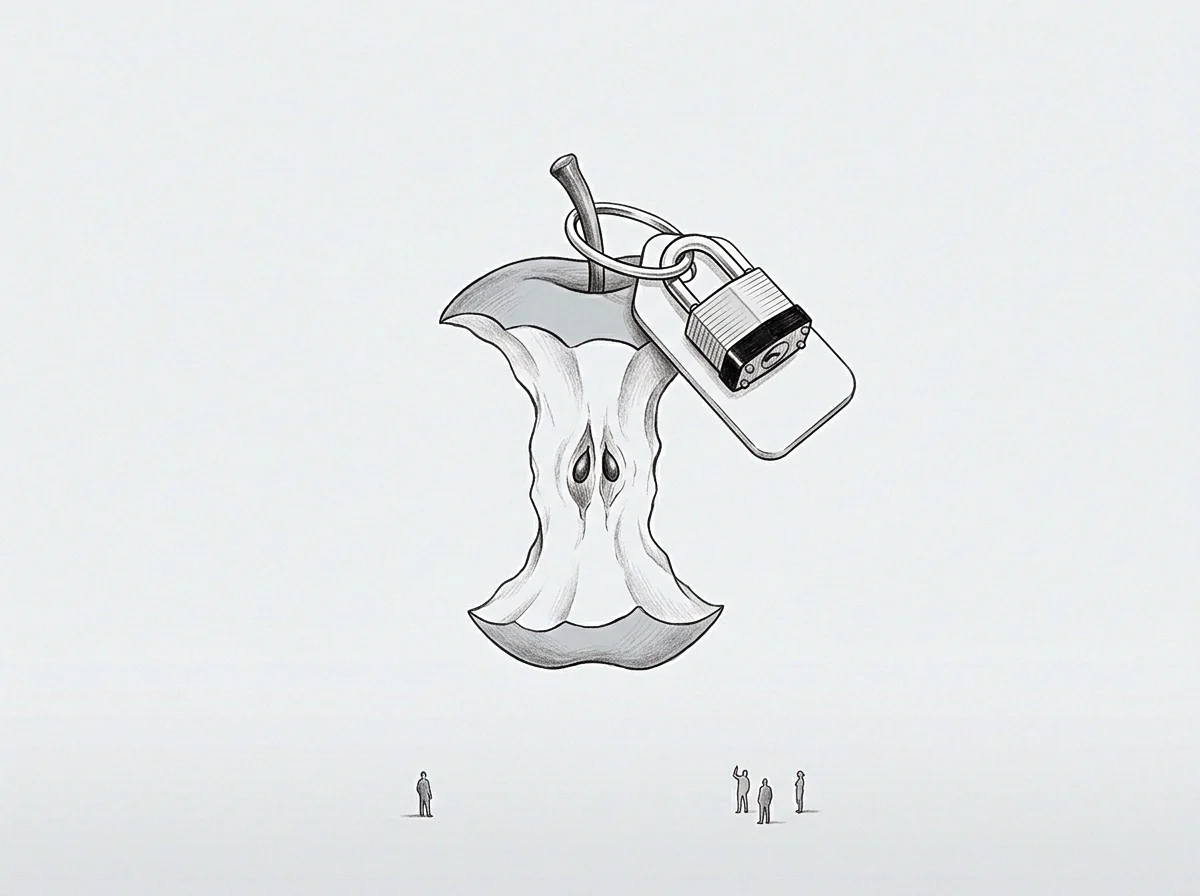
Late on a Thursday evening, four operational channels remain open on a founder’s screen. The senior operator holds administrative control over compensation, equity distribution, and reporting structures for six direct reports. Every incoming message carries an implicit demand for stability.
Staff push unfinished loops, acute anxiety, and structural confusion upward, expecting the top seat to absorb the metabolic cost of regulating the group. That load gets absorbed until internal reserves run dry.
The dynamic breaks down when an executive tries to reverse the flow. Depleted of energy, the person in authority attempts to find mutual calm with a subordinate, dropping their guard and admitting exhaustion in hopes of meeting a steady baseline. The conversation stiffens almost immediately.
Rather than an invitation to connect, the subordinate hears the confession as instability in the reporting line, which sets off an immediate threat assessment.
Power differentials alter autonomic signaling. When one person controls another person’s livelihood, physiological receptivity cannot simply be summoned on demand. The subordinate stays locked in monitoring mode, tracking any sign of executive weakness as a threat to structural stability.
That leaves the leader isolated, responsible for organizational equilibrium while cut off from finding calm inside the hierarchy.
Holding structural authority turns spontaneous vulnerability into an operational threat test for subordinates.
Missing this boundary drains organizational capacity. Executives try to force closeness through unscripted chats, hoping for mutual relief. Subordinates play along, offering gentle reassurances while their autonomic arousal climbs.
The founder then pays for that performance in sustained cognitive strain, carrying both the original fatigue and the work of navigating the unspoken tension. Left unbuffered, hierarchical authority turns every informal exchange into a one-way drain on energy.

Metabolic Budgeting Across Organizational Rank
The brain manages physical resources through continuous predictive processing. Under social baseline theory, the central nervous system defaults to expecting proximity to familiar, reliable peers, which lowers the baseline energy required to monitor surroundings because the load is assumed to be shared. At the top of an institutional hierarchy, that baseline calculation changes.
The founder must maintain vigilance for the entire group, serving as the primary shock absorber for collective uncertainty.
Subordinates operate on a fundamentally different biological budget. Their neural monitoring stays oriented upward toward the person holding administrative control over the environment. When the leader remains steady, the subordinate’s threat monitoring relaxes, releasing metabolic capacity for execution.
When the leader shows uncontained strain, threat detection spikes immediately. A lower-ranking nervous system cannot easily settle into shared regulation with a superior because doing so requires suspending the vigilance needed for self-preservation inside the firm.
This dynamic sets up a firm physiological boundary. Opening a genuine receptor slot, an internal state capable of taking in co-regulatory signals and reducing allostatic load, requires felt safety. In an unequal hierarchy, safety for the subordinate depends on the superior’s predictability.
A subordinate cannot safely extend that receptivity to an employer without taking on professional exposure. Leaders, often conditioned by years of self-reliance, tend to read this hesitation as personal aloofness rather than structural biology.

The Neural Block on Subordinate Receptivity
Vigilance in junior roles runs through physiological pathways that actively block shared regulation. These responses trigger automatically, regardless of personal goodwill or explicit permission from leadership.
- Vigilance hyper-arousal elevates sympathetic tone, keeping the subordinate focused on scanning executive mood for career exposure.
- Compliance posture drives behavioral accommodation, producing polite verbal agreement while the autonomic system remains defensive.
- Attunement asymmetry forces the subordinate to track the manager’s state while tamping down their own physiological cues.
The physiological cost of this asymmetry builds quietly. When an executive seeks comfort from staff without changing the structural container, the exchange stalls. The subordinate offers compliance instead of authentic calm.
Sensing the disconnect, the leader often pushes harder for connection, deepening the cycle until the employee burns out from vigilance or the executive retreats behind cold administrative distance.
The central nervous system calibrates threat monitoring against the stability of the highest-ranking seat in the room.
Across an administrative divide, asking for mutual biological support pushes junior staff into watchful compliance. That distortion drains capacity on both sides and locks the team into chronic strain. The pattern remains fixed until formal authority is decoupled from the immediate relational setting.
Comparative Dynamics of Dyadic Regulation Across Power
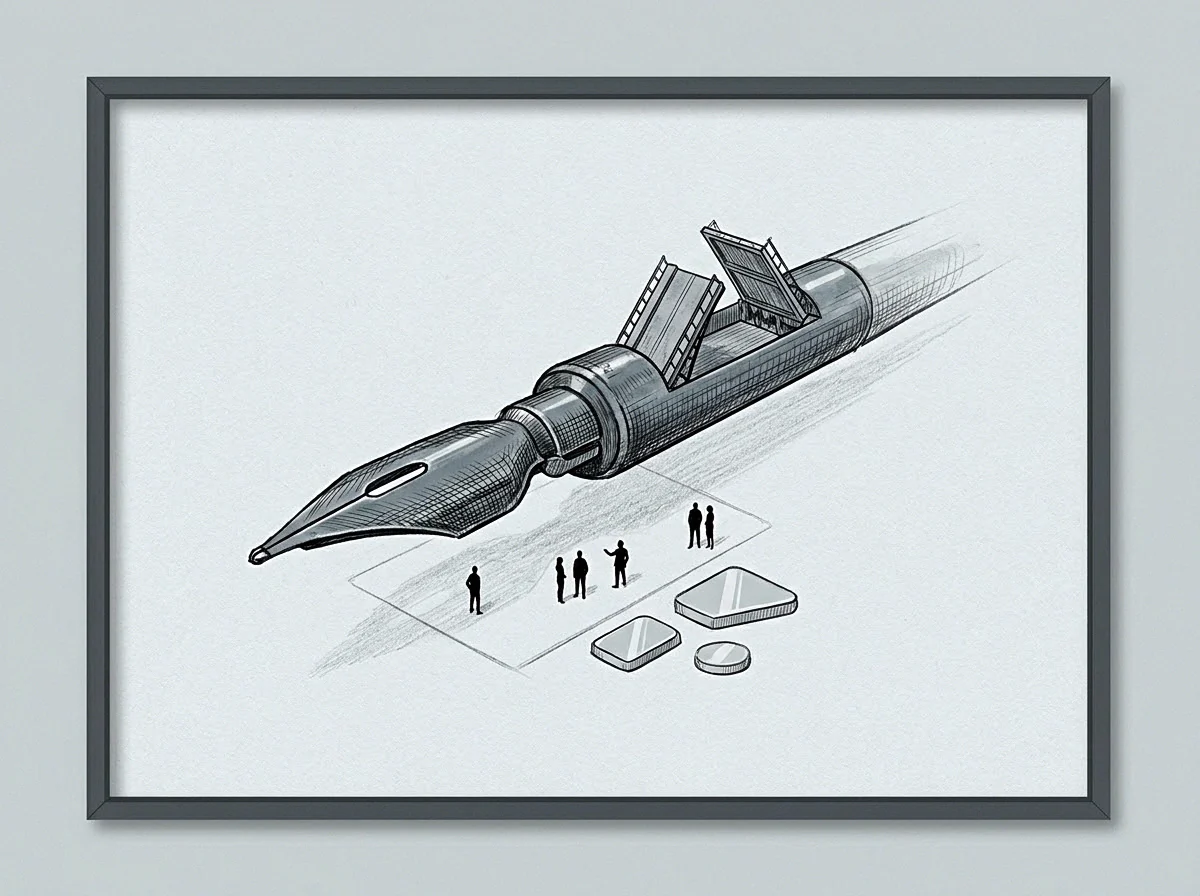
Signals traveling across unequal authority undergo immediate filtering. A subordinate reads every cue through the lens of structural survival before the body can register ease. The table below details how relational moves shift in definition, biological impact, and operational output when executed across unequal hierarchy compared to equal-rank pairings.
| Relational Move | Equal Power Dyad | Unequal Power Dyad | Subordinate Biological Response |
|---|---|---|---|
| Expression of Exhaustion | Invites baseline sharing and reciprocal rest. | Signals institutional instability or incoming load dump. | Sympathetic activation and rapid scenario planning. |
| Silence in Proximity | Lowers threat monitoring and reduces heart rate. | Triggers evaluative panic and performance anxiety. | Increased tonic skin conductance and hyper-vigilance. |
| Request for Emotional Input | Fosters mutual internal alignment. | Imposes emotional caretaking on lower rank. | Behavioral compliance accompanied by biological masking. |
| Explicit Bound Setting | Refines mutual terms of engagement. | Registers as administrative insubordination or risk. | Inhibited signaling and internal stress accumulation. |
Structural hierarchy acts as an acoustic filter. An overture that fosters ease between equals registers as a threat when sent down the chain of command, simply because the subordinate lacks the insulation needed to find executive vulnerability safe.

Can Power Gradients Preserve Receptive Slots Under Load?
Opening mutual receptivity across a reporting line requires deliberate structural modifications. Without a clean divide between administrative evaluation and biological presence, reciprocal regulation cannot happen. The subordinate’s autonomic system continues to evaluate every interaction against compensation, reviews, and career trajectory.
For regulation to work, the founder has to wall off an insulated operational zone. That means explicitly waiving administrative evaluation during specific interactions or establishing contexts where power dynamics are formally paused. Staff need guaranteed structural safety before their nervous systems can drop threat monitoring and settle into shared regulation.
A power gradient converts unbuffered executive vulnerability into an immediate calculation of risk for the subordinate.
Without those boundaries, the subordinate defaults to self-protection. The person cannot provide a steadying presence and stays guarded, no matter how sincere the leader’s intentions appear.
The team works to keep the executive feeling supported during a crisis, fearing operational stability is lost otherwise.
The High Cost of Performative Openness
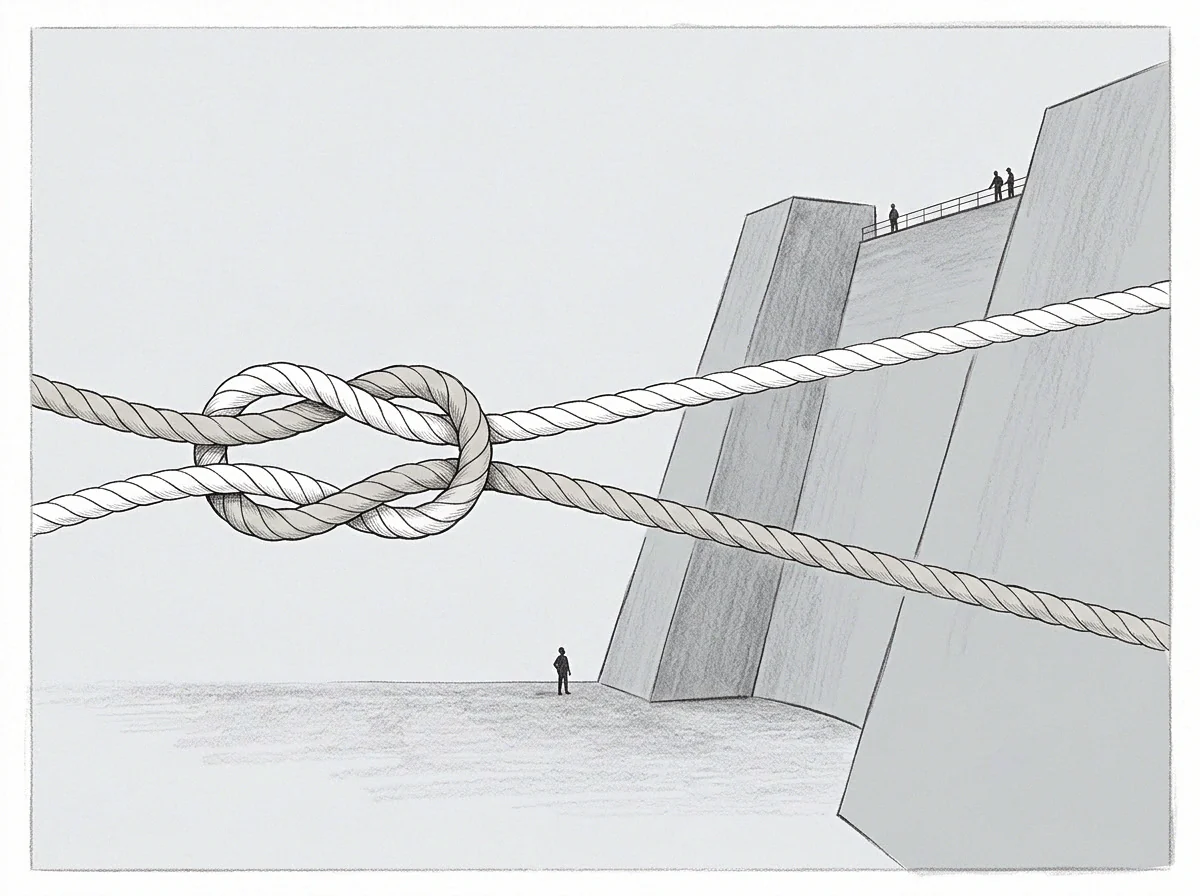
Leaders seeking calm often default to performative informality. Under heavy strain, an executive drops titles, sheds protocol, and insists on flat organizational dynamics. The intention is understandable: strip away authority to reach human connection and shared calm.
But structural reality does not bend to casual posture.
Flattening the room actually increases an employee’s cognitive and physiological burden. When formal guardrails vanish, structural power remains present while becoming unpredictable. Without defined lines, the subordinate must work constantly to guess where casual conversation ends and professional assessment starts.
Ambiguity forces the threat-detection system into overdrive.
Performative vulnerability amounts to administrative extraction. The person in authority uses rank to demand emotional attunement without offering the peer-level safety that makes attunement reciprocal. This puts the subordinate in a bind: feign intimacy to comfort the manager, all while knowing a wrong word could damage their standing.
The employee produces a simulated calm, bearing the energy cost of masking while the executive receives only a thin, fleeting relief.
The dynamic accelerates fatigue across the system. Over time, the executive senses that the reassurance is hollow, while the employee grows resentful at having to manage a superior’s state on top of regular work duties. Trying to bypass structural reality through forced warmth compromises organizational clarity and burns out both parties.
An organization cannot maintain operational execution for long when senior decision-makers rely on subordinates for biological stability.
Decoupling Evaluation from Physiological Presence
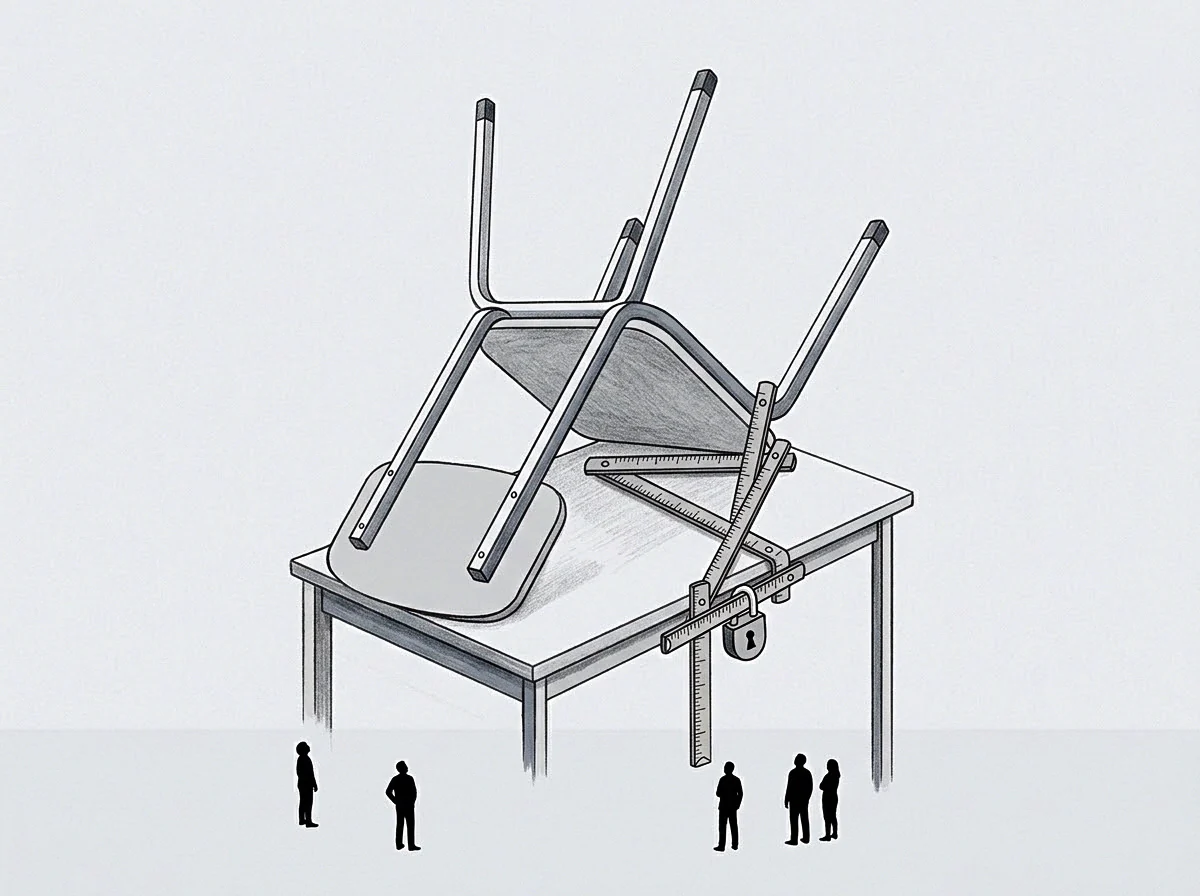
Resolving these barriers requires building clear containers that isolate biological regulation from administrative assessment. An executive cannot simply ask an employee for support. The environment needs verifiable ground rules that let a subordinate’s nervous system drop its vigilance safely, moving past habits of isolated self-reliance or unbuffered emotional demands toward structured organizational stability.
Security across a hierarchy grows through consistent, predictable interactions where authority is explicitly contained. The senior operator sets firm parameters around when authority applies and when it is paused. This cannot be an informal agreement; it requires structural guarantees.
Once those guardrails are reliable, a subordinate’s nervous system can adjust its threat model, knowing specific conversations carry zero professional risk.
- Boundary designation defines clear times and settings where performance reviews, task assignments, and strategic critiques are barred.
- Symmetrical containment bounds the depth of disclosure, ensuring an executive never passes existential panic down the chain of command.
- Third-party anchoring secures external support systems for leadership, cutting the regulatory demand placed on internal staff.
- Explicit terms grant subordinates the clear right to decline non-operational conversations without professional penalty.
With those parameters established, mutual regulation becomes possible despite the power differential. Subordinates can ease their vigilance, protected by boundaries that keep personal interactions separate from compensation or performance reviews. In turn, the executive gains authentic support without relying on forced informality.
Decoupling administrative assessment from presence allows lower-ranking nervous systems to drop defensive vigilance and offer genuine stability.
Over time, this deliberate separation reshapes how the organization functions. Subordinates gain the capacity to offer genuine calm because their safety rests on explicit boundaries rather than nervous compliance. Leaders learn to accept support without blunting the authority needed to direct the business.
The enterprise moves past fragile caretaking habits and establishes working relationships grounded in physiological limits and structural clarity.