
Cortisol Awakening Response Changes Under Chronic Threat
Chronic environmental threat shifts the cortisol awakening response from acute hyper-reactive surges to hypocortisolemic blunting through receptor desensitization.

Floor
Upon waking, human adrenal glands produce a steep rise in salivary cortisol, surging between fifty and one hundred fifty percent within thirty to forty-five minutes after consciousness returns. This elevation, known as the cortisol awakening response, operates as an autonomic preparation mechanism governed by the suprachiasmatic nucleus and the hippocampus. The system anticipates the regulatory and physical demands of the coming day by mobilizing glucose, modulating vascular tone, and sharpening cognitive alertness before external tasks begin.
Under baseline conditions with predictable daily stress, the endocrine curve rises sharply and clears efficiently, restoring baseline systemic levels by mid-afternoon.
Sustained environmental threat alters this anticipatory endocrine curve long before subjective awareness registers operational exhaustion. During initial periods of elevated operational demand or structural instability, the hypothalamic-pituitary-adrenal axis increases its morning output. The adrenals clear the morning rise.
The cortisol awakening response acts as an endocrine index of anticipated challenge, expanding its morning surge when an individual perceives high uncontrollable load upon opening their eyes.
When threat becomes continuous, unresolvable, and embedded in daily operations, the morning surge changes shape. The endocrine system cannot maintain extreme morning cortisol output indefinitely without risking systemic toxicity, insulin dysregulation, and tissue desensitization. Prolonged exposure to high glucocorticoid concentrations forces the HPA axis into regulatory downregulation, altering both receptor sensitivity and central hypothalamic signalling.
The hypothalamic drive recalibrates morning endocrine output when anticipatory load remains continuous across consecutive weeks.
Misinterpreting early morning endocrine hyper-reactivity as standard daily drive leads to structural mismanagement of operational capacity. Treating a sharp, stress-amplified awakening cortisol spike as proof of sustainable capacity accelerates the exhaustion of adrenal responsiveness, shortening the timeline until systemic hypocortisolemic blunting sets in.
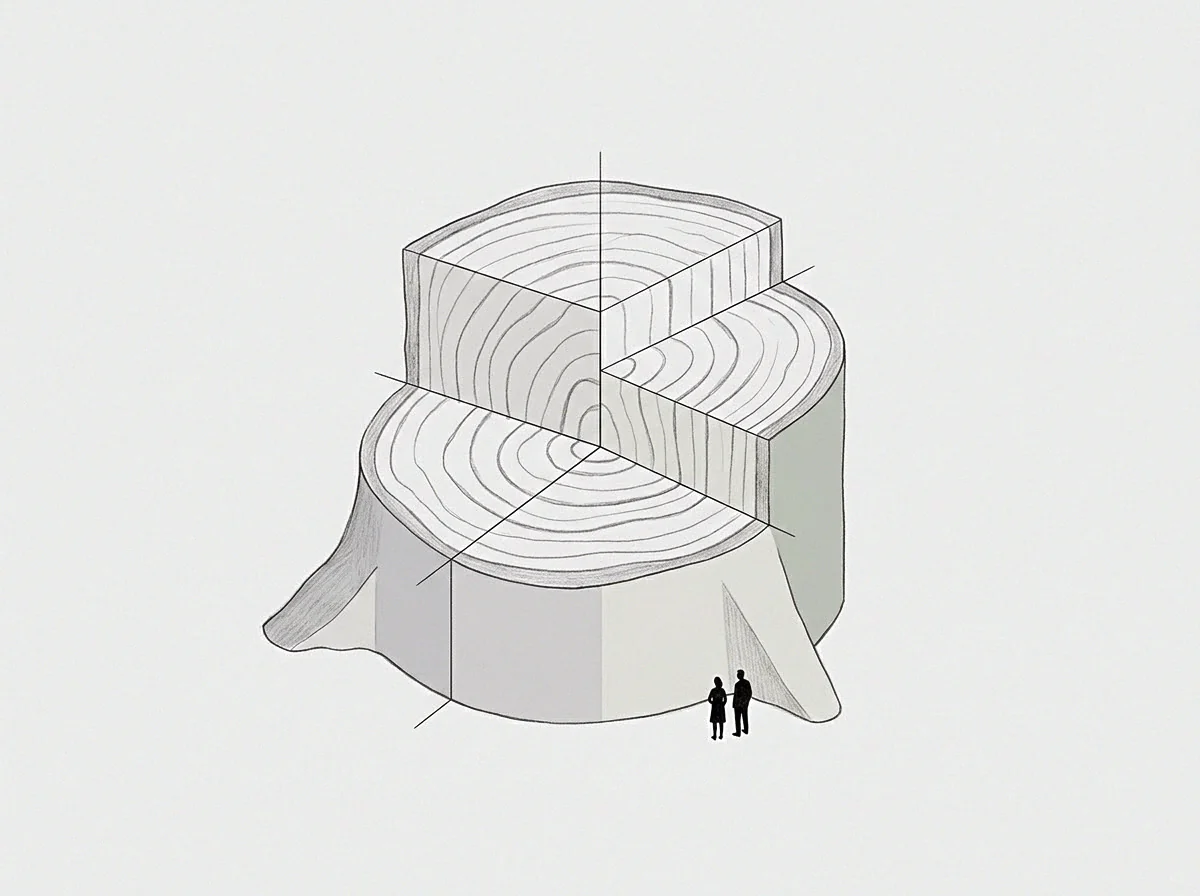
Spike
The progression from initial endocrine elevation to chronic suppression follows a recognized physiological trajectory. During early stages of unremitting operational threat, the central nervous system maintains high autonomic tone through the night, elevating pre-awakening sympathetic activity. This persistent nocturnal arousal prevents the normal cortisol nadir that typically occurs during early sleep stages, leaving baseline waking cortisol elevated while simultaneously sharpening the morning spike.

Does Prolonged Threat Flatten the Morning Surge?
Continued exposure to high-threat environments shifts the HPA axis from hyper-reactivity to progressive hypocortisolemia. Repeated exposure to high circulating cortisol triggers down-regulation of glucocorticoid receptors within the hippocampus and anterior pituitary gland. This receptor desensitization impairs negative feedback sensitivity while simultaneously dampening the central drive of corticotropin-releasing hormone from the paraventricular nucleus of the hypothalamus.
The transition between hyper-reactive cortisol awakening output and hypocortisolemic blunting reflects systemic adaptation rather than sudden endocrine failure. The body throttles hormone production to protect metabolic and neural tissue from sustained glucocorticoid toxicity. This regulatory shift creates distinct physiological profiles across different durations of environmental threat.
| Phase | HPA Axis Status | Awakening Curve Shape | Receptor Sensitivity | Operational State |
|---|---|---|---|---|
| Acute Threat | Hyper-reactive surge | Steep rise above elevated baseline | Preserved negative feedback | High arousal and rapid task execution |
| Chronic Load | Sustained elevation | Elevated baseline with shortened peak | Partial glucocorticoid desensitization | Accelerated switching cost and fatigue |
| Exhaustive Blunting | Hypocortisolemic suppression | Flat curve with diminished morning rise | Widespread receptor down-regulation | Throttled capacity and blunted drive |
In the blunted state, the cortisol awakening response yields a diminished rise, sometimes less than twenty percent above waking levels, or displays a flat, depressed trajectory. The person wakes up feeling unrefreshed, lacking the physiological chemical engine required to initiate motor action and complex problem-solving. Operational tasks that previously required nominal conscious effort begin to demand substantial cognitive exertional force.
A flattened morning cortisol surge indicates target tissue protection through systemic suppression of hypothalamic drive.
The long-term consequence of operating with a blunted morning cortisol surge involves a shift in how metabolic reserves are deployed throughout the workday, leaving open the question of how long target tissue sensitivity takes to return once structural threat is permanently removed.

Silt
Sustained regulatory demand deposits physiological wear across vascular, metabolic, and neuroendocrine systems, accumulating like silt in a water channel. This accumulation, termed allostatic load, represents the physical cost of continual adaptation to unrestored strain. As open operational loops multiply, the brain maintains constant background vigilance, treating unresolved structural commitments as active physical threats.
The autonomic nervous system pays an immediate toll for continuous anticipatory vigilance. Nocturnal heart rate variability decreases, vagal tone drops, and nocturnal blood pressure loses its nocturnal dip. These cardiovascular adjustments parallel the flattening of the cortisol awakening response, reflecting a continuous shift toward sympathetic dominance even during deep sleep stages.
Unresolved operational commitments alter morning endocrine dynamics through specific physiological pathways:
- Nocturnal Rumination elevates midnight baseline cortisol levels, reducing the relative amplitude of the morning awakening surge.
- Sympathetic Hypertonicity suppresses salivary alpha-amylase diurnal rhythmicity, disrupting normal oral autonomic coordination during early morning hours.
- Glucocorticoid Resistance diminishes immune cell sensitivity to cortisol signals, promoting low-grade continuous peripheral inflammation.
- Hippocampal Volume Reduction impairs contextual stress regulation, causing routine daily obligations to trigger acute autonomic threat responses.
Distinguishing between subjectively experienced fatigue and measured hypocortisolemic blunting remains vital for organizational and clinical evaluation. Subjective fatigue fluctuates with daily mood, diet, and transient motivation, whereas hypocortisolemic blunting represents an established endocrine recalibration that persists across weeks regardless of short-term rest. The physical system operates under a hard metabolic throttle designed to limit internal wear.
Allostatic load converts continuous open commitments into measurable neuroendocrine recalibration.
A contract that leaves operational availability unstated causes continuous pre-awakening autonomic arousal, which flattens the cortisol morning curve over ninety days of execution.
Ledge
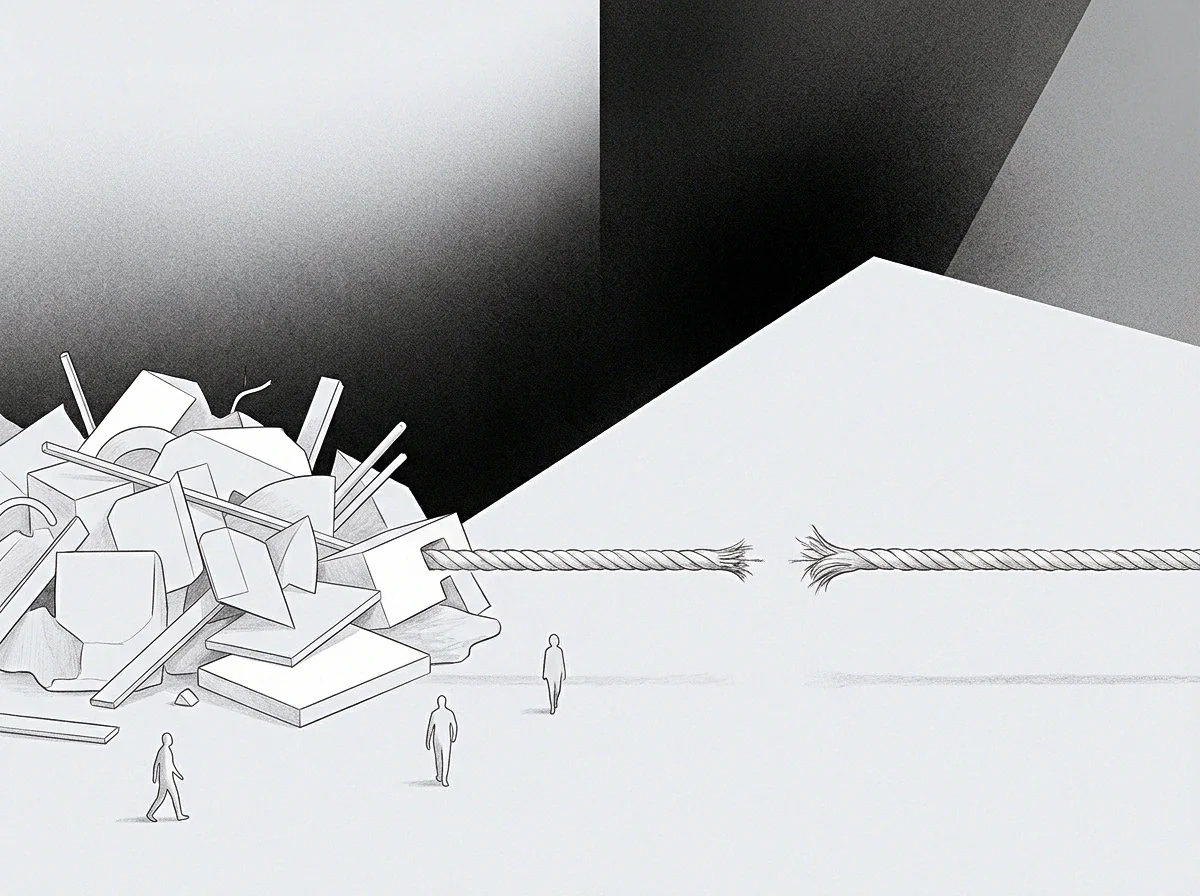
When the morning cortisol surge flattens under prolonged operational threat, individuals reach a structural ledge where traditional motivational and cognitive strategies cease to produce expected physical outputs. Attempting to force execution through sheer willpower or chemical stimulants when the HPA axis is suppressed increases peripheral wear while failing to restore central hypothalamic drive.
Misreading a throttled neuroendocrine system as clinical depression represents a primary failure mode in executive capacity assessment. While major depressive disorder frequently presents with elevated evening cortisol and blunted negative feedback, chronic threat suppression in healthy working populations manifests primarily as an isolated flattening of the morning cortisol surge accompanied by low waking cortisol. Treating a throttled system as a depressive state leads to improper clinical and structural management.
Evaluating executive health under chronic load requires identifying structural failure modes early:
- Perceptual Overestimation occurs when an operator mistakes high acute adrenaline surges for healthy, sustainable cortisol awakening dynamics.
- Misattributed Exhaustion labels endocrine hypocortisolemia as a loss of psychological commitment rather than a biological protection response.
- Stimulant Misuse over-indexes on adenosine blockade to force alertness, further straining cardiovascular baseline variables without restoring hypothalamic signaling.
Restoring HPA axis headroom demands closing open operational loops rather than merely reducing working hours. A person who works four hours while holding twelve ungated channels maintains the same neuroendocrine threat posture as someone working fourteen hours. The brain registers ungated uncertainty as physical danger regardless of active labor input.
The physiological baseline stabilizes only when open operational loops are formally closed with explicit scope and terms.
The system cannot deliver sustained operational drive when every incoming request creates an immediate, ungated allocation of physical baseline capacity.

Arch
Rebuilding a compromised cortisol awakening response requires constructing structural gates around incoming operational demands. The human endocrine architecture recovers its morning diurnal amplitude when the brain perceives clear boundaries around systemic responsibility. Re-establishing circadian endocrine rhythmicity depends on predictable light exposure, consistent waking times, and explicit limits on late-evening operational communication.
Gating open demands transforms continuous, unpredictable threat into discrete, bounded tasks that the HPA axis can process without remaining in perpetual anticipatory alarm. When the brain registers that night hours carry zero probability of unexpected operational demands, pre-awakening sympathetic tone drops, allowing midnight cortisol to drop to its appropriate nadir.
This nocturnal cortisol drop restores central glucocorticoid receptor sensitivity over time. As hippocampal and pituitary receptors regain sensitivity, the hypothalamic-pituitary-adrenal cascade re-establishes its high-amplitude morning drive, providing the natural metabolic engine necessary for sharp awakening alertness and steady daily execution. Recovery remains an architectural problem solved by structural boundaries rather than a passive process solved by time off.
An operator who defines explicit scope, terms, and date limits for every active commitment protects their neuroendocrine headroom from continuous allostatic erosion.