

Setting Intake Limits To Prevent Executive Exhaustion
Setting structural intake limits caps concurrent open cognitive threads, preventing elevated allostatic load and maintaining executive strategic capacity.
Setting structural intake limits caps concurrent open cognitive threads, preventing elevated allostatic load and maintaining executive strategic capacity.

Continuous real time control saturates prefrontal glycogen reserves, forcing a transition from deliberate executive regulation to reflexive striatal heuristics.

Systemic neuroendocrine recovery following operational volatility depends on restoring the diurnal cortisol slope and normalization of anabolic steroid ratios.

Lateral peer buffering blunts executive allostatic load during crisis by distributing neural threat appraisal across non-evaluative, structurally symmetric equals.

Continuous unhedged organizational stress drives biological wear through elevated allostatic load and ungated thread counts that deplete cognitive headroom.

Autonomic coregulation in executive teams relies on vagal safety signaling, where continuous physiological overload triggers systemic autonomic throttling.

Strategic coherence survives total metabolic depletion when written governance terms and contractual limits replace informal executive arbitration.

Chronic environmental threat shifts the cortisol awakening response from acute hyper-reactive surges to hypocortisolemic blunting through receptor desensitization.
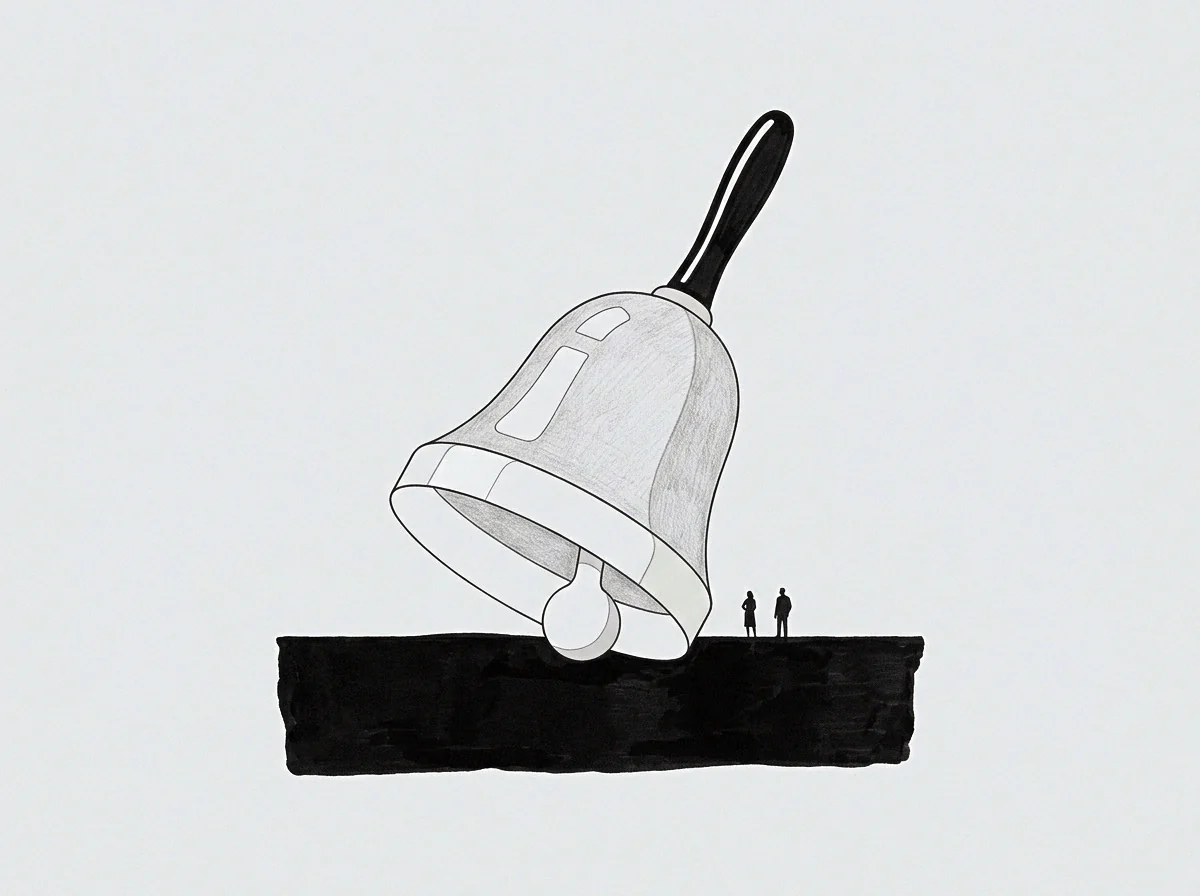
Social baseline theory demonstrates that human brains delegate threat regulation to trusted peers, lowering metabolic costs while increasing load on leaders.

Social baseline theory demonstrates that executive allostatic burnout occurs when continuous solo regulation forces perpetual neural overdraft without co-regulatory relief.

Enterprise decision latency under severe exhaustion measures structural processing lag caused by allostatic depletion, shifting choices toward default outcomes.

Fast-growing corporate structures transfer operational load to responsive executives until explicit structural boundaries redirect coordination overhead.

Chronic physiological saturation degrades prefrontal networks, causing compounding operational delays and strategic errors across dependent business units.

Scaling increases solitary threat appraisal, degrading relational models unless unilateral load absorption shifts toward distributed co-regulation.
The terms are written where they belong. Each field holds three desks, and every entry a desk writes raises the terms it uses, each term given a meaning, a mechanism and the places it appears. The record on these pages stays first person and hand made; the fields grow the nomenclature.