
Differentiating Operational Concurrency Limits From Clinical Major Depressive Episodes
Operational concurrency limits trigger protective task throttling, whereas clinical major depressive episodes reflect a systemic breakdown of affective regulation.

Ceiling
Four messaging channels remain open past midnight while operational logs show full baseline task execution. The person sitting in the seat answers incoming requests within minutes, dispatches pending approvals, and maintains error-free output on high-priority items. Strategic planning has stopped entirely.
Creative synthesis, future scheduling, and non-urgent conversations sit unaddressed on the desk. The individual exhibits flat affect, brief answers, and absolute refusal to accept additional projects.
External observers frequently mistake this specific configuration for psychiatric mood disturbance. The reduction in social warmth, the cessation of self-initiated work, and the blunted emotional tone mirror classic signs of affective withdrawal, though the underlying systemic state differs fundamentally in its functional mechanics.
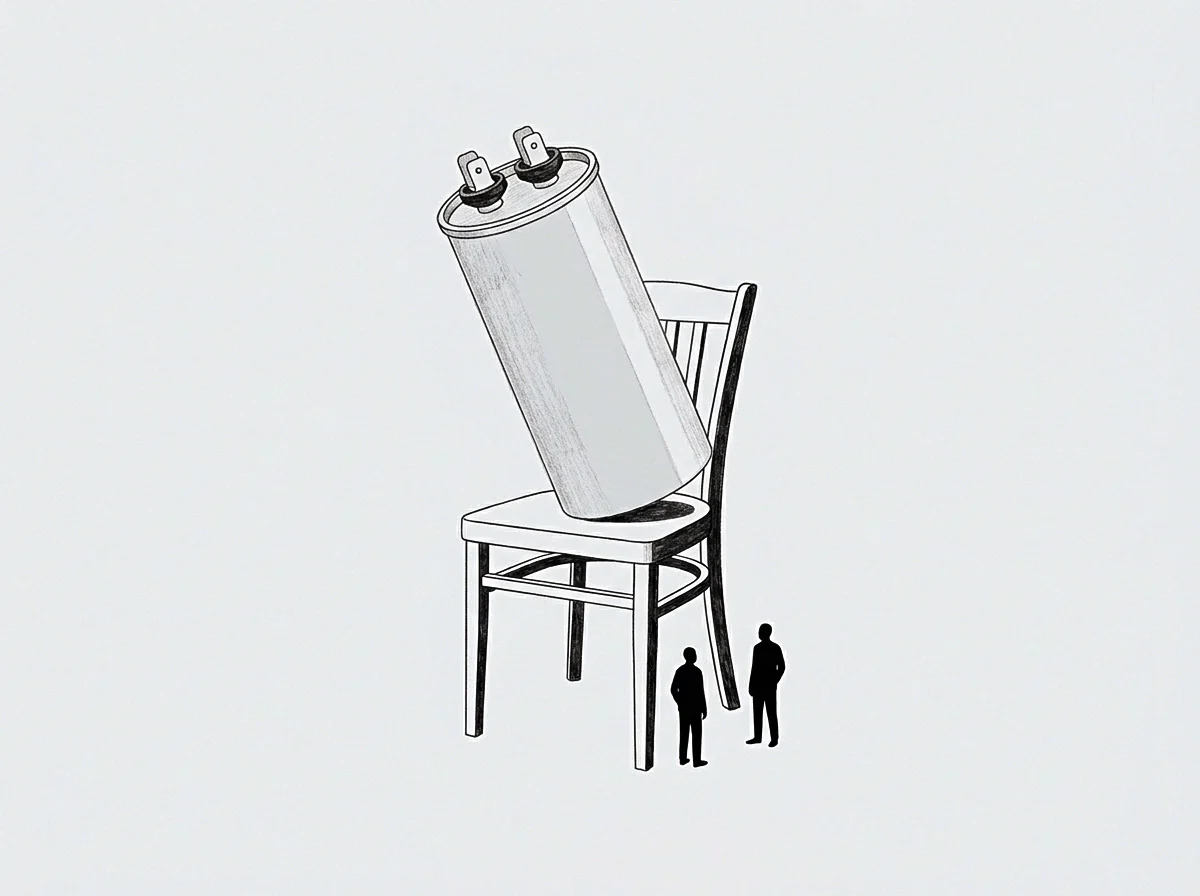
Execution continues at ceiling. High allostatic load forces the nervous system into protective resource allocation. When active cognitive capacity reaches maximum concurrent occupancy, the brain drops discretionary processes, including emotional elaboration, self-initiated expansion, and social buffering, to preserve core functional throughput.
Systemic throughput drops predictably when ungated external communications exceed available cognitive processor slots.
An individual operating at maximum concurrency limit maintains complete fidelity on urgent external demands while dropping internal initiative, continuing triage without pause. A clinical depressive episode presents differently, blunting execution across both external demands and internal initiative simultaneously. Mistaking operational saturation for clinical pathology leads to incorrect management strategies that fail to address the underlying load architecture.
Failing to recognize operational throttling leads organizations to apply psychiatric framing to structural capacity problems, compounding regulatory wear with inappropriate interventions.

Biology
Allostatic load measures the cumulative physiological wear resulting from continuous demands on active regulatory capacity. When incoming operational variance exceeds available internal buffer space, the autonomic nervous system shifts from dynamic balance into sustained sympathetic mobilization. This mobilization does not signal psychiatric failure; it represents an adaptive metabolic defense against functional overwhelm.
Neuroendocrine research demonstrates clear markers that separate continuous high load from clinical depressive pathology. In high load states, basal cortisol diurnal curves retain their fundamental slope, though elevation occurs across active working hours. Hypothalamic-pituitary-adrenal axis responsiveness remains intact, shifting dynamically when incoming task load drops.
Clinical major depressive episodes frequently show blunted diurnal cortisol variation, impaired feedback sensitivity, and pervasive systemic neuroinflammatory markers that persist independent of external task demands.
| Dimension | Operational Concurrency Limit | Major Depressive Episode |
|---|---|---|
| Task Execution | Preserved for urgent incoming demand; self-initiated tasks halted | Systemically degraded across both external demand and self-initiated work |
| Context Responsiveness | Rapid affective restoration upon immediate thread removal | Pervasive anhedonia independent of active task volume |
| Cortisol Rhythmicity | Elevated diurnal output with preserved circadian slope | Blunted diurnal slope with altered feedback regulation |
| Social Regulation | Selective conservation of regulatory energy; functional core preserved | Global withdrawal and systemic breakdown of co-regulatory engagement |
| Data reflects distinctions established across stress physiology and psychiatric diagnostic research. | ||
Functional capacity under concurrency saturation recovers rapidly when external inputs cease. A person running at operational ceiling who receives a sudden drop in active channels demonstrates immediate restoration of affective warmth and cognitive breadth. Clinical depression shows structural persistence, where reducing external operational demand does not alleviate core affective and psychomotor inhibition, even as biomarkers show severe regulation wear.
External observers frequently mistranslate total operational saturation as emotional withdrawal.
Contextual variation disappears under extreme load. The throttled state reflects a localized capacity constraint designed to prevent systemic physiological collapse. Treating operational saturation as a psychiatric mood disorder introduces unnecessary diagnostic stigma while leaving the structural cause intact.
When contextual responsiveness remains intact across varying demand conditions, the state classifies as operational load saturation rather than psychiatric affective breakdown.
Loop
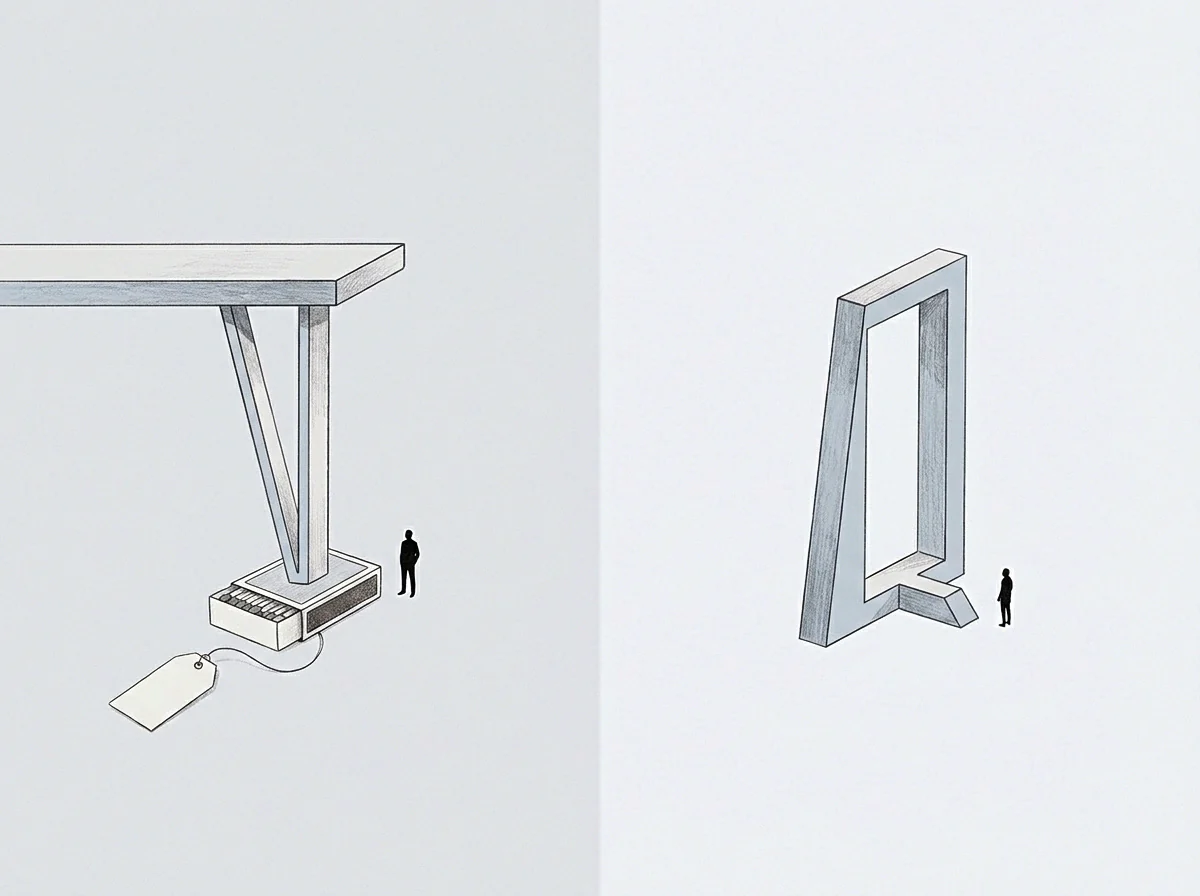
Open commitments consume active working bandwidth regardless of their immediate operational priority. A single open question without a designated resolution date requires continuous background processing memory. Holding ten unformatted open communications consumes the same processing slot count as managing three major complex deliverables with explicit terms.

Open Communications and Bandwidth Consumption
Unresolved commitments sit in active mental storage. Each ungated communication represents a potential incoming interruption that forces the brain to maintain active monitoring systems. The switching cost between active monitoring and productive execution drains metabolic energy at a constant rate.
As capacity drops under load, the system enforces strict throttling rules to prevent complete failure. Self-initiated creative planning stops first because it carries no external deadline enforcement. Incoming explicit tasks receive immediate, minimal compliance to clear active memory quickly.
The person appears cold, transactional, and blunt.
Which Operational Indicators Signal Capacity Saturation?
Measurement begins with tracking response latency on unprioritized items. As concurrent open loops fill available processor slots, response time on low-priority items stretches indefinitely while response time on urgent pings remains hyper-fast. The distribution of response latency bifurcates radically.
- Ungated Loop – An open operational line without explicit dates, scope parameters, or defined closure conditions, consuming active background processing slots continuously.
- Bounded Commitment – A structured task carrying fixed execution terms, explicit delivery times, and defined criteria, occupying minimal background bandwidth.
- Parked Line – A muted communication channel assigned to a scheduled periodic review, releasing active processor capacity until the designated evaluation window opens.
Unstated terms carry ongoing cost. When active items accumulate without structural boundaries, the individual reaches a concurrency wall. The refusal to take on new projects reflects structural asset preservation rather than lack of organizational commitment or clinical paralysis.
A thread left without explicit terms consumes active working capacity until formal closure occurs.
When communication lines remain silent, colleagues or external observers often interpret the lack of response as being ignored or pushed away. The behavior stems directly from processor saturation rather than interpersonal hostility or clinical detachment.
The person appears completely unapproachable and disengaged even though urgent execution requests receive immediate compliance.

Headroom
Available regulatory capacity determines whether incoming operational variance triggers systemic throttling. Operational headroom shrinks as open commitments multiply across daily management routines. An organization operating with zero individual capacity headroom remains highly vulnerable to sudden functional disruption.

Allocating Active Processing Slots
Systemic throughput depends on limiting concurrent active tasks. Consider an operator holding responsibility for four active corporate restructuring tasks, six investor update lines, and twelve direct operational reports. Assume each line remains open without explicit communication boundaries.
- Active loop counts exceed processor limits by fifty percent.
- Self-initiated baseline planning halts while external triage continues.
- Incoming operational pings receive immediate minimal execution without long-term structural adjustments.
Processor slots open slowly. The operator attempts to manage the overload by extending working hours into the night. Physical fatigue compounds cognitive resource exhaustion, narrowing regulatory bandwidth further.
The operator stops engaging in strategic debate, offers mono-syllabic approvals, and delegates nothing due to the immediate switching cost of instruction.
Self-initiated activity halts long before incoming operational tasks stop executing.
Operational output changes character as the shift from dynamic innovation to rigid compliance marks the transition into protective load throttling, where capacity limits remain absolute.
Restoring capacity depends on closing open loops rather than reducing total working hours.

Margin
Structural interventions restore working capacity by systematically converting ungated commitments into closed parameters. Addressing operational load saturation requires engineering explicit communication limits rather than issuing medical leaves or psychiatric prescriptions.
Gating restores active bandwidth. The primary structural move involves setting clear temporal boundaries around open channels. Explicit scope definition prevents scope expansion from consuming additional background processor slots.
Converting three ungated communications into parking states frees immediate cognitive headroom without altering total organizational workload.
Organizations must design clear escalation thresholds that prevent passive load transfer onto key operators. When an operator reaches maximum concurrency capacity, incoming loops automatically divert to secondary processing nodes or queue behind explicit date boundaries. Establishing stated operational limits protects systemic capacity while maintaining organizational trust.
Differentiating operational concurrency limits from major depressive episodes preserves both diagnostic integrity and operational capability. Clear structural analysis replaces subjective emotional commentary with precise capacity measurement.
Whether an organization can systematically enforce concurrency ceilings without changing its underlying communication culture remains undetermined.