
Diurnal Cortisol Curve Flattening Following Prolonged Operational Thread Concurrency
Concurrent ungated operational threads sustain sympathetic activation, flattening the diurnal cortisol slope and suppressing the morning awakening response.

Roof
At two in the morning, four communication channels can remain open awaiting executive decisions while the adrenal cortex continues to secrete cortisol. The body registers unresolved operational threads much like ongoing physical threats, committing metabolic resources to keep the system alert. Over time, managing concurrent operational lines blunts the regulatory signals behind daily endocrine cycles, cutting off the nocturnal drop required for tissue repair and neural recovery.

Glucocorticoid Dynamics Under Thread Load
The endocrine system meets sustained mental work by releasing steroid hormones from the adrenal cortex. In standard conditions, cortisol follows a clear diurnal curve directed by the pacemaker in the suprachiasmatic nucleus. Circulating levels climb sharply on waking, reaching a peak within thirty to forty-five minutes to meet early metabolic demand.
This morning surge, described as the cortisol awakening response, supplies the initial mobilization for goal-directed work.
Through the rest of the day, cortisol declines toward an evening low around midnight. That downward slope lets metabolism shift from mobilizing resources to repairing tissue and clearing cellular waste. When an operator runs several open threads at once, the central nervous system stays on alert.
The hypothalamic-pituitary-adrenal axis remains engaged, overriding the suprachiasmatic signals that would otherwise drive the evening hormone descent.
Sustained execution across ungated operational channels prevents the normal evening drop in circulating glucocorticoids, producing a flattened diurnal curve over consecutive weeks.
The circadian gradient flattens as the downward curve disappears.
Midnight arrives without the baseline drop in circulating glucocorticoids.

Circadian Suppression and Morning Elevation
When unfinished tasks pile up without clear deadlines, internal clocks lose their governing rhythm. The ongoing expectation of new messages or decisions keeps corticosterone output elevated through hours that should be spent on systemic clearance. Over weeks, this constant baseline desensitizes the pituitary gland to corticotropin-releasing hormone, narrowing the responsive range of the entire endocrine axis.
A flattened curve shows up in two related ways. Cortisol stays high into the night, which disrupts slow-wave delta sleep and curtails growth hormone release. Come morning, the awakening surge fails to materialize; the operator wakes without the chemical drive required for clear executive focus, staying sluggish despite sufficient hours in bed.
Treating this neuroendocrine flattening as a personal lack of discipline often pushes operators toward higher caffeine intake, accelerating pituitary desensitization.

Loop
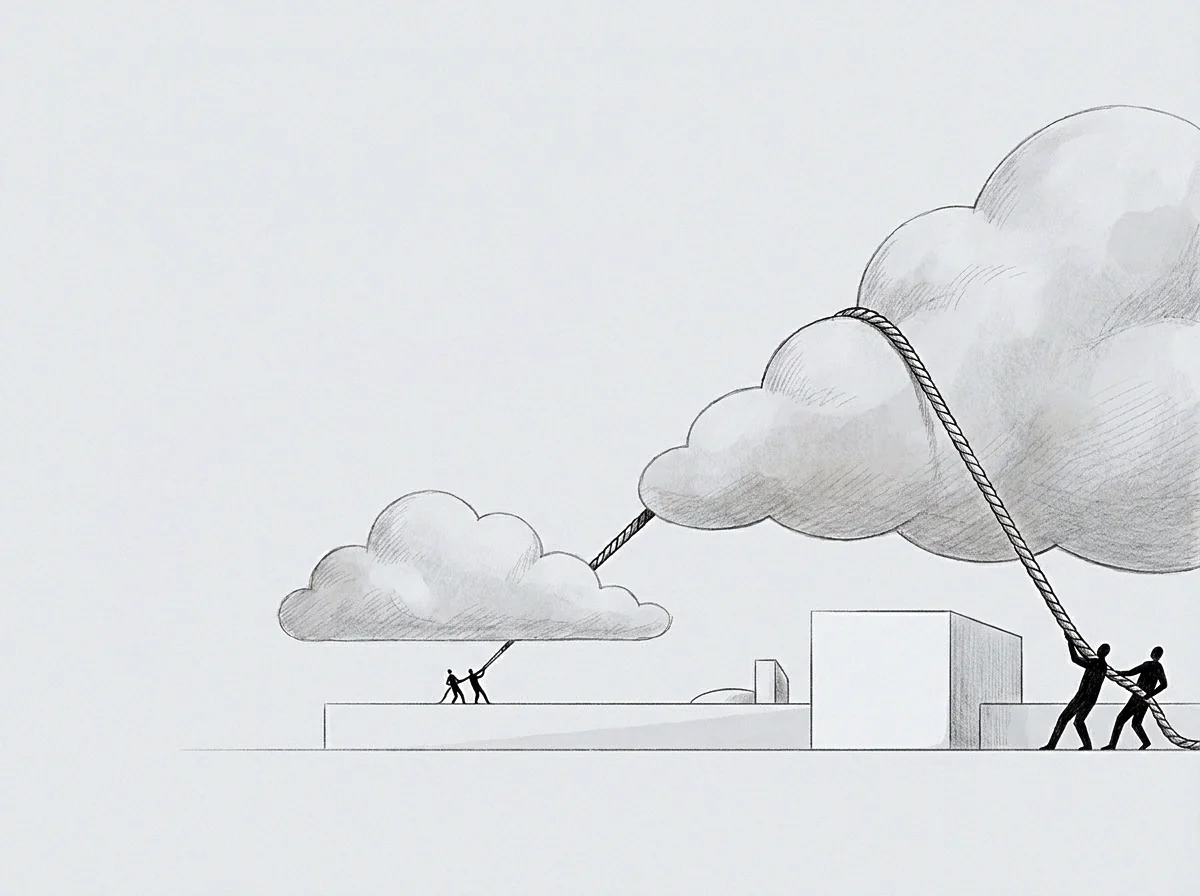
Unresolved commitments held in working memory consume steady glucose and neural bandwidth. Without clear time boundaries, the brain handles unfinished projects as open loops that require ongoing surveillance. Keeping multiple pending obligations active raises allostatic load, degrading executive performance through constant micro-switching.
Cognitive Switching Costs of Ungated Memory
An unfinished task drains attention even when no one is actively working on it. Open loops tie up slots in working memory, pulling directly from prefrontal resources. How much an open loop costs depends on its structure: a deliverable with settled scope, explicit dates, and fixed terms needs little cognitive maintenance, while an ungated project forces the brain into repetitive background checks.
Maintaining open operational threads draws continuously on cerebral glucose reserves.
Working memory releases these occupied slots only when terms or deadlines are resolved.
Carrying four or five open loops at once multiplies context-switching costs. The nervous system remains on alert, reading unresolved messages as pending operational friction. That vigilance prompts ongoing amygdalar signaling to the hypothalamus, sustaining elevated corticosteroid production.
An open communication loop lacking explicit decision criteria maintains active neuroendocrine strain regardless of task urgency.
Systemic strain tracks the number of ungated channels rather than the raw volume of work. Managing twenty projects anchored to fixed weekly review points imposes less physiological load than handling three channels with sporadic, around-the-clock incoming messages.
- Unbounded response windows create constant micro-vigilance, prompting cortisol secretion outside normal diurnal peaks.
- Unassigned decision ownership holds tasks in working memory across several stakeholders without clearing cognitive load.
- Implicit delivery expectations turn passive waiting into active threat monitoring, directly blunting the morning cortisol rise.
- Undefined scope boundaries invite ongoing project expansion, exhausting executive capacity before execution even starts.
Without explicit terms defining when a decision loop concludes, counterparts default to expecting continuous progress updates.
Strobe
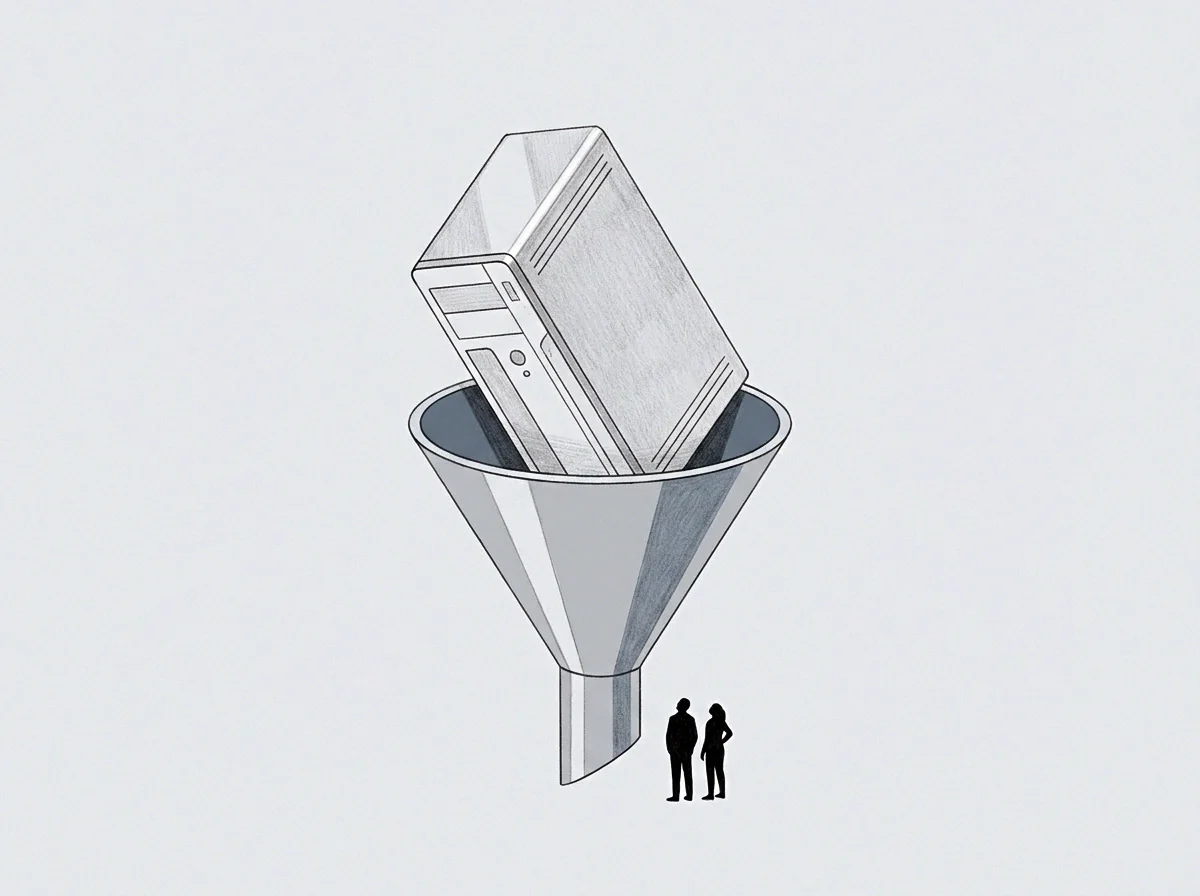
Clinical evaluations frequently mistake neuroendocrine throttling under heavy operational volume for major depressive disorder. Both present with low physical drive, morning lethargy, and blunted affect, but their underlying biology differs. Throttling is an adaptive downregulation of endocrine sensitivity during prolonged strain, whereas primary depression reflects structural dysregulation within monoamine transmission and mood-processing circuits.
Diagnostic Boundaries Between Throttling and Depression
Biological markers distinguish systemic overload from classic psychiatric illness. In major depressive disorder, diurnal cortisol often shows erratic disruptions, yielding chronic hypercortisolemia or flat hypocortisolemia regardless of workload. Patients report a broad loss of goal-oriented motivation, pervasive negative affect, and an internal feeling of helplessness.
An operator facing neuroendocrine throttling from high concurrency retains ambition and clear intent. The bottleneck is metabolic capacity rather than drive: the brain still plans and targets outcomes, but peripheral endocrine systems cannot rally the energy for sustained high-tempo execution. Once open threads are eliminated, a throttled system recovers with a speed rarely seen in clinical depression.
The physiological apparatus continues to carry operational weight.
Over time, baseline endocrine activity resets to this elevated state.
Executive capacity contracts as the metabolic cost of vigilance mounts.
| Criteria | Throttled Operational System | Major Depressive Profile | Acute Operational Stress |
|---|---|---|---|
| Diurnal Cortisol Slope | Flattened with elevated evening nadir | Irregular or blunted baseline | Steeply elevated throughout day |
| Cortisol Awakening Response | Significantly blunted or absent | Variable, often blunted | Elevated peak amplitude |
| Cognitive Thread Capacity | Intact but severely throttled | Impaired executive dysfunction | Temporarily heightened focus |
| Evening Nadir Suppression | Severe loss of evening drop | Moderate circadian shift | Preserved evening decline |
| Systemic Recovery Latency | Rapid upon loop closure | Slow biological delay | Immediate post-task release |
| Data reflects physiological markers measured across occupational and clinical stress literature. | |||
A system running at ceiling protects long term cellular integrity by reducing neuroendocrine responsiveness to incoming demands.
The mechanics of operational load become clear when comparing two senior managers facing identical production quotas. Manager A carries six open operational threads at once, without set communication windows or decision gates. Each incoming message sparks an endocrine spike, keeping cortisol elevated past ten o’clock at night.
After twelve weeks, salivary diagnostics show a flattened diurnal curve, zero morning rise, and badly fragmented sleep.
Manager B oversees the same six workstreams under strict structural boundaries. Messages are handled during two daily blocks, decision thresholds are written down, and evening contact is closed. While Manager B finishes the same workload, batching these cognitive demands lets the hypothalamic-pituitary-adrenal axis quiet down before night.
Salivary panels confirm a steep diurnal slope and a robust morning awakening peak.
Ungated communication channels maintain continuous background demand.
Endocrine rhythms stay suppressed as long as threads remain unresolved.
Capping active operational loops at two restores the morning cortisol slope within three physiological cycles.

Gasp
Rebuilding a normal circadian curve requires converting loose operational loops into bounded agreements. Cortisol cannot settle into its natural rhythm while the brain expects unpredictable incoming interruptions. Gating sets definite perimeters around projects, replacing continuous physiological alert with distinct execution intervals.
Is prolonged thread concurrency reversible through structural gating?
The diurnal curve recovers as adrenal receptors regain sensitivity after open loops are cut back. Endocrine pathways show substantial plasticity when given extended resting intervals. Closing open threads strips away chronic hypothalamic stimulation, allowing corticotropin-releasing hormone levels to normalize and restoring anterior pituitary sensitivity to circulating signals.
Endocrine recovery depends on resolving open commitments rather than resting between them.
Ambiguity around response times drives continuous sympathetic tone.
The operator caps incoming operational demands to allow receptor sensitivity to return.
- Audit active communication channels and consolidate related updates into a single weekly decision node.
- Set unambiguous scope boundaries on deliverables to stop background surveillance.
- Assign firm dates to incoming requests, shifting pending tasks out of working memory.
- Establish explicit availability terms with partners, silencing notifications outside scheduled hours.
Adrenal glands resume normal morning cortisol surges only when the neural perception of constant threat subsides.
Structural gates lower background sympathetic tone. Exchanging constant availability for clear operating windows relieves the nervous system of continuous surveillance. This allows the adrenal cortex to reduce steroid output in the evening and replenish cholesterol reserves for the morning surge.
A task without a firm closure date drains executive capacity as if it were being executed in real time.
Vault
Protecting long-term endocrine health requires guarding physiological reserves during multi-year operating stretches. The regulatory system easily absorbs short spikes of intense workload if structural breaks permit an endocrine reset. In contrast, years of ungated concurrency force profound biological adaptations, shifting baseline receptor density across the central nervous system.

Adrenal Sensitivity and Systemic Resensitization
Glucocorticoid receptors in the hippocampus and anterior pituitary take time to upregulate after prolonged hormone exposure. Chronic hypercortisolemia degrades CA1 pyramidal neurons in the hippocampus, weakening the negative feedback loop that shuts down HPA activation. Reversing that shift takes months of steady circadian alignment alongside strict operational boundaries.
This receptor downregulation resets baseline neural sensitivity across the entire axis.
Without negative feedback, the adrenal cortex continues secreting glucocorticoids without interruption.
The exact timeline for full endocrine recovery following years of heavy operational concurrency is not fully established. Clinical studies show that while diurnal rhythmicity begins to normalize within weeks of closing open loops, upregulating hippocampal glucocorticoid receptors can take six to twelve months of low-concurrency work. Enforcing thread caps to preserve daily capacity remains the most dependable safeguard for long-term cognitive and metabolic function.
Whether the hypothalamic-pituitary-adrenal axis ever fully recovers its initial baseline after years of chronic operational concurrency remains an open question in biological research.