
Autonomic Tone Modulation During Domestic Co Presence After Prolonged Isolation
Solitary focus shifts the central nervous system to high sympathetic tone, causing domestic co-presence to initially register as an unexpected sensory load.
Hearth
Working alone at a desk for months changes the body’s threshold for interruption. An unexpected step in the hallway triggers an immediate spike in heart rate, even when the environment is completely safe. Long stretches of solitary focus force the central nervous system to run continuous background surveillance, budgeting energy against the possibility of sudden change.
Visceral Responses to Unannounced Movement
During extended periods of isolation, the autonomic nervous system increases sympathetic output to make up for the absence of external co-regulatory cues. Without a companion nearby to share the load of environmental monitoring, the individual manages threat detection alone. Over time, this state alters resting muscle tone, heart rate variability, and breathing patterns.
When someone enters the room, the sudden sound and movement hit a neural system already primed for vigilance.
Shifting from isolation back into a shared environment produces a distinct physiological lag. Brainstem circuits process physical proximity through sensory pathways long before conscious thought evaluates the scene, because prolonged isolation heightens sensory gain.
When external co-regulatory cues are absent for extended durations, the central nervous system maintains continuous elevated sympathetic tone to manage environmental risk.
Sharing space forces the brain to reallocate its predictive resources. In isolation, an unfamiliar sound signals a potential disruption to work or safety; in a shared home, most noise is routine. The physiological friction of adjusting between these two states falls directly on the person who has spent months regulating in isolation.
A companion walking through the kitchen may wonder why a quiet step causes a sudden, startled turn of the head.
Vigilance
Months of uninterrupted cognitive work reset the baseline of the central autonomic network. The autonomic nervous system balances sympathetic mobilization for defense or effort against parasympathetic activity for metabolic repair and rest. Sustained isolation consistently pulls that balance toward sympathetic alertness.
Physiological Shift under Social Baseline Theory
In prolonged isolation, the brain relies entirely on its own senses to evaluate risk. Social baseline theory suggests that human physiology functions most efficiently in the company of familiar, predictable conspecifics. Beside a reliable partner, the nervous system offloads part of its environmental scanning to the room, reducing resting heart rate and curbing cortisol production.
- Sympathetic Elevation maintains vasoconstriction and heightened muscle tension during routine non-threatening household activities.
- Vagal Withdrawal reduces cardiac vagal brake activity, preventing rapid parasympathetic recovery after unexpected noises.
- Sensory Amplification heightens acoustic and visual sensitivity, causing ordinary movements to trigger acute startle responses.
- Metabolic Depletion increases overall allostatic load as the body spends excessive glucose to sustain continuous physiological alertness.
Sustaining this heightened autonomic tone burns glycogen reserves and prevents deeper cycles of restorative sleep. When co-habitation resumes, the nervous system cannot immediately release its defensive posture.

How Does Proximity Reduce Neural Metabolic Load?
Passive co-presence acts as a buffer, lowering sympathetic nerve activation during ordinary environmental monitoring. Brain imaging and autonomic data show that the physical presence of a familiar person dampens reactivity in the anterior cingulate cortex and hypothalamus during periods of anticipation. This energy savings depends on how predictable the other person appears.
If a partner moves unpredictably or demands immediate interaction, metabolic demand goes up instead of down. Extended solitary focus recalibrates autonomic output, causing the partner’s presence to register as an additional sensory demand rather than a stabilizing baseline.
Prolonged isolation steadily suppresses cardiac vagal tone, limiting the capacity for rapid physiological recovery without social input.
Unannounced domestic entries trigger defensive autonomic reflexes when the baseline sensory threshold remains elevated.
Treating this autonomic surge as an interpersonal conflict reinforces the body’s need to stay on the defensive.
Interception
A person returning from intense solitary focus often registers neutral household events as urgent operational demands. During this transition, the autonomic nervous system struggles to separate physical risk from ordinary domestic activity before sensory filters can readjust.
Allostatic Throttling and Sensory Sensitivity
Sustained cognitive strain elevates baseline cortisol and sympathetic tone. This allostatic adaptation shields core focus during isolation by dampening responsiveness to subtle emotional cues while sharpening reactions to abrupt changes in the surroundings.
Sudden domestic sounds provoke an acute autonomic response, and the transition into shared space follows a consistent sequence:
- Immediate sympathetic spike upon initial physical contact or shared room occupancy.
- Cognitive appraisal lag where the prefrontal cortex attempts to override the visceral defense reaction.
- Behavioral withdrawal or somatic stiffness as the individual attempts to suppress visible startle reactions.
- Sustained autonomic elevation lasting twenty to sixty minutes after the initial domestic interaction ends.
- Gradual parasympathetic rebound occurring only after complete cessation of auditory and visual cues from the housemate.
The time required for this recalibration depends on how long the preceding isolation lasted and the volume of cognitive load sustained throughout it. Laboratory assessments show that individuals coming off demanding solitary shifts take up to three times longer to return to baseline heart rate variability in an environment with variable background noise.
Sharp noises such as dropped keys, rattling dishes, or closing latches repeatedly restart the recovery cycle. The physical arrangement of a domestic workspace plays a direct role in this physiological reset. Setting a desk to face the entrance reduces startle reflexes by keeping the doorway in plain view.
Consistent, undemanding physical proximity gradually lowers baseline sympathetic drive.
A partner entering a room quietly causes an immediate spike in heart rate even when no conflict exists.
When the nervous system treats movement as an impending disruption, baseline metabolic expenditure rises to match the perceived demand.
Whether autonomic tone can fully settle without regular, low-demand physical co-presence remains an open empirical question.
Table
Moving from solitary autonomic conservation to shared domestic regulation requires tracking distinct physiological markers across both environments. The table below outlines key autonomic parameters contrasting an isolated, high-load operational state with a shared domestic baseline.
| Autonomic Marker | Solitary Isolation State | Shared Domestic Baseline State | Physiological Impact |
|---|---|---|---|
| Sympathetic Drive | Continuously Elevated | Modulated / Baseline | Controls resting metabolic expenditure and smooth muscle tension |
| Heart Rate Variability | Low High-Frequency Power | High High-Frequency Power | Reflects parasympathetic vagal control and emotional flexibility |
| Sensory Processing Gain | Amplified / Threat-Oriented | Filtered / Contextual | Determines acoustic and visual startle response thresholds |
| Co-Regulatory Receptor Slot | Closed / Inactive | Open / Active | Governs the ability to absorb calm from a stable conspecific |
Comparative Autonomic States in Domestic Transitions
Comparing isolated concentration with co-present quiet reveals distinctly different metabolic demands. In isolation, elevated sympathetic drive runs without the regulating buffer of a social baseline. Returning to a shared home requires the central nervous system to gradually recalibrate how it processes neutral background noise.
Shared quiet gradually restores co-regulatory receptivity, giving the nervous system time to update its environmental baseline.
The presence of a non-evaluative baseline alters the rate of parasympathetic recovery after acute cognitive stress.
Adaptation
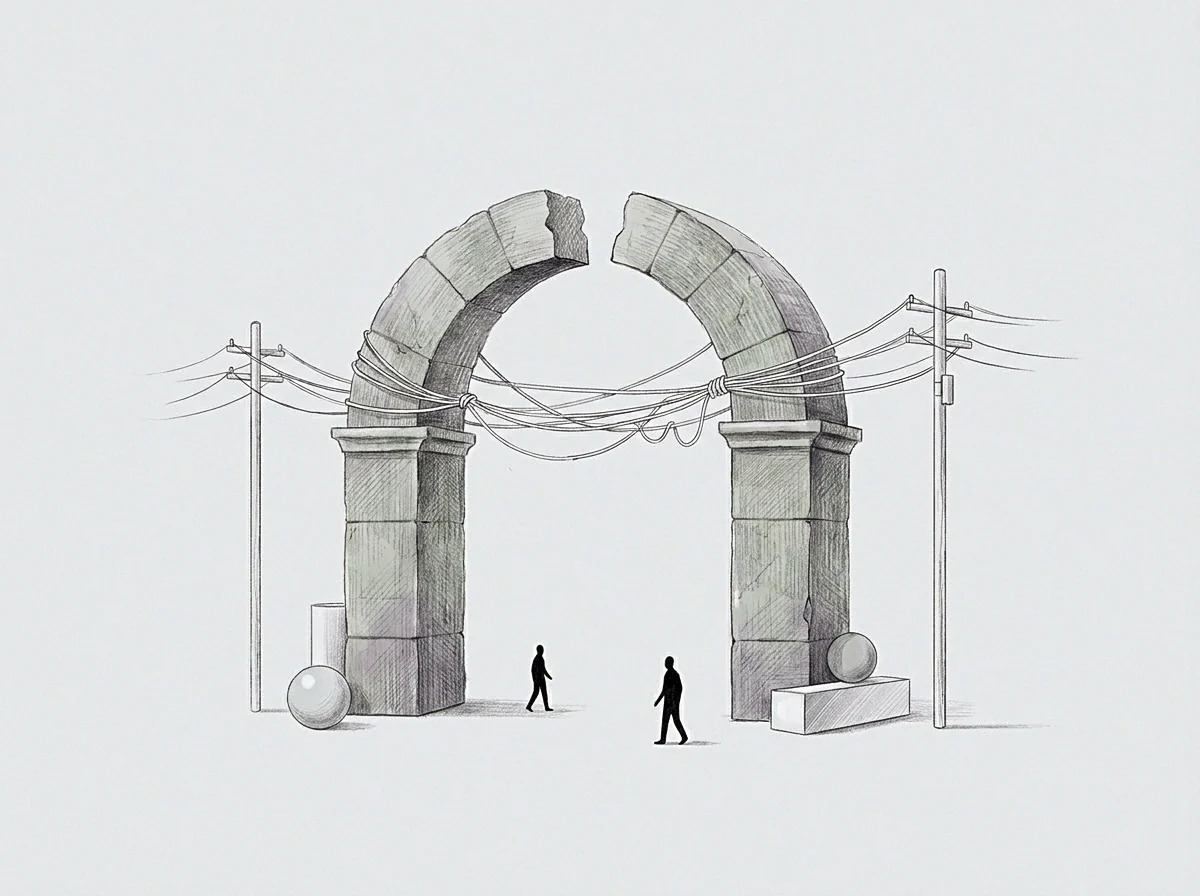
Shifting an autonomic baseline built during solitary work requires repeated, quiet exposure to safe domestic proximity. Understanding intellectually that a companion is not a threat does not convince the subcortical circuits governing autonomic tone. Consistent, low-demand physical presence is what recalibrates those systems over time.
Establishing Shared Regulation Protocol
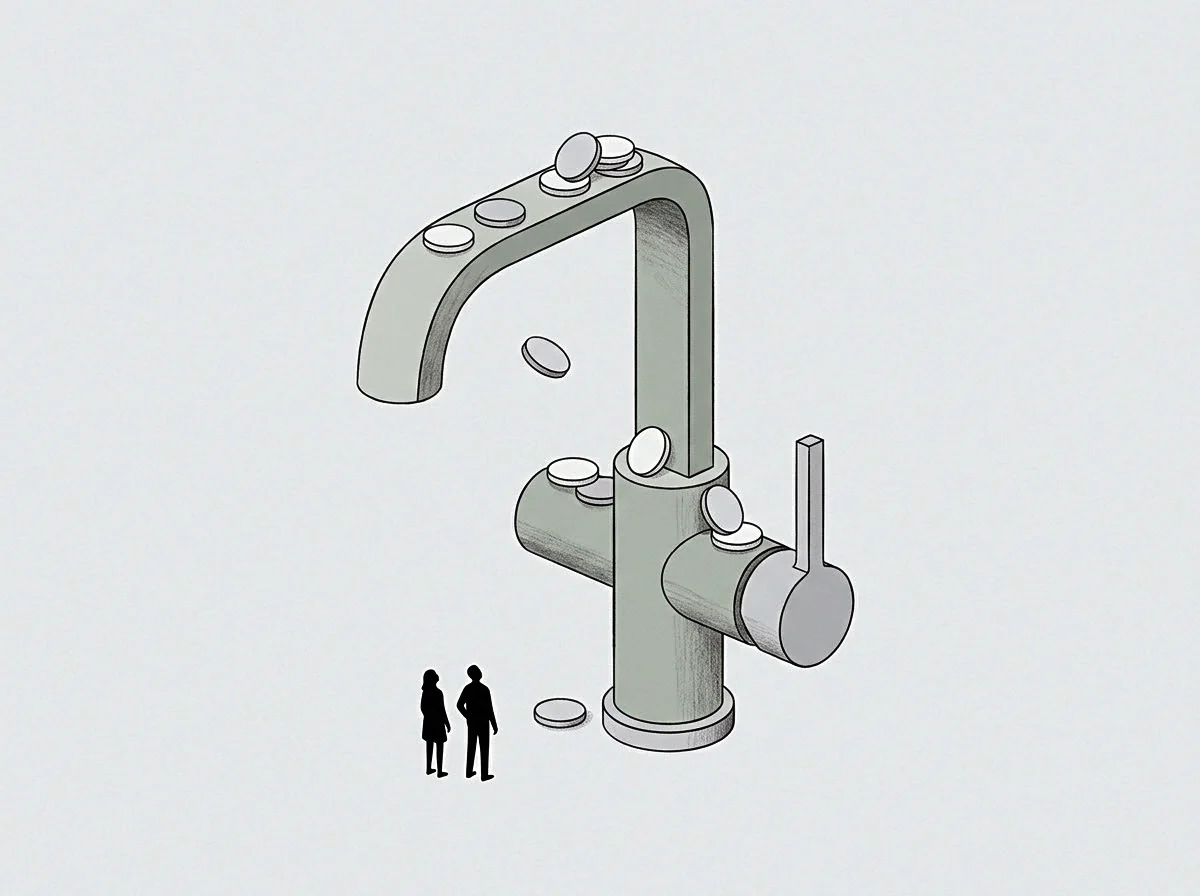
Restoring receptive autonomic tone works best through low-demand proximity that does not require immediate conversation. Sharing a room while reading or working on parallel, independent tasks lets the nervous system register safe social cues without spending energy on complex interaction.
When two people share a room without conversational demands, ventral vagal activity increases and sympathetic tone drops. This steady rise in vagal tone improves heart rate variability and eases resting muscle tension.
Misinterpreting passive domestic proximity as a cognitive demand maintains high baseline cortisol and prevents autonomic recovery.
A companion who remains steady and predictable acts as a physiological anchor. Co-regulation works through physiological resonance, where the calmer autonomic state offers a stable pattern that the elevated system gradually mirrors.
Over several weeks of consistent, unpressured co-presence, the brain revises its environmental model, reducing the autonomic shock of entering shared space.
Physical stillness in a shared space calms a hypervigilant nervous system faster than verbal reassurance.