
Endocrine Lag Schedules Following Corporate Officer Liability Decoupling
Endocrine lag occurs when neuroendocrine threat responses persist for months after legal contracts formally sever corporate officer fiduciary liability.
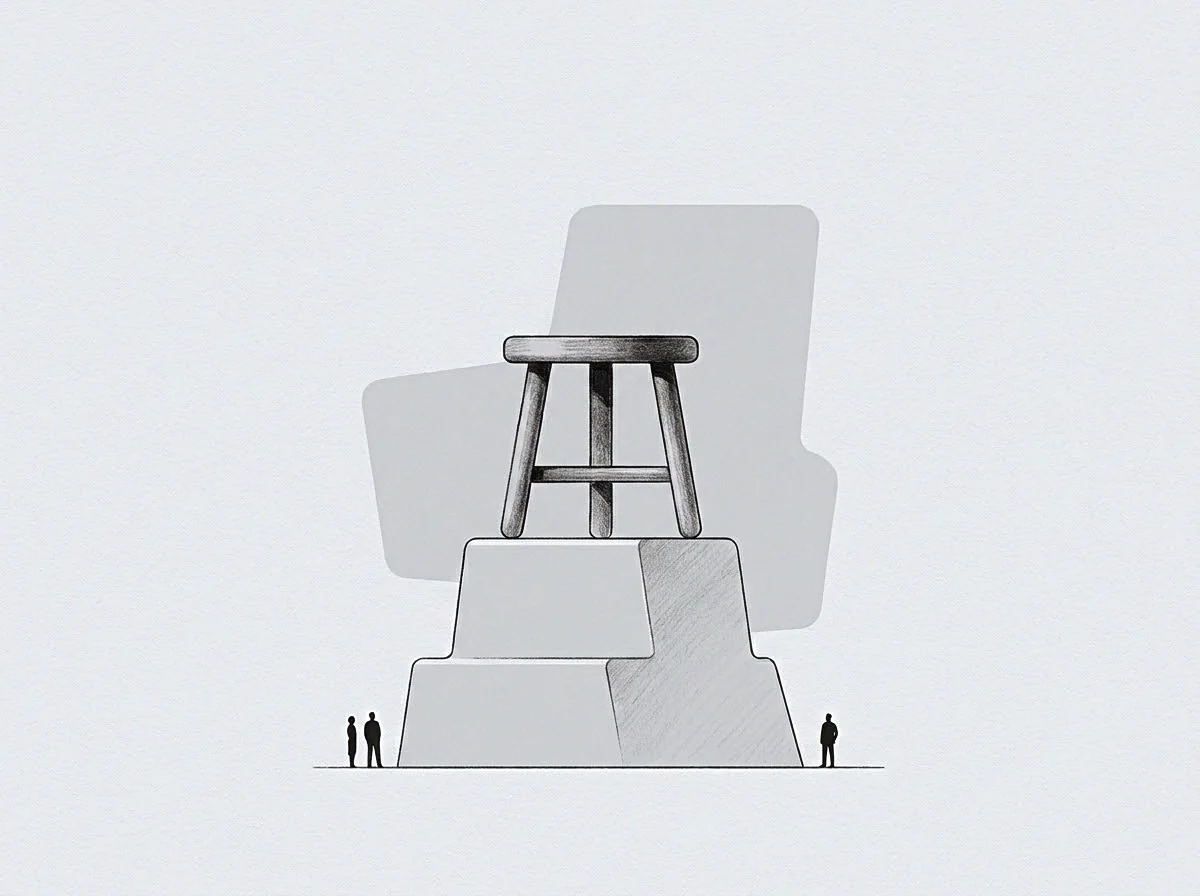
Room
The signature sits on the release agreement at four in the afternoon. Counsel closes the binder, slides the duplicate across the table, and leaves the conference space. The legal instrument terminates personal indemnification claims, extinguishes officer liability for prior operational debt, and severs signatory exposure under corporate governance statutes.
On paper, exposure ends at the moment of mutual execution. In the body of the former corporate officer, nothing changes that afternoon.
The arterial pressure stays elevated through midnight. Heart rate variability remains depressed, holding the rigid pattern characteristic of acute litigation or insolvency defense. Salivary free cortisol measured upon waking the next morning matches readings taken during active regulatory inspection.
The biological apparatus of self-preservation operates on tissue half-lives, neural reuptake intervals, and somatic conditioning rather than contractual effective dates.
A contract alters legal accountability in one second while somatic stabilization runs on biological decay schedules.
Decoupling an officer from corporate liability removes external catastrophic exposure. It does not instantly down-regulate chronic allostatic load. The endocrine system operates as a slow-moving hydraulic buffer.
The pituitary-adrenal loop accumulated months of continuous activation while the corporate entity faced existential balance-sheet failure. Cortisol secretion curves, sympathetic tone, and peripheral vascular resistance continue executing a defensive posture because biological substrates require clearance intervals that contracts cannot accelerate.
Sleep architecture demonstrates this persistence directly. Polysomnography during the initial weeks following liability severance shows fragmented stage three slow-wave sleep and recurring micro-arousals. The nervous system scans for nocturnal crisis pings even when the corporate device is powered down in a desk drawer.
The brain interprets decades of evolutionary threat conditioning through modern administrative and financial ruin. Consequently, physical restoration stalls.
The operational environment changes overnight while internal regulatory mechanisms run their predetermined deceleration curves. The person sits at home without legal vulnerability yet experiences the visceral surge of emergency incoming demand whenever the telephone rings. This slot in the neural registry remains occupied.
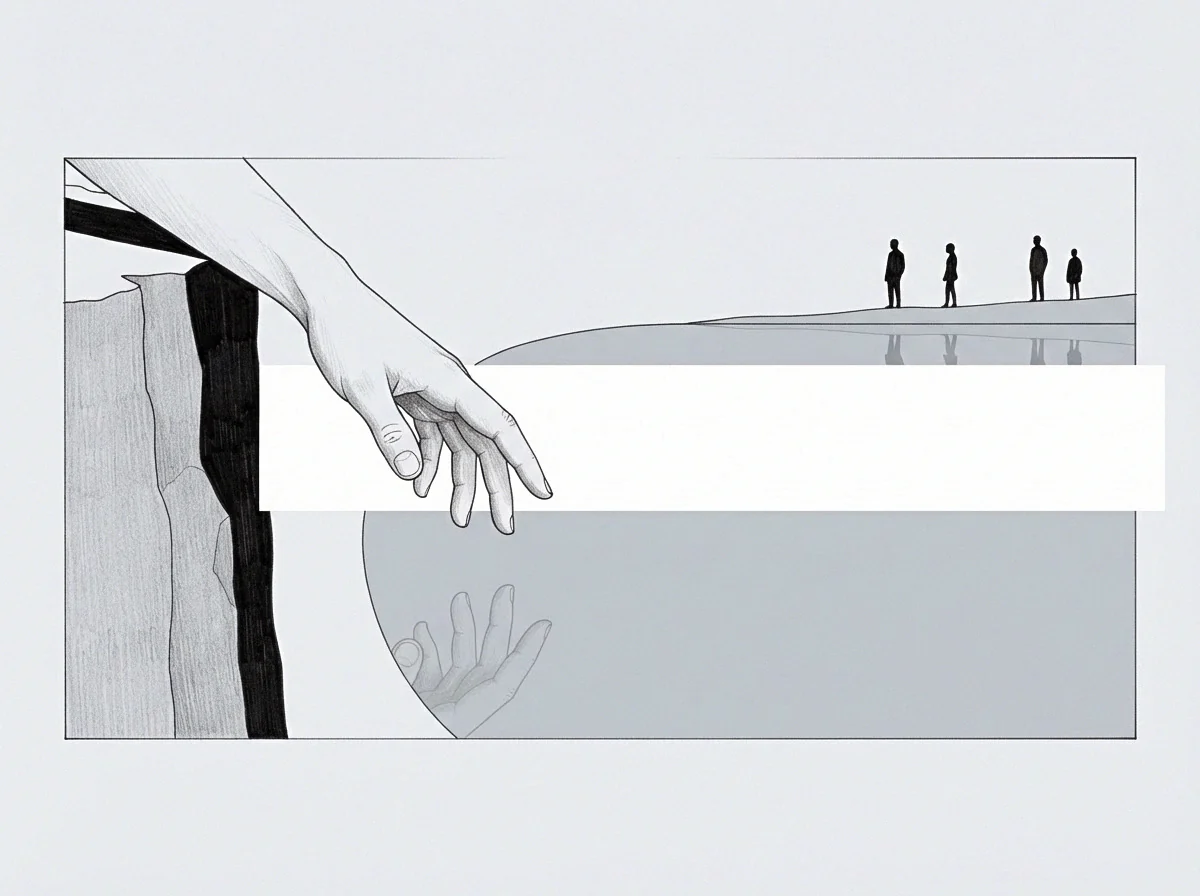
Shield
Personal liability in corporate leadership creates sustained high-stake threat anticipation. Officers face statutory duties where administrative missteps bring personal civil or criminal exposure. When corporate recapitalization, insolvency proceedings, or negotiated resignations occur, liability decoupling functions as a formal protective barrier.
Directors and officers liability insurance tail policies, releases of claims, and formal board exonerations establish this boundary.
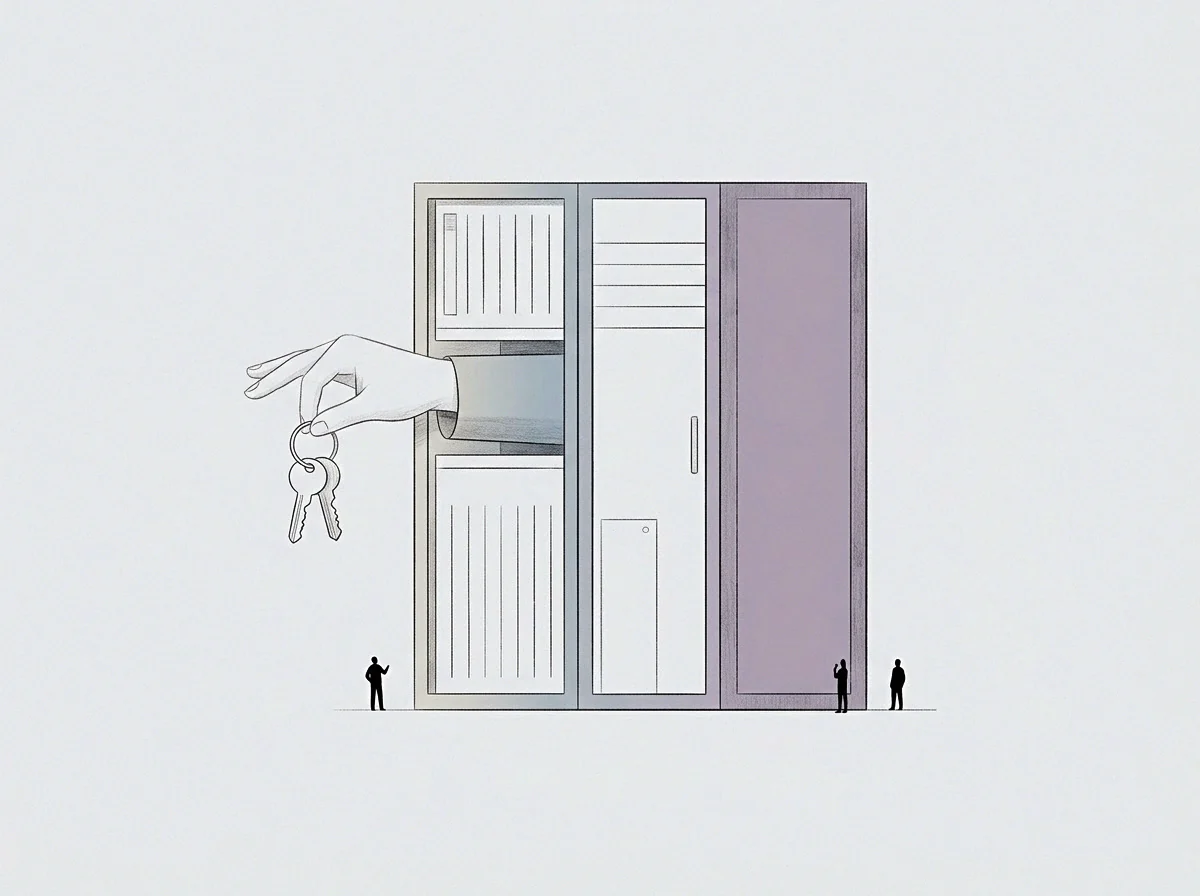
Which Biological Markers Follow Liability Decoupling?
Somatic parameters decouple along distinct temporal tracks. Adrenal outputs do not fall immediately upon contract execution. Glucocorticoids decline across a protracted descent curve.
The biological system requires repetitive non-threat feedback cycles before down-regulating the neuroendocrine response.
| Dimension | Acute Liability Phase | Decoupled Day Thirty | Decoupled Day One Hundred Twenty |
|---|---|---|---|
| Adrenal Output | Elevated diurnal cortisol flatline | Erratic morning awakening response | Restored circadian rhythmicity |
| Vagal Tone | Low root-mean-square successive difference | Variable autonomic recovery | Stabilized parasympathetic brake |
| Attention Bandwidth | High threat scanning across open loops | Compulsive archive verification | Reallocated cognitive capacity |
| Legal Vulnerability | Direct personal exposure | Fully decoupled by indemnification | Extinguished statutory exposure |
The table maps the mechanical gap between the legal severance of threat and neuroendocrine baseline recovery. While formal statutory exposure terminates immediately, the root-mean-square of successive differences in heartbeats takes months to re-establish healthy variability. Autonomic regulation cannot switch states instantaneously.
The nervous system demands protracted absence of shock to drop its baseline alarm.
The decoupling instrument alters the objective balance sheet. It leaves the physiological threat apparatus running at full capacity until cellular turn-over and receptor normalization conclude their cycles.
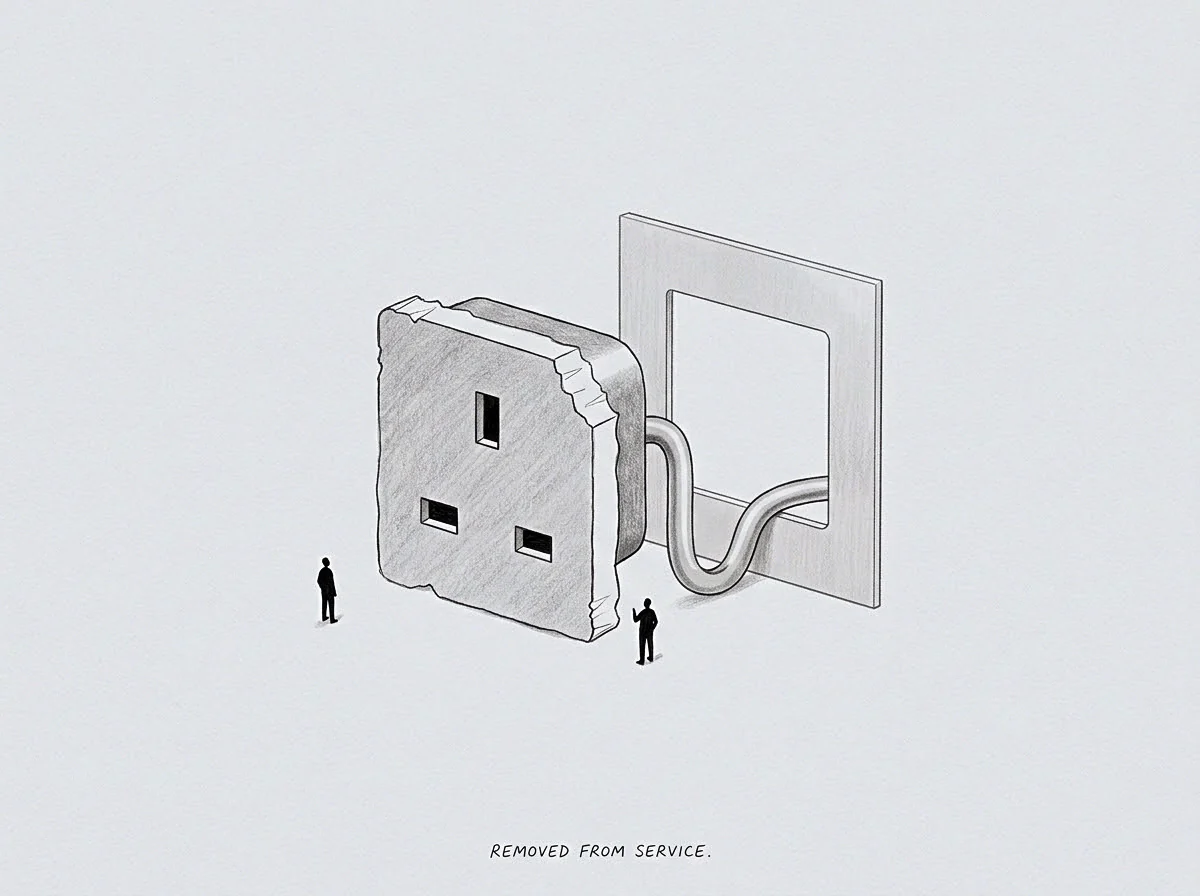
Trace
The residual strain of liability exposure leaves biological and cognitive footprints that outlive corporate affiliations. Cellular transcription responds to sustained circulating catecholamines by altering inflammatory gene profiles. Leukocyte expression profiles shift toward pro-inflammatory cascades during prolonged periods of company insolvency or existential board disputes.
When the legal release arrives, circulating cytokine volumes persist for weeks.
A physical regulatory system accustomed to systemic threat treats sudden peace as an analytical error.
Consider an officer who steered a logistics company through twenty months of contested debt restructuring. Assume the individual held personal guarantees on equipment leases totaling five million dollars. During those twenty months, the individual operated with four ungated litigation threats continuously running in working memory.
When private equity sponsors buy out the debt, they provide full corporate indemnification and release all personal guarantees. The legal relief is absolute.
The individual wakes at three in the morning throughout the following quarter. The stomach clenches before cognitive realization occurs. The digestive tract reacts to phantom default notices before the conscious cortex recalls the existence of the executed settlement.
The gut-brain axis operates on deeply established visceral circuits. It ignores corporate filing receipts.
Attention behaves in an identical fashion. The cognitive apparatus seeks threat signals to justify its internal metabolic burn rate. Deprived of board disputes, it scans domestic finances or trivial operational matters for catastrophic risks.
The regulatory system was calibrated for structural survival. It cannot accept low-stakes operational reality without an extensive recalibration window.
The former officer experiences profound exhaustion alongside internal agitation. This physiological state reflects systemic throttling. The neuroendocrine apparatus is running against empty fuel stores while the adrenal accelerator remains mechanically stuck down.

Dial
Calibrating post-liability recovery requires managing the inflow of stimulus. The nervous system lacks an internal clock that reads calendars. It relies on the absolute frequency of incoming interruptions to determine whether the environment remains hostile.
Each unexpected message or unscheduled call resets the internal alarm schedule.
- Structural Silence provides forty-eight continuous hours without electronic communication devices to allow autonomic stabilization.
- Gated Verification limits the review of legacy corporate archives or correspondence to a single weekly thirty-minute window.
- Physical Demarcation removes legal binders, settlement paperwork, and corporate hardware from personal living spaces entirely.
Adhering to these structural boundaries prevents false restarts of the neuroendocrine threat cycle. When an executive steps down from a distressed enterprise, incoming inquiries from legacy staff, auditors, or successors frequently puncture the perimeter. Each ping triggers an immediate noradrenaline discharge, halting the slow descent of baseline cortisol.
Baseline cortisol curves normalize only after the total count of incoming threat pings drops to zero.
Resting heart rate serves as an objective index of recovery. When the officer remains trapped in endocrine lag, resting pulse rates stay ten to fifteen beats above historical baselines. Peripheral vasoconstriction persists, resulting in cold extremities even in warm rooms.
These observable markers confirm that the body has not accepted the legal reality of safety.
Down-regulation accelerates when the individual constructs an unyielding buffer between themselves and the residual corporate estate. The legal contract detached statutory accountability. Physical boundaries detach physiological accountability.
Release
The final phase of endocrine lag resolution involves the gradual reclamation of spare biological capacity. When chronic stress hormones clear peripheral tissues, metabolic priorities shift from catabolic breakdown toward cellular repair. Tissues rebuild glycogen stores, central sleep spindles lengthen, and the hypervigilant focus on existential corporate risk recedes.
Energy returns unevenly. An individual may experience two days of normal motivation followed by three days of acute somatic fatigue. The adrenal axis, exhausted by months of unnatural demand, struggles to meet routine operational requirements once the synthetic urgency of survival evaporates.
This temporary dip reflects endocrine exhaustion rather than emotional withdrawal.
The individual gradually recovers genuine cognitive headroom. The mental bandwidth previously occupied by contingent insolvency penalties, fiduciary exposure, and board governance battles becomes available for unconstrained thought. The recovery of this bandwidth follows biological reality, not executive decree.
The legal shield protects the estate, and biological deceleration preserves the operator.
The final confirmation of complete decoupling occurs during an unexpected disruption. A letter arrives from an attorney or a sudden corporate announcement surfaces. The individual reads the text without a surge in pulse, without gastric contraction, and without nocturnal rumination.
The somatic threat circuit has finally closed.
The release agreement protects the assets, while physiological time restores the person who signed it.