
Epigenetic FKBP5 Methylation Shifts in Central Hypothalamic Circuits Under Continuous Un-Gated Operational Stress
Continuous operational stress demethylates FKBP5, over-producing the co-chaperone, blocking hypothalamic cortisol sensing, and disabling endocrine feedback.
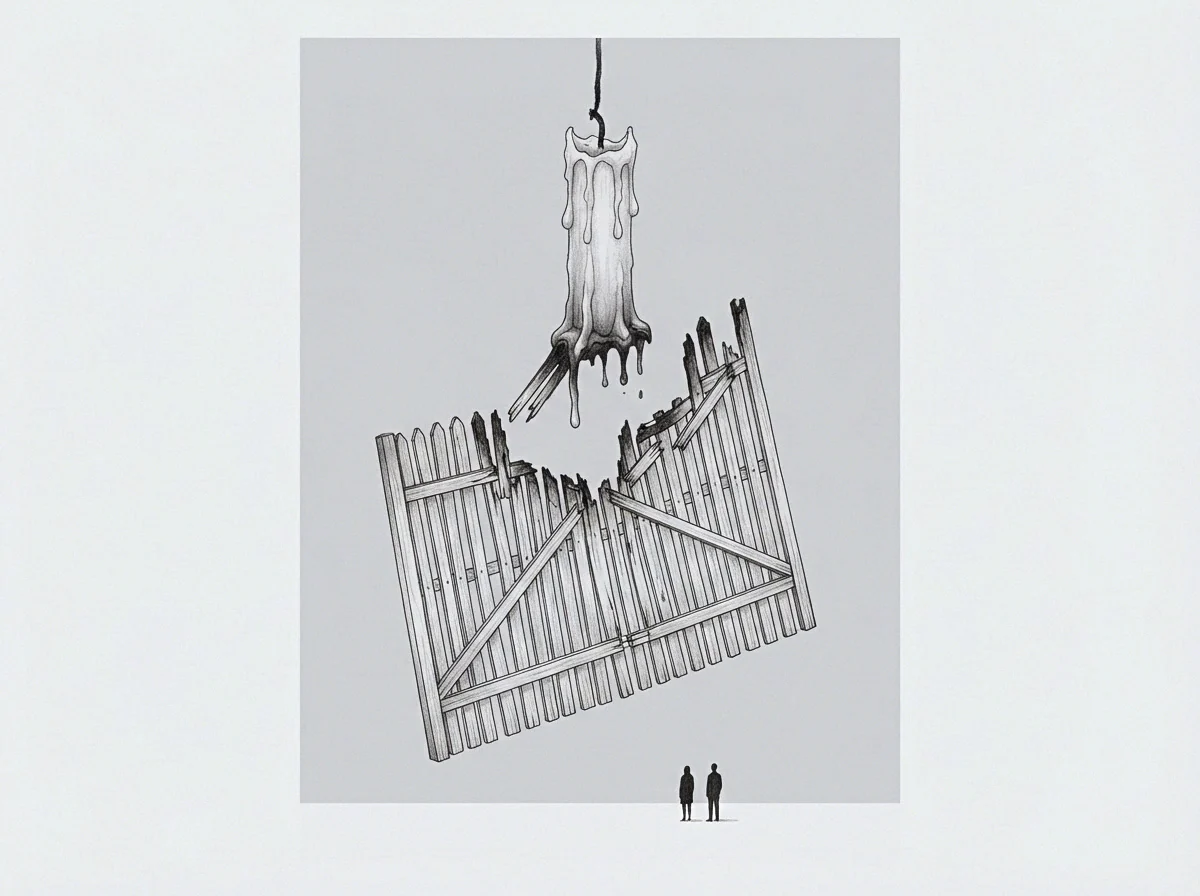
Valve
Stress signaling inside hypothalamic neurons relies on an intracellular control loop that limits how long endocrine arousal lasts. When circulating glucocorticoids cross the blood-brain barrier, cortisol enters the cytoplasm and binds the glucocorticoid receptor inside the paraventricular nucleus of the hypothalamus. In its resting state, this receptor sits within a multi-protein chaperone complex assembled around heat shock protein 90 and FK506 binding protein 51, which is encoded by the FKBP5 gene.
Ligand binding releases the inhibitory chaperones, freeing the receptor complex to enter the cell nucleus and direct the transcription of target genes that restore homeostasis.
Once inside the nucleus, glucocorticoid receptors bind directly to glucocorticoid response elements in the FKBP5 locus, driving the synthesis of fresh FKBP5 protein. This co-chaperone displaces alternative immunophilins from cytosolic heat shock protein complexes, binds glucocorticoid receptors directly, and reduces their affinity for circulating ligand by a factor of ten. As nuclear translocation slows, the intracellular receptor loses sensitivity to glucocorticoids, shutting down its own transcriptional activity.
The co-chaperone reduces nuclear entry only while glucocorticoid receptors remain sensitive to circulating hormone.
Under acute demands, this ultra-short negative feedback loop preserves cellular stability by cutting off receptor activation before runaway transcription alters the metabolic state of the neuron. The paraventricular nucleus relies on this protein brake to calibrate the release of corticotropin-releasing hormone, shielding pituitary and adrenal targets from unceasing stimulation. Basal tone returns once circulating steroids clear through hepatic metabolism and uptake across peripheral tissues.
During an acute challenge, the entire cycle runs its course within hours, leaving receptor sensitivity intact for whatever follows.
The daily demands on a founder or lead operator rarely follow this transient pattern. When operational inputs arrive without schedule, triage, or temporal boundaries, the paraventricular circuit faces relentless glucocorticoid receptor activation. Unclosed contracts, cash burn projections, and continuous asynchronous messages keep the hypothalamic-pituitary-adrenal axis engaged through all working hours.
Because the system never reaches the hormonal trough needed to reset receptor sensitivity, this intracellular control loop shifts from an adaptive reset instrument into a site of sustained molecular wear.
When steroid exposure continues across consecutive cycles, temporary transcriptional bursts harden into structural changes within chromatin architecture. The regulatory machinery functions as intended only when incoming signals remain pulsatile and separated by genuine recovery intervals.
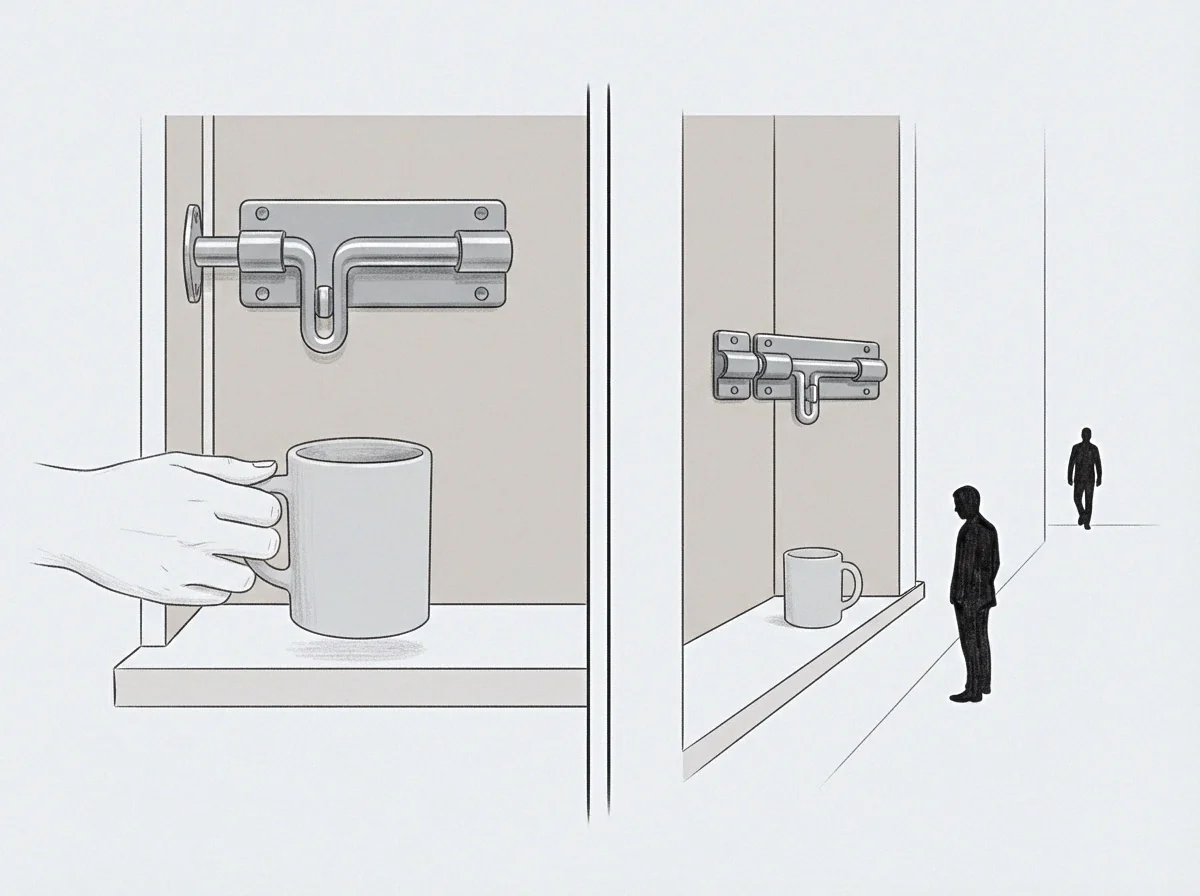
Imprint
Prolonged endocrine activation alters the physical structure of DNA across regulatory regions of the hypothalamic genome. Non-coding segments in intron two and intron seven of the FKBP5 gene contain clusters of hormone response sequences paired with cytosine-phosphate-guanine dinucleotide sites. In unpressured tissue, these sites carry methyl groups that physically block transcription factors and keep chromatin condensed and inactive.
Repeated glucocorticoid receptor occupancy recruits chromatin-remodeling enzymes and ten-eleven translocation methylcytosine dioxygenases, which strip methyl marks from intron seven and leave chromatin open at the locus.
Stripped of these methyl groups, chromatin around the glucocorticoid response elements remains accessible, giving transcriptional machinery unrestricted access regardless of systemic hormone concentrations. Even baseline cortisol levels then trigger massive, disproportionate surges of FKBP5 expression. The co-chaperone accumulates in the cytoplasm of paraventricular neurons, displacing competing regulatory proteins and insulating glucocorticoid receptors from circulating hormone.
| Parameter | Gated Operational State | Continuous Un-Gated Stress |
|---|---|---|
| Intron 7 CpG Methylation | Preserved high density above 70 percent | Site-specific demethylation below 35 percent |
| Chromatin Accessibility | Condensation blocks non-peak transcription | Constitutively open at response elements |
| Receptor Translocation Rate | Rapid entry during acute challenge | Retarded nuclear import across all hours |
| PVN Negative Feedback | Intact suppression of release drive | Impaired local inhibition of systemic axis |
| Operational Signal Cost | Transient cognitive fatigue clearing on rest | Persistent autonomic arousal during quiet hours |
This epigenetic shift uncouples cellular protein synthesis from immediate environmental demand. Peripheral blood analyses of humans under prolonged adversity show that methylation loss at intron seven correlates directly with heightened sensitivity at the FKBP5 promoter, producing elevated quantities of protein from identical glucocorticoid inputs. Hypothalamic tissue shows the same molecular pattern in continuous-stress laboratory models.
The cellular brake becomes hyper-expressed, leaving the receptor unable to register the hormone released to quiet the system.
Continuous exposure to un-gated signals strips methyl groups from intron seven and locks transcription in an active state.
Operating without communication gates triggers this cascade through repeated micro-arousals. Late-evening notifications, unresolved vendor disputes, and ambiguous equity discussions each provoke uncoordinated pulses of adrenal steroids. Because the hypothalamic circuit gets no operational downtime, maintenance methyltransferases never replace the methyl groups lost during these activations.
The operator may appear functional from the outside, but the central circuit has lost the physical capacity to respond to its own regulatory hormones.
Operators frequently mistake this biological desensitization for personal decay, trying to counter the loss of hypothalamic feedback with willpower. That effort only drives glucocorticoid levels higher, accelerating demethylation across newly opened regulatory sites.

Drag
Hypothalamic insensitivity breaks down negative feedback across the broader hypothalamic-pituitary-adrenal axis. When excessive FKBP5 prevents the paraventricular nucleus from tracking circulating cortisol, the brain acts as though peripheral hormone concentrations are insufficient. As feedback fails, the hypothalamus continues releasing corticotropin-releasing hormone and vasopressin into the hypophyseal portal system.
Unchecked adrenocorticotropic hormone release from the pituitary then directs the adrenal cortices to pump additional glucocorticoids into circulation.

Where Glucocorticoid Sensitivity Ceases First?
Receptor failure hits paraventricular neuroendocrine neurons long before it affects peripheral metabolic tissues. Glucocorticoid signaling in the liver, vasculature, and visceral adipose tissue remains comparatively intact or desensitizes far more slowly, exposing peripheral organs to sustained steroid concentrations while the brain operates as if steroid-deprived. This mismatch creates central glucocorticoid resistance alongside peripheral steroid overload.
The operator develops visceral adiposity, vascular stiffness, and fragmented sleep while hypothalamic centers continue demanding higher hormonal output.
Cognitive function reflects this endocrine imbalance through specific operational bottlenecks:
- Working memory fragmentation diminishes sequential problem-solving capacity, making simple prioritization take four times longer than baseline.
- Attentional switching friction forces the prefrontal cortex to expend excessive glycogen stores to redirect focus away from background operational threats.
- Affective blunting reduces the capacity to evaluate strategic opportunities, leading to risk aversion on standard commercial terms.
- Autonomic recovery failure maintains elevated heart rate variability suppression across sleep cycles, preventing tissue restoration.
An operator managing five open, un-gated operational threads can deplete executive capacity before noon as regulatory attention runs dry. Every unresolved decision functions as an active loop in neuroendocrine circuitry, consuming central headroom while uncapped threads compound throughout the day. The operator experiences this as cognitive throttling: routine administrative tasks still get completed, while self-directed strategic initiative stops entirely.
The operator answers messages past midnight while the hypothalamic circuit loses its baseline reference point.
Observers often classify an executive in this state as depressed, recommending therapeutic reflection or mood interventions. That interpretation misses the mechanism: this is an allostatic response to continuous, un-gated load that has physically altered chromatin accessibility in the central nervous system. As sleep architecture degrades, the brain cannot bring down autonomic arousal because its primary molecular shut-off mechanism is blocked by its own co-chaperone.
Communication from a founder in this condition grows distant, slow, and detached, despite remaining logged into every corporate channel eighteen hours a day.
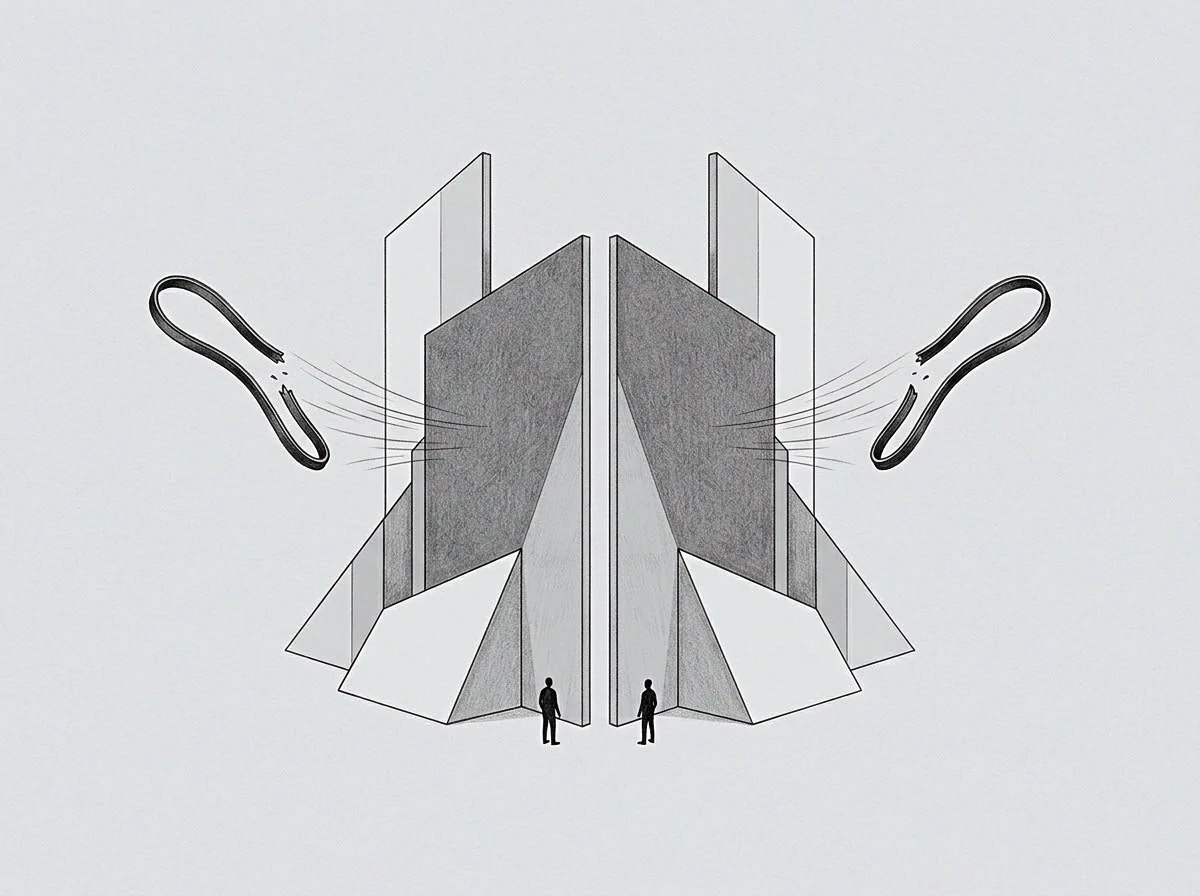
Shunt
Interrupting this epigenetic progression requires operational redesign rather than personal discipline. The human nervous system evolved to handle discrete physical emergencies through sudden neuroendocrine activation followed by systemic clearance; it has no built-in biological defense against an unbroken flow of asynchronous digital inputs. When an organization runs without defined routing gates, the founder becomes the default buffer, absorbing operational variance directly into hypothalamic chromatin.
Remethylating CpG sites across FKBP5 is slow, requiring months of sustained low basal glucocorticoid activity. The cell cannot re-condense chromatin while circulating cortisol repeatedly binds the receptor. Operational structure must provide the insulation that biology cannot supply on its own, which requires unambiguous operational boundaries:
- Channel isolation separates asynchronous operational messaging from real-time alerting systems, restricting high-bandwidth inputs to pre-arranged review windows.
- Thread scoping defines explicit criteria for when a project requires executive intervention, eliminating ambiguous requests that consume regulatory slots.
- Autonomous escalation thresholds establish objective capital and legal boundaries within which operators execute decisions without executive sign-off.
- Temporal shutdowns mandate continuous twelve-hour intervals where incoming data streams are physically severed from the personal environment.
By routing incoming communication into discrete, batched encounters, the operator recreates the hormonal peaks and valleys required for cellular recovery. When inputs carry strict scope and defined expiration dates, the hypothalamus gets periods of neuroendocrine quiet, giving maintenance DNA methyltransferases room to re-methylate exposed response elements in the FKBP5 locus. This re-methylation takes several quarters, but epigenetic drift stops once the operating environment ceases to deliver continuous threat signals.
A thread without explicit scope consumes regulatory capacity until an external gate dismisses it.
Moving from an un-gated environment to a structured gating system always generates institutional friction. Teams accustomed to immediate executive access often misread new boundaries as withdrawal or poor management. An organization built on continuous responsiveness simply passes its coordination costs directly onto the hypothalamic receptors of its leadership.
Sustaining execution over years requires letting non-urgent threads wait, preserving central receptor sensitivity for matters that genuinely threaten the enterprise.
The health of central regulatory circuits depends on an unyielding boundary between open working loops and the physical recovery of hypothalamic tissue.