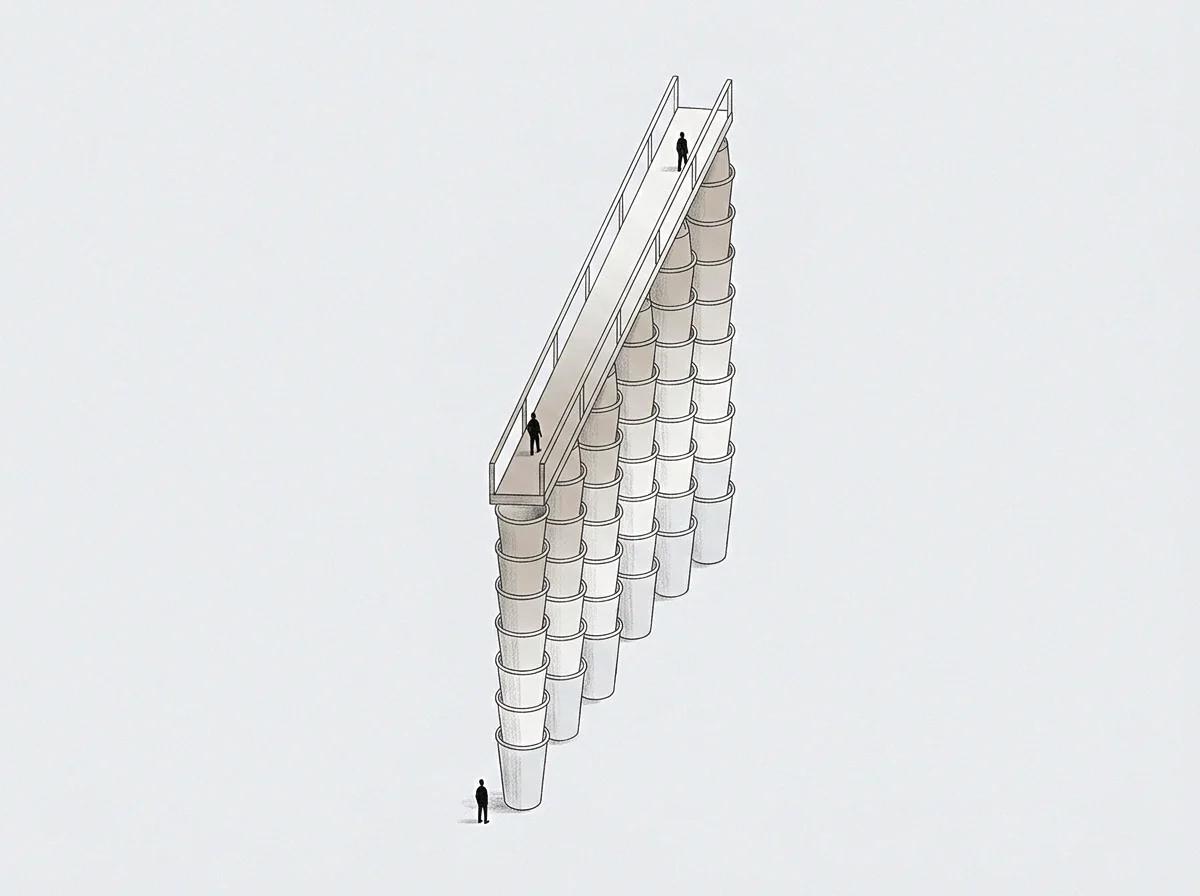
Meaning
Intracellular protein structures bound by circulating steroid hormones govern physiological stress responses across human organ systems. Glucocorticoid receptors mediate transcriptional regulation when ligand binding triggers nuclear translocation and promoter interaction. Cellular exhaustion follows prolonged activation cycles because receptor down-regulation reduces baseline sensitivity to subsequent signaling events.
The boundary of this mechanism lies at receptor saturation limits beyond which additional hormone yields no further transcriptional output.
Capacity Cost
Sustained decision making under uncertainty depletes available energy reserves through persistent endocrine activation. Glucocorticoid receptors operate continuously during high-stakes management periods, consuming cognitive capacity and hormonal output simultaneously. Chronic stimulation leads to receptor desensitization, which forces the physiological system to expend additional metabolic resources to maintain baseline equilibrium.
Founders absorb this metabolic toll in the form of reduced attention span and shortened operational hours before cognitive fatigue sets in.
Physiological Throttling
Prolonged operational pressure forces biological systems into protective shutdown states through receptor down-regulation. Glucocorticoid receptors modulate tissue sensitivity to prevent runaway inflammatory damage during extended crises. This throttling mechanism limits physical endurance by restricting glucose availability to skeletal muscle and neural pathways.
Systemic recovery requires extended periods of low demand to restore receptor density and normal sensitivity thresholds.
Baseline Drift
Prolonged exposure to elevated hormone levels recalibrates the physiological set point for normal functioning. Glucocorticoid receptors adapt to chronic stress by decreasing surface expression, which alters the perceived baseline of operational difficulty. This adaptation creates a false equilibrium where the organism operates under severe depletion while registering a normal internal state.
Unchecked baseline drift culminates in sudden physiological collapse when the system exhausts its final capacity reserve.