

Measuring Parasympathetic Recovery in High Threat Leadership Environments
Parasympathetic recovery in high-threat environments depends on nocturnal vagal reactivation measured through beat-to-beat variability and rapid heart rate deceleration.
Parasympathetic recovery in high-threat environments depends on nocturnal vagal reactivation measured through beat-to-beat variability and rapid heart rate deceleration.
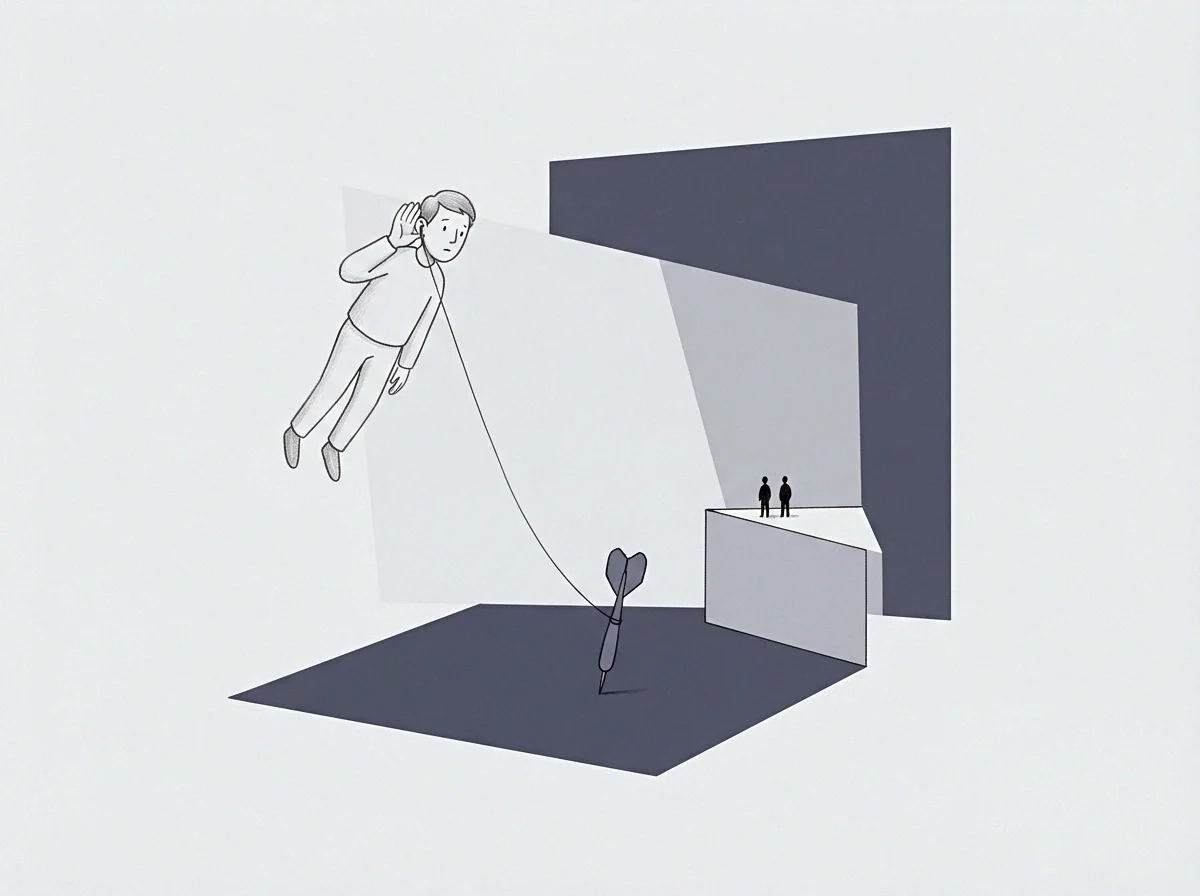
Prefrontal neuroendocrine recovery requires months of structured low-stimulus operations to restore diurnal cortisol slopes and working memory capacity.

Continuous operational stress demethylates FKBP5, over-producing the co-chaperone, blocking hypothalamic cortisol sensing, and disabling endocrine feedback.

Covert organizational monitoring and ambiguous delegation boundaries suppress nocturnal parasympathetic activation, locking executives into chronic autonomic recovery failure and cognitive thread overload.
Adrenal downregulation throttles output to protect tissue under sustained allostatic load, while clinical depression reflects systemic affective failure.

Chronic environmental threat shifts the cortisol awakening response from acute hyper-reactive surges to hypocortisolemic blunting through receptor desensitization.
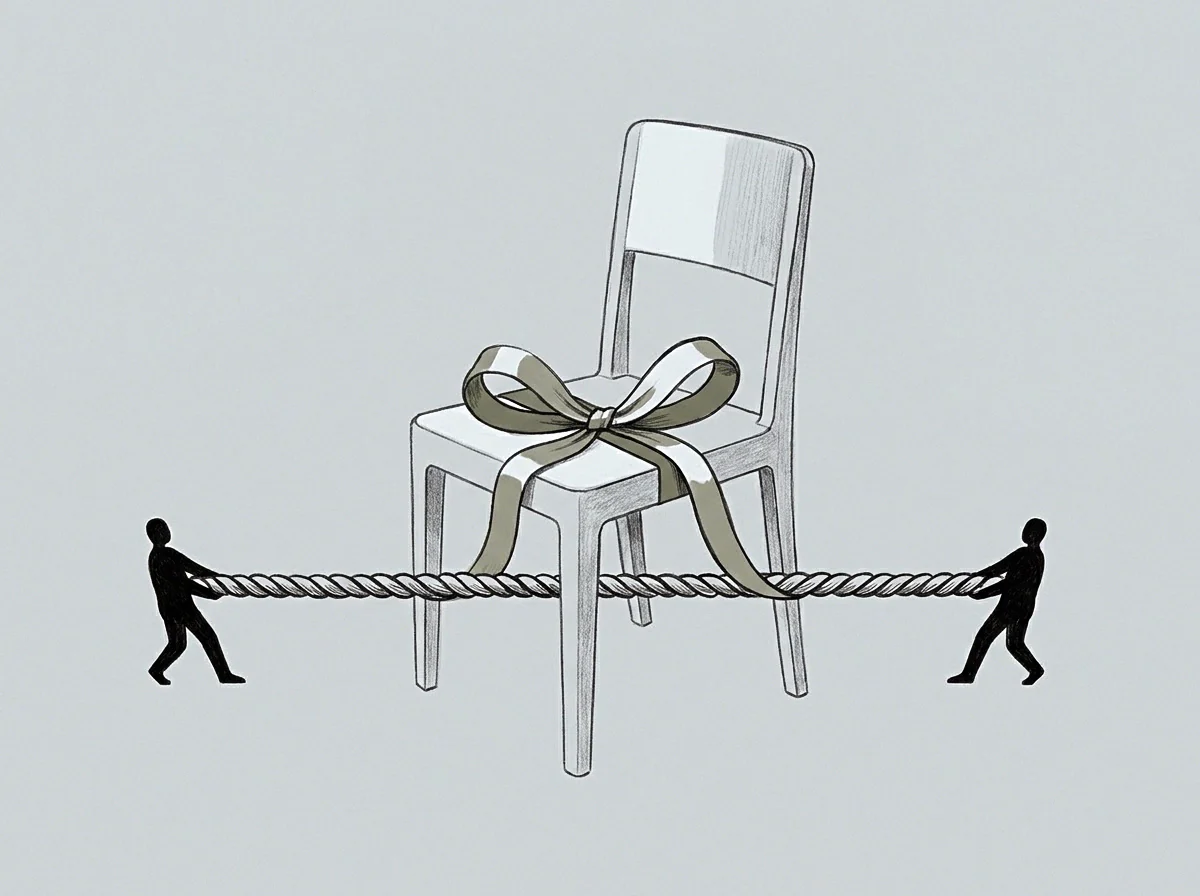
Neural residue accumulates across concurrent unclosed tasks, saturating working memory capacity and forcing peripheral telemetry shedding in human operators.
The terms are written where they belong. Each field holds three desks, and every entry a desk writes raises the terms it uses, each term given a meaning, a mechanism and the places it appears. The record on these pages stays first person and hand made; the fields grow the nomenclature.