
Long-term homeostatic stability in high-capacity nervous systems without institutional coordination demands
Long-term stability requires hard mechanical gates that convert volatile open loops into bounded records, protecting autonomic tone from continuous demand.

Current
Autonomic regulation under continuous operational responsibility deteriorates through sustained micro-adjustments rather than acute shock. When an individual operates without managerial tiers, formal working hours, or institutional insulation, the nervous system assumes direct physiological custody of every environmental contingency. The neuroendocrine system maintains elevated plasma catecholamines and evening cortisol levels to preserve alertness across indefinite planning horizons.
This state generates cumulative allostatic load, which measures the biological wear accumulated through forced adaptation. Somatic complaints appear early in the gastrointestinal tract and skeletal musculature. Reserve capacity remains zero.
A nervous system running at absolute capacity suppresses peripheral exploratory drive while motor execution remains intact under immediate demand.
Defensive throttling represents the biological downregulation of non-essential functions to protect basal cardiac and neurological integrity. Observers frequently confuse this protective state with clinical depression. The two profiles diverge across measurable criteria.
Throttling preserves executive function for bounded crises while terminating voluntary hedonic pursuit and spontaneous cognitive exploration. The person continues delivering technical results under deadline while losing the capacity to engage in unprompted correspondence. Inquiries regarding personal welfare feel heavy.
Silence restores autonomic range.
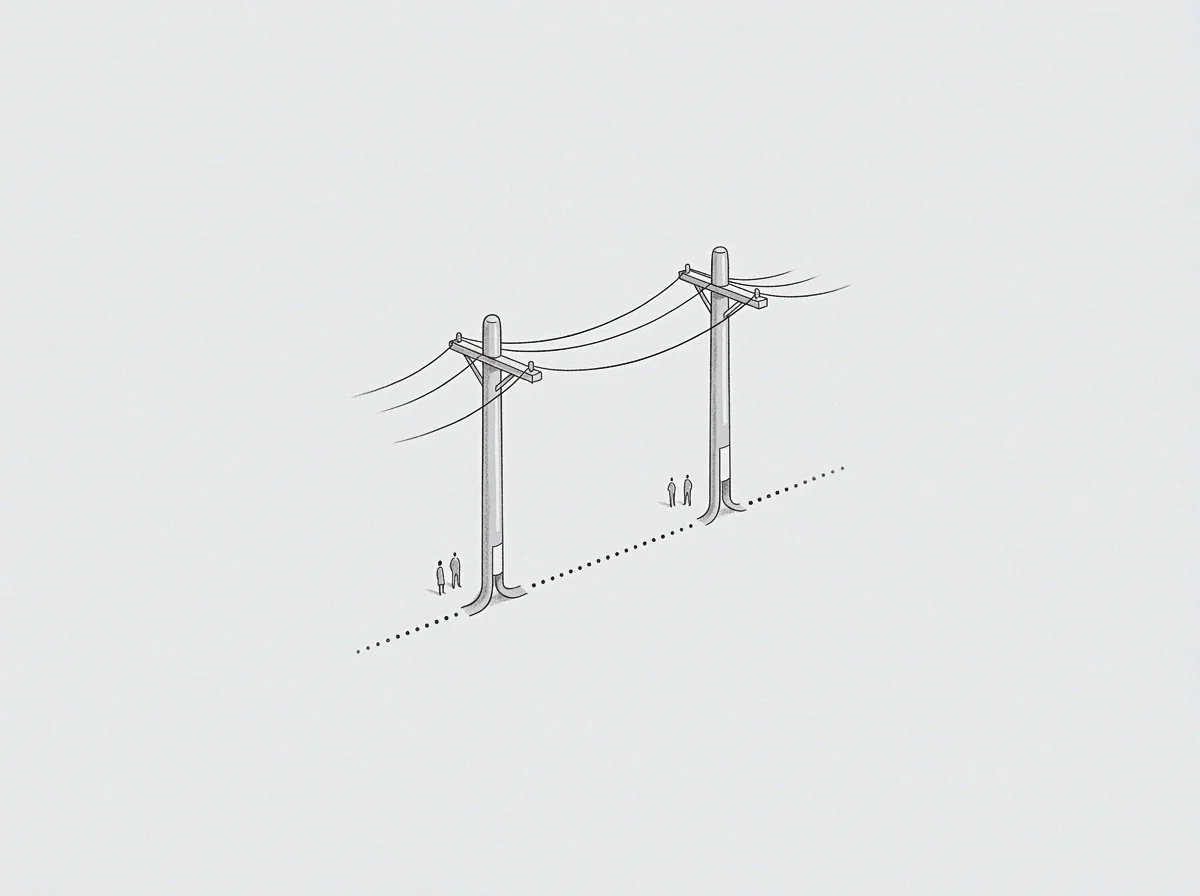
Basal Tone Under Asynchronous Operational Strain
Direct exposure to uncoordinated stakeholder inputs forces the brainstem into continuous threat appraisal. Without an organizational hierarchy to filter incoming correspondence, every message carries equal potential operational consequence. Heart rate variability declines, marking the withdrawal of parasympathetic vagal braking on the sinoatrial node.
The sympathetic branch dominates baseline tone throughout standard resting periods. Sleep architecture fragments, showing reduced slow-wave percentages and premature awakenings driven by elevated nocturnal noradrenaline. The line stays quiet.
Yet physiological vigilance persists across the dark hours.

The Misdiagnosis of Regulatory Throttling
External counterparties interpret the cessation of spontaneous enthusiasm as an affective disorder or a sudden collapse in dedication. That assumption fails. The underlying tissue has simply engaged an evolutionary brake to prevent cardiovascular decompensation under unmetered load.
Cognitive processing shifts from associative synthesis to rigid sequential task execution. The individual answers direct administrative questions with clipped precision while ignoring strategic invitations entirely. Motor execution continues uninterrupted.
The body pays the difference.
Treating defensive throttling as clinical melancholia introduces pharmacological interventions that degrade peripheral vigilance without reducing the unmetered intake responsible for autonomic strain.
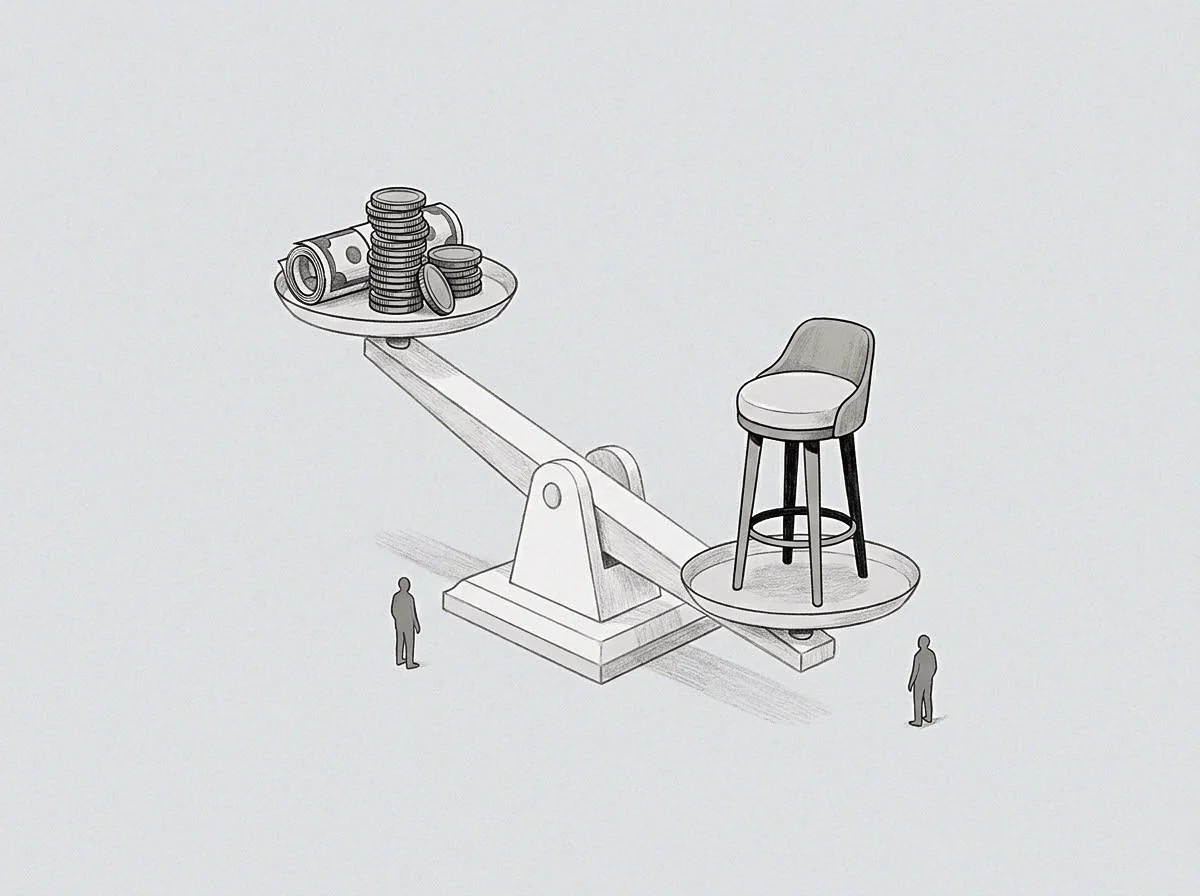
Shelf
Cognitive storage possesses physical limits governed by working memory architecture and frontoparietal metabolic limits. Every unresolved committal occupies an active holding slot in executive circuitry. Institutional bureaucracies manage these states through project boards, administrative assistants, and legal registers.
When those structures are missing, the solitary nervous system functions as the storage repository. The resulting switching friction erodes daily attentional depth. The third slot closes.
An unassigned operational slot defaults to background vigilance whenever incoming transmission remains unrestricted by formal temporal boundaries.
A closed assignment carries explicit parameters, an established completion standard, and a fixed terminal date. An ungated inquiry carries none of these bounds, forcing prefrontal circuits to sample its status repeatedly throughout waking hours. Holding four ungated inquiries simultaneously exhausts daily executive stamina before midday arrives.
The person experiences cognitive exhaustion while looking at an outwardly light calendar. The desk gathers physical debris. Mental clutter mirrors the external surface.
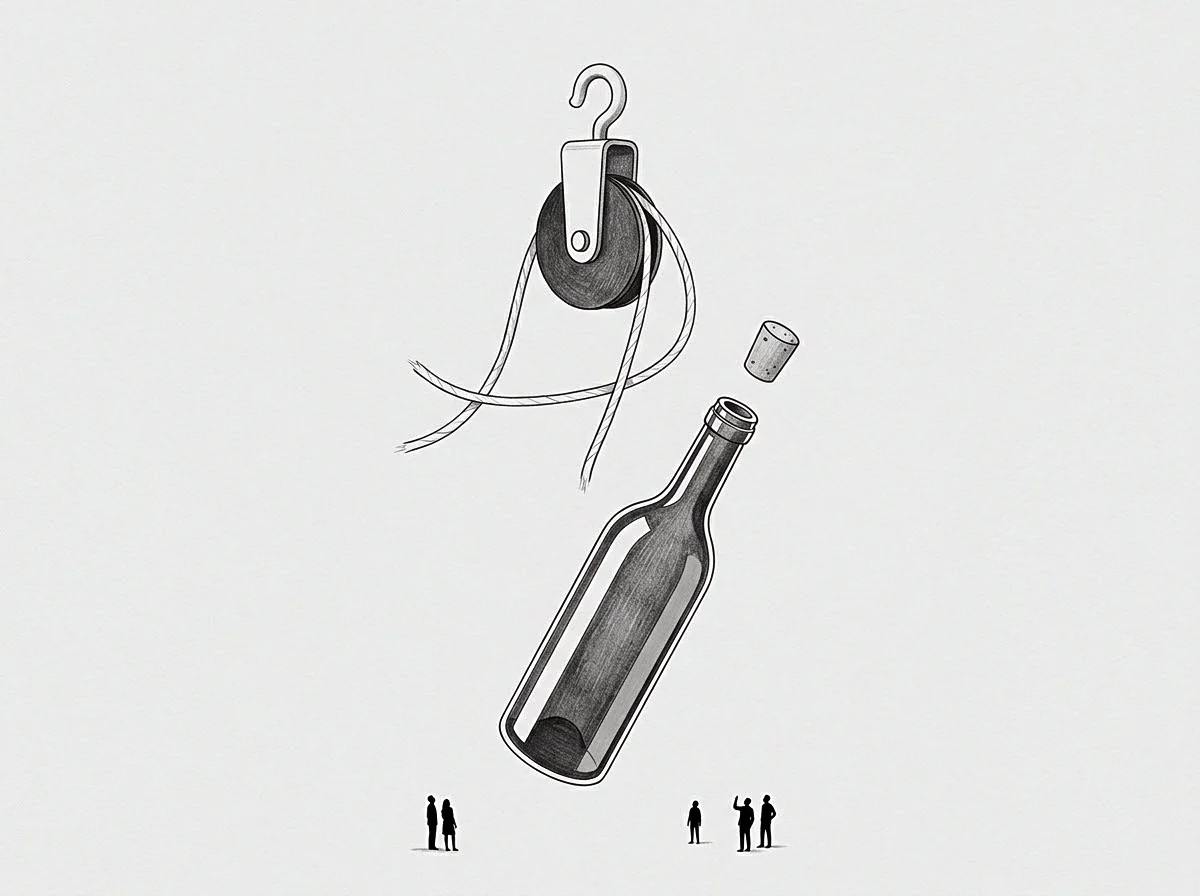
Slot Allocation and Ungated Operational Loops
Attention behaves as a finite bank of parallel processing registers. The human brain manages between three and five active operational registers before processing fidelity decays sharply. When work streams lack contractual borders, each client or partner assumes total unilateral access to an open register.
- Unbounded availability locks an operational slot into persistent monitoring even when no active message arrives.
- Deferred parameter setting holds baseline metabolic expenditure elevated across the duration of an operational cycle.
- Asynchronous supervisory drag consumes processing reserve through fragmented interruptions distributed through the waking hours.

Structural Comparison of Work Allocations
The metabolic expenditure of work varies according to the organizational architecture encasing the operator. The table below delineates physiological demands across three standard operating environments.
| Operating Environment | Intake Gating Mechanism | Vigilance Overhead | Allostatic Accumulation Rate | Autonomic Recovery Latency |
|---|---|---|---|---|
| Corporate Hierarchy | Managerial filtering and rigid departmental schedules | Low to moderate | Gradual, buffered by formal leave | Rapid during scheduled intervals |
| Autonomous Advisory | Contractual milestones and client retaining terms | Moderate | Intermittent, driven by delivery phases | Moderate across natural project pauses |
| Isolated Operator | Direct unbuffered digital transmission lines | Continuous | Accelerated, unmediated by peers | Protracted due to latent expectation |
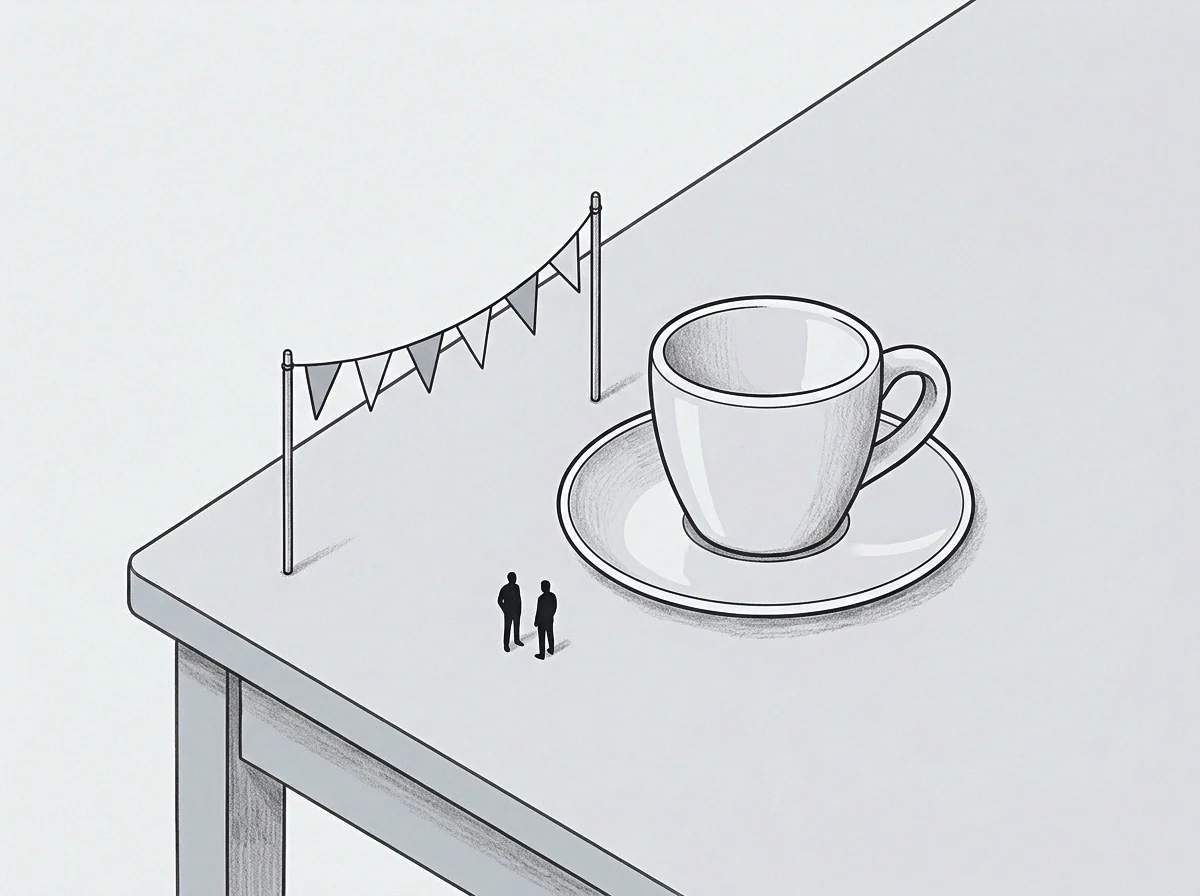
The Arithmetic of Free Capacity
True cognitive headroom requires empty processing slots that carry no deferred obligations. A founder frequently mistakes calendar whitespace for genuine physiological rest. If four operational channels remain open without explicit execution dates, the nervous system expends fuel maintaining their readiness states.
True rest requires the total evacuation of working registers. Storage belongs on paper. The brain refuses recovery while retaining operational telemetry.
An open channel consumes capacity continuously while a bounded project draws fuel solely during execution.
Relay
Social baseline theory establishes that human nervous systems economize metabolic expenditure by sharing load with trusted members of an ecology. Proximity to reliable collaborators downregulates neural activity in the dorsal anterior cingulate cortex and hypothalamus during acute challenges. In non-institutional ventures, this economy frequently reverses.
The solitary founder becomes an unreciprocated autonomic ballast for external counterparties, employees, and investors. The founder regulates the anxieties of the periphery while receiving zero baseline stabilization in return.
The counterparty who registers silence as instability accelerates transmission frequency until an overt boundary interrupts the exchange.
Counterparties detect regulatory stability and unconsciously route unresolved volatility toward it. The high-capacity operator absorbs emotional ambiguity, operational hesitation, and interpersonal tension from surrounding parties without demanding reciprocal containment. Over twelve to eighteen months, this unilateral absorption depletes endogenous dopamine reserves and vagal flexibility.
The operator registers deep aversion toward collaborative contact. Solitude becomes an absolute biological requirement. Metabolic expenditure drops.

Borrowed Regulation Across Flat Counterparties
In flat organizational configurations, authority operates informally through emotional steadiness. The individual who remains calm during an operational bottleneck inadvertently assumes biological custody of the group. Staff members and early partners offload their distress onto the founder through frequent unscheduled check-ins and subtle reassurance seeking.
This dynamic transfers allostatic load from the group onto a single central node. The central node carries the collective systemic wear.

Asymmetric Co-Regulation Under High Autonomy
Healthy relational systems depend on mutual regulatory exchange where participants alternately hold and release structural tension. When an operator functions without an institutional peer group, no counterpart exists to absorb the founder’s periodic operational disorientation. The founder maintains an artificial facade of invariant certainty to prevent capital withdrawal or staff panic.
This emotional suppression increases sympathetic cardiovascular output. The perimeter holds. The internal tissue degrades under the pressure of continuous solitary containment.
The collaboration felt seamless because every unexpected obstacle resolved before anyone else had to name the friction.

Lock
Stabilization without institutional hierarchy demands mechanical interventions that alter information inflow before it contacts the nervous system. Relying on psychological discipline or deliberate willpower fails because self-regulation draws from the exact executive reserve degraded by incoming volume. Structural gates convert open, ambiguous commitments into closed, transactional operations.
The operator specifies the precise criteria under which an inquiry enters the conscious perimeter.
A parked project carries zero metabolic expenditure when the conditions for reopening are written outside the nervous system.
The primary move requires replacing asynchronous availability with strict batch processing. Incoming correspondence lines receive messages during predetermined temporal blocks separated by extended periods of disconnection. A message arriving outside an active processing window meets absolute structural silence.
The nervous system gradually learns that unmonitored hours carry no operational danger. Parasympathetic tone reasserts itself during the quiet intervals. The slot empties.

Explicit Termination Parameters on Incoming Inquiries
Every inbound collaboration request carries an immediate demand for analytical energy unless constrained by upfront conditions. The operator halts the intake of unstructured invitations by requiring counterparties to provide complete terms, dates, and resource commitments before review occurs.
- Define temporal receipt windows to collapse continuous peripheral vigilance into isolated discrete intervals.
- Reject untimed operational inquiries before cognitive evaluation takes place.
- Record operational state in external storage to eliminate active retention overhead.
Conversion of Volatile State to Static Record
Holding active obligations within working memory maintains frontoparietal arousal. The operator externalizes all systemic data into a durable, written medium that operates independently of personal recollection. Once an operational detail resides in a secure ledger with an explicit future review date, prefrontal circuits drop the monitoring sequence.
The exchange ends there. No second warning arrives.
A clause setting forty-eight hours of unconditional silence between project phases restores parasympathetic tone by preventing the nervous system from anticipating immediate supervisory re-engagement.