
Managing Allostatic Load And Concurrency Limits In High-Pressure Enterprise Seats
Allostatic load accumulates when unclosed operational loops exceed cognitive concurrency limits, triggering autonomic throttling to protect biological stability.
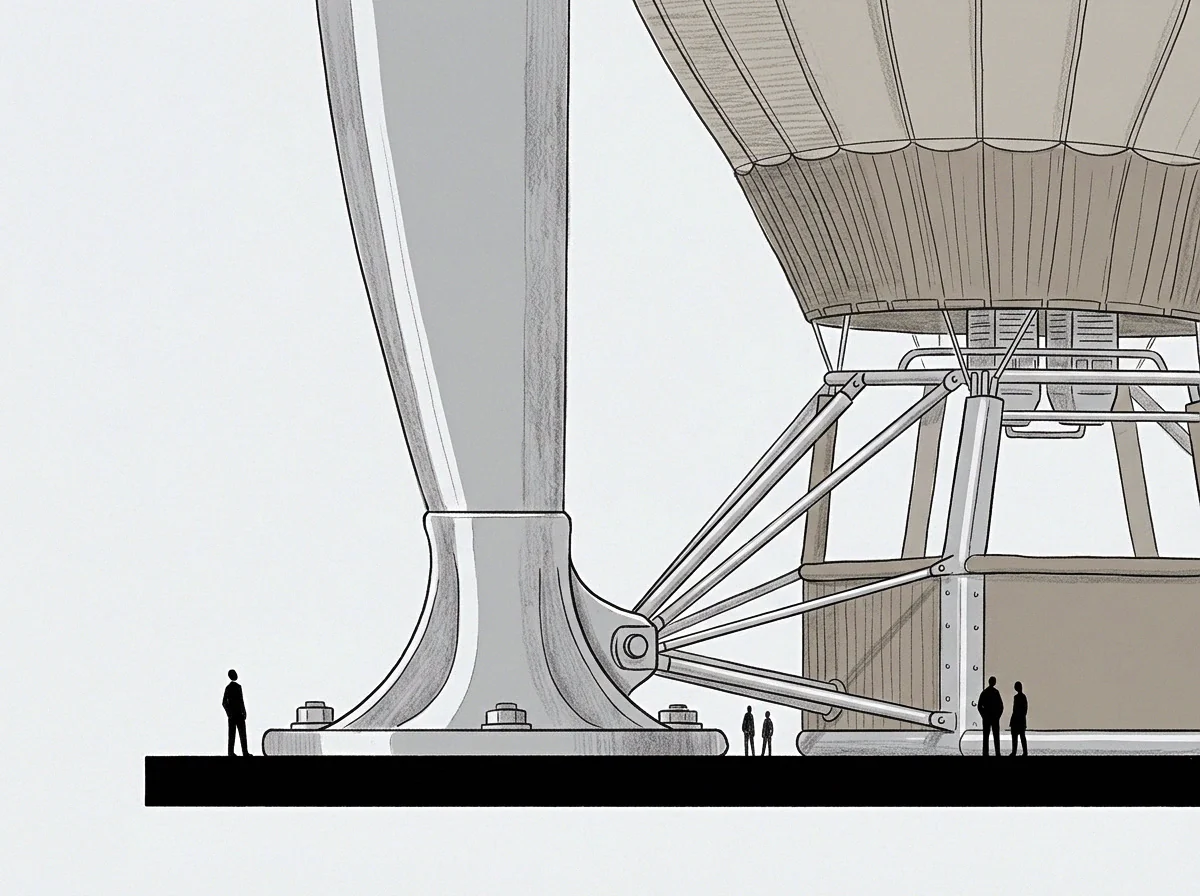
Seat

Incoming Pressure and Processing Ceilings
At midnight, four operational decisions remain open on the screen while a five-million-dollar banking covenant renewal waits for dawn. A partner sends a flat query regarding quarterly burn rate. The executive answers a third direct report with complete technical precision, yet cannot draft the opening sentence of the financial memorandum.
Execution on external demands remains intact, but internal operational initiative has stopped completely.
Observers routinely mistake this stillness for depressive withdrawal, assuming an affective collapse and prescribing behavioral activation or temporary leave. That reading misidentifies the physiological state. The executive is experiencing adaptive operational throttling, an autonomic dampening response where the nervous system reduces self-directed metabolic expenditure to preserve core stability under excessive incoming volume.
Rather than breaking down, the system has reached its absolute hardware limit.
Enterprise operating positions exert continuous regulatory pressure because counterparties pass unresolved institutional ambiguity directly to the center. When market liquidity tightens or departmental leadership fractures, the seat absorbs the variance, serving as shock absorber for the balance sheet, the cap table, and executive staff simultaneously. Holding those exposures without structural release keeps neuroendocrine stress axes chronically engaged.
That specific regulatory effort consumes the fifth cognitive slot.
The nervous system dampens self-directed initiative when incoming operational volume exhausts baseline metabolic recovery.
The operational apparatus functions when incoming transmissions carry fixed parameters, clear terms, and an immediate next step. Breakdown begins when requests arrive without bounded constraints. A message from a major investor asking for general reassurance consumes outsized capacity because it has no terminal boundary, remaining active in working memory during commercial contract negotiations.
Counterparties seeing steady outward performance assume excess operational headroom remains available. They read a measured tone during crisis as proof of unlimited carrying capacity, transferring secondary disputes into the same seat. The enterprise steadily increases incoming volume precisely because the operator absorbed previous shocks without visible agitation, taking that silence for total availability.

Strain

Biological Wear and Allostatic Accumulation
Biological systems adapt to transient volatility through allostasis, adjusting internal parameters to maintain equilibrium across changing operational contexts. When volatility becomes continuous, this mechanism produces progressive tissue wear known as allostatic load. The sympathetic nervous system and hypothalamic-pituitary-adrenal axis continuously flood tissues with catecholamines and glucocorticoids, altering vascular tone, cellular glucose utilization, and prefrontal cognitive processing.
Laboratory measurements of neuroendocrine biomarkers demonstrate that sustained baseline activation degrades sleep architecture, particularly slow-wave delta cycles responsible for neurochemical clearance. Cognitive reserve narrows systematically under this chemical cascade. Laboratory findings across enterprise populations remain constrained by reliance on ambulatory salivary cortisol metrics, which vary across circadian schedules and individual metabolic baselines; confirming the precise threshold where adaptive allostasis shifts into tissue pathology would require continuous arterial cannulation during live enterprise negotiations.
Across extended tenures, the physiological markers follow recognizable operational patterns:
- Neuroendocrine depletion manifests through flattened diurnal cortisol slopes that blunt morning focus while elevating evening systemic arousal.
- Attentional fragmentation produces severe latency when switching between divergent enterprise domains, leaving residual memory traces from previous meetings across subsequent commercial reviews.
- Visceral tension anchors somatic distress directly in gastrointestinal smooth muscle and cervical spine musculature during prolonged contract discussions.
- Autonomic exhaustion forces the vascular system into chronic sympathetic dominance, removing the heart rate variability required for sustained analytical patience.
An operator running at capacity experiences high cognitive load alongside physiological wear. Every open contractual dispute, delayed personnel decision, and unresolved capital call functions as an unreleased background process. Cognitive research establishes that working memory holds four distinct conceptual units simultaneously.
An enterprise seat that demands oversight across twenty volatile fronts forces the executive to constantly page information between active working awareness and latent somatic storage.
Baseline physiological recovery deteriorates as unclosed commercial disputes maintain chronic sympathetic stimulation.
Task-switching compounds this metabolic drain. Moving directly from a hostile board dialogue into an engineering architecture review degrades focus, consuming substantial glycogen reserves merely to re-establish contextual parameters. An operator who attempts continuous context-switching without scheduled operational buffers accumulates profound systemic friction.
That friction consumed the second cognitive slot.
Prolonged exposure degrades decision accuracy, prompting the operator to favor immediate risk avoidance over long-term strategic positioning and eventually burning enterprise capital reserves through delayed execution.

Queue

Which Operational Loops Consume Active Slots?
Projects do not consume cognitive bandwidth; unclosed operational loops consume cognitive bandwidth. An executive can comfortably oversee sixty separate capital initiatives if each initiative carries unambiguous ownership, predefined milestones, and explicit reporting schedules. A single open dispute with a co-founder involving undefined authority and ambiguous financial equity can monopolize executive attention entirely.
Bandwidth expenditure is determined by structural ambiguity rather than nominal task volume.
A bounded operational line contains a defined scope, a confirmed terminal date, and explicit delivery terms. The nervous system registers a bounded line as complete until the trigger date arrives, allowing working memory to discharge the item completely. An unbounded line lacks fixed criteria for resolution, prompting the executive mind to repeatedly poll the counterparty’s status at a recurring metabolic cost.
Consider an enterprise founder managing an active enterprise sales pipeline alongside a contested partner separation. The sales pipeline involves forty complex client interactions, yet each contract follows standardized legal documentation and fixed quarterly closing dates. The partner separation lacks written governing terms, relying instead on informal verbal exchanges and shifting equity demands.
That dispute demands ninety percent of executive regulatory capacity, starving commercial sales operations of necessary oversight. The unresolved partner separation absorbed the first cognitive slot.
- Boundary definition establishes explicit operational limits by documenting specific deliverables, resource commitments, and decision rights for every active enterprise project.
- Calendar gating converts continuous operational polling into discrete inspection intervals, forbidding unscheduled status interruptions between designated governance checkpoints.
- Terminal delegation transfers both execution authority and accountability to designated deputies, removing the central executive from secondary approval loops.
- Protocol enforcement rejects incoming communications that lack clear decision criteria, forcing counterparties to structure problems before seeking operational review.
The total number of concurrent unclosed lines represents the true operational bottleneck of any enterprise leadership team. Attempting to expand this capacity through raw stamina consistently degrades evaluation quality. The executive who maintains discipline around the active operational inventory preserves analytical sharpness across multi-year operational horizons.
An ungated line running in executive memory always extracts continuous attention regardless of stated priority.
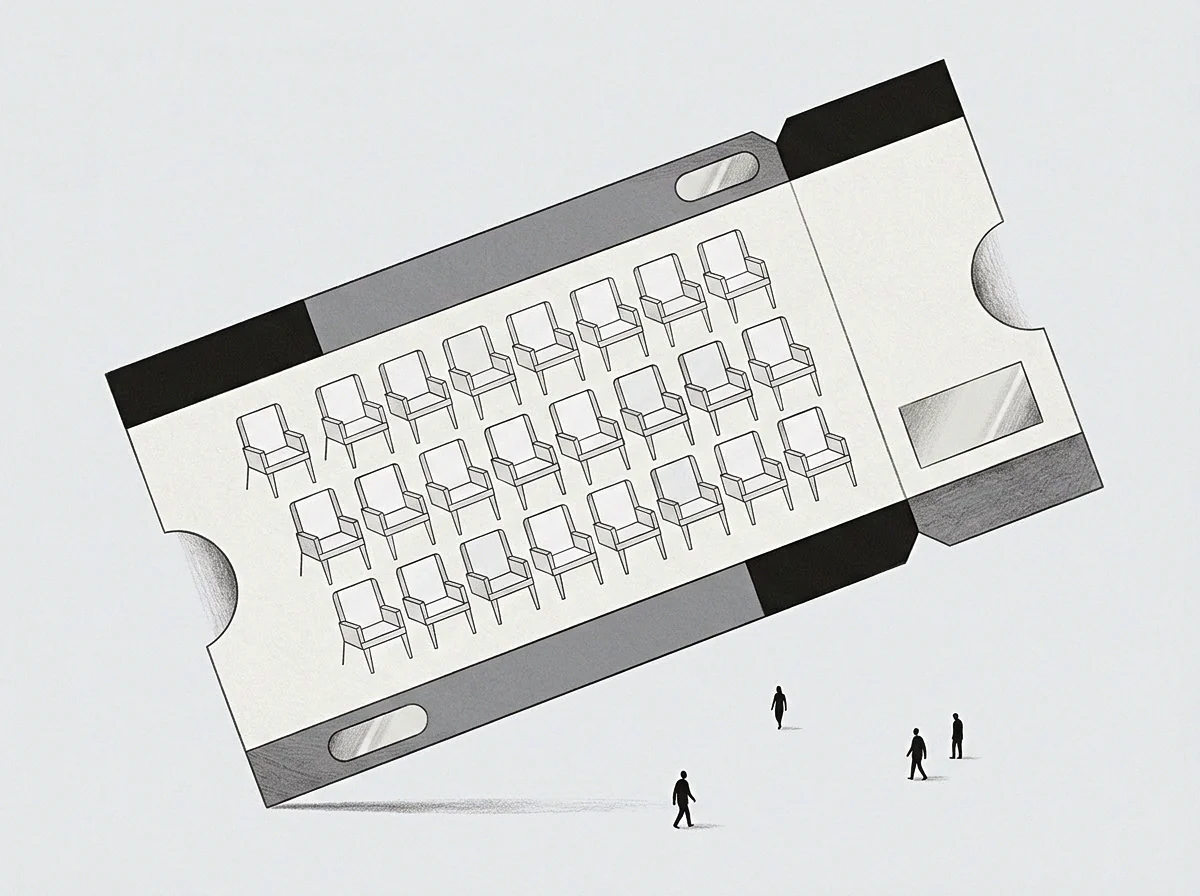
Buffer

Structural Gating Against Relational Demand
Protecting executive processing capacity demands structural barriers between incoming institutional demands and central cognitive slots. Enterprise operations naturally generate relational friction when counterparties demand instantaneous executive availability. Establishing rigorous operational gates forces counterparties to resolve intermediate ambiguity before escalating residual exceptions to the central desk.
| Operating Parameter | Ungated Operational Channel | Structurally Gated Channel |
|---|---|---|
| Processing Slot Consumption | Continuous active polling across executive working memory | Zero consumption until predetermined calendar inspection window |
| Counterparty Communication Latency | Immediate ad-hoc responses under ten minutes | Batched asynchronous responses on forty-eight-hour cycles |
| Systemic Allostatic Accumulation | Elevated diurnal cortisol from continuous notification alerts | Normalized neuroendocrine recovery through protected deep blocks |
| Enterprise Organizational Impact | Counterparties escalate unvetted operational ambiguities instantly | Counterparties forced to refine operational logic before escalation |
Counterparties routinely resist structural gating, interpreting administrative barriers as personal indifference or professional abandonment. When an executive transitions from continuous real-time messaging to scheduled asynchronous review blocks, partners frequently escalate emotional volatility to force a return to previous communication habits. The executive who capitulates to this pressure instantly surrenders hard-won systemic stability.
Social baseline theory demonstrates that human regulatory capacity functions as an economic calculation based on perceived proximity and reliable institutional support. When an operator occupies an enterprise seat lacking dependable, competent lateral partners, the brain perceives the operating environment as hostile, immediately increasing personal vigilance and metabolic consumption. Having a single verified, competent operator handling operational execution halves the neuroendocrine cost of holding enterprise risk.
That shared load freed the third cognitive slot.
A stated communication limit preserves executive processing headroom only when strictly defended against counterparty urgency.
Modern communication tools accelerate systemic depletion by simulating operational urgency through continuous auditory and visual alerts. Turning off synchronous enterprise messaging channels restores cognitive continuity, enabling extended analytical concentration on complex capitalization structures. The enterprise executive must construct administrative filters that isolate processing from ambient operational chatter.
A written operating agreement establishing non-negotiable response latencies protects executive capacity by eliminating informal relational expectations.

Arrest

Enforcing Limits to Prevent Collapse
Restoring depleted enterprise processing capacity demands tactical operational shedding rather than minor administrative adjustments. The person running at absolute capacity cannot recover by adopting personal wellness routines while holding twenty active contractual disputes. Recovery requires the systematic termination of non-essential enterprise lines.
Some commercial negotiations must be deliberately abandoned to safeguard core institutional survival.
Operational triage begins by cataloging every active commitment currently consuming cognitive slots, categorising each item by existential institutional impact. Projects that generate marginal strategic value must be terminated immediately, regardless of sunk capital expenditures or counterparty disappointment. The remaining lines must be strictly delegated to operational staff with unambiguous authority to execute without executive check-in.
A founder who refuses to shed secondary operational responsibilities inevitably faces somatic shutdown. When biological limits are breached repeatedly, the autonomic nervous system intervenes by inducing severe physical exhaustion, migraines, or systemic inflammatory crises that physically prevent further labor. This autonomic shutdown represents a protective biological emergency measure designed to prevent irreversible cardiac or neurological damage.
Somatic shutdown cleared the final cognitive slot.
Not every high-pressure enterprise seat permits adequate operational shedding without risking enterprise failure. In early-stage capital crises or existential enterprise litigation, the structural demands of the seat occasionally exceed human physiological limits, leaving the operator with no viable moves within safe biological boundaries. In those operating conditions, sacrificing physical reserves to sustain enterprise liquidity represents a direct, non-recoverable capital expenditure.
If the enterprise requires continuous biological subsidization merely to survive baseline operations, the enterprise business model remains flawed.
Whether enterprise operators can successfully enforce structural operational boundaries without forfeiting investor confidence during prolonged economic downturns remains a fundamental dilemma for senior executive governance.