Meaning
Physiological stability achieved through bodily change operates as the biological baseline governing how a founder sustains executive capacity under persistent uncertainty. The term allostasis describes the active process through which regulatory systems adjust parameters like cortisol output and heart rate variability to match environmental demands. Biological set points shift upward during protracted venture operations, keeping organs functional under chronic strain rather than maintaining a static equilibrium.
This adaptive accommodation incurs a cumulative wear cost measured in hours of diminished cognitive recovery and depleted metabolic reserves. Regulatory failure occurs when physiological parameters lose their dynamic range and become permanently fixed at high set points, precipitating systemic exhaustion.
Adaptive Cost
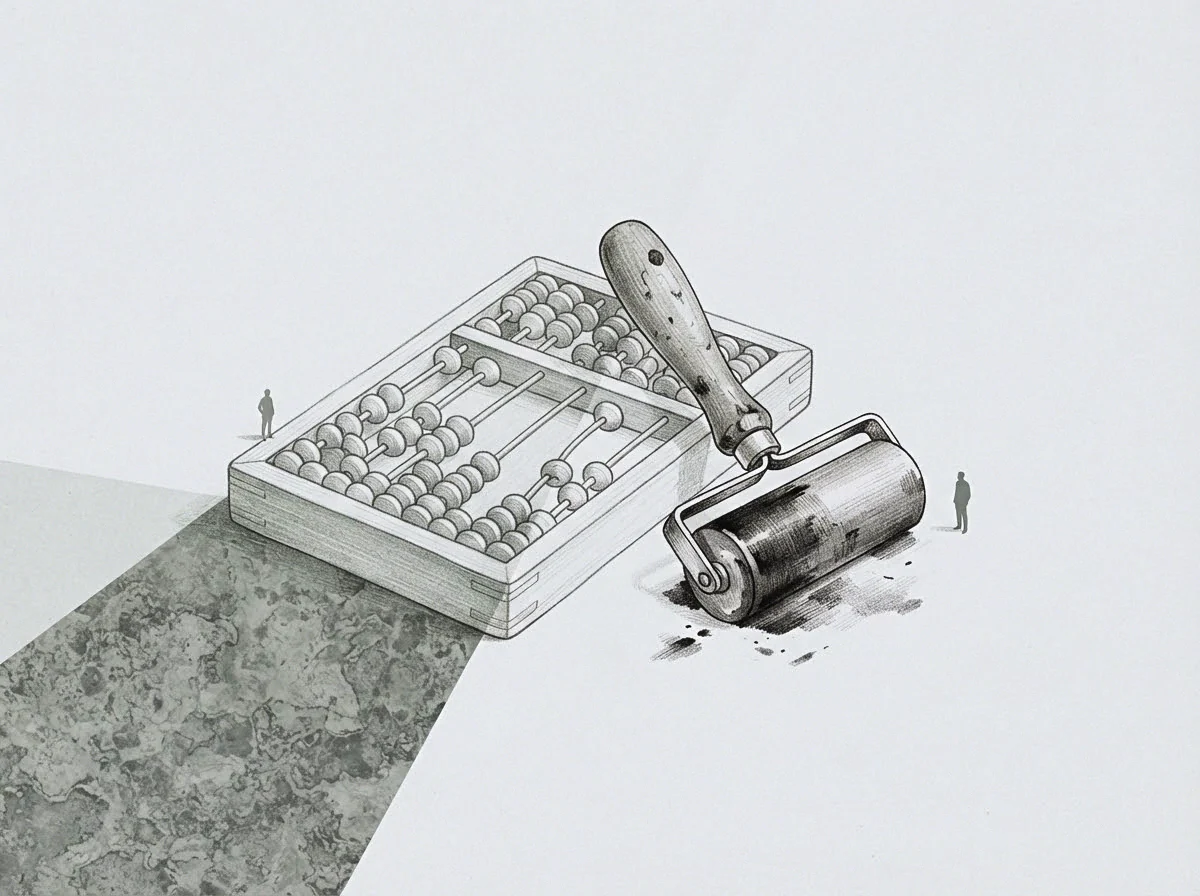
Biological overhead accumulates silently while an organization scales, extracting payment in neural bandwidth and physiological recovery time. Daily operational friction forces autonomic systems to maintain elevated baseline arousal long after immediate commercial threats recede. This prolonged recruitment of stress hormones degrades prefrontal cortex function, reducing the capacity for complex strategic calculation.
Sleep architecture degrades as nighttime cortisol levels fail to drop, starving neural tissues of the restorative downtime required for memory consolidation. Energy expenditure remains fixed at maximal levels, leaving the human organism vulnerable to sudden health crashes when unexpected market shocks strike.
Baseline Drift
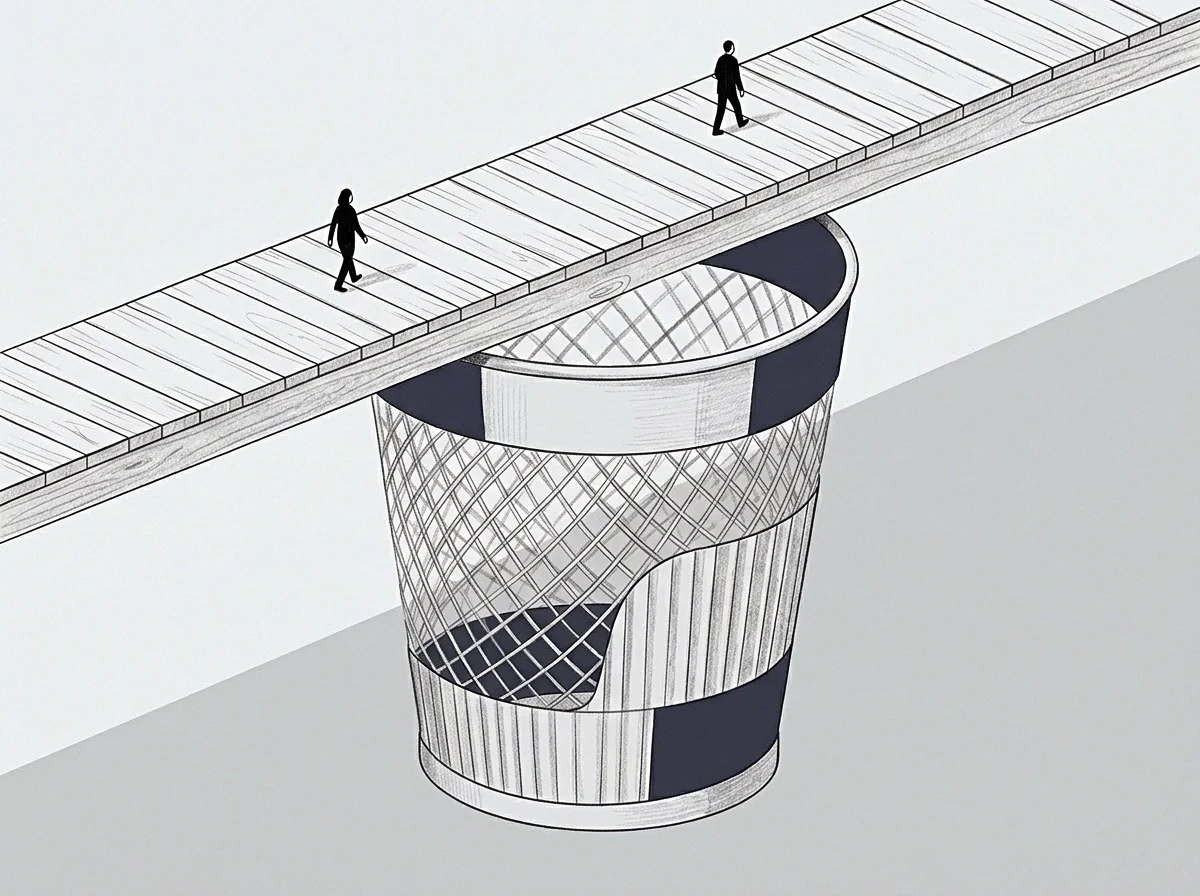
Regulatory set points creep upward incrementally over years of founding, normalizing chronic physiological strain until it feels like standard operating procedure. A nervous system habituated to emergency conditions stops recognizing calm environments as safe, continuing to flood the bloodstream with adrenaline during routine management tasks. This physiological baseline shift narrows behavioral flexibility, leaving the individual incapable of resting even when the business temporarily stabilizes.
Chronic hyperarousal desensitizes cellular receptors to regulatory feedback loops, blinding the internal monitoring apparatus to oncoming collapse. Systemic deterioration accelerates once this drift locks in, because the body treats ordinary daily decisions as survival crises requiring maximal metabolic mobilization.
Recovery Boundary
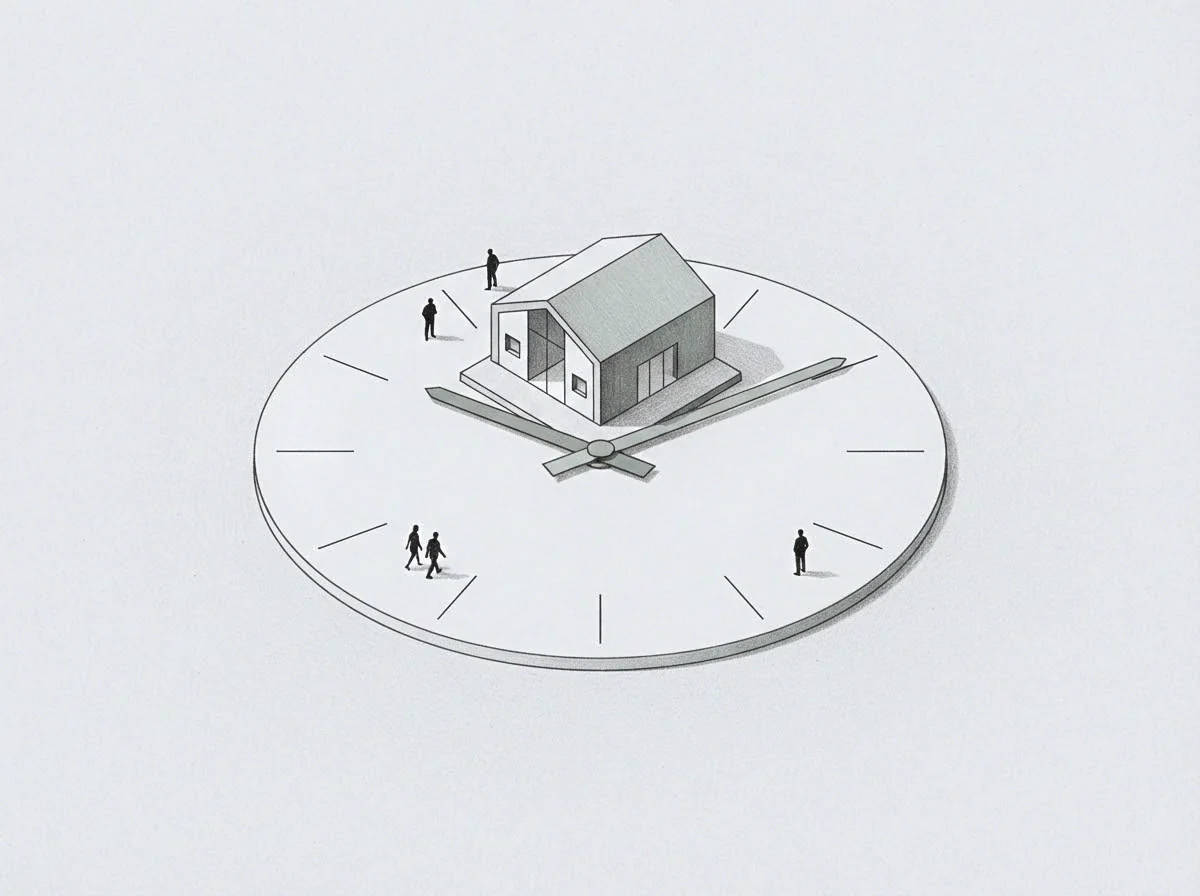
Biological limits assert themselves inflexibly when cumulative adaptive strain exhausts the capacity for further physiological adjustment. Complete rest protocols fail to restore function once regulatory set points pass a critical threshold of structural wear. Total system shutdown forces a physiological halt through acute illness or cognitive failure when the organism refuses further borrowing from its metabolic reserves.
Sustained operational output depends entirely on respecting the hard boundary where dynamic physiological accommodation gives way to permanent structural damage.