
Autonomic Regulation Mechanics In High Pressure Co-Founding Environments
Executive nervous systems outsource regulation through proximity, but inverted templates force one partner to bear the metabolic cost of team stability.

Scale
Four alerts clear within two minutes while two executive founders sit in a silent conference room at eleven at night. One operator watches server latency metrics drop back into normal parameters, maintaining a resting heart rate and steady respiration. The second operator presents pronounced peripheral vasoconstriction, elevated sympathetic tone, and rapid, shallow breathing long after the technical incident resolves.
The baseline metabolic expenditure required to maintain operational composure during a crisis varies dramatically between these two individuals. Brains constantly calculate energy expenditure based on the physical and relational presence of perceived allies. Operating under an assumption of complete isolation leads the autonomic nervous system to treat every operational threat as a solitary survival event, maxing out sympathetic nervous system activation and cortisol output.
Social baseline theory establishes that human neurological architecture evolved to outsource environmental monitoring and emotion regulation to proximity networks. Proximity to a reliable partner functions as an external energy subsidy, reducing the baseline neural energy spent on vigilance. In high-pressure venture environments, co-founding pairs frequently misunderstand this physiological mechanism, treating individual composure as a character trait rather than a shared metabolic economy.
Self-regulation without a reliable external baseline remains the most expensive physiological state a human can occupy.
Co-regulation operates effectively only when both autonomic systems register mutual reliability without active monitoring.
When co-founders establish predictable physical or synchronous operational proximity, baseline cardiovascular and endocrine stress markers drop. This metabolic discount allows cognitive resources to shift from threat detection to complex strategy and executive execution. When one partner exhibits chronic autonomic volatility, the secondary partner absorbs the regulatory deficit.
The stable partner acts as an involuntary baseline anchor, using their own parasympathetic reserves to steady the relational field. Over extended venture lifecycles, this dynamic creates a silent transfer of baseline energy from the calm individual to the dysregulated counterpart.
Uncorrected autonomic imbalances across executive pairs guarantee that the regulating partner exhausts their physiological reserves long before operational milestones arrive.
Post
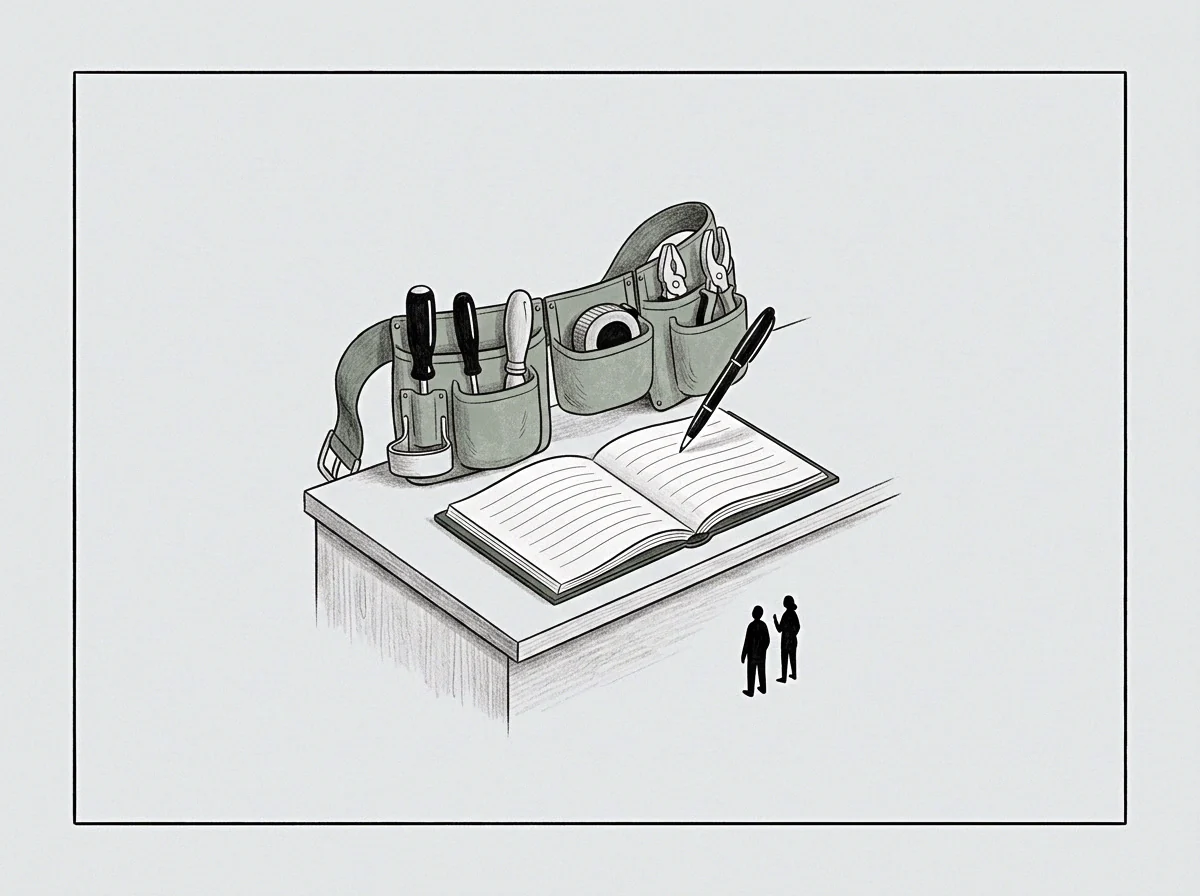
Internal working models formed during early high-stress environments dictate how an executive handles regulatory burden under venture pressure. An individual who developed an inverted regulation template early in life internalizes a single structural assumption: survival relies entirely on providing calm to dysregulated adults while concealing personal instability. In venture partnerships, this template manifests as an executive who instinctively absorbs operational panic from co-founders, board members, and employees while rejecting incoming support.

Why Does Proven Composure Attract Additional Operational Load?
Strength under acute stress acts as a magnet for operational mess. When an operator consistently demonstrates autonomic stability during venture crises, co-founders and early employees learn to route high-volatility decisions directly into that person’s seat. The organization reads autonomic steadiness as infinite load capacity.
The regulating founder experiences a steady escalation of structural burden because their physiological presentation never signals distress. The system lacks an internal feedback loop to register that composure is an active metabolic cost rather than a passive resource.
- Autonomic Throttling occurs when the regulating partner deliberately suppresses physiological indicators of panic to preserve operational stability for the team.
- Missing Receptor Slot describes the structural inability of an inverted regulator to receive co-regulation or presence from an operational equal.
- Attaching to State identifies the tendency of dysregulated co-founders to attach to a calm partner’s baseline physiological state rather than engaging with operational artifacts.
- Overtaxed Anchor State defines the final threshold where the regulating partner’s sympathetic nervous system breaks down under relentless external stabilization demands.
The structural absence of a receptor slot prevents the regulating partner from utilizing external calm even when offered. When a co-founder offers genuine assistance or presence during a downturn, the inverted regulator registers the offer as an operational anomaly or an impending burden. The brain processes incoming care as an extra variable to manage rather than a physiological rest.
The inverted regulator continues to hold the entire weight of the organization alone, internalizing every systemic fault while operating at capacity ceiling.
The dysregulated co-founder eventually assumes the calm partner handles all severe problems effortlessly because no visible distress ever breaks the surface.

Band
Executive leadership pairs adopt distinct regulatory structures to handle chronic volatility in funding, hiring, and operational execution. These structures determine the long-term metabolic cost distribution across the founding team. The choice of regulatory structure directly dictates organizational endurance and decision-making clarity.
| Regulatory Structure | Metabolic Cost Distribution | Signal Clarity Under Threat | Long-term Capacity | Recovery Latency |
|---|---|---|---|---|
| Self-Contained Suppression | Symmetric, maximum individual expenditure | Severe degradation due to internal noise | Rapid depletion within 12 to 18 months | Extended, high risk of complete shutdown |
| Co-Regulatory Proximity | Shared baseline, minimum individual expenditure | High retention of executive function | Sustainable across multi-year cycles | Rapid, supported by mutual baseline return |
| One-Sided Autonomic Anchoring | Asymmetric, concentrated on regulating partner | Distorted by dysregulated partner demands | Asymmetric failure of the anchor founder | Prolonged for anchor, immediate for secondary |
In self-contained suppression arrangements, both founders attempt to manage acute autonomic threats without relying on proximity or shared baseline mechanisms. The physiological tax remains ceiling-level for both individuals throughout the venture tenure. In one-sided autonomic anchoring arrangements, one founder provides the baseline stability for the entire enterprise while the other founder cycles through chronic hyper-arousal and exhaustion.
Borrowed regulation registers temporarily as personal calm for the recipient while quietly exhausting the provider.
Co-regulatory proximity remains the sole sustainable arrangement for long-term venture scaling. In this state, both partners maintain operational transparency, recognize physical signals of autonomic overload, and actively reduce vigilance demands for each other. Metabolic costs drop across the pair, unlocking cognitive headroom required for high-order decision logic.
Converting a team from one-sided anchoring to co-regulatory proximity demands a fundamental restructuring of how operational limits get communicated.
When an operating agreement fails to state clear limits on emergency availability, the anchor founder absorbs all off-hours volatility by default.

Drain
High-frequency operational interruptions act as continuous sympathetic nervous system triggers. Every unexpected notification, urgent message, or sudden board inquiry demands an immediate shift in physiological orientation. The brain treats continuous context switching under high uncertainty as a series of physical threats, continuously elevating baseline heart rate variability and circulating cortisol levels.
Over months of unmitigated availability, this operational cadence shifts the body from normal adaptive stress responses into baseline allostatic load overload.
Distinguishing allostatic load overload from clinical depression remains a major challenge in executive environments. Clinical depression generally presents as global anhedonia, pervasive feelings of worthlessness, and broad cognitive slowing across all life contexts. Autonomic exhaustion from chronic allostatic load presents as targeted systemic throttling.
The operator retains cognitive interest, strategic drive, and intense care for the enterprise, but the physical organism refuses to execute action vectors. The nervous system intentionally pulls the emergency brake on physiological output to prevent cardiac or neurological damage.
- Continuous hyper-vigilance triggers persistent sympathetic activation without adequate parasympathetic recovery windows.
- Physiological throttling manifests as profound physical inertia despite clear cognitive intentions and high tactical motivation.
- Systemic breakdown occurs when allostatic overload forces complete operational withdrawal from the company.
When an executive mistakes autonomic throttling for a lack of discipline or clinical depression, they frequently force additional exertion through stimulants or raw willpower. This response further accelerates autonomic depletion, pushing the organism past the threshold of functional compensation. The capacity to process complex risk collapses, resulting in reactive decision-making, emotional volatility in board environments, or sudden physical collapse.
How long can an executive team run at capacity ceiling before systemic autonomic throttling forces an unscripted leadership handover?
Proof
Updating an inverted regulation template cannot occur through intellectual realization or cognitive analysis alone. Understanding the physiological origin of an autonomic habit does not alter the body’s subconscious threat assessment. Autonomic nervous systems update solely through repeated, real-time exposure to novel relational outcomes under acute operational stress.
The regulating founder must experience actual instances where stating a limit or accepting support does not result in systemic failure or relational abandonment.
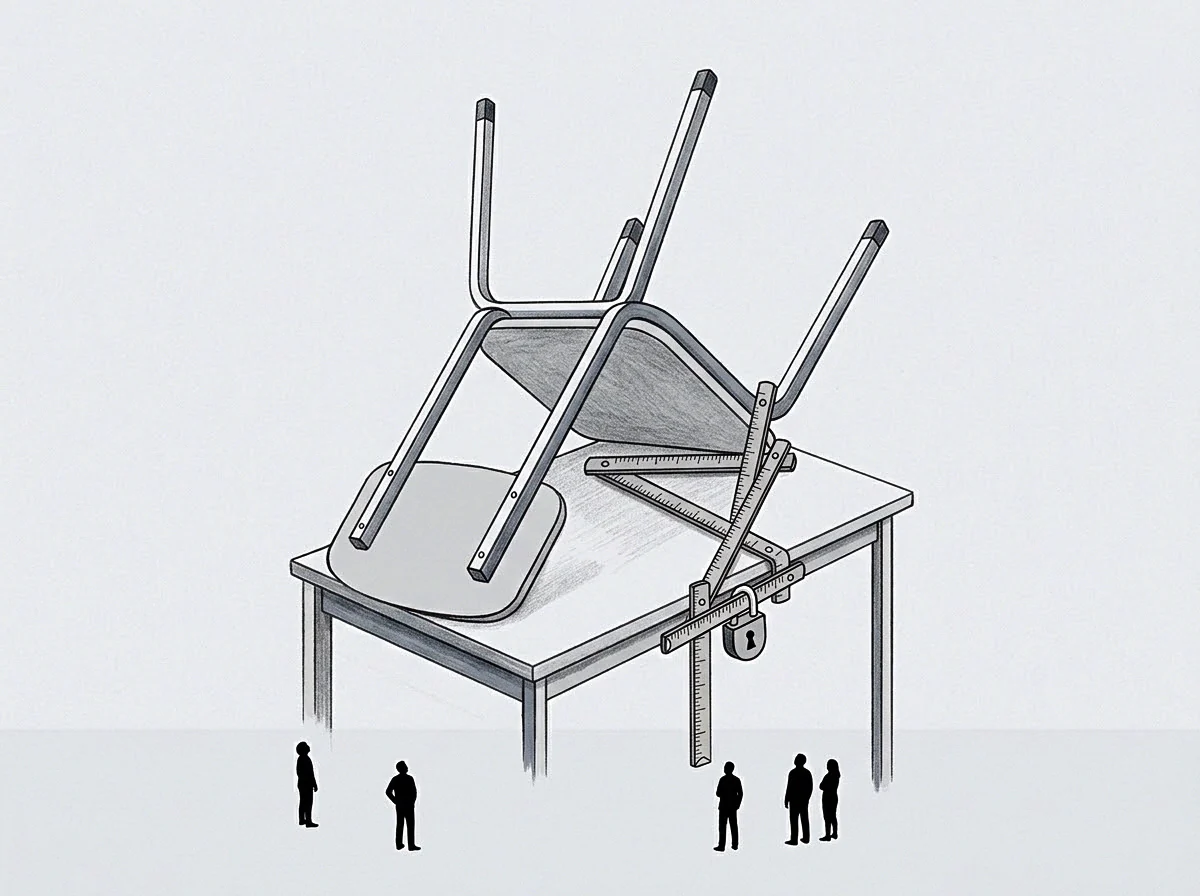
Establishing clear operational limits acts as the primary structural tool for template modification. A stated limit is a physical, non-negotiable parameter regarding availability, decision ownership, and operational scope. When a regulating founder sets a hard stop on late-night availability, they force the co-founding ecosystem to distribute autonomic burden across the broader organization.
The organization meets a structural wall rather than an elastic human baseline.
Insight explains the origin of a pattern while direct experience overwrites it.
The evolution from operational attachment based on survival need to partnership based on conscious choice marks the arrival of earned security within an executive pair. Over time, as both partners practice explicit boundary setting and mutual baseline support, the physiological cost of regulation drops. The regulating founder grows a functional receptor slot, learning to receive co-regulation without hyper-vigilance.
The resulting stability creates an enduring executive structure capable of navigating multi-decade market volatility without sacrificing human longevity.
Repeated experience under real pressure updates autonomic threat assessments far faster than cognitive planning.